Registering an ATV in Missouri
Oh, the joy of a new ATV! The thought of hitting those Missouri trails, kicking up a little dust, or tackling some chores on the back forty is incredibly exciting. But then, the paperwork monster rears its head, and for many folks in Missouri, trying to figure out how to "register" an ATV can feel like trying to untangle a fishing line after a big bite. It's genuinely confusing, especially if you're used to how cars or trucks are registered. This comprehensive guide will cut through the noise, explaining exactly what you need to do to legally get your ATV titled and decaled in Missouri, clarifying the unique steps, common pitfalls, and what to expect along the way.
Understanding Missouri's Unique Approach to ATVs
Let's be real: Missouri doesn't do things exactly like every other state, and that's especially true when it comes to off-road vehicles. If you've just moved here or are buying your first ATV, you might be scratching your head trying to find the "registration" form that looks like a car's. Don't worry, you're not alone in feeling a little lost in the bureaucratic weeds.
Why Missouri Doesn't 'Register' Like Cars
Here's the big difference that trips up so many riders: Missouri doesn't issue a traditional vehicle registration or license plate for ATVs. Nope, you won't be bolting a metal tag to the back of your quad. Instead, the state uses a "decal" system. This isn't just a fancy sticker; it's your official proof that your ATV has been acknowledged by the state for off-road use. It signifies that you've completed the necessary steps and paid the associated fees, primarily for identification purposes when you're out on the trails or during any official check.
Think of it this way: a car's registration is about making it legal for the public roads, showing it's ready for general highway use. An ATV decal, on the other hand, is much more focused on confirming ownership and allowing use on designated off-road areas, like state parks or national forest trails. It’s a subtle but crucial distinction that often leads to a lot of initial head-scratching. You're not getting a plate, but you are getting a crucial piece of identification that allows you to enjoy Missouri's outdoor spaces responsibly.
What Exactly Qualifies as an ATV in Missouri?
Before you even think about a decal, you need to know if your machine actually fits Missouri's definition of an All-Terrain Vehicle (ATV). This isn't just a casual term; the state has specific criteria, and if your machine falls outside these, it's treated differently. Generally, for Missouri, an ATV is a motorized vehicle manufactured and designed exclusively for off-highway use, with a dry weight not exceeding 1,500 pounds. This dry weight test can sometimes catch people by surprise, especially with some of the larger, more accessorized quads out there.
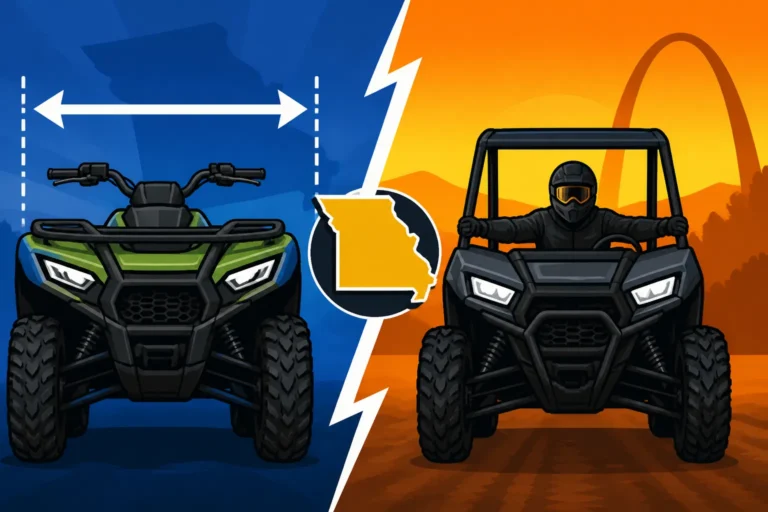
Beyond weight, the defining features are often related to how you operate it. An ATV typically has three, four, or even six wheels, but most importantly, it's designed to be ridden by an operator who straddles the seat. Think of a motorcycle, but with more wheels. It'll also have handlebars for steering. If your machine has a steering wheel and side-by-side seating, it's probably not an ATV in Missouri's eyes, and that leads us to the next point. Understanding [What Missouri Counts as an ATV] is the first hurdle in the whole process.
The Separate World of UTVs and ROVs
Now, here's where much of the confusion truly comes into play. You see those awesome side-by-sides, sometimes called UTVs (Utility Terrain Vehicles) or ROVs (Recreational Off-Highway Vehicles), everywhere these days. They look rugged, they can haul a lot, and they're incredibly popular. But in Missouri, these machines are generally not considered ATVs for titling and decal purposes. This is a crucial distinction.
Because UTVs and ROVs usually have a steering wheel, foot pedals, and side-by-side seating (often with seatbelts and roll bars), they fall into a different legal category. Consequently, they do not get an ATV decal from the Missouri Department of Revenue. This means you won't go through the same "registration" process with the state for a side-by-side as you would for a traditional ATV. [Why Missouri Does Not Register Side-by-Sides] is a really common question, and it's all about how the state defines these machines. Owners of these larger machines have different rules, especially if they want to operate them on any public roads, which often involves local city or county permits rather than a statewide decal. This difference is a major point of confusion for many new owners, so it's essential to clarify it right from the start. [Utility Vehicles Outside the Missouri System] are a whole different beast.
The Essential First Step: Titling Your ATV
Before you even dream of hitting the trails, there's one non-negotiable step: titling your ATV. This is the bedrock of legal ownership in Missouri, and without it, you're essentially riding a ghost machine as far as the state is concerned. Don't skip this.
Why Titling Comes Before Anything Else
Titling your ATV isn't just a suggestion; it's a legal requirement and the absolute first thing you must do after acquiring your machine, whether it's brand new or pre-owned. The title is the legal document that proves you are the rightful owner of that specific ATV. Without it, you cannot legally apply for the three-year decal, which is your permission slip for many public riding areas. Trying to operate an untiled machine can lead to significant headaches, including fines, impoundment, or complications if the machine is ever stolen or involved in an incident.
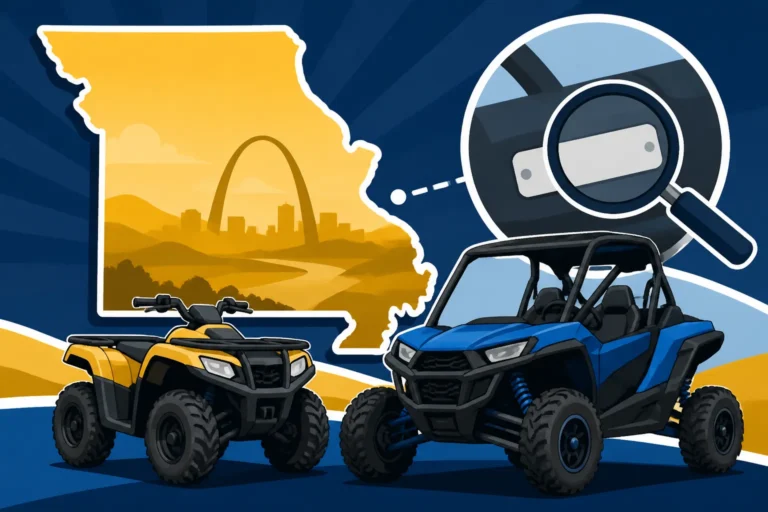
Consider the title as the ATV's birth certificate or deed of ownership. It carries the Vehicle Identification Number (VIN), details of the machine, and the owner's information. It establishes a clear chain of ownership, which is vital for consumer protection, preventing theft, and ensuring that any taxes or fees are properly attributed. If you've just bought an ATV, your immediate priority should be to initiate the titling process. [Titling an ATV in Missouri] is truly the foundation.
Gathering Your Title Application Paperwork
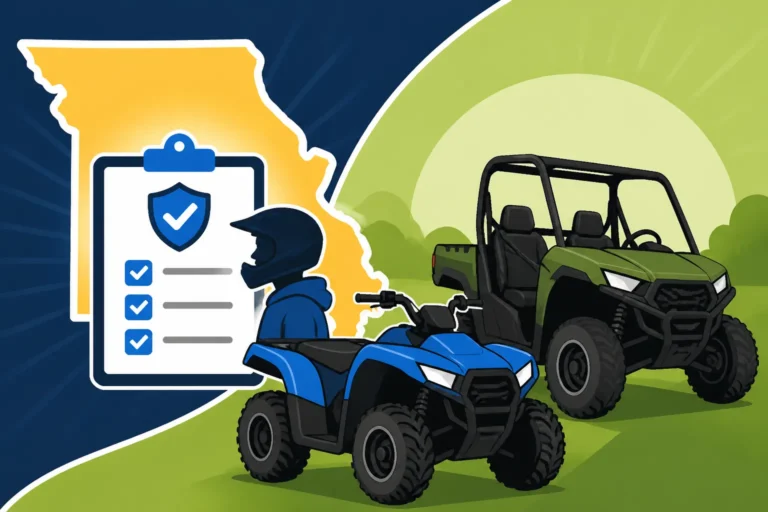
Now, for the nitty-gritty: collecting all the necessary documents. This step can feel a bit like a scavenger hunt, but having everything in order before you head to the license office will save you a lot of time and frustration. The specific papers you need will depend on whether your ATV is new or used.
If your ATV is brand new, purchased from a dealership, you'll need the Manufacturer's Certificate of Origin (MCO), sometimes called a Manufacturer's Statement of Origin (MSO). This is the original document issued by the manufacturer, certifying that the vehicle exists and has never been titled before. The dealer should provide this to you.
If you're buying a used ATV from a private seller, you'll need the existing title, properly signed over to you by the previous owner. Make sure the seller's signature matches the name on the title, and that they haven't made any alterations or mistakes. Additionally, it's always a good practice, and often required, to have a Bill of Sale. This document details the transaction: seller and buyer information, the ATV's VIN, the purchase price, and the date of sale. A robust bill of sale protects both parties. You can find excellent templates for a Bill of Sale through services like LawDepot, which can help ensure all the necessary information is captured legally and clearly. [What Missouri's ATV Title Application Asks For] will cover these specifics. If there's ever any doubt about the VIN, the license office might also require a VIN inspection by a qualified law enforcement officer or an authorized motor vehicle dealer.
Navigating the Titling Process at a License Office
Once you have all your paperwork in hand, the next stop is your local Missouri Department of Revenue license office. You'll need to bring your completed application forms, all the supporting documents we just discussed (MCO, signed-over title, bill of sale, etc.), and your valid photo identification. It's also wise to bring your method of payment for the titling fees and any applicable sales tax.
When you arrive, you'll present your documents to a clerk who will review everything meticulously. They'll verify the VIN, check the signatures, and ensure all information is accurate. This is where any discrepancies in paperwork from a private sale might become an issue, so thoroughness in the gathering stage is key. The clerk will calculate the sales tax owed on your purchase (unless an exemption applies) and the titling fee. Once all fees are paid and documents are accepted, your application will be processed. You'll usually receive a temporary receipt, and your official title will then be mailed to you, typically within a few weeks. Remember, Missouri has a [Missouri's Thirty-Day Titling Deadline] from the date of purchase, so don't delay this visit! Missing it can trigger a [Missouri's Late Titling Penalty].
Understanding the Missouri ATV Decal System
With your title secured, you're ready for the next phase: obtaining the infamous Missouri ATV decal. This is Missouri's version of "registration" for off-road use, and it comes with its own set of rules and nuances.
The Purpose of the Three-Year Decal
Unlike the annual registration renewals many vehicle owners are accustomed to, Missouri's ATV decal is a bit more forgiving. It’s issued for a three-year period, which means you don't have to think about it quite as often. This decal serves several important functions. Primarily, it's your official identification that your ATV is authorized for use on designated public lands, such as state parks and national forest trails. Think of it as your pass to these areas. It helps park rangers and law enforcement confirm that your machine is properly acknowledged by the state and that you've paid the necessary fees for its operation.
The decal itself is a physical sticker that you apply to your ATV. It displays a unique identification number and an expiration date. While it grants you access to many public riding areas, it's crucial to understand that it does not make your ATV street legal. The decal is specifically for off-road use. This three-year cycle is a convenient feature for riders, providing a longer period of validity before needing to think about renewal. [Missouri's Three-Year ATV Decal] provides this detail.
Where Your Decal Belongs (and Why)
So, you've got your shiny new decal in hand. Now, where exactly does it go? Missouri law is fairly specific about placement to ensure clear visibility for authorities. The decal must be conspicuously displayed on the right front fork of the ATV. If your particular ATV model doesn't have a traditional right front fork (which can happen with some unique designs), then you should affix it to another prominent, visible location on the right front of the machine.
The reason for this precise placement is simple: identification. When a park ranger or law enforcement officer needs to quickly verify your decal, they'll know exactly where to look. Having it in a non-standard or obscured location could lead to delays or unnecessary questions. It’s also important to make sure the decal is applied to a clean, smooth surface so it adheres properly and doesn't peel off prematurely. A decal that falls off or becomes unreadable due to improper placement or wear could be considered a missing decal, potentially leading to issues. So, take a moment to carefully place it in the designated spot once you receive it. [Where the Missouri Decal Mounts] is not just a suggestion, it's a rule.
Fees Associated with the Decal
Of course, getting that decal isn't free, but the fees are generally quite reasonable, especially considering the three-year validity period. When you go to apply for your decal, you'll encounter a couple of charges. The primary fee is for the decal itself, which covers the three years of authorization. There's a separate processing fee that the license office charges for handling the transaction. These fees contribute to the administration of the off-road vehicle program in Missouri.
It's important to remember that these fees are distinct from the titling fee and any sales tax you might have paid earlier. The titling fee is a one-time charge for establishing ownership, while the decal fee is for the privilege of operating on certain lands and is renewable every three years. While specific amounts can change, the fees are typically a modest expense in the overall cost of ATV ownership. When it's time to renew your decal after three years, the renewal fee is usually a bit lower than the initial decal fee, making subsequent renewals even more budget-friendly. This structure provides a predictable cost for riders. [Missouri's $10.25 Three-Year Registration] outlines the main cost for the decal itself.
Common Challenges and How to Overcome Them
Navigating government processes can feel like an obstacle course, and ATV titling and decaling in Missouri are no exception. Riders often run into predictable snags, but knowing about them in advance can save you a ton of hassle.
The Thirty-Day Deadline and Late Penalties
Here's one of the biggest gotchas that trips up new ATV owners in Missouri: the 30-day titling deadline. Once you purchase an ATV, you have exactly thirty days from the date of sale to apply for your title. This isn't just a polite suggestion; it's a strict legal timeframe. If you miss this deadline, even by a day, you will face a late titling penalty. And trust me, those penalties can add up faster than you'd expect.
The penalty structure is designed to encourage prompt action. It typically involves an initial flat fee, plus an additional amount for every 30-day period (or portion thereof) that your application is late. This means if you're 31 days late, you're paying for two penalty periods. It's easy to lose track of time, especially if you're excited about your new machine and eager to ride. That's why it's crucial to mark your calendar immediately after purchase and prioritize that trip to the license office. Don't let a simple oversight turn into an avoidable expense. [Missouri's Thirty-Day Titling Deadline] is a critical piece of information. The [Missouri's Late Titling Penalty] can be a real sting, so avoid it if you can!
Buying a Used ATV Without a Clear Title
This is arguably one of the most stressful situations an ATV buyer can face. You find a great deal on a used quad, maybe through a private seller online or a local ad, only to discover the seller doesn't have a clear, properly executed title. Or worse, the title is present but it's signed incorrectly, altered, or even missing key information. This is a huge red flag and a common problem in private sales.
Never purchase an ATV without receiving a properly signed-over title in the seller's name. If the seller claims they lost it, insist they get a duplicate title before you finalize the sale. If the title is signed incorrectly, or if the name on the title doesn't match the person selling the machine, you're likely buying a problem. You won't be able to title it in your name, and you'll be stuck with a machine you can't legally own. For private sales, using a detailed bill of sale is crucial. A template from a service like LawDepot can ensure that all pertinent information, including VIN, sale price, and seller's contact details, is legally documented, which can sometimes help resolve minor issues or prove due diligence if something goes wrong. Always verify the VIN on the title matches the VIN on the ATV itself. [Buying a Used ATV Privately in Missouri] should always involve careful title review.
What About Sales Tax on Your ATV Purchase?
Sales tax is another area that can cause confusion, especially with private party sales. Many people assume that if you buy something used from a neighbor or a friend, there's no sales tax. In Missouri, that's generally not the case for ATVs. When you go to title your ATV, whether it's new from a dealer or used from a private seller, you will typically be required to pay Missouri sales tax.
The sales tax is calculated based on the purchase price you declare on your bill of sale or title application. This includes the state sales tax rate, plus any local sales taxes that apply to your specific address within Missouri. So, even if you paid cash to a private individual, the state expects its share when you make it official with a title. There can be an exemption for private sales under a certain dollar amount, which can be a pleasant surprise for those buying very inexpensive used machines, but it's not a universal exemption for all private sales. Always be prepared to pay sales tax when you apply for your title. This applies to [Missouri ATV Sales Tax at Titling]. [The $3,000 Sales Tax Line in Missouri] is a common point of discussion.
Specific Scenarios for ATV Owners
Life isn't always a straight line, and neither are ATV ownership situations. Whether you're new to Missouri, need a replacement part, or have a young rider, there are specific scenarios that deserve a closer look.
Registering an Out-of-State Machine
Welcome to Missouri! If you've recently moved to the Show-Me State and brought your ATV with you, or perhaps purchased one across state lines, you'll need to get it properly recognized here. The process for [Registering an Out-of-State Machine in Missouri] is very similar to titling a used ATV within the state, but with one key difference: you'll be converting an out-of-state title to a Missouri title.
You'll need to bring your existing out-of-state title to a Missouri Department of Revenue license office. Ensure your title is free of any liens (outstanding loans) or other encumbrances; if there's a lien, you'll need the lien release documentation. Just like with a local purchase, you'll complete a Missouri title application, pay the titling fee, and pay any applicable sales tax if it hasn't been paid previously to Missouri or if the out-of-state tax was lower than Missouri's. Once your Missouri title is issued, you can then apply for the three-year ATV decal. It's a fairly straightforward conversion, but always be sure your out-of-state title is clear and in your name.
Handling a Lost or Damaged Decal
It happens to the best of us. You're out on the trail, a branch whips by, or maybe a particularly muddy section takes its toll, and suddenly your ATV decal is gone, damaged, or unreadable. Don't just shrug it off and keep riding. Operating with a missing or unreadable decal can lead to citations from park rangers or law enforcement officers.
Fortunately, replacing a lost or damaged decal is a relatively simple process. You'll need to visit your local Missouri Department of Revenue license office. Bring your ATV's title (or registration receipt, if your title is still being processed) and your photo ID. You'll fill out a form requesting a replacement decal and pay a nominal fee for its issuance. They'll typically print you a new decal on the spot, and you can get back to riding legally. It's a quick fix that saves you potential headaches down the line. Keep in mind that replacing a decal is much cheaper and easier than trying to deal with a citation. [Replacing a Lost Missouri Decal] is a task that should be handled promptly.
Registering an ATV for a Minor Rider
Many families enjoy off-roading together, and it's common for parents to purchase ATVs for their children. However, Missouri has age requirements for who can legally own and "register" an ATV. If the primary operator of the ATV is under the age of 16, they cannot legally have the machine titled or decaled in their own name.
In this scenario, a parent or legal guardian must title and obtain the decal for the ATV in their own name. This means the adult is the legal owner and responsible party for the machine. While the minor can operate the ATV (with specific restrictions regarding supervision and location), the legal ownership and state documentation always reside with the adult. This ensures that a responsible party is accountable for the vehicle's compliance with state regulations. When filling out the title application, the adult's information will be used. [Missouri Registration for a Youth Machine] clarifies these important age distinctions and parental responsibilities.
Beyond the Decal: What Missouri Doesn't Require
It's just as important to understand what Missouri doesn't require as it is to know what it does. This can often alleviate unnecessary worries or prevent you from purchasing things you don't actually need for compliance.
Why Missouri Skips Traditional Road Registration
For many people, the term "registration" immediately conjures images of license plates and road legality. But for ATVs in Missouri, the system is fundamentally different because the state generally views ATVs as off-road vehicles. This means there's no path to get a standard road registration or license plate for an ATV that would allow it to be driven on public highways like a car or truck.
The decal you obtain is specifically for off-highway use, affirming your right to ride on designated trails, private property (with permission), and other approved areas. This focus on off-road status avoids the complexities of headlight requirements, turn signals, mirrors, and other features necessary for street legality. It keeps the process simpler for genuine off-road enthusiasts. While some limited exceptions exist for specific agricultural use or local city ordinances for UTVs, for standard ATVs, the decal means off-road only. This is why you won't find a way to get your quad "street legal" through the state registration system.
No Mandatory Safety Course Requirement
When it comes to ATV operation, safety is paramount. Many states require riders, especially those under a certain age, to complete an approved ATV safety course before they can obtain a permit or legally ride on public lands. While safety courses are highly recommended for every rider, particularly new ones, Missouri does not currently mandate the completion of a safety course as a prerequisite for obtaining an ATV decal.
This means you won't be asked for a certificate of completion at the license office when you apply for your title or decal. While this might seem like one less hoop to jump through, it puts the onus on the rider to seek out training independently. Organizations like the ATV Safety Institute offer excellent courses that teach safe riding techniques, environmental responsibility, and proper machine control. Even though it's not required by the state for the decal, investing in a safety course is always a wise decision for both new and experienced riders to enhance their skills and reduce risks.
Insurance Is Not Required for Decal, But…
Another common question that arises is whether you need ATV insurance to get your decal in Missouri. The short answer for statewide purposes is no. Missouri does not legally require ATV owners to carry insurance specifically to obtain a state title or decal for off-road use. This differs significantly from the mandatory liability insurance required for on-road vehicles.
However, "not required by the state" doesn't mean "not a good idea" or "never required." Many public riding areas, such as state parks or national forests, may have their own rules regarding insurance. More importantly, if you ever experience an accident, theft, or damage, without insurance, you're entirely on your own for the costs. If you cause damage to property or injury to another person while riding, a liability policy could protect your assets. Furthermore, if you take advantage of any local ordinances allowing limited street use for UTVs, those permits often do require proof of insurance. So, while it's not a state decal requirement, carefully considering an ATV insurance policy is a smart move for any responsible rider.
The Future and What to Expect
Once you've successfully navigated the initial titling and decaling process, managing your ATV's legal status becomes much simpler. It's largely about staying organized and understanding the renewal cycle.
Renewing Your Decal Every Three Years
The beauty of Missouri's ATV decal system is its three-year validity. This means you don't have to worry about renewing it annually, which can be a real time-saver compared to other vehicles. As your decal approaches its expiration date, the Missouri Department of Revenue will typically send you a renewal notice in the mail. This notice will remind you that your decal is due for renewal and provide instructions on how to proceed.
Renewing your decal is usually a much quicker and easier process than the initial application. You can often renew online through the Department of Revenue's website, or you can visit your local license office. You'll need your current decal number or ATV title information, and you'll pay the renewal fee and processing fee. Once processed, a new decal will be issued to you, extending your authorization for another three years. It’s a straightforward task that ensures you remain compliant and can continue enjoying Missouri's trails without interruption. Keeping an eye on the expiration date and acting promptly will help you avoid any lapse in your decal. [Renewing a Missouri ATV Decal] should be a smooth process.
Keeping Your Paperwork Safe and Accessible
Your ATV title is a critically important legal document. It's the ultimate proof of ownership for your machine. Because of its value, you should never keep your original title on your ATV. If the machine were stolen, or if the title were lost or damaged while riding, it could create significant problems proving ownership later. Instead, store your original title in a secure location at home, such as a fireproof safe, a locked filing cabinet, or a safe deposit box. [Where to Keep an ATV Title Safe at Home] is a serious consideration.
For your decal, ensure it's properly affixed to the right front fork (or equivalent visible spot) and kept clean so it's always readable. While you don't need to carry your original title with you while riding, it's a good idea to have some form of proof that your machine is legally decaled. This could be a clear photograph of your decal on your phone, or a copy of your most recent decal receipt. This can be helpful if you ever encounter a park ranger or law enforcement officer who needs to verify your machine's status. For any official business related to your ATV, always bring the actual title or official documents.
Staying Informed About Changing Regulations
The world of off-road vehicle regulations is not static. Laws can evolve, new rules might be introduced, and existing ones could be amended. What's true today regarding ATV titling and decaling in Missouri might see minor adjustments in the future. New technologies, changes in land use, or shifts in public policy can all contribute to updated regulations.
Therefore, it's always a good practice for ATV owners to periodically check reliable sources for any updates. The official Missouri Department of Revenue website is your best primary resource for current titling and decal information. Additionally, state park websites or national forest service pages will provide specific rules for riding in those areas, which may include decal requirements or other operational guidelines. Subscribing to newsletters from local ATV clubs or enthusiast groups can also be a great way to stay informed about changes that might affect your riding. A proactive approach to staying informed ensures you're always riding legally and responsibly.
ATV vs. UTV/ROV: Missouri "Registration" Comparison
Here's a quick comparison to clarify the primary differences in how Missouri handles ATVs versus UTVs/ROVs in terms of state-issued identification for off-road use.
| Feature | ATV (All-Terrain Vehicle) | UTV/ROV (Utility/Recreational Off-Highway Vehicle) |
|---|---|---|
| State Title Required | Yes | Yes |
| State Decal Issued | Yes (Three-year decal for off-road identification) | No (Missouri does not issue a decal for UTVs/ROVs) |
| Primary State "Reg." | Decal for off-road use | Title for ownership; no statewide off-road "reg." decal |
| Road Use on Public Roads | Generally not allowed, few exceptions | Limited road use via local city/county ordinances |
| Seating Position | Straddle seat, handlebars | Side-by-side seating, steering wheel, pedals |
| Dry Weight Limit | Typically under 1,500 lbs | Often exceeds 1,500 lbs (not an ATV by state def.) |
| Purpose | Recreation, light utility | Recreation, heavy utility, work |
Disclaimer
This article is for general informational purposes only and does not constitute professional advice. Laws, prices and regulations vary by location and change over time. Consult a qualified professional for guidance on your specific situation.