What to Do When a Decal Number Wears Off
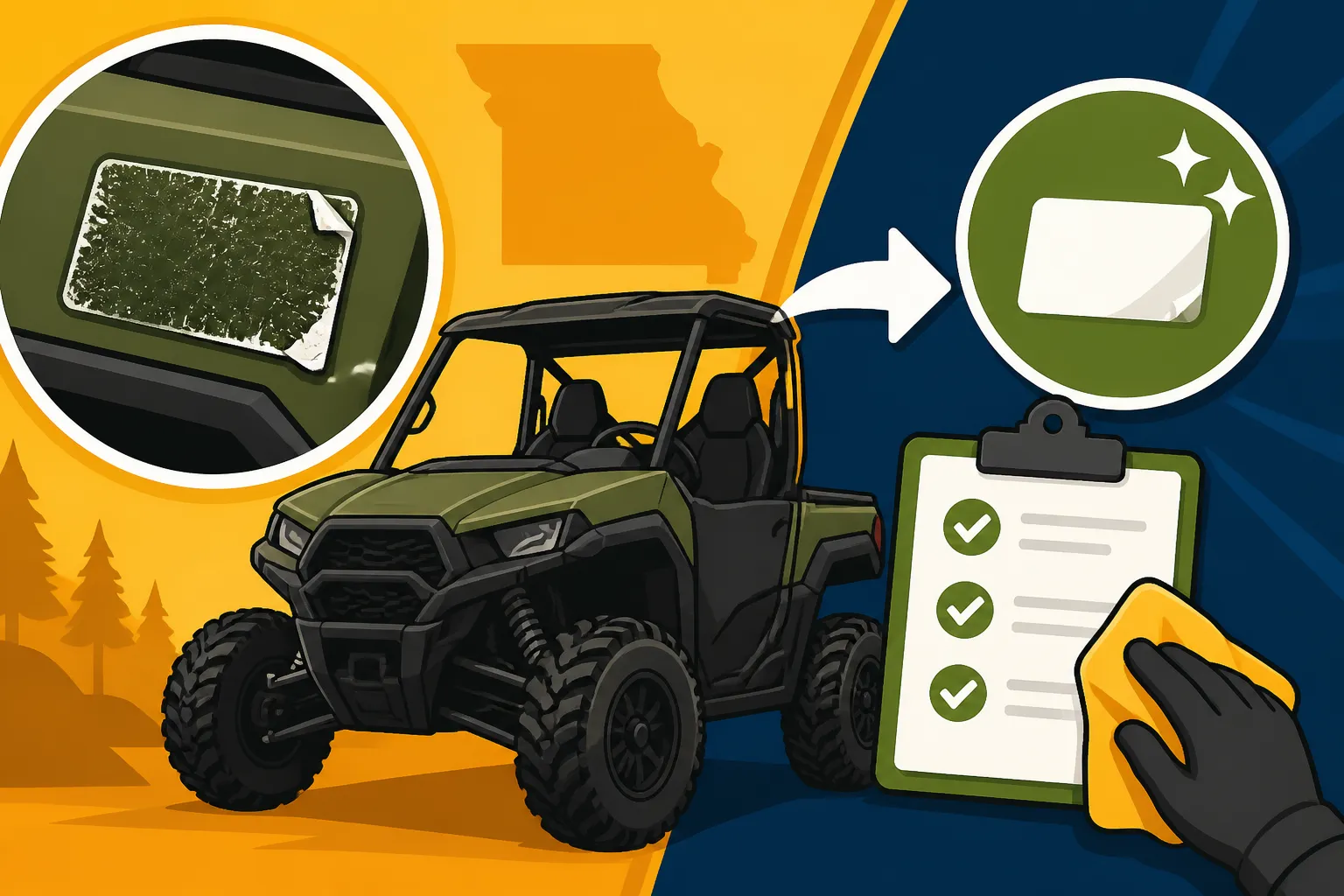
It's incredibly frustrating when you've done everything right, you've got your ATV titled and registered, and then you look down and realize the vital information on your decal—the registration number—has faded, peeled, or simply worn away. This isn't just an aesthetic issue; it can lead to problems if you're out riding and a conservation agent or law enforcement officer needs to verify your machine. This guide will walk you through exactly what to do when your Missouri ATV decal number has seen better days and is no longer legible, ensuring you stay compliant and avoid unnecessary headaches.
Why ATV Decal Numbers Wear Off
You're not alone if your ATV decal has started to look a little worse for wear. These decals are tough, but they're not indestructible, and the life of an off-road machine is, by its very nature, pretty hard on everything attached to it. It's easy to wonder if you did something wrong, but often, it's just the reality of riding in Missouri's diverse and sometimes challenging environments.
Environmental Factors
Think about where you ride your ATV. From the muddy bottoms of creek beds after a spring rain to the dusty, sun-baked trails of the Ozarks in August, your decal is constantly exposed to the elements. Intense UV rays from the Missouri summer sun can break down the inks and adhesives over time, causing colors to fade and the top layer to become brittle. Then there's the moisture: rain, splashes, and even morning dew can work their way under the edges, leading to peeling. Freezing and thawing cycles in winter can exacerbate this, making the decal crack and the numbers chip away. It's a relentless assault, and eventually, something's got to give.
Beyond just weather, there's also the grime. Mud, dirt, sand, and even the sap from trees can stick to your decal. When you wash your machine, even with care, the chemicals in soaps and the scrubbing action can contribute to wear over many seasons. A decal isn't designed to last forever, especially when it's constantly battling Mother Nature.
Riding Habits and Friction
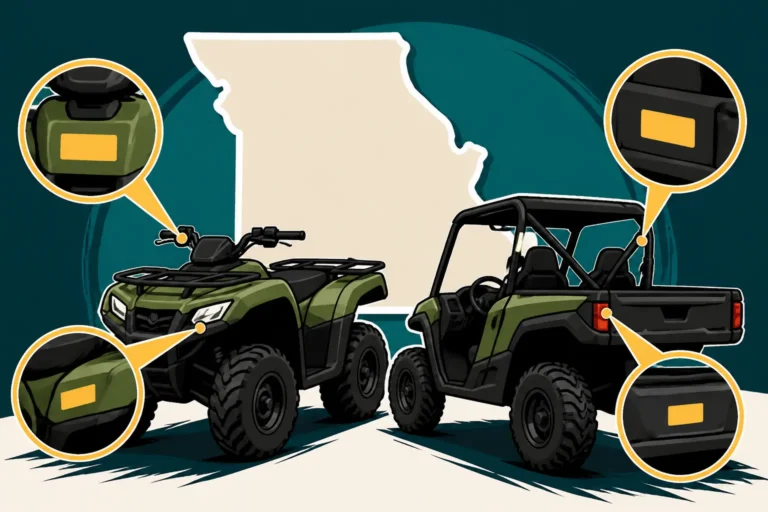
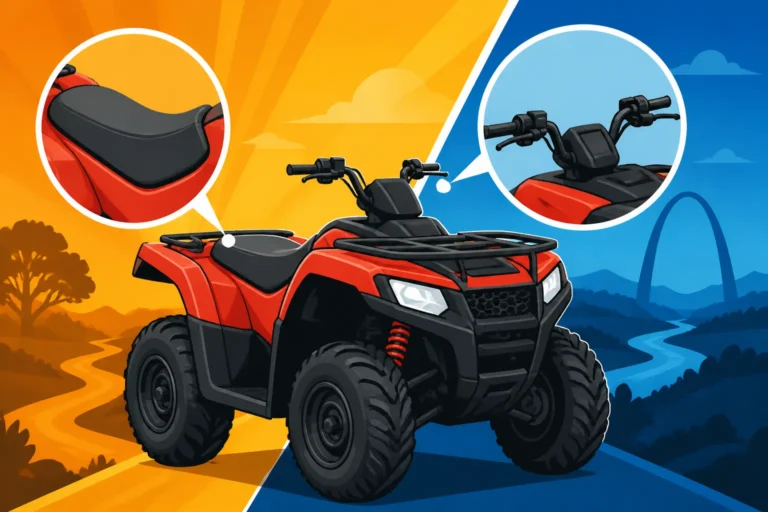
Let's be honest, we don't buy ATVs to keep them in a bubble. We buy them to ride, often hard, and sometimes through dense brush or tight trails. This is where friction really comes into play. If your decal is mounted on the [Where the Missouri Decal Mounts], as it usually is on the right front fork, it's in a prime spot to get brushed by branches, tall grass, or even your own riding gear. Every time a piece of foliage scrapes across it, or your pant leg rubs against it, it's a tiny bit of abrasion. Over hundreds of miles and countless rides, those tiny abrasions add up, slowly but surely eroding the printed numbers and letters.
Consider also how you transport your machine. If you trailer your ATV and it's bouncing around, or if tie-downs rub against the decal during transit, that's more wear. Even casual contact in a crowded garage can contribute. It's not usually one big event that destroys the decal number, but rather a slow, relentless process of minor wear and tear from the way we use and interact with our machines. It's a frustrating but common occurrence, and it's why having a plan for replacement is so important.
The Importance of a Readable Decal
A faded or unreadable decal number might seem like a minor cosmetic issue, but in Missouri, it's actually quite important for several reasons. Ignoring it can lead to inconveniences, delays, and even potential fines if you're stopped by an authority who can't verify your machine's legitimacy. You've gone through the trouble of getting your [Missouri's Three-Year ATV Decal], so make sure it's always serving its purpose.
Law Enforcement Encounters
Imagine you're enjoying a fantastic day out on the trails at St. Joe State Park, or perhaps crossing a county road legally under specific circumstances, and you're approached by a conservation agent or local sheriff's deputy. They might ask to see your ATV's registration to ensure it's properly authorized for use. Your decal is the primary visual proof of current registration. If the numbers are so faded or worn that they can't be read, it raises a red flag immediately.
While most officers are understanding, a completely illegible decal could lead to them questioning your registration status. This might mean a longer stop while they try to verify your information through other means, or it could even result in a citation if they believe you're operating an unregistered machine. It's far better to proactively replace a worn decal than to try to explain why it's unreadable when you're already in a roadside or trailside stop situation. A clear decal makes their job easier, and your ride smoother.
Proving Ownership and Registration
Beyond immediate law enforcement checks, a clear decal number is a direct link to your official registration records with the Missouri Department of Revenue. This is crucial for proving that your ATV is legally registered to you. While you should always carry your physical registration card, the decal on the machine acts as immediate, visible confirmation. This might seem minor, but if there's ever a question about the machine's status – perhaps if you're trying to sell it or have an insurance claim – having a fully intact decal helps streamline any verification process.
Think about a scenario where you're buying or selling a used ATV. A prospective buyer might want to verify the decal number against the title and registration card. If the decal is unreadable, it can create suspicion or delay the sale. For these reasons, maintaining a clear and readable decal isn't just about compliance; it's about protecting your investment and making sure all aspects of your ATV's legal status are in order. It's one piece of the puzzle that ensures your machine is properly tracked and associated with you, the rightful owner, in the state's system.
Steps to Replace a Worn Decal
The good news is that replacing a worn-off decal number in Missouri is a straightforward process. You've already taken the biggest step by recognizing the problem! Now, let's get you set up with a fresh, clear decal so you can ride with confidence, knowing you're fully compliant. The process is similar to if you needed to replace a decal that was simply lost, which you can read more about in [Replacing a Lost Missouri Decal].
Gather Your Documentation
Before you head to your local Missouri Department of Revenue (DOR) license office, it's wise to have all your ducks in a row. This will make the process as quick and painless as possible. Here’s what you’ll likely need:
- Your ATV Title: This is the ultimate proof of ownership. Make sure it's in your name and doesn't have any open liens. If you've just recently acquired the machine, make sure you've already completed your [Missouri ATV Title Transfer].
- Current Registration Receipt: This shows that your ATV is indeed registered and that the decal with the faded numbers belongs to your machine.
- Proof of Identification: Your driver's license or state-issued ID is standard for any transaction at the license office.
- Proof of Insurance: While Missouri doesn't universally require insurance for off-road use, if you've registered your ATV to use on any public roads where permitted, you'll likely need to show proof of insurance. It's good practice to have it anyway.
- Application for Replacement Decal (Form DOR-389): While you can usually get this form at the license office, sometimes it helps to print it out beforehand from the DOR website and fill it in, saving you time. This form specifically asks for information about your ATV and why you need a replacement decal.
- Your Vehicle Identification Number (VIN): This crucial number links your machine to all its paperwork. Make sure you know where to find it on your ATV – usually stamped on the frame. If you're having trouble locating it, refer to [Missouri ATV VIN Requirements].
Having these documents ready will prevent any back-and-forth trips. For any legal forms or to understand standard documentation requirements, resources like LawDepot often provide templates and general guidance that can help you organize your records for things like bills of sale or ownership transfers, which might be tangentially related if you’re consolidating all your vehicle paperwork.
Where to Apply for a Replacement
Once you have your documentation, you'll need to visit an official Missouri Department of Revenue (DOR) license office. These are often called "fee offices" and are typically run by independent contractors on behalf of the state. You can find the nearest location by checking the DOR's website. They handle all motor vehicle and ATV titling and registration matters.
When you arrive, inform the clerk that you need to replace a worn-off ATV decal number. They will guide you through the specific steps. You'll submit your application and supporting documents, and they will process your request. There will be a fee for the replacement decal, which is typically quite modest. To understand the exact amount, you can look up [Missouri ATV Decal Replacement Cost]. The good news is that they usually issue the new decal right on the spot, so you won't have to wait for it to arrive in the mail. This means you can get back to riding legally very quickly.
What to Expect During the Process
The actual process at the license office is usually very efficient. You'll hand over your documents, they'll verify your identity and your ATV's registration status. They might ask a few questions about how the decal became worn or faded. They're primarily checking that the VIN on your documents matches the one you provide and that your ATV is indeed registered. They aren't there to judge or give you a hard time about normal wear and tear.
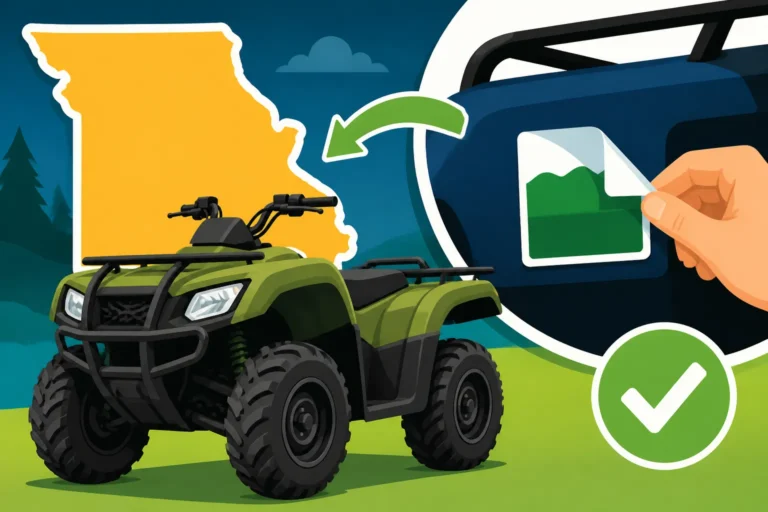
Once everything is verified and the fee is paid, you'll be given a brand new decal. Take a moment to check that the numbers on the new decal match your registration paperwork exactly. It's rare for errors to occur, but it's always good to double-check before you leave. With your new decal in hand, you can then affix it to your ATV in the proper location, typically the right front fork, ensuring it's clearly visible. This simple process eliminates any concerns about having an unreadable decal and ensures your continued enjoyment of Missouri's trails.
Preventative Measures for Future Decals
While some wear and tear are inevitable, there are definitely steps you can take to help your new decal last longer and keep its numbers clearly visible. A little proactive care can save you the hassle of replacement down the road. After all, you want your [Missouri ATV Registration Cost] to go as far as possible, and that includes the decal itself!
Proper Placement and Surface Prep
When you get your new decal, don't just slap it on. The way it's applied significantly impacts its longevity. First, make sure the surface where you're applying it – usually the right front fork – is absolutely clean and dry. Any dirt, grease, or moisture will compromise the adhesive, leading to peeling. Use a degreaser or rubbing alcohol to wipe down the area, then let it air dry completely.
Next, consider the temperature. Applying a decal on a cold day can make the adhesive less effective. Room temperature or slightly warmer is ideal. When applying, start from one edge and smooth it down slowly, pressing out any air bubbles as you go. This ensures maximum adhesion and reduces the chances of water or dirt getting underneath. Placing it where it's less likely to get snagged by brush, if possible within the legal placement requirements (see [Why the Decal Goes on the Right Front Fork]), can also help. Even if LawDepot isn't directly related to decal application, the principle of careful preparation and adherence to guidelines applies to all important documents and labels, ensuring they serve their purpose effectively.
Protective Coatings and Covers
Once your decal is properly applied, you can go a step further to protect it. There are clear protective films or sprays available that can add an extra layer of defense against UV rays, abrasion, and moisture. These are often used for graphics on dirt bikes or other powersports equipment and can be a worthwhile investment for your ATV decal. Look for products designed for outdoor use and powersports applications for the best results.
Some riders also opt for small, clear vinyl covers that can be placed over the decal, offering a physical barrier. While you need to ensure these don't obscure the decal or make it hard to read, a well-designed cover can take the brunt of impacts from branches and other debris, leaving the decal underneath pristine. Regular cleaning with mild soap and water, avoiding harsh chemicals or high-pressure washers directly on the decal, will also extend its life. By taking these few extra steps, you can significantly prolong the readability and integrity of your ATV decal, ensuring it remains a clear symbol of your machine's legal status for the full three years.
| Action | What You Need | Where to Go | Estimated Time |
|---|---|---|---|
| Recognize the Problem | Nothing, just your awareness | Wherever your ATV is | Instant |
| Gather Documents | Title, Reg Receipt, ID, VIN, Form DOR-389 | Your home, DOR website | 15-30 minutes |
| Visit License Office | All gathered documents, payment | Local MO License Office | 30-60 minutes |
| Affix New Decal | New decal, clean cloth, rubbing alcohol | Your home/garage | 10-15 minutes |
| Implement Protections (Optional) | Protective film/spray | Auto/Powersports store | Varies |
When your ATV decal's numbers start to vanish, it's not just an annoyance; it's a signal that it's time to take action. Replacing a worn-out decal ensures you remain compliant with Missouri's regulations and avoids any potential hassles with law enforcement. By understanding why decals degrade, knowing the simple steps to get a replacement, and taking measures to protect your new one, you can ensure your off-road adventures are always worry-free and fully legal. So, don't delay—get that new decal and keep on riding!
Disclaimer
This article is for general informational purposes only and does not constitute professional advice. Laws, prices and regulations vary by location and change over time. Consult a qualified professional for guidance on your specific situation.