Riding the Pro-Built Motocross Track at Finger Lakes
The Pro-Built Motocross Track at Finger Lakes offers a very different ride from the park’s wooded routes: it’s a purpose-built place for working on turns, rhythm and controlled jumps, not simply another trail loop. Knowing what to check before you unload helps you avoid a wasted trip, choose suitable gear and keep your day manageable whether you’re a first-timer or a regular rider.
What to expect at the Finger Lakes motocross track
A track ride is different from a trail ride
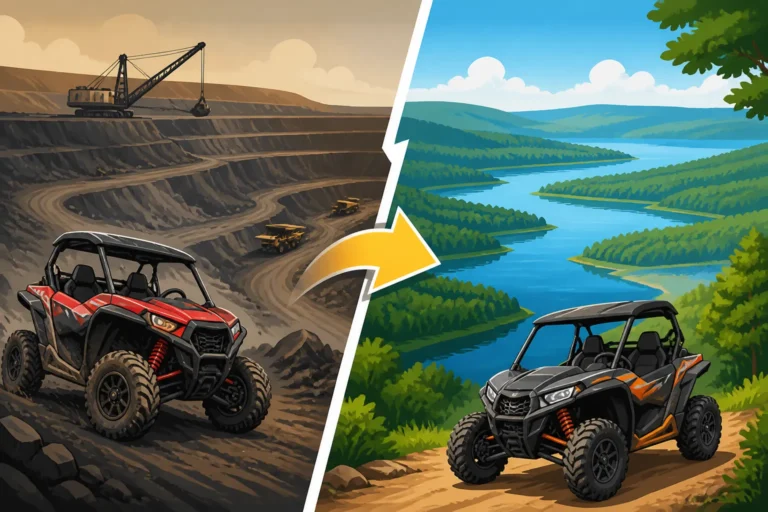
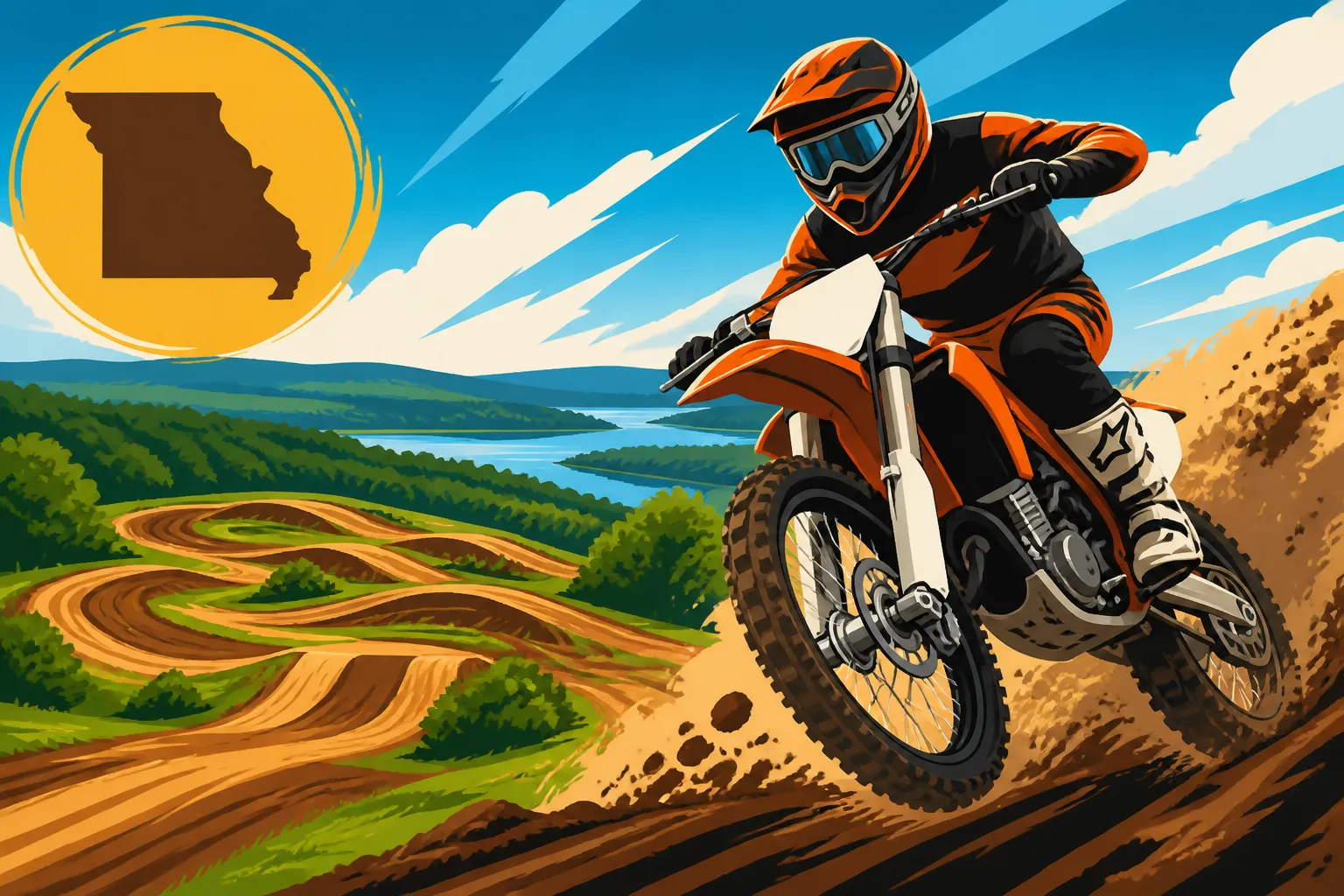
Finger Lakes State Park, near Columbia in Boone County, is known for off-road riding as well as its lakes and former mining landscape. The Pro-Built Motocross Track is a distinct kind of riding experience within that setting. Rather than following a route through the woods, you ride a defined course where turns, rises and jumps call for steady attention and deliberate control.
That difference matters when you plan your day. On a trail, you may be focused on uneven ground, route-finding and changing conditions around the next bend. On a motocross track, you’re repeatedly negotiating the same features, often at a pace that can build as your confidence grows. It can be tempting to follow a faster rider or try a jump because it looks manageable from the sidelines. Give yourself permission to ride within your comfort zone instead.
The track is not necessarily the best starting point for every new rider, and it isn’t a substitute for a trail ride if your group wants a relaxed route through the park. If you’re still getting comfortable with your machine, look into the park’s youth and beginner options before choosing a track session. The broader park context is covered in [Finger Lakes State Park in Missouri], while [How a Coal Strip Mine Became Finger Lakes] offers background on the landscape surrounding the riding area.
Expect the track to reward smooth, controlled riding
A motocross course can feel more demanding than it looks from the fence. A small rise may change how your machine lands, a berm can feel steeper from the seat, and a series of features can arrive sooner than you expect. Even without attempting jumps, you’ll need to manage speed, steering and braking while staying aware of the track surface and other riders.
A useful first lap is a slow, observant one. Pay attention to the line of travel, where the course turns, and whether there are features you’d prefer to avoid. Don’t assume you need to ride every obstacle at full speed or copy the line of someone on a different machine. A rider on a larger or more capable machine may be comfortable with a feature that isn’t right for your setup or experience.
It’s also reasonable to stop and reassess. If the track feels rougher, faster or more crowded than you expected, take a break or choose a different riding area. The goal is a good day out, not proving something to strangers. Finger Lakes has more than one kind of off-road experience, so planning around the ride your group actually wants can make the trip more enjoyable.
Check access and conditions before you travel
Track access, operating hours and riding conditions can change. Before loading your ATV or UTV, check the park’s official information for the motocross track’s availability, rules, and any notices that could affect your visit. Don’t assume that a track is open just because the wider park is open, or that a previous visit reflects today’s conditions.
Weather matters, too. Rain can change the surface and make a course more difficult, while dry conditions can mean dust and reduced visibility when several machines are riding. If conditions have recently changed, ask park staff whether the track is open and appropriate for your machine and experience level. Keep in mind that a course can be open but still feel unsuitable for your group.
For a broader picture of park schedules and seasonal planning, see [Missouri State Park ORV Hours]. If you plan to explore beyond the track, review the official route information before you unload; [Missouri Trail Maps From State Parks] is a helpful related topic. A route app such as onX Offroad can help you organize a day and keep track of planned routes, but it shouldn’t replace the park’s posted directions, closures or instructions.
Choose a machine and riding plan that fit
Match the track to your machine
Before you go, confirm that your machine is allowed on the motocross track and that the track is open to the type of riding you have in mind. Don’t assume that rules for general ORV trails automatically apply to every facility or course inside the park. The park’s specific guidance is the place to check for machine eligibility, rider requirements and any restrictions.
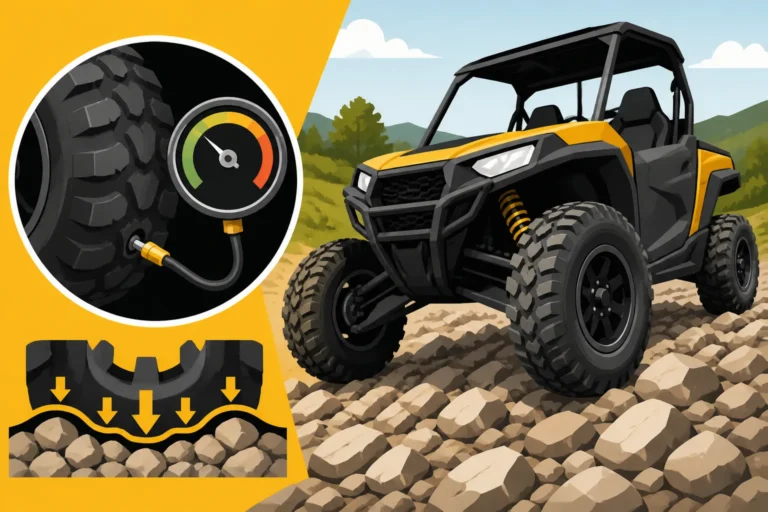
Machine fit is about more than whether the vehicle can physically move around the course. Consider its handling, braking, tires, suspension and your familiarity with it. An ATV you’re comfortable riding on flat ground may feel quite different over repeated turns and changing elevations. A UTV may have different space and handling considerations than a quad, so confirm suitability rather than relying on what another visitor rode.
If the track is new to you, start with the simplest plan: ride conservatively, skip features you’re unsure about, and give yourself time to learn the course. If you’re traveling with a mixed group, agree beforehand that nobody has to follow the fastest person. That one conversation can help prevent pressure from turning a fun outing into an unnecessary risk.
Plan around rider experience, not just age
A younger rider may need a more suitable practice area than the main track, while an adult who is new to off-road riding may also benefit from starting somewhere less demanding. Check the park’s age, supervision and youth-area rules in advance, and be honest about each rider’s experience. A young person who is confident on a small machine may still need close supervision, and an adult beginner may need time to learn throttle and braking control.
Finger Lakes has a youth riding area with its own purpose and rules. It can be a better setting for a child who is learning than a course designed for more experienced riding. Read [Finger Lakes' Youth Riding Area] before your visit so you can understand the distinction and avoid planning to use the motocross track as a general beginner zone.
For families, set expectations before arriving: which area each person will use, who will supervise, where you’ll regroup and what to do if someone wants to stop. Don’t let a child’s excitement or a group’s schedule push them onto a course they aren’t ready to ride. A shorter, calmer session is often a better introduction than an ambitious day that ends with a tired rider making rushed decisions.
Keep the first session simple
A practical plan is to begin with a slow familiarization lap if access and track conditions allow it. Notice the course layout, identify sections you’ll avoid, and check that your helmet and other gear stay secure. Then take a break before deciding whether to ride again. Fatigue can creep up quickly when you’re concentrating on repeated turns and managing a machine over uneven ground.
If you’re traveling with friends, decide how you’ll handle different speeds. Avoid riding directly behind someone who is kicking up dust, and don’t crowd a rider who has slowed or stopped. Leave room for others to complete a turn or move off the course safely. If you need to pull over, do so only where it is permitted and where you won’t create a hazard for approaching riders.
A navigation app such as onX Offroad can be useful for organizing the wider outing, especially if your group plans to visit other park riding areas after the track. Download or review route information ahead of time where possible, and use the official park map and signs as your authority. The point is to know where you intend to go—not to assume that a phone screen overrides a closure sign or staff direction.
| Planning question | What to check before you go | Why it matters |
|---|---|---|
| Is the track open? | Park notices, hours and any temporary closure information | Track access may differ from general park access |
| Is my machine permitted? | Rules specific to the track and vehicle type | General trail rules may not cover every facility |
| Is this right for my rider? | Experience, age and supervision requirements | A youth area or easier route may be a better fit |
| What will conditions be like? | Recent weather, surface and visibility | Mud, dust or changing ground can affect control |
| Do I have the required gear? | Park rules and properly fitting protective equipment | Gear needs to be ready before unloading |
| What else will we ride? | Official park map, signs and route information | Keeps the group oriented and away from closed areas |
Prepare for a safe and comfortable visit
Bring protective gear and a realistic toolkit
Start with the protective equipment required by park rules and appropriate for your machine and riding style. A properly fitting helmet is central to that plan; other protective clothing can help with dust, abrasion and minor impacts. Make sure everything fits securely before you leave home. Discovering that a helmet shifts or a strap is uncomfortable after you’ve arrived is frustrating—and it can distract you when you need to concentrate.
Bring basic supplies that make a day outdoors easier: water, snacks, sunscreen, a small first-aid kit and any machine-specific tools you know how to use. Consider how you’ll keep phones and personal items protected from dirt and weather. If you’re bringing spare parts or tools, secure them so they can’t shift during transport or become a hazard while riding.
The right kit depends on your machine and your plans. A group spending a short time at the track may need less than one setting out for a longer day elsewhere in the park, but everyone should have a way to pause, hydrate and address a small problem. Check your machine before loading it, including tires, brakes, controls and any other items identified in its owner’s manual.
Follow posted rules at the riding area
Rules at staging areas and on public riding grounds exist for a reason, even when they feel fussy during a busy arrival. Slow down, give pedestrians and other vehicles room, and follow the posted speed limits. [5 mph Through Staging] and [10 mph in Buffer Zone] are useful reminders to pay attention to lower-speed areas instead of carrying riding speed into places where people are parking, unloading or regrouping.
Noise restrictions and equipment requirements can also affect whether you’re allowed to ride. A machine that sounds fine in a home garage may not meet a public facility’s standard. Check the park’s current instructions before setting out, and don’t make changes at the gate in the hope that the machine will pass. [Why a Loud Quad Fails an 86-Decibel Check] explains why sound limits can matter at a riding facility.
Park-specific equipment rules can differ from rules you’ve encountered elsewhere. For example, flag requirements at a state park may not match the requirements for road use. Review [Missouri Flag Rules at a State Park] and follow the signs and park instructions that apply at Finger Lakes. If staff give you a direction, follow it even if you’ve ridden the area before.
Make room for other riders
A shared track works best when riders are predictable. Stay alert, avoid stopping in the line of travel, and don’t assume a faster rider has seen you. If you need to slow down or leave the track, do it with care and follow the park’s guidance for entering and exiting. When several people ride together, agree on a regrouping point away from the active course.
Be especially thoughtful when a rider is learning. Avoid pressuring them to speed up, attempt a jump or stay out longer than they’re comfortable with. Experienced riders can help by explaining a feature from a safe place, but they shouldn’t create a moving obstacle by riding close behind someone who is hesitant. A rider who feels rushed may focus on keeping up instead of reading the ground.
Take breaks before concentration wears thin. Heat, dust, noise and repeated physical effort can make people tired without them noticing right away. If your attention is slipping, stop for water or call it a day. A rested rider is more likely to make good choices than someone trying to squeeze in one more lap because the group is ready to leave.
Combine the track with a wider Finger Lakes visit
Decide whether you want track time or trail time
Some visitors arrive expecting one continuous riding route and are surprised to find that a motocross track is a different experience from a wooded trail. Decide which kind of day you want before you leave home. If your priority is practicing turns and learning a course, build the schedule around the track. If you want a longer ride through the park, plan around the available trails and their rules instead.
A mixed day is possible only if access, time and conditions cooperate. Allow for unloading, getting oriented, breaks and changing plans if the track is busy or closed. Don’t schedule a tight sequence that assumes every facility will be available and every rider will want to ride at the same pace. Leaving a little flexibility makes it easier to adapt without frustrating the whole group.
Use the park’s official information to confirm where each activity is allowed. A route-planning tool such as onX Offroad can help keep your intended itinerary organized, especially when you’re coordinating with friends, but always defer to park maps and posted closures. A track, a trail and a general park road may each have different permitted uses.
Plan permits and park logistics in advance
Before traveling, identify which permit or access requirements apply to your machine and the area you plan to ride. Don’t assume that owning a state registration decal automatically covers entry to a state park riding area, or that a permit for one riding location works at another. These are separate questions, and the rules can depend on the facility and the type of machine.
Check the relevant park information before you leave, including where permits are obtained, how they must be displayed and whether you need to complete any steps before arriving. [Missouri State Park ORV Permit Prices] is a related guide for understanding the permit topic, but use official park instructions for the requirements that apply to your visit. Keep confirmation or permit details accessible, and follow staff directions when you arrive.
A little preparation can prevent the familiar parking-lot scramble: passengers waiting while someone searches a phone, a machine that needs to be unloaded twice, or a group discovering too late that its planned activity has different requirements. Make a checklist for machine, gear, permit, water, route and weather. Confirm the essentials the night before, then check for park updates before you start driving.
Leave the area ready for the next group
Pack out everything you bring in, including food wrappers, bottles and parts or packaging from repairs. Keep vehicles and gear in designated places, and avoid blocking access for other visitors. A motocross facility can get busy, and a tidy staging area makes it easier for everyone to unload, regroup and follow instructions.
Before loading up, check your machine for loose components, damage or debris that needs attention. If you’ve ridden through mud or dusty ground, clean the machine in a way that follows park rules and avoids spreading dirt into places it doesn’t belong. Secure the machine and equipment for the drive home, and take a moment to make sure nobody has left personal items behind.
A good visit also means respecting closures and reporting a safety concern to park staff rather than trying to fix a shared facility yourself. If the track surface seems damaged or a feature creates an immediate problem, stop riding and let staff know. The next group benefits when visitors leave useful information and avoid making a questionable situation worse.
A practical checklist before you head out
Confirm the essentials
Before departure, verify that the track is available, your machine is permitted, and your riders are eligible for the area they plan to use. Check the park’s current hours and notices rather than relying only on an old trip report. If anything is unclear, contact the park before making the drive.
Pack the gear and supplies you’ll need for both riding and breaks. Set expectations with your group about pace, regrouping and when to stop. If a rider is unsure about the track, build in another option rather than treating the course as the only reason for the day.
Keep your plan flexible. Weather, access and rider confidence can change what feels right after you arrive. If the track isn’t suitable, a different permitted activity—or a return visit another day—is better than pressing on when the conditions or group aren’t ready.
Use this day-of checklist
- Check official park notices, hours and track access.
- Confirm the permitted machine types and rider requirements.
- Review the rules for permits, protective gear, sound and flags.
- Inspect the machine and secure your riding equipment.
- Bring water, snacks, basic supplies and any needed tools.
- Agree on a conservative first lap and a regrouping plan.
- Follow posted signs and staff instructions throughout the visit.
- Stop if conditions, fatigue or track traffic make the ride feel unsafe.
The Pro-Built Motocross Track can be a rewarding part of a Finger Lakes visit when you arrive prepared and ride within your limits. Treat it as a course with its own demands, not simply another trail segment; confirm access and rules, choose the right riding area for each person, and let the day’s conditions guide your plan.
Disclaimer
This article is for general informational purposes only and does not constitute professional advice. Laws, prices and regulations vary by location and change over time. Consult a qualified professional for guidance on your specific situation.