Finger Lakes’ Youth Riding Area
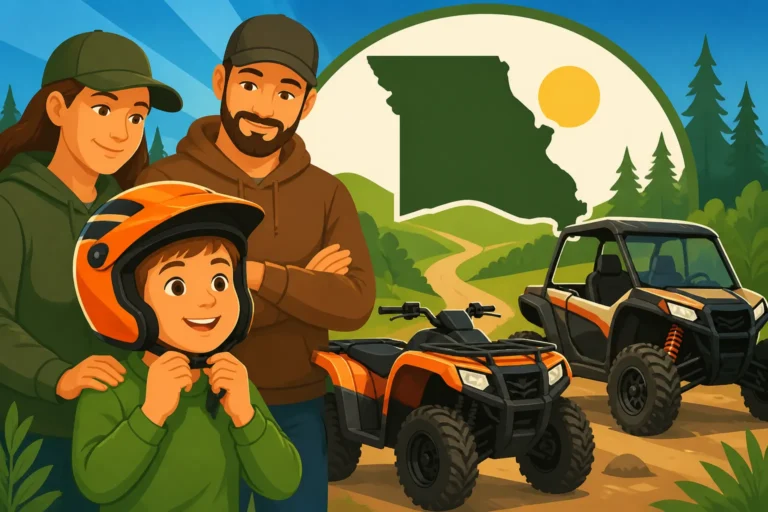
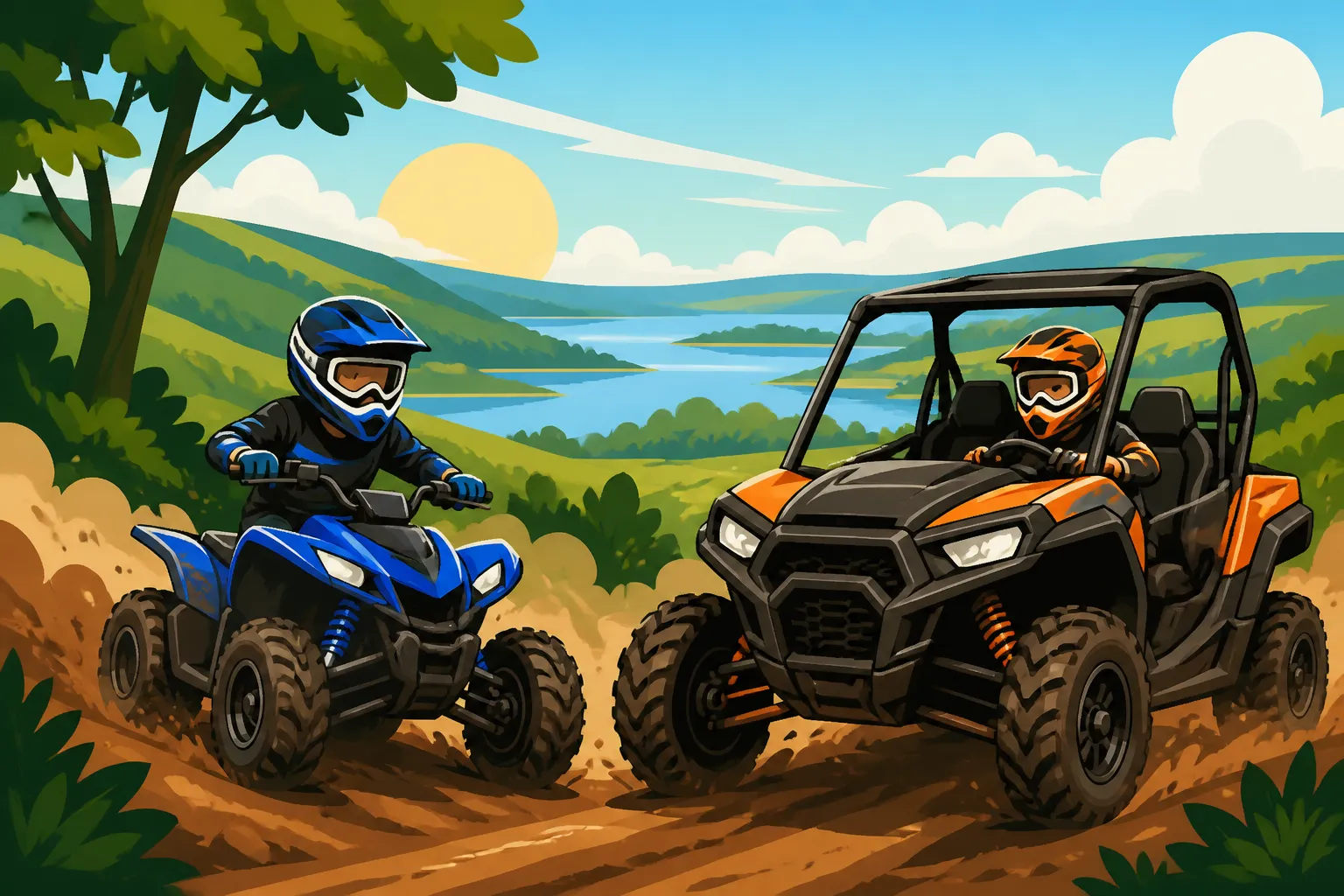
Finger Lakes’ youth riding area can make a first off-road outing feel less intimidating, especially when a child is still learning throttle control, braking, and how to read uneven ground. The key is to treat the youth area as a starting point—not a substitute for checking park rules, permits, equipment requirements, and the rider’s readiness before unloading.
What the Youth Riding Area Is For
A more manageable place to learn
Finger Lakes State Park, near Columbia, is known for off-road riding as well as its unusual landscape shaped by former coal mining. The youth riding area gives families a designated place to introduce younger riders to the basics without beginning on a longer, more demanding trail. That difference matters: a child can focus on controlling the machine instead of worrying about staying with a group across unfamiliar terrain.
A first ride is often less about distance than confidence. A young rider may need time to understand how a throttle responds, how the brakes feel, and how the machine behaves over small bumps. A contained riding area can make it easier for an adult to observe, pause the session, and give one instruction at a time.
It is still an off-road environment, not a paved practice lot. The surface, traffic, and posted boundaries matter, and conditions can change with use and weather. Start slowly, keep the first session short, and let the child build skill in stages rather than treating the area as a place to test top speed or tackle every feature.
For background on the park and its riding setting, see [Finger Lakes State Park in Missouri] and [How a Coal Strip Mine Became Finger Lakes]. The park’s history helps explain why its terrain may feel different from a smooth neighborhood field or a prepared backyard course.
Why a designated area helps families
A child who has only ridden on private property may find public riding areas busy or unfamiliar. In a designated youth area, the family has a clearer place to focus on basic habits: looking ahead, leaving space, slowing before a turn, and stopping when asked. Those habits are useful before a rider encounters more varied trails or other park visitors.
It can also help a parent or guardian set expectations before the engine starts. Agree on where the child may ride, what signal means “stop,” and what the child should do if they feel uncertain. For example, a child who is uncomfortable can move to a safe stopping place and wait rather than trying to keep up or making a sudden turn.
Do not assume that “youth area” means every child is allowed on every machine or that an adult can supervise from anywhere. Age, supervision, equipment, and riding-area rules can all affect access. Read the park’s posted information and confirm the current rules before making the trip. The overview at [Missouri Park Access for Riders Under 16] can help you understand why age and supervision rules deserve attention.
Setting realistic first-ride goals
A good first visit might involve a short warm-up, a few slow laps, and a break to check how the child is feeling. A child who is concentrating hard may not notice they are tired, overwhelmed, or gripping the controls too tightly. Regular pauses give them a chance to relax and tell you what felt difficult.
Keep goals simple. Instead of asking a beginner to ride for a set length of time, try a sequence such as: start smoothly, maintain a comfortable pace, slow down before a turn, and stop in the agreed location. When those skills look steady, the rider can repeat them or try another appropriate section if the posted rules allow it.
Children also develop at different speeds. A confident child may still need reminders about spacing, while a cautious child may need several visits before the area feels familiar. Avoid comparing siblings or friends. The useful measure is whether the rider is making controlled decisions and responding reliably to instructions.
Planning the Visit Before You Leave
Check access, permits, and operating information
Before loading the machine, check the park’s official information for riding access, operating details, and any temporary closures. A trail or riding area may be affected by weather, maintenance, events, or other park conditions. Do not rely only on an old saved map, a social media post, or a report from a previous visit.
Also confirm what kind of permit is required for the machine and where it must be displayed. A state park riding permit and a Missouri ATV registration decal are not interchangeable just because both may be displayed on a machine. Check the park’s current instructions for the riding area you plan to use, and review [Missouri State Park ORV Permit Prices] for context on the separate park-permit system.
A practical pre-trip checklist helps prevent the frustrating situation of arriving with a child ready to ride and discovering a missing permit or a closed area.
| Before you go | What to confirm |
|---|---|
| Riding access | Whether the youth riding area is open and available |
| Permits | Which park permit applies to the machine and visit |
| Machine | Whether it fits the posted requirements for that area |
| Safety gear | Helmet and any other required protective equipment |
| Rules | Age, supervision, passenger, flag, and sound requirements |
| Conditions | Weather, recent closures, and any park notices |
| Family plan | Meeting point, stop signal, water, and breaks |
Rules can differ by location, so treat the current park notice and signs at the riding area as the final guide. If information online is unclear, contact the park before setting out rather than trying to resolve a rules question at the entrance.
Use maps as planning tools, not permission
A map can help you understand the drive, locate the park entrance, and prepare for where you will meet your family or riding group. The park’s own map is the first resource to check for designated riding areas and official boundaries. For additional route planning, some riders use onX Offroad to review their trip, but a mapping app should not override park signs or official information.
That distinction is especially useful when a map shows nearby roads, trails, or land boundaries. Seeing a route on a screen does not prove that a machine is allowed there, that the route is open, or that a feature is suitable for a young rider. Use the official park map to confirm the area you intend to ride, then use other tools only as supplementary planning aids.
Save or carry the relevant map information before leaving home, particularly if you expect limited cell service. You can also review [Missouri Trail Maps From State Parks] and [Riding Finger Lakes Outside Columbia] while planning the broader visit. If you use onX Offroad, compare what you see there against the park’s official map and the signs on site instead of treating the app as an authorization to ride.
Helping a Young Rider Start Safely
Choose a machine the child can control
A machine should fit the rider’s body and ability, not simply their age or a sibling’s preference. The child should be able to reach and operate the controls comfortably, sit in a stable position, and understand how to stop. If they struggle to reach a control or cannot hold a steady position, the machine may be too large or powerful for their current skill.
Before riding, explain the controls while the machine is stationary. Show the child how to start and stop according to the manufacturer’s instructions, how to use the brakes, and how to turn the engine off if needed. Ask them to demonstrate their understanding rather than relying on a quick “got it.”
A short, supervised practice on an appropriate surface can reveal problems that are easy to miss during a rushed arrival. If a child cannot consistently stop where instructed, steer away from an obstacle, or maintain a controlled pace, pause the ride. More time learning the controls is a better outcome than pushing ahead because the family has already made the trip.
Make the safety talk specific
“Be careful” is too vague to help a beginner make decisions. Give the child simple instructions they can remember: leave space, look in the direction of travel, slow down before turning, and stop when the adult gives the agreed signal. Establish where they can stop without blocking other riders and how they should get your attention.
Wear the required protective equipment and check that it fits properly before the child starts. A helmet that shifts or blocks vision can create its own distraction. Confirm the park’s equipment requirements and machine rules before the visit, including any applicable flag or sound rules. You can review [Missouri Flag Rules at a State Park] and [Missouri's 86-Decibel Limit at a Park Gate] as part of that check.
Stay close enough to supervise effectively, while also positioning yourself where you are not creating a hazard for other riders. If the area is busy, wait for a quieter moment or take a break. A child should never feel pressured to ride into a situation they do not understand just because other people are moving around them.
Follow the rules for younger riders
Age and supervision requirements are important, but they should not be guessed from what another family is doing. Check the current park rules for the child’s age, the riding area they may use, and whether an adult must accompany or supervise them in a particular way. Guidance in [Riders 12 and Under in the Youth Area] and [Why a 12-Year-Old Rides Only the Youth Area] addresses why the youth area may be specifically relevant to younger riders.
Keep the distinction clear between a child being allowed to ride somewhere and a child being ready to ride there. A rule may permit access under certain conditions, but the adult still has to judge the child’s control, attention, comfort, and ability to respond to instructions. A child who is exhausted or frustrated may be less able to make safe choices, even if they handled the same section well earlier.
Do not assume a youth riding area permits passengers or relaxed supervision. Follow posted signs and do not carry a second rider unless the machine and rules specifically allow it. When in doubt, stop and ask park staff rather than interpreting a rule based on appearance or hearsay.
What to Expect at the Park
Prepare for a different kind of terrain
Finger Lakes’ landscape reflects its past as a coal-mining site, so families should not expect every surface to resemble a flat, maintained lawn. Off-road terrain can include uneven ground, changing traction, and features that feel different after rain or heavy use. A child who is comfortable on a smooth driveway may need time to adapt to a park surface.
Walk or inspect the area where appropriate before the child rides, and pay attention to signs and boundaries. Look for places where a beginner can stop safely and avoid directing a child toward a feature simply because it looks interesting. If the ground is wet, rutted, or otherwise challenging, consider whether the child has enough experience for the conditions—or whether the better choice is to wait.
Check [Missouri Trail Conditions Before You Ride] before leaving. Weather can change the character of a riding area, and a route that felt manageable during a dry visit may become less predictable after rain. A flexible plan is useful: if conditions do not suit a beginner, shorten the ride or choose another park activity.
Be considerate of other park users
A youth area is still part of a public recreation setting. Keep equipment and family belongings out of riding paths, give other riders room, and avoid stopping where someone may not expect a stationary machine. If a child needs a break, guide them to a safe place rather than having them stop in a busy line of travel.
Teach young riders to watch for people as well as terrain. An adult may be focused on the machine, but the child also needs to understand that other riders can approach from different directions. Encourage them to look before moving and wait if they are unsure whether the way is clear.
Noise and conduct matter, too. Follow the park’s sound requirements, keep the machine in good working order, and avoid unnecessary revving. A calm, predictable riding style makes the area more comfortable for beginners and helps reduce conflict with other visitors.
Pack for breaks and small problems
A family outing is easier when the basics are within reach. Bring water, weather-appropriate clothing, any necessary protective gear, and a way to manage minor discomforts. Young riders may be so excited at first that they forget to drink or tell you that a glove is rubbing.
Check the machine before unloading. Look for obvious issues such as loose equipment, low tires, a control that does not respond normally, or a problem with the fuel or battery. Follow the manufacturer’s maintenance guidance; do not use a questionable machine just because you have arrived.
Agree on a meeting point and a simple plan if family members become separated. Keep the adult’s attention on supervision rather than a phone or map while the child is moving. If you use onX Offroad or another navigation tool, review it before the riding session and put it away when active supervision requires your full attention.
Making the Day Work for Your Family
Balance riding time with the child’s energy
More riding is not automatically a better visit. A beginner may get tired from concentrating, even if the physical effort seems modest. Plan breaks before the child is visibly worn out, and be willing to end the session while it is still going well.
Watch for signs that the rider needs a pause: increasingly abrupt turns, trouble following simple directions, frustration, or a tendency to ride faster when tired. These are cues to stop, offer water, and check in. If the child says they are nervous, take that seriously; reassurance should not become pressure to continue.
A useful family routine is to check in after each short stretch of riding. Ask what felt easy, what felt confusing, and whether the child wants to continue. This helps a beginner notice their own limits and gives the adult a chance to adjust the plan before a small concern becomes a bigger one.
Keep expectations flexible
A first visit may not include many laps. The child might spend much of the time learning to start, stop, and turn smoothly. That is a worthwhile outing if they leave with more confidence and a clearer understanding of the rules.
If the youth area is busy or the conditions are not right, consider switching to a non-riding activity at the park rather than insisting on the original plan. Likewise, if the machine is not a good fit or the child is not comfortable, rescheduling is a reasonable choice. A successful first experience should make the next one feel possible, not leave the child feeling overwhelmed.
When the family returns, build on skills the child has already practiced. Keep the same safety signals and reinforce controlled riding before introducing new challenges. Revisit official park information before each trip, because access, rules, and conditions can change. That small planning step helps keep the outing enjoyable for the young rider and less stressful for the adult responsible for them.
Disclaimer
This article is for general informational purposes only and does not constitute professional advice. Laws, prices and regulations vary by location and change over time. Consult a qualified professional for guidance on your specific situation.