Camping With a Trailer at a State Park
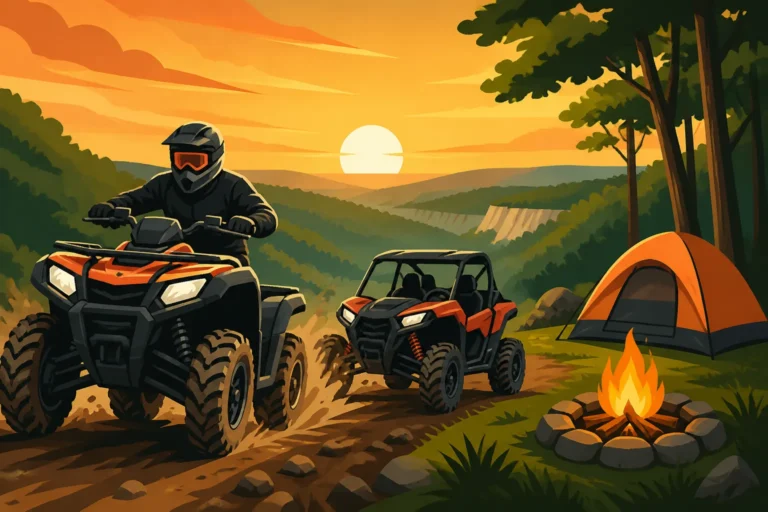
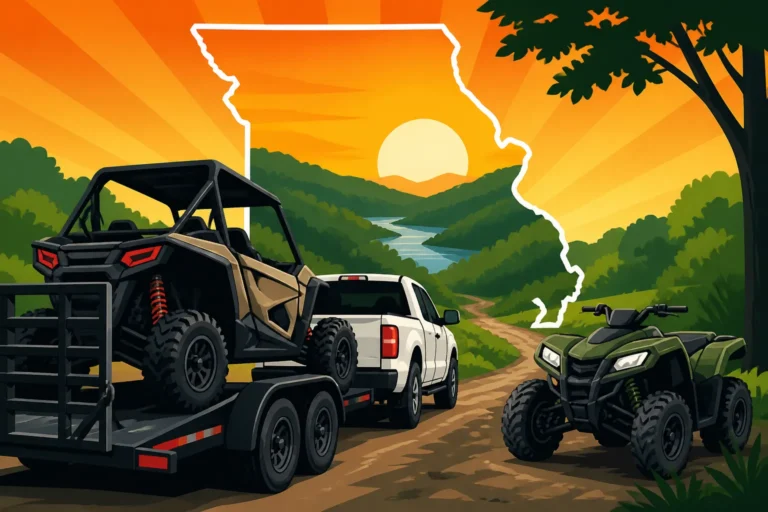
A weekend ride can get complicated when the ATV trailer, camping trailer, tow vehicle, and campsite all need to fit together. In Missouri, the best plan starts with choosing a park that supports both your riding plans and your camping setup. This guide covers where to start, what to confirm before booking, and how to make arrival and trail access less stressful.
Choose a Missouri park that fits your ride and camping setup
St. Joe State Park for a riding-focused weekend
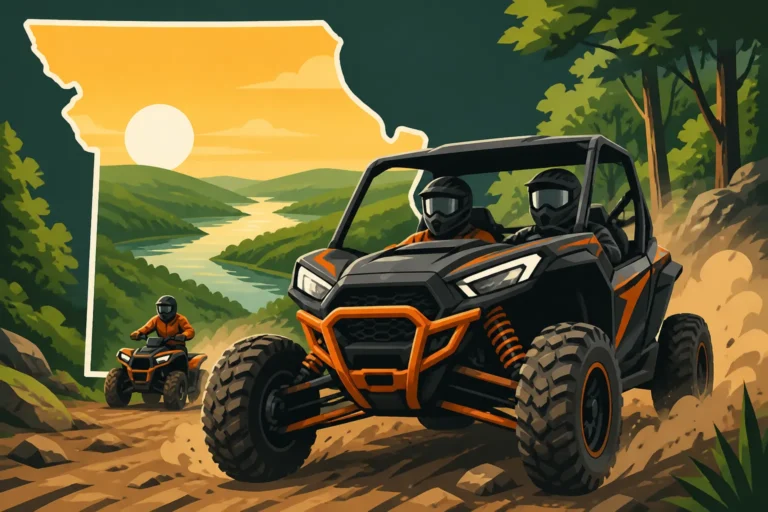
St. Joe State Park near Park Hills is a natural starting point for riders who want camping and off-road riding in the same general destination. Its off-road area attracts ATV and UTV riders, and the park has a campground. That convenience can reduce the need to haul machines between a distant campsite and a riding area, though you should confirm how the current campground layout and park rules fit your particular setup.
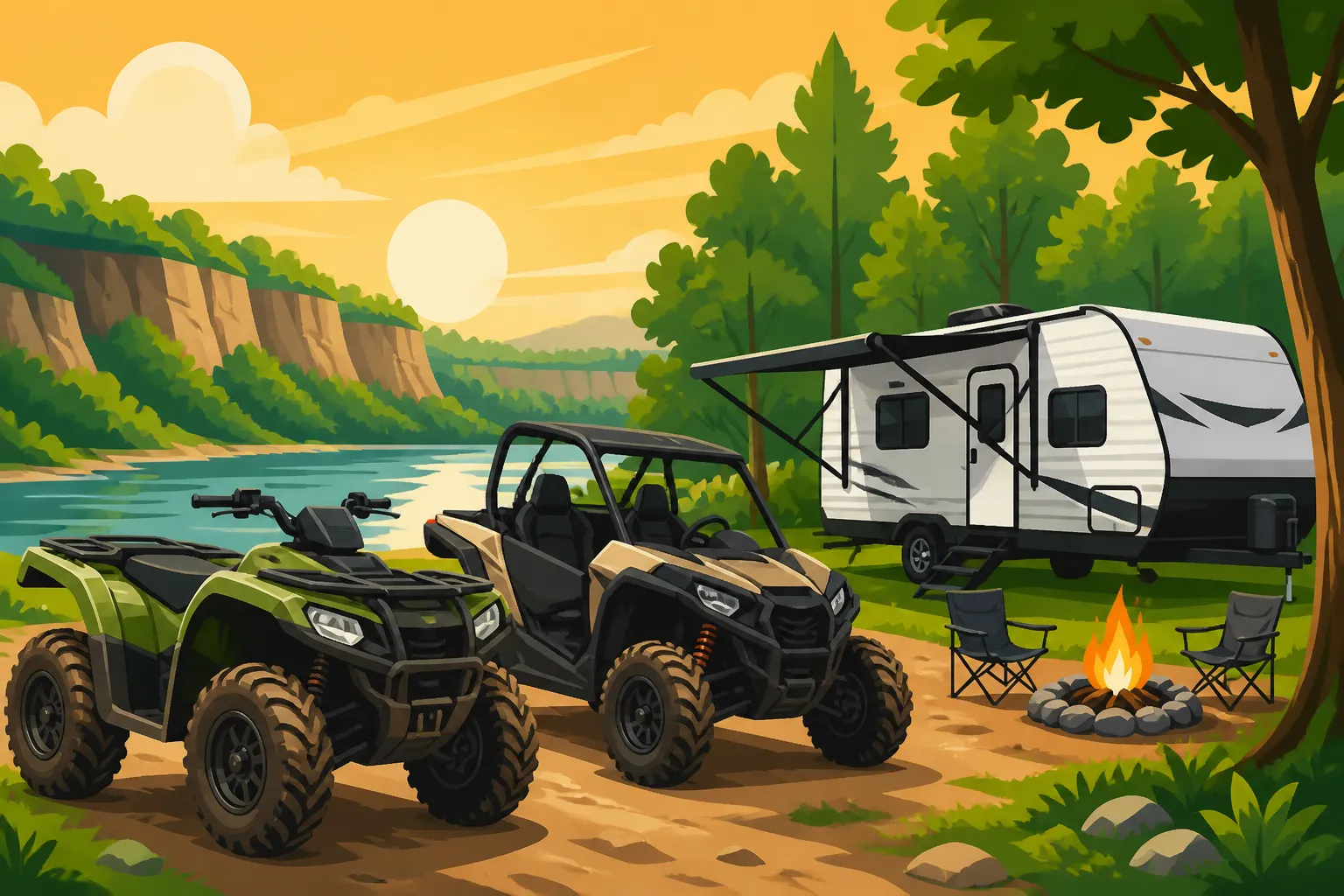
Think through the whole rig before making a reservation. A tow vehicle and a travel trailer can take up a different amount of space than a pickup and a small utility trailer. If you’re bringing both a camping trailer and an ATV trailer, check whether the site can accommodate the tow vehicle and both trailers, or whether you’ll need to unload and park one elsewhere. Don’t assume that a campsite’s listed capacity automatically includes every vehicle and trailer you plan to bring.
St. Joe is especially appealing if riding is the main event and camping is your base between trail sessions. You can prepare meals, dry riding gear, and take a break without packing up and moving to another town. For more planning details, see [Camping With an ORV Trailer at St. Joe] and [Missouri ORV Park Camping].
Finger Lakes State Park for a central Missouri outing
Finger Lakes State Park, outside Columbia, offers another option for combining camping and off-road riding. It can suit riders coming from central Missouri or planning a trip around the Columbia area. As with any park, verify that the riding area, campground, and your machine all suit your plans before you book. A campground reservation alone does not guarantee that a particular trail or riding area will be open when you arrive.
The practical fit matters as much as the location. Consider the length of your camping trailer, how much room you need to unload the machines, and whether everyone in your group is comfortable walking or driving between the campsite and riding access. If you’re traveling with children or newer riders, it can help to choose a site that makes it easier to manage helmets, boots, food, and equipment without repeatedly moving the tow vehicle.
Park facilities and site dimensions can vary, so check the park’s own reservation and visitor information before committing. For broader comparisons, [Missouri ORV Areas With Electric Sites] and [Missouri Trails With a Staging Lot] can help you think through amenities and unloading logistics.
Confirm site fit, permits, and access before you leave home
Measure the full rig, not just the camping trailer
A campsite that fits a travel trailer may not have enough room for the tow vehicle and a separate machine trailer. Before booking, write down the length of each vehicle and trailer, including the hitch area where relevant. Then ask the park whether the site can accommodate the complete combination and whether overflow parking is available for any vehicle that won’t fit.
It also helps to think about how you’ll use the site after parking. You may need space to lower a ramp, unload an ATV or UTV, organize helmets, or turn around safely. A tight site can become frustrating when the machine trailer is boxed in behind the camping trailer and the tow vehicle can’t move without a complicated reshuffle. If your setup is long or wide, ask about the site’s layout rather than relying only on a general description.
Bring a simple written checklist for the reservation call or online booking. Include your trailer lengths, number of vehicles, number of machines, and whether you need an electric hookup. The park can tell you which site details to verify, and you can compare those details against the measurements of your actual rig instead of guessing from a photograph.
Treat campground booking and riding access as separate checks
A camping reservation and permission to ride are separate parts of the plan. Before loading, check what permit applies to your destination and machine, how it is obtained, and what proof you need to carry. Missouri riding areas can have different permit systems, so don’t assume a state park camping reservation or a Missouri registration decal covers every trail-access requirement. [Missouri ORV Permits Explained] is a useful starting point for understanding the distinction.
Then check that the riding area is open and appropriate for your machine. Trail closures, weather-related conditions, width restrictions, and other park rules can affect the ride even when your campsite is ready. A group arriving with a wide side-by-side should pay particular attention to machine limits rather than assuming that every trail accommodates every vehicle.
A trail-planning app such as onX Offroad can help you organize routes and keep track of trail information while planning, but it shouldn’t replace the park’s own notices and rules. Check official park updates close to departure, especially after heavy rain or storms. For a practical pre-trip routine, review [Missouri Trail Conditions Before You Ride] and [Missouri Trail Closures to Check First].
| Before booking or departure | What to confirm |
|---|---|
| Campsite | Whether the site fits the tow vehicle, camping trailer, and machine trailer |
| Amenities | Which hookups and facilities are available at the selected site |
| Riding access | Which trails are open and whether your ATV or UTV is allowed |
| Permit | Which riding permit applies and how to obtain or display it |
| Park rules | Machine, flag, helmet, passenger, and trail-use requirements |
| Weather | Whether rain, flooding, or other conditions could affect access |
Pack and organize for a safer, easier weekend
Separate camping gear from riding gear
When everything is piled together, small items become surprisingly hard to find. Keep riding essentials in one clearly designated area: helmets, gloves, boots, eye protection, and any required safety equipment. Store camping supplies separately so you’re not digging through food bins to find a helmet strap just as the group is ready to leave the site.
Plan for wet and dirty equipment. Missouri trails can leave machines and riding clothes muddy, particularly after rain, so bring bags or bins that can contain damp gear. A spare ground mat or washable container can keep dirt out of the sleeping and cooking areas. Think about where muddy boots will go after the ride and how helmets can dry without being exposed to rain or crowded under a table.
Keep paperwork and small valuables in a secure, dry place. Make sure the person leading the trip knows where the permits, reservation details, and vehicle documents are kept. If everyone assumes someone else packed them, the group may discover the gap only after reaching the park entrance. A phone photo can serve as a backup reference, but keep any required original document or permit available as directed by the park.
Make a plan for children and mixed-experience groups
A weekend with different ages or riding abilities needs more coordination than a ride with experienced adults. Before leaving, agree on who supervises younger riders, where the group will meet if separated, and which routes are suitable for the least experienced person. Don’t make the first conversation about rules at the trail entrance, when people are eager to unload and start riding.
Park-specific rules for younger riders, supervision, helmets, and permitted riding areas matter. Read the requirements for your destination and machine before the trip, and check that every rider understands them. [Missouri Park Access for Riders Under 16] can help families identify questions to resolve before they go.
Set a realistic schedule that leaves room for breaks and campsite chores. A group may need extra time to unload, adjust helmets, review trail signs, and get everyone comfortable with the route. If a younger rider is tired or unsettled, returning to camp early is usually a better choice than trying to keep pace with the fastest adults.
Use a simple arrival and departure routine
Unload carefully and keep the campsite orderly
When you reach the campground, take a moment to assess the site before backing in. Look for the safest approach, check overhead clearance, and decide where the tow vehicle and machine trailer will sit. If someone is guiding the driver, agree on clear hand signals and keep bystanders away from the trailer’s path. Rushing because other campers are arriving can lead to avoidable damage or a difficult parking job.
Once parked, unload only where the park allows and keep equipment within your site or designated staging area. Don’t block campground roads, access lanes, or neighboring sites while sorting machines and gear. If you’re unsure where a machine may be driven, ask park staff rather than using a campsite road as a shortcut to a trail.
Before heading out, do a quick check of the machine, safety gear, permit, and route plan. Review posted instructions at the trailhead, including any flag or sound requirements that apply at that location. [Missouri Flag Rules at a State Park] is worth reviewing if you’re unsure how park rules differ from rules you may have encountered elsewhere.
Leave extra time for loading and changing conditions
The final morning often takes longer than expected. Machines may need to be cleaned enough for safe transport, gear has to be packed, and the camping trailer still needs to be secured for the road. Leave time for loading without blocking other campers or rushing through tie-down checks. Before pulling away, walk around the entire rig and confirm that ramps, storage doors, hitch connections, and straps are secured.
Weather can change the best plan. Heavy rain may affect trail conditions or access, and a route that looked straightforward on arrival may not be sensible after a storm. Check the latest park information before unloading each day; onX Offroad can help you keep your route planning organized, while official park notices remain the source to follow for closures and local restrictions.
Before leaving the campground, make sure your site is clear of trash and personal gear, and check that the trailer and machines are secured. A little extra time at departure makes the drive home calmer and reduces the chance of discovering a loose strap or forgotten piece of equipment miles down the road.
Disclaimer
This article is for general informational purposes only and does not constitute professional advice. Laws, prices and regulations vary by location and change over time. Consult a qualified professional for guidance on your specific situation.