Sharing a Float Stream Corridor
A Missouri float stream corridor plan explains how to ride ATVs near rivers, avoid trespass, and prevent accidents.
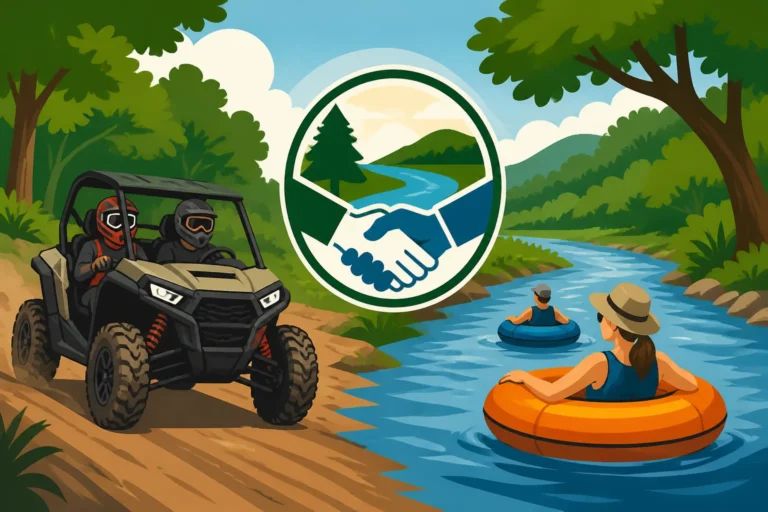
A Missouri float stream corridor plan explains how to ride ATVs near rivers, avoid trespass, and prevent accidents.
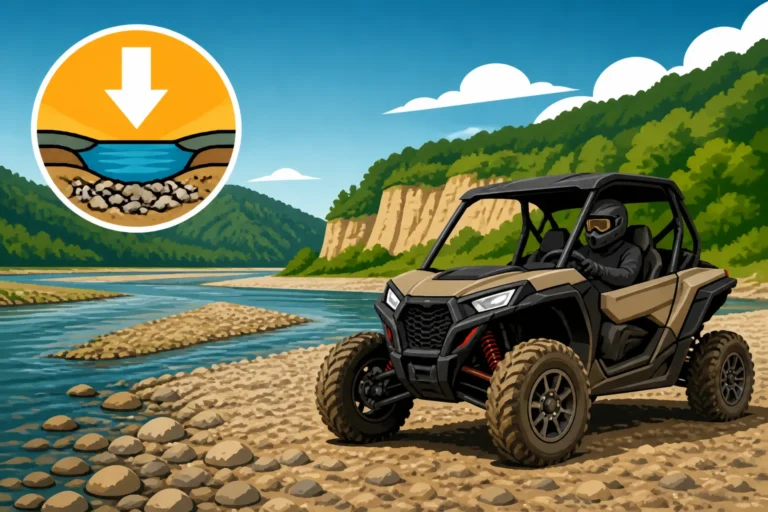
Crossing a river gravel bar requires checking water levels, unstable ground, and legal property boundaries before riding across.
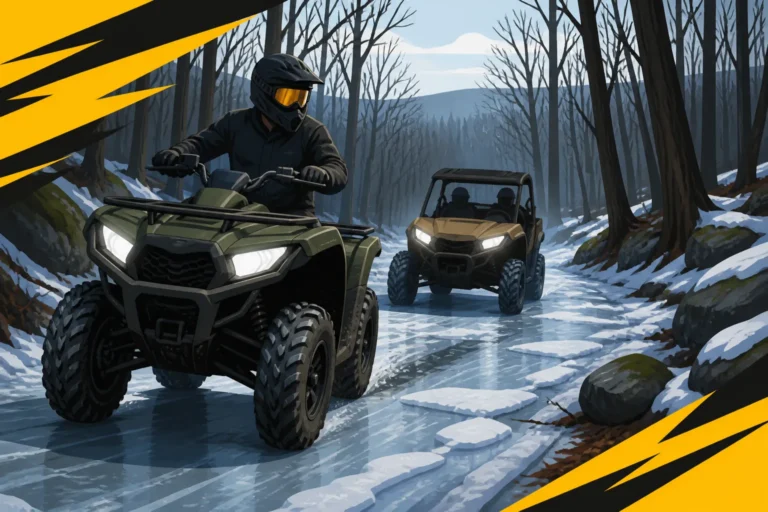
Cold-weather ATV riding on shaded Missouri Ozarks forest roads requires spotting hidden ice and checking route conditions.
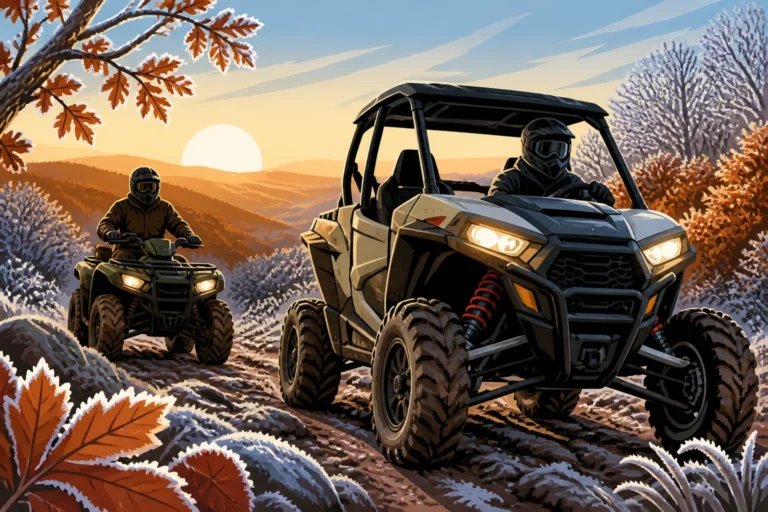
Ozark motorized trail riding after a first frost requires preparing for slick shaded ice, thawing mud, and changing seasonal access rules.

Copperheads near a Missouri ATV staging area require safe distances, gear checks, sturdy footwear, and alerts to park staff.
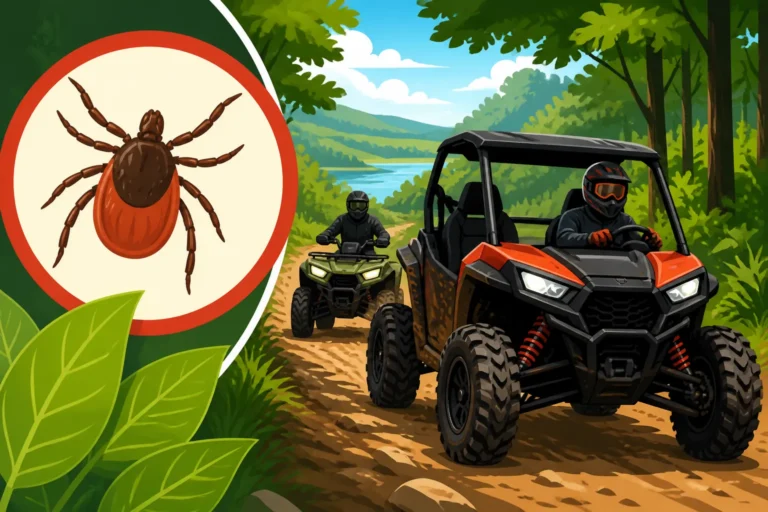
Ticks on Missouri summer trails require prevention, gear checks, safe removal methods, and medical care guidelines.
Missouri August humidity reduces sweat evaporation, making summer trail rides tiring and hazardous without careful planning.
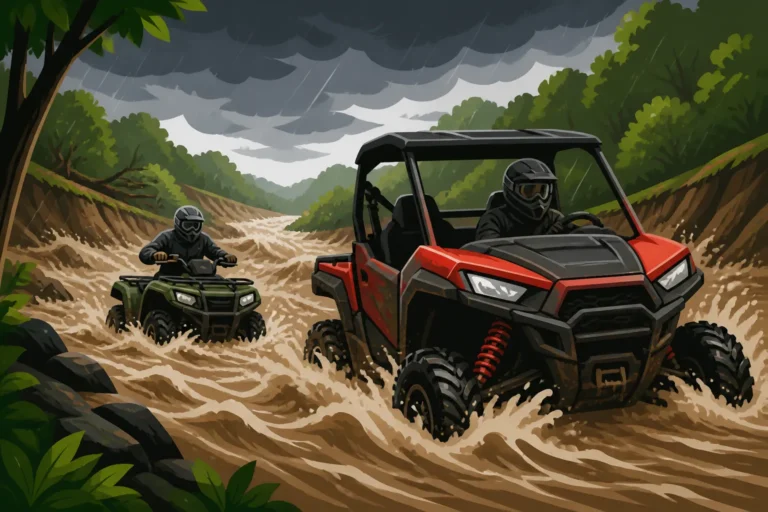
Missouri Ozarks flash flood risks and rising creek currents require recognizing upstream storms, judging water depth, and planning safe routes.
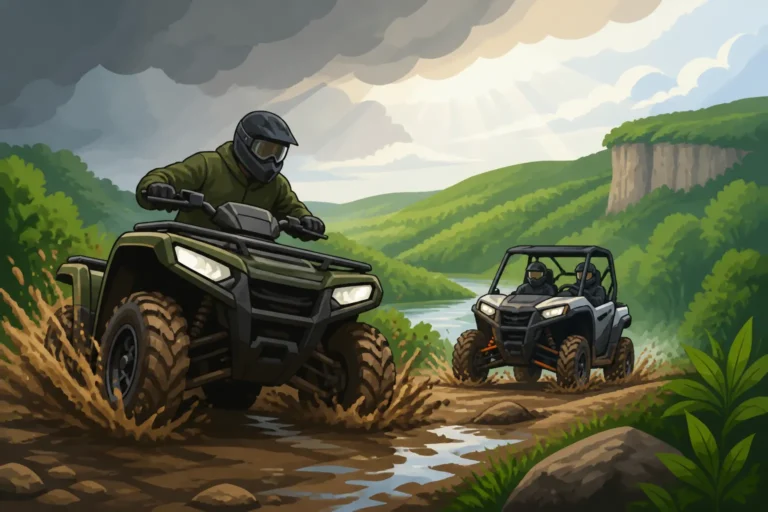
Ozark trail riding after heavy rain requires checking conditions, assessing deep creek crossings, and avoiding trail damage.
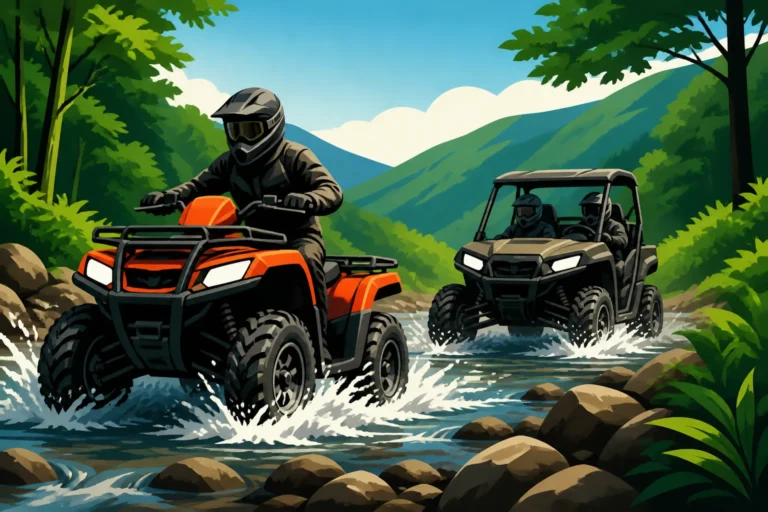
Creek crossings in the Ozarks require assessing water depth, checking currents, and protecting machines during rides.