50 Inches Wide or a Straddle Seat
It's easy to get tangled up in the jargon when you're trying to figure out the rules for your off-road machine in Missouri. Many folks assume all quads and side-by-sides are treated the same, but the state draws some pretty distinct lines that directly impact how you title and register your ride. This guide is here to untangle that confusion, focusing on Missouri's specific definition of an All-Terrain Vehicle (ATV) and why those measurements and seat styles really do matter.
The Heart of the Matter: Missouri's ATV Definition
When you're looking at your machine, or even considering buying one, the very first thing to understand is how Missouri's Department of Revenue classifies it. This isn't just bureaucratic red tape; it's the fundamental starting point for whether you'll be getting a decal, what kind of paperwork you'll need, and even where you might be able to ride. Forget what you think an "ATV" is based on common usage; Missouri has its own specific criteria.
The "50 Inches Wide" Rule
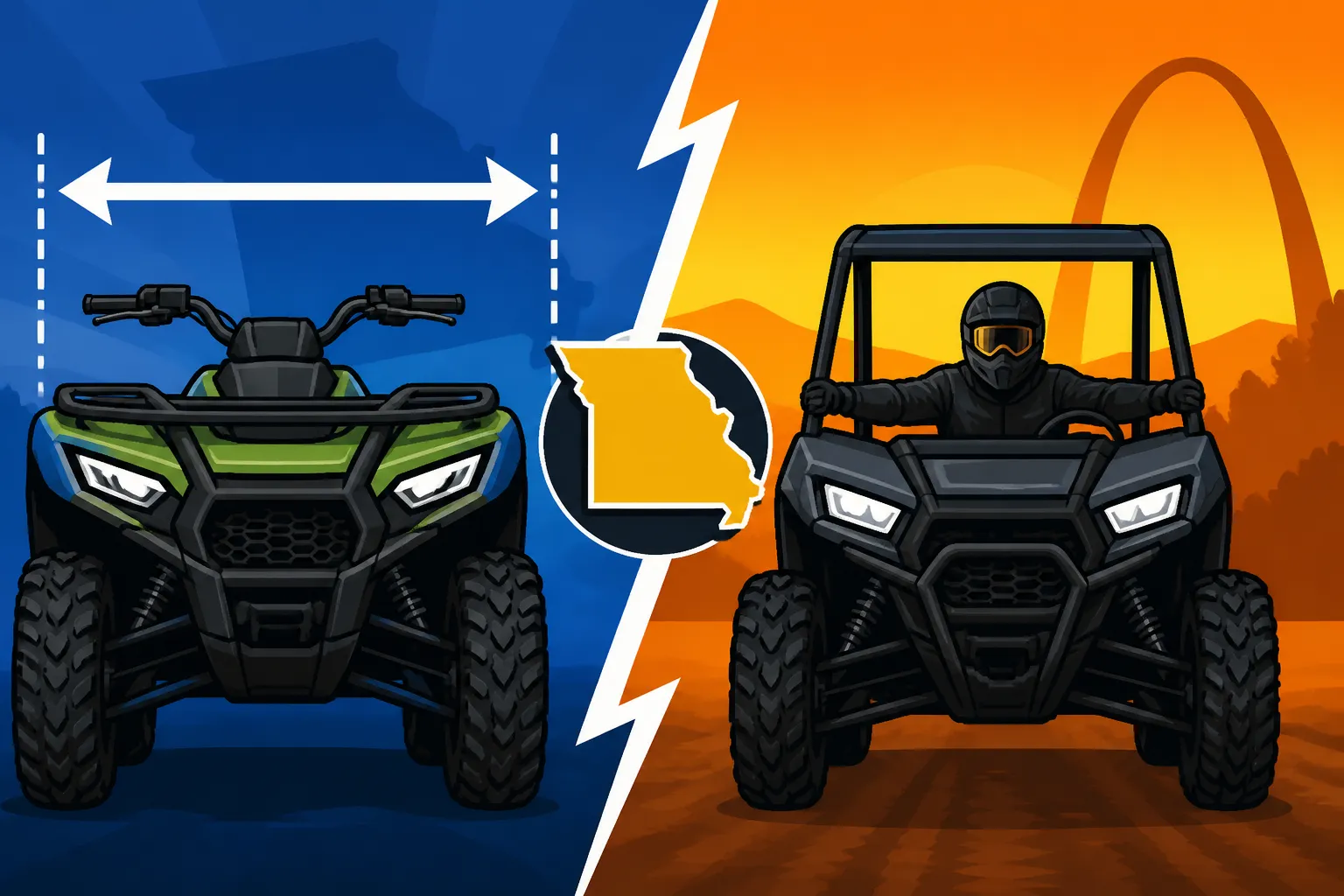
One of the most defining characteristics Missouri uses for an ATV is its width. If your machine is designed to travel on three or more wheels and has a width of 50 inches or less, that's a big indicator it's an ATV in the eyes of the state. This measurement is crucial because it immediately differentiates it from many popular side-by-sides, which often exceed this width. Imagine pulling out your tape measure and running it from the outside of one tire to the outside of the other. If that number comes in at 50 inches or under, you're likely holding an ATV. This rule helps the state categorize machines for safety regulations, trail access, and, of course, registration purposes. It's a clear, quantifiable benchmark that helps avoid ambiguity, especially when new models hit the market.
The "Straddle Seat" Requirement
Beyond width, the type of seat your machine has is another non-negotiable part of Missouri's ATV definition. An ATV, by state law, is designed to be ridden with the operator straddling the seat. Think of a motorcycle or a traditional quad – you sit on it with a leg on either side. This distinction is incredibly important because it immediately excludes vehicles where you sit in the machine, like you would in a car. These "sit-in" vehicles typically have bucket seats or bench seating and fall into other categories, which we'll discuss shortly. This straddle seat design implies a certain riding posture and control mechanism, usually handlebars, which further distinguishes ATVs from other off-road vehicles. It’s not just about comfort; it's about how the vehicle is operated and the skills required to handle it safely.
What Missouri Doesn't Consider for an ATV
It’s often as important to know what isn’t part of a definition as what is. For ATVs in Missouri, there are a couple of common characteristics that many people assume are part of the legal definition but actually aren't. This can be a source of confusion, so let's clear it up.
No Engine Size Requirement
You might hear people talk about "big bore quads" or "small displacement ATVs," but when Missouri defines an ATV for titling and registration, the engine's cubic centimeters (cc) or horsepower rating simply doesn't factor in. Whether you have a 90cc youth machine or a powerful 1000cc sport quad, if it meets the width and straddle seat criteria, it's an ATV. This means [Why Missouri Uses No Engine Size] is a common point of misunderstanding. The focus is on the physical dimensions and riding style, not the power plant. So, don't worry about measuring your engine size when you're filling out paperwork for your machine; it's irrelevant to the state's classification.
No Dry Weight Test
Similarly, Missouri does not use a dry weight limit to define an ATV. Some states might have classifications based on how heavy a machine is without fuel or fluids, but Missouri isn't one of them. The total weight of your ATV, whether it's a lightweight sport model or a heavier utility quad, does not determine if it's an ATV according to state statutes. This again simplifies the definition, keeping the focus on those easily verifiable physical attributes like width and seating. You won't find yourself needing to take your machine to a weigh station just to figure out its legal classification for titling. [The 1,500-Pound Dry Weight Test in Missouri] is a concept that doesn't apply to ATVs here.
Why This Definition Matters for Your Ride
Understanding Missouri’s specific ATV definition isn't just an academic exercise; it has real, tangible consequences for you as an owner. From how you get your machine street-legal (or not), to the kind of fees you pay, these distinctions are crucial. It impacts every step of ownership from the moment you purchase your off-road vehicle.
Titling Differences Between ATVs and Other ORVs
Every off-road vehicle in Missouri, regardless of whether it's an ATV, UTV, or ROV, needs a title. This is the state's way of establishing ownership. However, the exact process and the forms you use might differ slightly depending on the classification. For a true ATV, the titling process is straightforward and specifically designed for these types of vehicles. When you go to the license office, they'll be looking for your machine to fit that "50 inches wide or less and straddle seat" description. If it doesn't, they'll likely direct you to the forms and procedures for a different category. This is why [Titling an ATV in Missouri] is a specific topic, because the state has tailored its approach. Make sure you're using the correct application form based on your machine's characteristics to avoid delays.
Registration and Decal Requirements for ATVs
Here's where the definition truly comes into play for everyday use. Only machines that fit Missouri's definition of an ATV are eligible for a state-issued registration decal. This decal, which needs to be displayed prominently on your machine, signals that it's properly registered for off-road use in Missouri. [Missouri's Three-Year ATV Decal] is specific to these vehicles. UTVs and ROVs, which don't meet the ATV definition, do not get this decal. This means their legal use on certain public lands or roads can be vastly different. If you intend to ride your ATV on state-managed trails or parks that require registration, fitting the state's ATV definition is paramount. Without that decal, your riding options become much more limited, potentially exposing you to fines.
The Impact on Sales Tax and Fees
While sales tax applies to the purchase of most vehicles, including ATVs, UTVs, and ROVs, regardless of their classification, the specific fees for titling and registration do depend on whether your machine is considered an ATV. When you title an ATV, you'll pay a state title fee and, if you're registering it, a registration fee. [Missouri's $8.50 ATV Title Fee] and [Missouri's $10.25 Three-Year Registration] are examples of these specific costs. These fees are set for ATVs. For vehicles that don't fit the ATV definition, such as UTVs or ROVs, while they still require a title, they don't have the same registration fee structure because they don't receive the state's off-road decal. This means you won't pay the recurring registration fee for a side-by-side, which can be a significant difference over the years. Understanding your machine's classification can help you budget for the correct fees from the outset.
Beyond the ATV: Understanding Utility Vehicles (UTVs) and ROVs
Missouri's off-road landscape isn't just populated by ATVs. There's a whole other category of popular machines that, while often used for similar recreational purposes, are legally distinct. These are primarily Utility Vehicles (UTVs) and Recreational Off-Highway Vehicles (ROVs). Misunderstanding their classification can lead to confusion about permits, road use, and even what paperwork you need.
What is a Utility Vehicle (UTV) in Missouri?
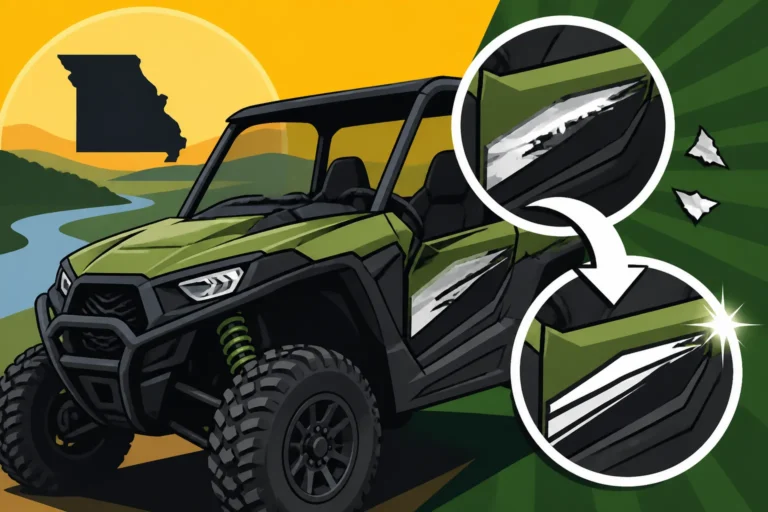
A Utility Vehicle, or UTV, generally refers to a multi-purpose off-highway vehicle that's wider than 50 inches, typically has side-by-side seating, a steering wheel, and is designed for utility purposes such as hauling, towing, or general work. Think of your classic "workhorse" side-by-side that farmers use, or the kind you might see maintaining golf courses. They often have cargo beds and are built for durability and functionality over pure speed or agility. Because they exceed the 50-inch width and have a "sit-in" seating arrangement with a steering wheel instead of handlebars, they do not meet Missouri's definition of an ATV. [Utility Vehicles Outside the Missouri System] are a common sight, but they operate under different legal frameworks for road use and don't get the same off-road decal.
What is a Recreational Off-Highway Vehicle (ROV)?
The term Recreational Off-Highway Vehicle (ROV) is often used interchangeably with UTV, especially for those machines designed primarily for recreation rather than pure utility. These are also wider than 50 inches, have side-by-side seating, a steering wheel, and often come with features like roll cages and seatbelts. They are built for trail riding, sport, and leisure. While functionally similar to UTVs, the ROV designation emphasizes their recreational intent. Like UTVs, ROVs do not fit Missouri's ATV definition due to their width and seating style. This means they are not eligible for an ATV decal. For an ROV owner, [What a Side-by-Side Owner Does Instead in Missouri] involves a different set of rules, especially regarding local road permits where applicable. The key takeaway is that both UTVs and ROVs are fundamentally different from ATVs in Missouri law.
Why UTVs and ROVs Aren't Registered Like ATVs
The primary reason UTVs and ROVs aren't registered with a decal like ATVs in Missouri boils down to those core definitions: width and seating. Since they typically exceed 50 inches in width and have side-by-side seating with a steering wheel, they simply don't fit the legislative criteria for an "all-terrain vehicle." This isn't a loophole or an oversight; it's a deliberate distinction in the law. While they absolutely require a title for ownership, they don't get the three-year off-road decal. This distinction influences everything from state park access rules to local ordinances regarding street use. [Why Missouri Does Not Register Side-by-Sides] is one of the most frequently asked questions, and the answer lies squarely in these statutory definitions. It's a key piece of information for any side-by-side owner in the state.
Practical Scenarios: Applying Missouri's Definitions
Now that we've covered the definitions, let's look at how these rules play out in real-life situations. Knowing the letter of the law is one thing, but applying it correctly when you're buying, selling, or riding is where the rubber meets the trail. This knowledge can save you headaches, fines, and wasted trips to the license office.
Buying a Used Machine: What to Check
When you're looking at a used off-road machine in Missouri, whether it's from a private seller or a small dealer, it's absolutely vital to confirm its classification before you commit. Don't just take the seller's word for it. Pull out that tape measure and check the width from the outermost edges of the tires. Does it have a straddle seat or side-by-side bucket seats? This will immediately tell you if it's considered an ATV, UTV, or ROV by Missouri standards. If the seller insists their wider, side-by-side machine is an "ATV" and has an old decal on it, be wary. That decal might be for a different machine, or they might be misinformed. Also, ensure the machine has a clear title, as this is required for all ORVs. [Buying a Used ATV Privately in Missouri] requires due diligence, and confirming the machine's classification is a critical first step. You might also want to look into [Missouri ATV Title Lookup] to verify the VIN.
Riding Legally: How the Definition Affects Where You Can Go
The definition of your machine profoundly impacts where you can legally ride in Missouri. If you have a legitimate ATV with a current three-year decal, you generally have access to designated ATV trails in state parks and national forests that permit such vehicles. This decal is your pass for those specific off-road areas. However, if you have a UTV or ROV, even though it's titled, it won't have an ATV decal. This means your access to certain areas might be restricted, or you might need different types of permits, like those issued by local municipalities for limited road use. For instance, [Missouri State Park ORV Permit Prices] often differ between ATVs and UTVs. Never assume your side-by-side can go everywhere an ATV can; always check the specific rules for the trail or park you plan to visit. Understanding this can prevent a frustrating and potentially costly trip to a trail you can't even access.
What if My Machine Falls Between Categories?
It's rare, but sometimes a unique or highly modified machine might seem to blur the lines between categories. Perhaps an older, narrower side-by-side that still technically exceeds 50 inches, or a custom build. In these ambiguous cases, it's always best to consult directly with a Missouri Department of Revenue agent at a local license office. They are the ultimate authority on classification for titling and registration. Don't rely on internet forums or anecdotal advice from friends. Bring any available documentation, measurements, and even photos of your machine. The goal is to ensure your machine is correctly identified, titled, and if applicable, registered, according to current Missouri statutes. This proactive approach will help you avoid any future legal issues or complications with your off-road vehicle.
Navigating the Paperwork: Titling Your Off-Road Machine
Even if your machine isn't an "ATV" in Missouri's eyes, it still needs to be titled. The titling process is how the state records ownership and is a fundamental step for any off-road vehicle. Getting this right from the start is crucial, whether you're buying new or used, and it's where many people stumble.
Essential Documents for Titling Any ORV
Whether you're titling an ATV, UTV, or ROV, you'll generally need a few key documents. If you're buying new, the dealer will provide a Manufacturer's Statement of Origin (MSO) or Certificate of Origin (COO). For a used machine, you'll need the previous owner's properly assigned title. This means they've signed it over to you in the designated spots. You'll also need a completed title application form (Form 108). Don't forget your proof of identification and funds for the fees and sales tax. Gathering all these documents before your visit to the license office can save you a lot of time and frustration. A missing signature or an incorrect form can mean a wasted trip and further delays. For a new machine, [A Certificate of Origin for a New Missouri Machine] is indispensable.
Addressing Liens and Bills of Sale
If you financed your machine, the lender will likely place a lien on the title. When you pay off the loan, you'll need to obtain a notarized lien release from the lender. This document is essential to clear the lien from the state's records and receive a clean title. For private sales, a bill of sale is highly recommended, even if not strictly required in all circumstances. A well-drafted bill of sale, especially for a used machine, protects both the buyer and the seller. It clearly states the purchase price, identifies the machine by VIN, and confirms the date of sale. Services like LawDepot can be incredibly helpful for generating a professional, legally sound bill of sale that includes all the necessary details, protecting both parties in a private transaction. This can prevent misunderstandings down the road, especially regarding the purchase price for sales tax calculations. Remember, [Missouri's Notarized Lien Release Explained] is a crucial step after paying off any loan.
Where to Go for Titling and What to Expect
The only place to title your off-road machine in Missouri is at a local license office, often referred to as a "DMV" or "fee office." These offices are operated by independent contractors but work under the purview of the Missouri Department of Revenue. When you visit, be prepared for a few things:
- Bring all your documents: Double-check that you have your title application, previous title or MSO, proof of ID, and any other supporting paperwork like a bill of sale.
- Be ready to pay fees and sales tax: You'll pay the title fee, the processing fee, and any applicable state and local sales tax on the purchase price. For an ATV, you'll also pay the registration fee if you're registering it.
- Expect questions: The agent will review your documents and may ask questions to ensure correct classification and compliance.
- Know your machine's specifics: Be ready to confirm the VIN, make, model, and year of your machine.
It's a good idea to visit during off-peak hours if possible to avoid long waits. Remember, the staff at the license office are there to guide you through the process, but coming prepared makes their job, and your experience, much smoother. You can achieve [Titling and Registering a Quad in One Visit] if you have all your ducks in a row.
Comparison of Off-Road Vehicle Types in Missouri
To help clarify the distinctions we've discussed, here's a quick comparison of how Missouri generally treats ATVs, UTVs, and ROVs regarding their key characteristics and titling/registration requirements.
| Feature | All-Terrain Vehicle (ATV) | Utility Vehicle (UTV) / Recreational Off-Highway Vehicle (ROV) |
|---|---|---|
| Width | 50 inches or less | Generally greater than 50 inches |
| Seating | Straddle seat (rider sits on machine with legs on sides) | Side-by-side (bucket or bench seats, rider sits in machine) |
| Steering | Handlebars | Steering wheel |
| Primary Purpose | Recreation, sport, some utility | Utility, work, recreation (for ROVs, recreation is primary) |
| State Registration | Required; issued a 3-year decal | Not registered with a state off-road decal |
| State Title | Required | Required |
| Local Road Use | Generally restricted; few exceptions, limited local permits | May be allowed on certain roads with local permits/ordinances; specific rules apply (e.g., 3-mile rule for ROVs) |
| Example | Quad, 3-wheeler (modern, compliant with current definitions) | Side-by-side, SxS, Ranger, RZR, Pioneer, Can-Am Defender/Maverick |
This table provides a concise overview, but remember that specific rules, especially concerning road use, can vary by local municipality for UTVs/ROVs. Always check local ordinances.
The Financial Realities: Costs and Ongoing Ownership
Understanding the definitions and paperwork is one part of owning an off-road machine in Missouri; managing the associated costs is another. Beyond the purchase price, there are several fees and potential expenses you'll encounter during the titling process and throughout your ownership. Being prepared for these financial realities is key to enjoying your machine without unexpected budget shocks.
Titling and Registration Fees You'll Pay
When you title an ATV in Missouri, you'll be responsible for several state-mandated fees. There's the flat title fee, which covers the state's cost to process and issue your certificate of title. Then, if your machine is an ATV and you choose to register it for off-road use, you'll pay a registration fee for the three-year decal. This is [Missouri's $10.25 Three-Year Registration] for ATVs, which is incredibly reasonable compared to many other states. Don't forget the processing fee that the license office charges for handling the transaction. While these individual fees might seem small, they add up. It's important to budget for the total amount due when you first visit the license office. Knowing these specific amounts upfront helps you avoid any surprises at the counter.
Missouri Sales Tax: Not Just the Sticker Price
Perhaps the largest financial component beyond the machine's price itself is sales tax. In Missouri, you pay state sales tax on the purchase price of your ATV, UTV, or ROV when you title it. This isn't paid at the dealership in most cases for off-road vehicles; it's paid directly to the Department of Revenue at the license office. The state rate is combined with any applicable local sales taxes (county, city, district) based on where you live, not where you bought the machine. For instance, [Missouri ATV Sales Tax at Titling] means you calculate based on the total purchase price. If you trade in an old machine, that trade-in value is usually deducted from the new machine's price before sales tax is calculated, potentially saving you a chunk of change. This is a significant cost, so make sure you've factored it into your budget. For private sales, especially under a certain value, you might encounter [Missouri ATV Sales Tax Under $3,000], which has specific rules.
Ongoing Costs and What to Expect
Beyond the initial titling and registration fees, owning an off-road machine comes with ongoing costs. If you have an ATV, you'll need to renew your decal every three years, which incurs a renewal fee. [Missouri ATV Decal Renewal Cost] is generally lower than the initial registration fee. For UTVs and ROVs, while there's no state decal to renew, you might incur costs for local road use permits if you plan to operate on municipal streets where permitted. Then there are maintenance costs: oil changes, air filter replacements, tire wear, and occasional repairs are all part of the deal, especially with the rugged terrain of the Ozarks. Fuel, insurance (even if not state-mandated, it's highly recommended), and potential upgrades or accessories also contribute to the total cost of ownership. Building a realistic budget for [The Yearly Cost of Riding in Missouri] will ensure you can enjoy your machine without financial strain.
Disclaimer
This article is for general informational purposes only and does not constitute professional advice. Laws, prices and regulations vary by location and change over time. Consult a qualified professional for guidance on your specific situation.