A Certificate of Origin for a New Missouri Machine
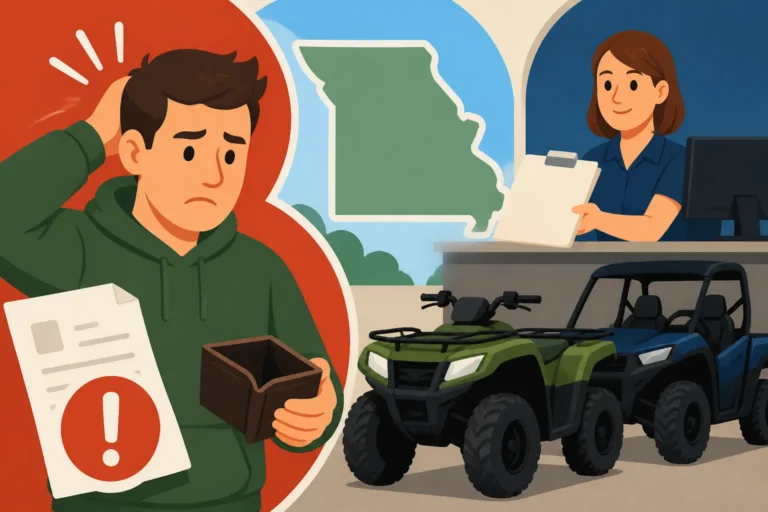
Buying a brand-new all-terrain vehicle in Missouri can be an exciting time, but the joy of a shiny new machine can quickly turn to frustration when you realize there's a crucial piece of paper you absolutely need for official ownership: the Manufacturer's Certificate of Origin, often called an MCO or MSO. Many new owners don't realize just how vital this single document is until they're trying to get their ATV titled and find themselves stuck. This guide will walk you through everything you need to know about the Certificate of Origin for your new Missouri machine, explaining why it's so important and how to handle it properly.
Understanding the Manufacturer's Certificate of Origin
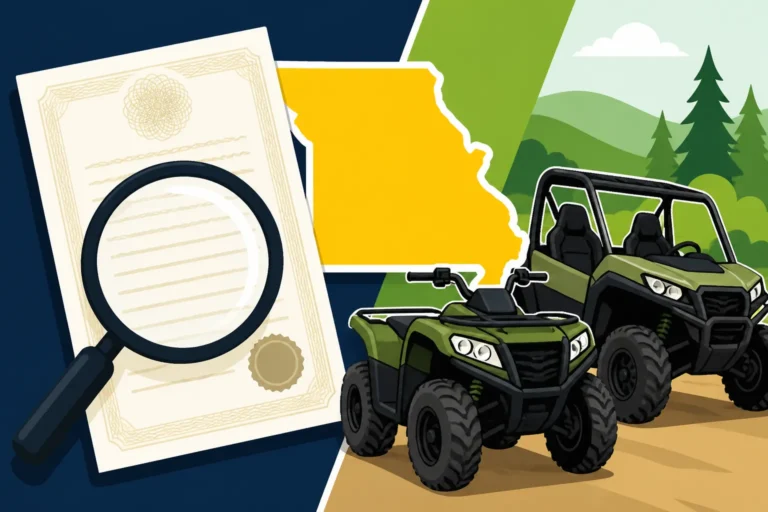
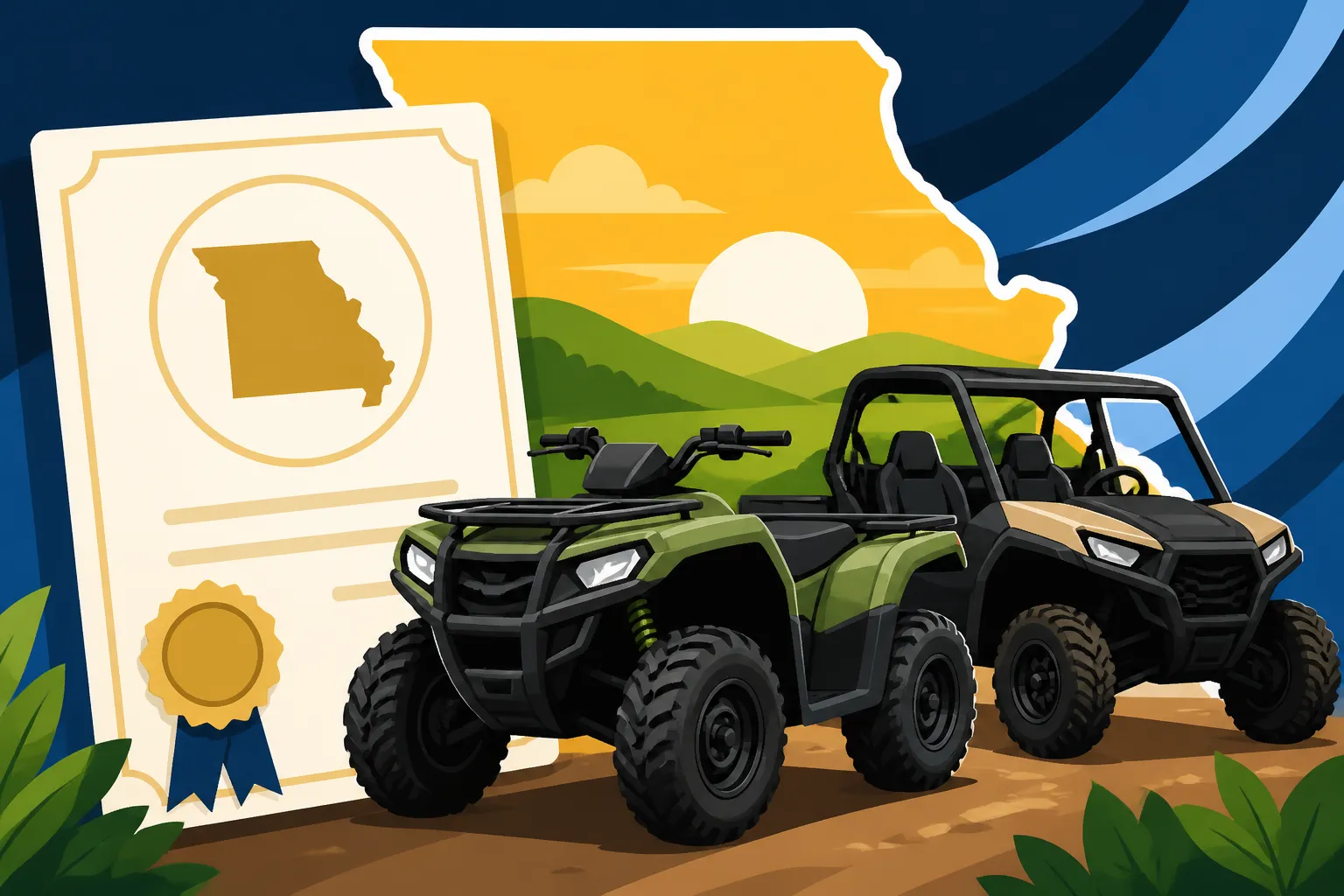
When you purchase a brand-new ATV, it doesn't come with a traditional "title" in the way a used vehicle does. Instead, it comes with a Manufacturer's Certificate of Origin (MCO), sometimes referred to as a Manufacturer's Statement of Origin (MSO). Think of this as the birth certificate for your machine. It's the very first official document that proves the ATV was manufactured and hasn't yet been titled in any state. Without it, Missouri has no way of verifying your ATV's identity or its journey from the factory to your garage.
What an MCO/MSO Represents
The MCO is essentially a legal document issued by the manufacturer of your ATV. It attests that the machine is new, has never been titled or registered to an owner, and is ready for its first official transfer of ownership to you, the consumer. This document is a critical link in the chain of ownership, verifying the ATV's unique identity before it ever becomes part of a state's titling system. It's the foundational record that gets your ATV recognized by the Missouri Department of Revenue and eventually allows you to get a Missouri title. It’s not just a fancy piece of paper; it’s the legal backbone of your new purchase.
For many new ATV owners, the MCO might seem like just another piece of paperwork bundled with the owner's manual and warranty information. However, it holds far more legal weight than most realize. It details the vehicle identification number (VIN), make, model, year, engine size, and other specifics, essentially certifying that the machine is legitimate and ready for its first title. Dealers are legally obligated to provide this to you, and it's something you should specifically ask for and safeguard as soon as you complete your purchase.
Key Information Found on an MCO
A typical MCO is a standardized form, though the exact layout might vary slightly from manufacturer to manufacturer. However, all MCOs will contain several critical pieces of information. Firstly, and perhaps most importantly, is the Vehicle Identification Number (VIN). This unique 17-character code identifies your specific ATV and distinguishes it from every other machine ever made. You'll also find the make and model of the ATV, its year of manufacture, and often details about the engine size or displacement.
Beyond the machine's identifying features, the MCO will also list the manufacturer's name and sometimes the factory location. Crucially, it will have sections for the dealer's information, including their name and address, and a place for the dealer to assign the MCO to you, the purchaser. This assignment section typically requires the dealer's signature and the date of sale. It acts as the initial transfer of ownership from the manufacturer, through the dealer, to you. Always double-check that all these fields are correctly filled out and legible before you leave the dealership, as any errors can cause significant delays when you try to apply for your title.
Why the MCO is Essential for Missouri ATV Titling
When you buy a new ATV in Missouri, the MCO isn't just a formality; it's a non-negotiable requirement for obtaining your official title. The state relies heavily on this document to ensure that the ATV is indeed new, that it hasn't been previously titled, and that you are its rightful first owner. Without this document, the Missouri Department of Revenue has no way to accurately trace the vehicle's origin and establish proper legal ownership. This can be a major headache for unsuspecting buyers who might not realize the MCO's importance until they visit their local license office.
The State's Reliance on the MCO
Missouri, like most states, has a strict process for titling vehicles to prevent fraud, theft, and ensure accurate record-keeping. For new ATVs, the MCO serves as the authoritative proof of the machine's existence and its initial sale. It provides all the necessary data points – the VIN, manufacturer details, and the chain of sale from the factory to the dealership to you – that the state needs to issue a new title in your name. This first title establishes the legal owner of record, which is crucial for everything from taxation to proving ownership if the machine is ever stolen.
When you present your MCO at a Missouri license office, the staff will carefully review it, comparing the information with other submitted documents, like your bill of sale and identification. They're looking for consistency and accuracy. The MCO essentially kicks off the official state record for your ATV. It’s how the state first recognizes your quad as a legitimate machine that now belongs to you. Think of it as the foundation upon which your Missouri title and subsequent [Missouri's Three-Year ATV Decal] are built.
Consequences of Not Having a Proper MCO
Imagine the excitement of bringing your new ATV home, only to hit a brick wall when you try to get it titled. This is the frustrating reality for many who arrive at the license office without a valid MCO. Without this document, the Missouri Department of Revenue simply cannot process your title application. They have no verified proof of the ATV's origin or your legal right to claim first ownership. This means you won't get your title, and consequently, you won't be able to get your registration decal, legally limiting where and how you can ride your new machine.
The consequences can range from minor delays to significant financial headaches. You might have to make multiple trips to the dealership, or even worse, struggle to get a replacement MCO if the original was lost or incorrectly processed. You could incur late fees if you miss Missouri's [Missouri's Thirty-Day Titling Deadline] because you're waiting on paperwork. In extreme cases, if you bought from a less-than-reputable dealer who can't or won't provide a valid MCO, you could find yourself with a machine you technically don't own in the eyes of the state, making it impossible to legally sell, insure, or even fully use it on designated trails or public lands that require registration. This is why verifying you have the MCO, complete and correct, before leaving the dealership is paramount.
Handling a Lost or Damaged Certificate of Origin
Life happens. Maybe the MCO got misplaced during a move, accidentally torn, or never properly handed over by the dealer in the first place. Whatever the reason, discovering your MCO is lost or damaged can induce a cold sweat, especially knowing how critical it is for titling your new Missouri ATV. Don't panic, but do understand that resolving this can take some time and effort. The good news is there's usually a process to rectify the situation, though it might test your patience.
Contacting the Dealer or Manufacturer for a Replacement
Your very first step if you have a lost or damaged MCO should be to contact the dealership where you purchased the ATV. They are your primary point of contact and should have records of the MCO for your specific VIN. Often, they can apply for a duplicate MCO directly from the manufacturer on your behalf. Be prepared to provide them with your bill of sale, identification, and any other purchase details they might require to verify your ownership. It's a good idea to bring all your original purchase paperwork with you when you visit or call them.
If the dealership is no longer in business, or if you encounter difficulties, your next step would be to contact the manufacturer of your ATV directly. You'll need your VIN and proof of purchase. Be aware that manufacturers typically charge a fee for duplicate MCOs, and the processing time can vary significantly. This is one of those situations where having copies of all your original sales documents, including the bill of sale, is invaluable. Should you face resistance or uncooperativeness, formally documenting your attempts to secure the MCO can be helpful. Services like LawDepot can provide templates for formal letters or notices, should you need to escalate your request with a dealership or manufacturer to ensure you have a paper trail.
Alternative Documentation When an MCO Is Unavailable
While an MCO is the gold standard for titling a new ATV, there are exceedingly rare circumstances where the Department of Revenue might accept alternative documentation if a true MCO simply cannot be obtained. This is generally reserved for situations like machines imported from another country where MCOs aren't standard, or older "new stock" machines where the original MCO was irrevocably lost decades ago and the manufacturer no longer exists. However, for a recently purchased new ATV, these exceptions are almost never applicable.
In most cases, if you cannot produce an MCO for a new machine, you will likely face significant hurdles. The state might require a surety bond to protect against potential claims of prior ownership, a detailed explanation of why the MCO is unavailable, and potentially a rigorous inspection of the vehicle. You might also need to supply a comprehensive bill of sale, sworn affidavits, or other legal documents to establish the chain of ownership. This process is complex, time-consuming, and almost always more difficult than simply obtaining a duplicate MCO. It underscores why protecting that original MCO is so critical from the moment you drive your new ATV home.
Your Trip to the Missouri License Office with the MCO
Once you have your MCO safely in hand, along with all your other required documents, you're ready for the final step: a visit to your local Missouri license office. This is where the magic happens, transforming your stack of papers into an official Missouri title and your [Missouri's Three-Year ATV Decal]. Knowing what to expect and what to bring can make this process smooth and efficient, preventing unnecessary delays and repeat visits.
What to Bring with Your MCO for Titling
Preparing for your trip to the license office is key to a smooth process. You'll need more than just the MCO. Here's a checklist of what you should typically bring for [Missouri ATV Title Paperwork]:
- The Original MCO/MSO: This is the primary document that started this whole discussion. Ensure it is signed over to you by the dealer.
- Proof of Purchase: Your bill of sale from the dealership is essential. This document verifies the purchase price, which is needed to calculate sales tax. Make sure it details the ATV's VIN.
- Identification: A valid Missouri driver's license or state-issued ID is required.
- Proof of Missouri Residence: If your ID doesn't confirm your address, you might need a utility bill or other proof.
- Payment for Fees and Taxes: You'll need to pay the title fee, the [Missouri ATV Sales Tax at Titling], and potentially a processing fee. Remember that sales tax is calculated based on your purchase price, so have your bill of sale ready.
- Application for Missouri Title and License: While you can often fill this out at the license office, it can save time to complete it beforehand.
Having these documents organized and readily accessible will significantly speed up your visit. If you're also registering the ATV at the same time, you'll pay for the decal fee too. [Titling and Registering a Quad in One Visit] is usually the most efficient approach.
Common Issues and How to Resolve Them
Even with all your documents in order, you might encounter a few common hiccups at the license office. One frequent issue is an MCO that isn't fully or correctly filled out by the dealer. This could be a missing signature, an incorrect date, or a transposed VIN. If this happens, the license agent will likely send you back to the dealership to have it corrected. This is why inspecting the MCO before you leave the dealer is so important.
Another issue can arise if there's a discrepancy between the MCO and the bill of sale, such as different VINs or purchase dates. Again, the agent will flag this, and you'll need to get the errors reconciled, usually by the dealership. Sometimes, questions about the sales tax calculation can come up, especially if you had a trade-in. Be prepared to explain how your [Missouri Trade-In Tax Credit] was applied. If you’ve secured your MCO and navigated the titling process, you're well on your way to enjoying your new machine on Missouri trails and ensuring you're compliant with state regulations. For future transactions, like [Selling an ATV in Missouri], you'll then use your state-issued title, and having solid documentation for any sale, perhaps even a legally sound bill of sale generated from a resource like LawDepot, will be just as crucial.
Dealer Responsibilities and Buyer Due Diligence
When purchasing a new ATV, the relationship between you and the dealership is critical. They play a significant role in ensuring you receive all the necessary documentation, especially the MCO. However, as the buyer, you also have a responsibility to exercise due diligence to protect yourself and ensure a smooth titling process. Understanding these roles can prevent many future headaches.
What a Dealer Must Provide
Reputable dealerships in Missouri understand their obligations when selling a new ATV. Their primary responsibility is to provide you with a properly executed Manufacturer's Certificate of Origin (MCO) at the time of sale or very shortly thereafter. This MCO must be assigned to you, the purchaser, with the correct date and the dealer's authorized signature. Without this, they haven't fulfilled a fundamental part of the sales transaction that enables you to legally title and own the machine. They should also provide you with a comprehensive bill of sale detailing the purchase price, sales tax collected (if any), and a clear description of the ATV, including its VIN.
Beyond these crucial documents, dealers are also responsible for explaining the titling and registration process, including informing you of the need for the MCO and the state's titling deadline. While they aren't the Missouri Department of Revenue, they are typically familiar with the requirements and can offer guidance. If a dealer tries to tell you an MCO isn't necessary, or provides one that seems incomplete or suspicious, that should be a major red flag. Always insist on a proper MCO and don't take possession of the ATV without a clear understanding of when and how you will receive this vital document.
Protecting Yourself as a Buyer
As a buyer, your due diligence starts from the moment you consider purchasing a new ATV. First and foremost, verify the reputation of the dealership. Ask questions about the titling process and specifically inquire about the MCO. Before you finalize the purchase and hand over any money, ensure you have a clear understanding of when and how you will receive the original MCO. Some dealers might mail it, while others will hand it to you directly; either way, get a firm commitment.
When you receive the MCO, inspect it carefully. Check that the VIN matches the VIN on your ATV and on the bill of sale. Ensure your name is spelled correctly and that the dealer has properly signed and dated the assignment section. Any discrepancies or errors should be brought to the dealer's attention immediately and corrected before you leave. Once you have the MCO, treat it like cash or your social security card. Keep it in a safe, secure place, preferably a fireproof safe or safety deposit box, until you are ready to take it to the license office. Losing this document can lead to significant hassle, so safeguard it diligently.
New Machine Versus Used Machine Documentation
The requirements for titling an ATV in Missouri differ significantly depending on whether you're purchasing a brand-new machine or a used one. Understanding these differences is crucial, especially regarding the Manufacturer's Certificate of Origin. While the MCO is paramount for a new ATV, it plays a very different role—or no role at all—when you're buying a pre-owned machine.
Why an MCO is Only for the First Title
The very definition of an MCO (Manufacturer's Certificate of Origin) means it's designed to document the initial entry of a vehicle into commerce. It's the "birth certificate" for your ATV, used only for the very first time the machine is titled in any state. Once an ATV has been titled in Missouri or any other state, that state then issues its own title document. This state-issued title then becomes the primary proof of ownership for all subsequent transfers.
Therefore, if you're buying a used ATV, you should never expect to receive an MCO. Instead, you'll receive the existing state-issued title from the previous owner. This title will need to be properly signed over to you by the seller. Trying to use an MCO for a used machine would be incorrect and would likely be rejected by the Missouri Department of Revenue, as it would indicate the machine has never been titled, which is inconsistent with its "used" status. This distinction is vital for buyers of both new and used machines to prevent confusion and ensure they are seeking the correct documentation.
Documentation for a Used ATV in Missouri
When you purchase a used ATV in Missouri, your primary document for titling will be the previous owner's existing Missouri title. This title must be clear, legible, and properly signed over to you by the seller in the designated assignment section. Make sure all names are correct and that the odometer reading (if applicable to ATVs, though less common than cars) is accurately noted. You will also need a bill of sale, especially if purchasing from a private seller. A [A Missouri Bill of Sale for an ATV] provides proof of purchase price, which is essential for calculating sales tax, and details the transaction.
Beyond the signed-over title and bill of sale, you'll still need your valid identification, proof of Missouri residence, and payment for fees and sales tax, similar to titling a new machine. However, the absence of an MCO is the key difference. The state-issued title now serves as the authoritative document for verifying the machine's identity and its transfer of ownership. If you're buying a used ATV that was never properly titled in Missouri, or if the seller has lost the title, you'll face a much more complex process involving potentially applying for a lost title or following procedures for abandoned or untitled vehicles, which can be quite arduous. This is why confirming a clear, signed title is available is a crucial step when [Buying a Used ATV Privately in Missouri].
| Document Type | For New ATV Purchase | For Used ATV Purchase | Purpose |
|---|---|---|---|
| MCO/MSO | Required (Original) | Not applicable (unless never titled before) | Establishes first legal ownership, provides manufacturer details and VIN. |
| State-Issued Title | Not applicable (will be issued) | Required (Signed over by seller) | Transfers existing legal ownership from previous owner to new owner. |
| Bill of Sale | Required | Required | Proof of purchase, sales price for tax calculation. |
| Photo ID | Required | Required | Verifies identity of the purchaser. |
| Proof of Residence | Required | Required | Confirms Missouri residency for titling. |
| Payment for Fees | Required (Title, Sales Tax, Decal) | Required (Title, Sales Tax, Decal) | Covers state costs for processing title, sales tax, and registration decal. |
Disclaimer
This article is for general informational purposes only and does not constitute professional advice. Laws, prices and regulations vary by location and change over time. Consult a qualified professional for guidance on your specific situation.