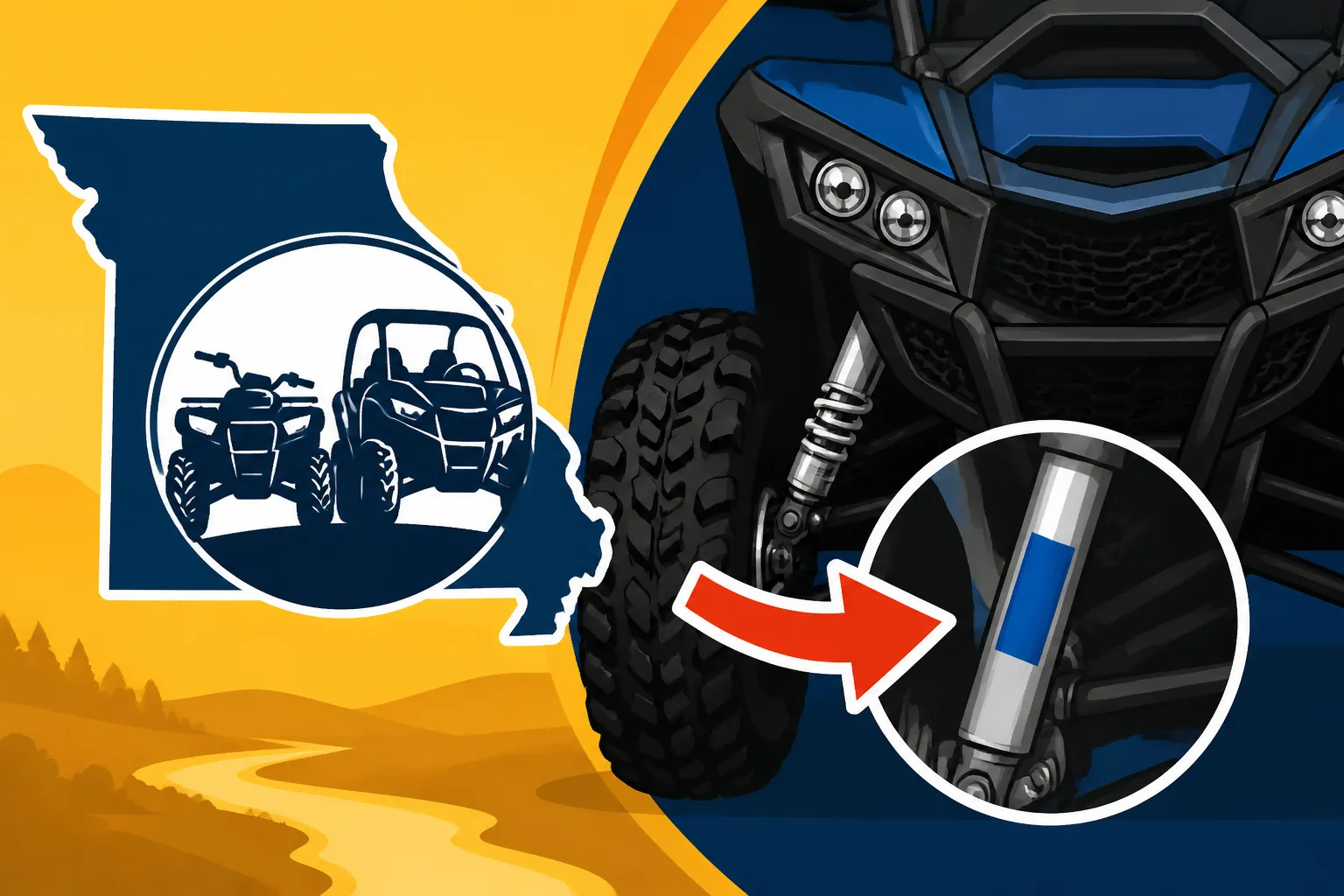
Why the Decal Goes on the Right Front Fork
There’s nothing quite like the feeling of hitting a Missouri trail on your ATV, the engine humming and the wind whipping past. But before you can fully unleash that spirit of adventure, there's often a little sticker that causes a bit of head-scratching: the registration decal. Many riders wonder why this seemingly small detail matters so much, or exactly where it's supposed to go. This guide dives deep into why Missouri law specifies that important little decal belongs squarely on your ATV's right front fork, helping you understand the rules and avoid any unnecessary hassles during your rides.
Understanding Missouri's ATV Decal System
For many states, a license plate is the universal symbol of vehicle registration. You slap it on the back, and you're good to go. But in Missouri, when it comes to All-Terrain Vehicles (ATVs), things work a bit differently. We utilize a decal system, a small sticker that serves the same fundamental purpose as a plate: proving your machine is legally registered for off-road use. It's not just a decoration; it's your machine's official stamp of approval from the state.
The Purpose of the Missouri ATV Decal
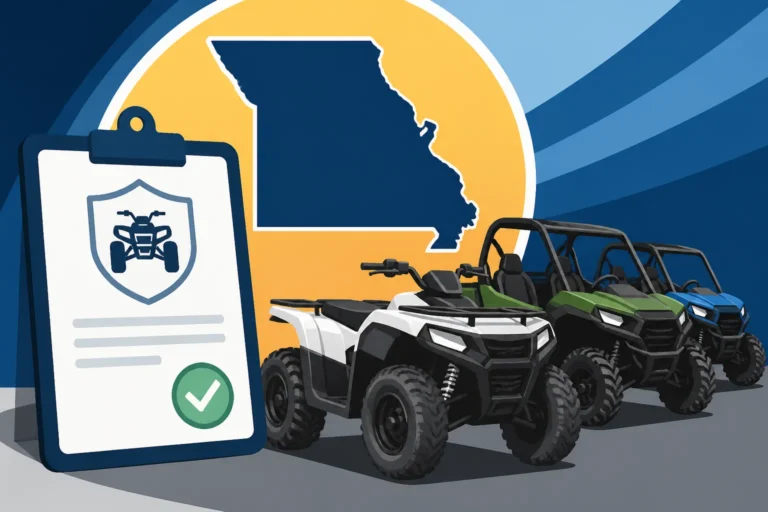
Think of your Missouri ATV decal as the machine's ID card. Every three years, when you renew your ATV's registration, the Missouri Department of Revenue issues a new decal with a unique number and expiration date. This decal is more than just proof you paid your fees; it's a quick visual indicator for law enforcement, park rangers, and even other riders that your ATV is legitimate. When a conservation agent or sheriff's deputy spots you on a trail or road (where permitted!), their eyes will quickly scan for that decal. It signals that you've completed the necessary steps, like having a [Titling an ATV in Missouri] done, and are operating your machine legally. Without it, or if it's placed incorrectly, it raises questions about your compliance, which can lead to uncomfortable conversations, delays, or even citations. It’s all about maintaining order and ensuring that those enjoying our beautiful state trails are doing so responsibly.
Decals Versus License Plates
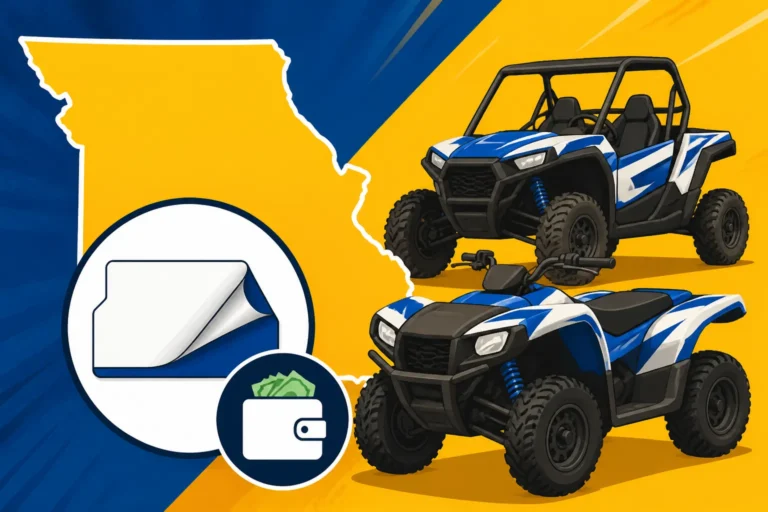
It's a common question: why a decal for an ATV when cars get license plates? The answer lies in the nature of the vehicle and its typical operating environment. ATVs are designed for off-road use, often tackling rough terrain, mud, and water. A traditional metal license plate, rigid and exposed, would be far more susceptible to damage, bending, or being ripped off in such conditions. Imagine trying to navigate a rocky creek bed or dense brush with a flimsy plate hanging off your rear fender; it likely wouldn't last long! Decals, on the other hand, are designed to adhere directly to the machine's frame, offering a more robust and less intrusive form of identification. They're built to withstand the elements and the rigors of off-road riding, though they still require proper care. Furthermore, the limited road use of ATVs in Missouri means the extensive visibility and security features of a full license plate aren't deemed necessary for most machines. You can find more details on this distinction in [Why Missouri Issues a Decal and Not a Plate]. This pragmatic approach helps keep things simple and durable for the riding community.
Legal Ramifications of an Improperly Placed Decal
Now, you might be thinking, "What's the big deal if my decal is a little off-center, or on the other side?" Well, Missouri law is quite specific for a reason, and not following the placement rule can actually lead to legal issues. An improperly placed decal is, in the eyes of the law, akin to not having a visible decal at all. If a law enforcement officer cannot easily and clearly see your current registration decal in its designated spot, they have grounds to stop you. This can result in a citation for operating an unregistered (or improperly registered) ATV. The penalties can range from a warning to a fine, depending on the officer's discretion and the specifics of the situation. This isn't just about revenue for the state; it's about ensuring accountability. The decal's placement facilitates quick checks, allowing officers to determine compliance efficiently. It helps them focus on safety and responsible riding, rather than wasting time scrutinizing an obscured or misplaced sticker. In short, getting it right the first time helps keep your ride smooth and free of legal headaches.
The "Why" Behind the Right Front Fork Placement
So, why the right front fork specifically? It might seem arbitrary, but like many regulations, this particular placement is born out of practical considerations designed for maximum visibility, standardization, and durability. It’s not just a random spot chosen by someone in an office; it’s a calculated decision to make enforcement and identification as straightforward as possible for everyone involved. When you're out enjoying the trails, this consistent placement helps ensure that a quick glance is all that's needed to confirm your machine's registration status, keeping interruptions to your ride to a minimum.
Maximizing Visibility and Enforcement
The primary reason for placing the decal on the right front fork is visibility. When law enforcement officers, park rangers, or conservation agents are observing ATVs, whether at a staging area, on a trail, or during a roadside check, they often approach from the left or position themselves to see the front of the machine as it passes. Placing the decal on the right front fork ensures it is prominently displayed and easily readable. This consistent location allows officers to quickly verify the current registration status without needing to ask the rider to stop or maneuver their machine unnecessarily. Imagine if everyone put their decal somewhere different – some on the rear, some on the side, some even on their helmet! It would be a nightmare for quick visual checks and could lead to unnecessary stops and delays for riders who are, in fact, compliant. This specific spot makes everyone's job easier and helps keep the trails safer and more orderly.
Standardization Across Machines
Another crucial aspect of the right front fork placement is standardization. ATVs come in a wide array of sizes, shapes, and configurations. Some have large front racks, others have small, sporty fenders, and the rear of machines can be especially varied with passenger seats, cargo boxes, or hitches. If the law simply stated "on the fender," you'd have decals tucked away under racks, obscured by accessories, or hidden in less accessible areas. By mandating the right front fork, Missouri establishes a single, consistent location that is generally unobstructed across nearly all ATV models. This uniformity eliminates guesswork for both the rider applying the decal and the officer checking it. It means that whether you ride a sport quad or a utility ATV, the decal will always be in the same, predictable spot. This consistency is key to efficient enforcement and reduces ambiguity, ultimately benefiting the entire riding community by streamlining the identification process. This rule applies specifically to ATVs, as [Why a Side-by-Side Has No Decal to Buy] clarifies that UTVs operate under different regulations.
Preventing Obstruction and Damage
The right front fork isn't just visible; it's also a relatively protected area on most ATVs, which helps prevent the decal from being easily obstructed or damaged. While ATVs are built tough, certain areas are more prone to bumps, scrapes, and being caked in mud. A decal placed on a rear fender might quickly become unreadable due to mud spray, or be damaged by gear strapped to a rack. A decal on the plastic bodywork could be scuffed or torn more easily. The front fork, however, is typically less exposed to direct impacts from brush or rocks, and while it does get dirty, it's often easier to clean and keep clear than other parts of the machine. It's also less likely to be covered by aftermarket accessories like large cargo boxes, spare tires, or recovery gear that riders often add to other parts of their ATVs. By choosing this location, the state is trying to ensure that your decal remains legible and intact for the full three-year period, minimizing the need for replacements and keeping you compliant without extra hassle.
Proper Decal Application and Maintenance
You've got your new [Missouri's Three-Year ATV Decal] in hand, and you know exactly where it needs to go. But slapping it on isn't the end of the story. Proper application and ongoing maintenance are crucial to ensure your decal lasts its full three years and remains clearly visible, saving you from potential issues down the line. A little effort here can prevent a lot of frustration later.
Step-by-Step Guide to Applying Your Decal
Applying your ATV decal correctly is a simple process, but paying attention to detail makes all the difference for longevity and adherence. First, and this is crucial, thoroughly clean the area on the right front fork where the decal will be placed. Use a degreaser or rubbing alcohol to remove any dirt, oil, wax, or residue. A perfectly clean surface ensures maximum adhesion. Once clean, allow the area to dry completely. Next, carefully peel the backing off your new decal. Try not to touch the adhesive side with your fingers, as oils from your skin can compromise stickiness. Position the decal squarely on the fork, ensuring it's straight and not wrinkled. Start applying it from one edge, slowly pressing it down firmly across the entire surface to avoid air bubbles. You can use a credit card or a squeegee wrapped in a soft cloth to smooth it out, working from the center outwards. Take your time; rushing can lead to trapped air or creases that will weaken the decal and make it look messy. Once applied, give it some time to cure before exposing it to harsh conditions, ideally letting it set for 24 hours. Following these steps will give your decal the best chance of staying put and looking good.
Protecting Your Decal from the Elements
Missouri weather can be tough on anything left outdoors, and your ATV decal is no exception. Sun, rain, mud, and even the vibration of riding can take their toll, causing fading, peeling, or cracking. To extend the life of your decal, consider applying a clear vinyl protector over it once it's fully adhered, or even a layer of clear coat spray designed for outdoor use. This acts as an invisible shield against UV rays and physical abrasion. When washing your ATV, be mindful of the decal. Avoid directing high-pressure streams from a pressure washer directly at the edges of the sticker, as this can force water underneath and cause it to peel. Instead, use a gentle stream or hand wash the area around the decal. After a muddy ride, gently wipe the decal clean rather than scrubbing it harshly. Regular, gentle cleaning and proactive protection will keep your decal vibrant and readable for its entire three-year lifespan, preventing the need for a premature [Replacing a Lost Missouri Decal].
What to Do If Your Decal is Damaged or Lost
Despite your best efforts, sometimes decals get damaged or go missing. Maybe a tree branch snagged it, or perhaps years of sun exposure have rendered it illegible. If your decal is damaged beyond recognition or has fallen off, you absolutely need to address it promptly. Riding with an unreadable or missing decal is the same as riding unregistered in the eyes of the law, which can lead to a citation. The good news is that replacing it is a straightforward process. You'll typically need to contact the Missouri Department of Revenue or visit a local license office. There's usually a small fee for a replacement decal, which covers the administrative costs. Be prepared to provide your ATV's VIN and proof of current registration. They will then issue you a new decal, which you should apply immediately following the steps outlined above. Don't wait until you're pulled over to realize your decal is gone; make it a habit to check its condition periodically, especially before a big ride. The cost for a replacement is usually quite reasonable, often around the same price as [Missouri ATV Decal Replacement Cost].
Common Misconceptions and Mistakes
Even with clear instructions, riders sometimes make mistakes or hold onto misconceptions about their ATV decal. It's easy to assume "close enough" will do, or that certain situations exempt you from the rules. However, understanding these common pitfalls can save you a lot of grief and ensure your time on the trails is focused purely on enjoyment, not on explaining yourself to a deputy.
Incorrect Placement Scenarios
It's astonishing how many different places people think their ATV decal might go. We've seen them on the rear fender, tucked under the seat, stuck to the plastic bodywork near the headlight, or even, in some humorous but incorrect cases, affixed to the rider's helmet. Some riders mistakenly put it on the left front fork, perhaps not realizing the specificity of the "right" directive. Another common error is placing it in a spot that later gets covered by aftermarket accessories, like a front bag or a winch mount, making it impossible to see without removing gear. While these placements might seem logical to the rider at the time, they directly contradict Missouri's clear instruction that the decal goes on the right front fork. Remember, the rule isn't just about having the decal; it's about having it where it can be readily identified by anyone needing to verify your registration. Any deviation from [Where the Missouri Decal Mounts] is technically an improper placement, and that's where problems can start.
The Impact of Improper Placement During an Encounter
So, what happens if you're stopped and your decal isn't on the right front fork? Well, the immediate impact is usually a longer, more inconvenient interaction with law enforcement. Instead of a quick visual check, the officer will have to ask you to stop, locate your decal, and verify its validity. This takes time away from your ride and the officer's patrol. More seriously, depending on the severity of the misplacement (e.g., completely obscured versus just on the wrong side), the officer may issue a citation. This can range from a warning to a fine, and continued improper placement could lead to further penalties. It sends a signal that you're not fully compliant with state regulations, which might make an officer scrutinize other aspects of your machine or riding behavior. The goal of the rule is to make compliance clear and easy to verify, and when that clarity is lost, it naturally raises flags. It's far better to spend a minute ensuring correct placement than to spend an hour dealing with a roadside stop and a potential fine.
The Difference Between ATV and UTV Identification
One of the most significant misconceptions revolves around UTVs (Utility Terrain Vehicles, often called side-by-sides) and their registration requirements compared to ATVs. Many UTV owners assume they need a decal just like ATV owners do. However, this is not the case in Missouri. UTVs and other types of off-highway vehicles like ROVs (Recreational Off-Highway Vehicles) fall under a different legal classification. Because of their differing design, capacity, and the specific ways they are permitted (or not permitted) for certain road use, Missouri's Department of Revenue does not issue a three-year registration decal for them. This means a side-by-side owner will never receive, nor be required to display, the same decal as an ATV. It's a critical distinction that often causes confusion. When we talk about the decal on the right front fork, we are exclusively talking about what [What Missouri Counts as an ATV]. For UTVs, the primary identification is their title. If you own a UTV, you can delve deeper into its specific requirements by reading [Utility Vehicles Outside the Missouri System]. This distinction clarifies why you won't be looking for a decal placement spot on your side-by-side.
Connecting Decal Placement to Broader ATV Compliance
While placing your decal correctly on the right front fork might seem like a small detail, it’s actually a crucial piece of a much larger puzzle regarding ATV ownership and responsible riding in Missouri. It’s part of a comprehensive system designed to keep trails safe, manage resources, and ensure that everyone is playing by the same rules. Every regulation, from helmet laws to trail permits, contributes to the overall safety and sustainability of our riding areas.
The Link Between Decal and Registration Proof
Your decal is not just a sticker; it is the physical manifestation of your ATV's registration. It serves as immediate, visible proof that your machine is properly registered with the state of Missouri. This is incredibly important for accountability. When you register your ATV, you're essentially telling the state, "This machine belongs to me, and I acknowledge the responsibilities that come with operating it." The decal is the signal that you've done your part. Without a properly displayed and current decal, that chain of accountability is broken, or at least obscured. This is why law enforcement takes it seriously; it’s not merely about a technicality, but about upholding the system that allows us all to enjoy the sport. The process starts with steps like [Registering an ATV in Missouri], and the decal completes the visible loop of compliance, proving you're legally ready to ride.
Other Key Missouri ATV Regulations
Beyond the decal, there's a whole framework of rules designed to keep ATV riding in Missouri enjoyable and safe for everyone. For instance, specific age restrictions apply to operators, and proper safety gear, especially helmets for younger riders, is often mandated. There are also rules concerning where you can legally ride, with most public roads being off-limits unless explicitly designated or under specific agricultural exemptions. Understanding these broader regulations is just as important as knowing your decal placement. For example, knowing [Missouri Rules for Riders Under 16] or [Missouri Helmet Law for Riders Under 18] can prevent serious accidents and legal trouble. Many riders create a small, waterproof pouch for important documents that aren't affixed to the machine, like proof of insurance (if you have it) or your registration card, to keep them safe and handy. Services like LawDepot can be helpful if you ever need to formalize a [A Missouri Bill of Sale for an ATV] when buying or selling, which ties into the larger picture of compliant ownership.
Ensuring a Smooth Riding Experience
Ultimately, following these seemingly small rules, like correctly placing your ATV decal, contributes significantly to a smoother, more enjoyable riding experience. When your decal is where it should be, and all your other paperwork is in order, you eliminate one more thing to worry about. You can focus on the trail ahead, the beauty of the Ozarks, and the thrill of the ride, rather than constantly glancing over your shoulder for potential issues. It means fewer roadside stops, less scrutiny from park officials, and a greater sense of confidence that you are a responsible member of the Missouri ATV community. Being fully compliant means you're respecting the rules, the land, and your fellow riders, paving the way for countless hours of carefree adventure.
Here’s a quick overview of key identification differences:
| Vehicle Type | Registration Document | Physical Identifier | Primary Legal Status | Typical Location of Identifier |
|---|---|---|---|---|
| ATV | Registration | Three-year decal | Off-road vehicle | Right front fork |
| UTV/Side-by-Side | Title | No decal/plate | Recreational Off-Highway Vehicle (ROV) or Utility Vehicle (UTV) | VIN/Serial Number on frame |
| Motorcycle | Registration | License plate | On-road vehicle | Rear fender |
| Car/Truck | Registration | License plate | On-road vehicle | Front/rear bumpers |
This table helps illustrate why the decal system is specific to ATVs and clarifies that other vehicles have their own unique methods of identification and registration in Missouri.
Disclaimer
This article is for general informational purposes only and does not constitute professional advice. Laws, prices and regulations vary by location and change over time. Consult a qualified professional for guidance on your specific situation.