Where Missouri ATV Fees Go
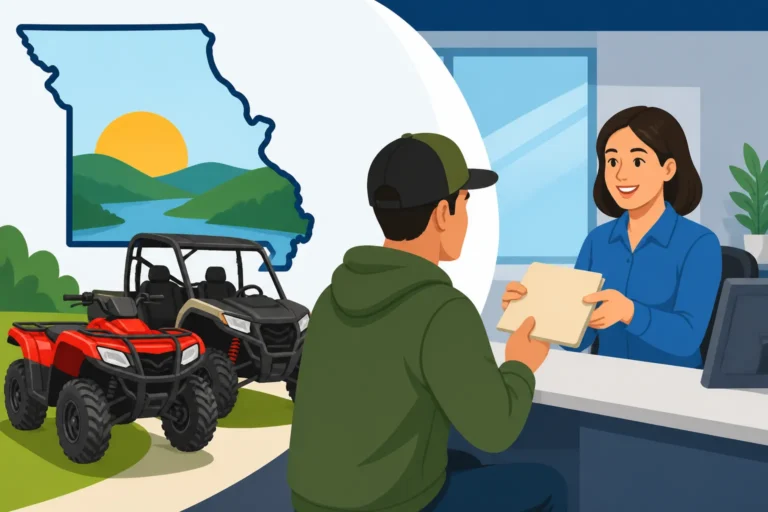
It’s a familiar scenario for any ATV or UTV owner in Missouri: you’re excited about a new machine or getting your current one ready for the trails, but then you hit the license office. Suddenly, you're faced with a handful of fees, and it’s easy to wonder, "Where does all this money actually go?" This guide is here to unravel that mystery, explaining precisely what happens to your hard-earned dollars when you pay for titles, decals, and permits in the Show-Me State.
The Initial Outlay: Titling and Registration Fees
When you first bring home an ATV in Missouri, or even if you're transferring ownership of a used machine, there are a couple of fundamental fees you’ll encounter right away. These aren't just arbitrary charges; they fund specific administrative functions and contribute to the overall system that allows us to enjoy our off-road machines legally and safely. It's about more than just getting a sticker; it's about enabling the infrastructure that supports our passion.
The Title Fee: A One-Time Investment
The very first fee you’ll pay for your ATV in Missouri is the titling fee. Think of this as the cost to officially record your ownership with the state. This is a crucial step, legally linking you to your machine and preventing disputes down the line. It's often one of the less expensive fees, but arguably one of the most important for establishing clear legal ownership.
This fee primarily covers the administrative costs associated with processing your application, issuing the physical title document, and maintaining the state's comprehensive database of vehicle ownership. The Missouri Department of Revenue, through its various license offices across the state, handles an immense volume of such transactions daily. Your fee contributes directly to the personnel, technology, and facilities required to manage this system efficiently. It ensures that when you sell your machine or need to prove ownership for insurance or legal purposes, the documentation is accurate and readily available. Many folks find themselves needing to get their machine titled properly, and understanding the cost for this initial step, like the [Missouri's $8.50 ATV Title Fee], helps manage expectations before visiting the license office.
The Triennial Registration Decal: Keeping You Legal
Unlike cars, ATVs in Missouri aren't issued traditional license plates that need annual renewal. Instead, they receive a special decal that lasts for three years. This "registration" fee, as it's often called by riders, is what makes your ATV legal to ride on designated public lands and trails within Missouri. It's a recurring expense, but one that directly benefits the riding community.
This fee goes into a specific fund designed to support off-road vehicle (ORV) recreation. It's not just a general tax; it's a direct investment back into the trails and facilities we all use. Imagine the countless miles of trails that need regular maintenance, signage, and sometimes even new construction. The funds generated from these decal sales are earmarked to ensure that these riding opportunities remain available and well-maintained for years to come. It’s a tangible way your dollars support the very places you love to ride. Knowing the duration and cost of this decal, often referred to as [Missouri's Three-Year ATV Decal], helps riders budget for their long-term enjoyment.
Funding Missouri's Trail Systems: Where Decal Money Matters Most
One of the most impactful places your ATV fees go is directly into the support and development of off-road vehicle trail systems within Missouri. This is where your registration dollars truly circle back to benefit you and the entire riding community. It’s a dedicated funding stream that many riders appreciate, knowing their contributions help preserve and expand their recreational opportunities.
Dedicated Funds for ORV Trails
A significant portion of the money collected from your triennial ATV registration decal doesn't just disappear into a giant state budget. Instead, it's channeled into dedicated funds specifically for the development, maintenance, and operation of Missouri's ORV trails. This means that when you pay your fee, you are directly contributing to keeping places like St. Joe State Park, Finger Lakes State Park, and the Chadwick Motorcycle and ATV Use Area in prime condition.
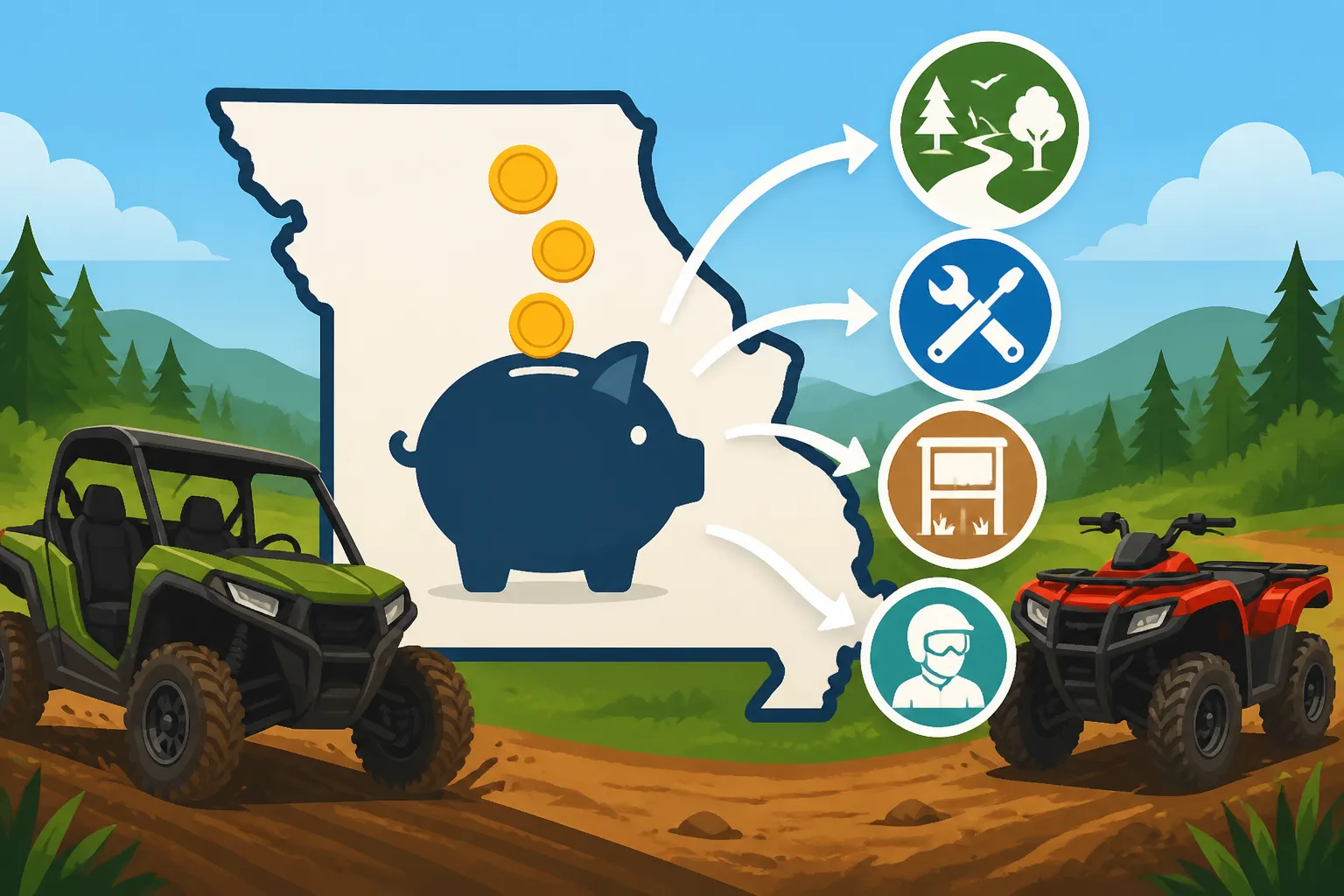
These funds cover a wide array of expenses. They pay for trail workers who clear debris, repair erosion, and grade surfaces. They also contribute to important infrastructure like staging areas, restrooms, and informational kiosks. Moreover, these funds can be used to acquire new land for trail expansion or to improve existing facilities, ensuring a better and safer riding experience for everyone. It’s truly [Trail Money From Decal Sales] at work, showing a direct connection between your fees and the places you love to ride.
Park and Forest Permits: Supplementary Trail Funding
Beyond the statewide registration decal, many of Missouri's premier riding locations, such as state parks and national forests, require their own specific day-use or annual permits. While these are separate from your general ATV registration, they also play a vital role in funding the trails you access. Think of these as additional, localized contributions to the specific areas you choose to ride in.
For instance, when you purchase a permit for St. Joe State Park or a national forest permit for Chadwick, that money directly supports the operational costs of that specific park or forest trail system. These funds help cover local staffing, specialized equipment for trail maintenance unique to that terrain, and visitor services. It’s important to understand that your state registration decal grants you legal status as an ATV owner, but these specific park and forest permits grant you access to the trails within those boundaries. It's a two-tiered system designed to ensure both general oversight and localized, specific support for our diverse riding areas. You can learn more about these specific costs by looking up [Missouri State Park ORV Permit Prices] or [Missouri National Forest ATV Permit].
Administrative Costs and General Revenue
While a good chunk of your ATV fees directly supports the trails, another significant portion is allocated to the machinery of government itself. This covers the essential administrative tasks that ensure the entire system runs smoothly, from processing paperwork to maintaining vital records. It's less glamorous than trail building, but absolutely necessary for a functioning regulatory framework.
The Department of Revenue's Role
Every time you title or renew your ATV decal, there’s an administrative process that has to happen. This isn't just a simple stamp; it involves data entry, document verification, potential notarization, and the physical issuance of your title or decal. The Missouri Department of Revenue, through its network of local license offices, is responsible for overseeing all of this. Your fees contribute to keeping these offices operational.
Think about the employees who assist you, the computer systems that track registrations, the utilities that keep the lights on, and the secure storage of sensitive documents. All of these operational expenses are covered, in part, by the fees you pay. It also includes the processing fees often collected by the local agents who run these offices, like the [Missouri's $18 Processing Fee], which helps them cover their overhead. Without these administrative arms, the entire system of titling and registering ATVs would grind to a halt. When you fill out forms, perhaps even using a template from a service like LawDepot for a bill of sale or other documentation, remember that the state infrastructure is what processes and validates those documents for official purposes.
General Fund Contributions
While many fees have specific destinations, some portions of the money collected, particularly sales tax, ultimately flow into the state's general revenue fund. This fund is essentially the state's main checking account, used to pay for a vast array of public services that benefit all Missourians, not just ATV riders.
This means that a portion of the money you spend on your ATV might end up funding public education, state highway maintenance (for vehicles other than ATVs, of course!), public safety, health services, and countless other state programs. It's a broad pool of money that supports the overall functioning of the state. So, while it might not directly build a new ATV trail, it contributes to the stable environment in which we all live and recreate. It's a reminder that even niche recreational activities are part of a larger economic ecosystem that contributes to broader societal benefits.
The Less Obvious Costs: Penalties and Taxes
Beyond the standard titling and registration fees, there are other financial considerations that can arise when owning an ATV in Missouri. These often come into play during the purchasing process or if deadlines are missed. While they might seem like extra burdens, they serve specific purposes within the state's financial and regulatory framework.
Late Titling Penalties: A Deterrent and Revenue Source
Life happens, and sometimes you miss a deadline. In Missouri, there’s a specific [Missouri's Late Titling Penalty] for failing to title your ATV within a certain timeframe after purchase. This isn't just a punitive measure; it serves as a strong deterrent to encourage timely compliance with state law. The state wants to ensure accurate ownership records are established quickly, which helps prevent theft and aids in recovery if a machine is stolen.
When you incur a late penalty, that money, like other administrative fees, contributes to the operational costs of the Department of Revenue and the license offices. It also, in a broader sense, helps cover the enforcement efforts that ensure compliance. While no one wants to pay a penalty, it underscores the importance the state places on proper documentation. If you find yourself in this situation, it’s always best to address it promptly, and knowing how to handle it, such as [Paying the Late Titling Penalty at the License Office], can save you further headaches. Even if you're using a service like LawDepot to draft a personal bill of sale for a private transaction, ensuring that title transfer happens on time is your responsibility to avoid these extra costs.
Sales Tax: A Broad State Revenue Stream
When you purchase an ATV in Missouri, whether it's new from a dealer or a used machine from a private seller, you’ll typically be subject to sales tax. This is a significant portion of the overall cost and is calculated based on the purchase price of the machine. Unlike titling and registration fees which have a specific flat rate, sales tax varies based on the value of the ATV and your local tax rates.
This sales tax is a cornerstone of state and local government revenue. It’s collected at the time of titling and contributes to the general funds of both the state and the municipality or county where you reside. As mentioned before, these general funds support a vast array of public services, from schools and libraries to emergency services and infrastructure. So, while you might be thinking about hitting the trails, your sales tax payment plays a much broader role in supporting the entire community around you. It’s an essential part of [Missouri Sales Tax at Titling] that every buyer needs to factor into their budget.
Comparing the Streams: Where Your Dollars Make a Direct Impact
Understanding where your money goes isn't just about satisfying curiosity; it's about appreciating the value of compliance and seeing the tangible benefits of your contributions. By breaking down the different destinations for your ATV-related payments, we can clearly see which dollars directly support our riding passion and which contribute to the broader public good.
Direct ORV Benefit vs. General State Services
It's helpful to categorize the various fees and taxes you pay as an ATV owner in Missouri to see the direct and indirect impacts. Some of your money goes directly back into the ORV community, while other portions are pooled for the benefit of all citizens. This distinction can help riders understand the "why" behind each fee.
Here's a quick overview of how your money is typically distributed:
| Fee/Tax Type | Primary Destination | Direct ORV Benefit? | General State/Local Benefit? |
|---|---|---|---|
| ATV Title Fee | MO Dept. of Revenue Administration | No | Yes (Admin efficiency) |
| Triennial Decal Fee | MO ORV Trail Fund / State Parks | Yes | Partially (Public land access) |
| Processing Fee | Local License Office Operations | No | Yes (Admin efficiency) |
| Park/Forest Permits | Specific Park/Forest Trail Maintenance | Yes | Partially (Public land access) |
| Late Titling Penalty | MO Dept. of Revenue Administration / General Fund | No | Yes (Admin, compliance) |
| Sales Tax | State General Revenue / Local General Revenue | No | Yes |
As you can see, the triennial decal fee and specific park/forest permits are your direct investments in the trails and riding areas you love. The other fees, while equally important for legal and administrative reasons, contribute more broadly to the functioning of state and local government. This table helps clarify [Where the Fee Money Is Spent] at a glance.
The Importance of Compliance
Ultimately, understanding where these fees go reinforces the importance of complying with Missouri's ATV laws. When you properly title and register your machine, and acquire the necessary permits, you're not just avoiding potential legal trouble or a [What a Class C Misdemeanor Costs an ATV Rider]; you're actively contributing to the sustainability and quality of the very sport you enjoy.
Every dollar collected for the ORV Trail Fund helps maintain existing trails and explore opportunities for new ones. It supports the conservation efforts necessary to keep these natural spaces viable for recreation. When all riders contribute their fair share, the collective impact is substantial, leading to better-maintained trails, improved facilities, and a more robust off-road riding community. Whether you're navigating complex paperwork for a unique situation or simply using a standardized form from a resource like LawDepot, taking the time to understand and adhere to the requirements ensures a smooth process and a positive contribution to the broader ATV culture in Missouri. So, next time you pay those fees, remember that you’re doing your part to keep Missouri’s trails open and ready for adventure.
Disclaimer
This article is for general informational purposes only and does not constitute professional advice. Laws, prices and regulations vary by location and change over time. Consult a qualified professional for guidance on your specific situation.