When a Missouri ATV Decal Expires
It can be incredibly frustrating to keep track of all the different expiration dates for your vehicles, especially when it comes to your off-road toys. Many Missouri ATV owners find themselves scratching their heads, wondering exactly when that little decal on their machine becomes invalid. This guide is here to clear up all that confusion, walking you through the lifespan of your Missouri ATV decal and what you need to know to stay on the right side of the rules.
The Three-Year Cycle: Missouri's Standard Decal Lifespan
Let's cut right to the chase: your Missouri ATV decal is valid for a period of three years. This isn't like your car's annual registration, which might throw some folks off. For many years, Missouri has opted for a less frequent renewal cycle for all-terrain vehicles, acknowledging their typically less frequent use on public roads compared to traditional automobiles. This three-year cycle aims to reduce the administrative burden on riders and the state alike, offering a good balance between identification and convenience.
Think about it: you get that shiny new decal, affix it to your ATV, and you're good to go for a substantial chunk of time. This extended period means you're not constantly thinking about renewal deadlines, freeing you up to focus on planning your next big ride. It's a system designed to be rider-friendly, assuming you know when that three-year clock starts ticking.
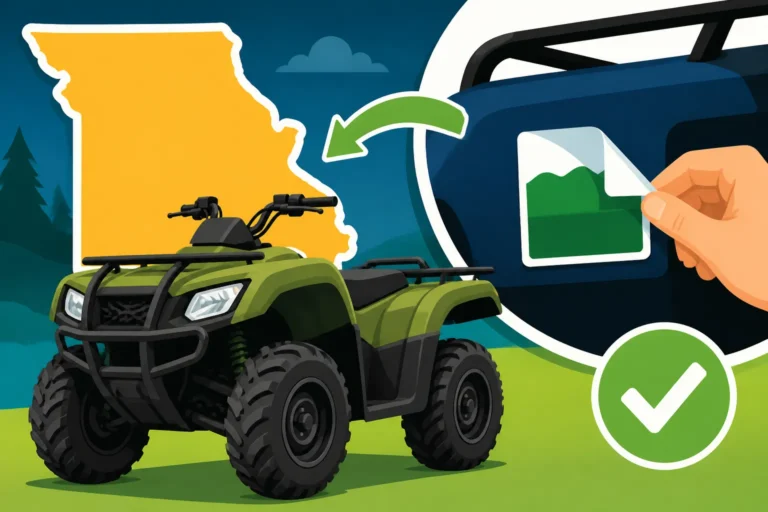
The primary purpose of this decal, beyond simply identifying your machine, is to show compliance with state regulations, especially if you plan on using any of Missouri's fantastic public lands. Without a current decal, you might find yourself turned away from popular riding spots like St. Joe State Park or the Chadwick Motorcycle and ATV Use Area. The decal helps park rangers and law enforcement confirm that you've completed the necessary steps to operate your ATV legally within designated areas. For more details on this, check out our piece on [Missouri's Three-Year ATV Decal].
Why Three Years, Not One?
It's a fair question, especially when so many other vehicle-related items seem to be on an annual schedule. The decision to go with a three-year decal for ATVs in Missouri likely stems from several factors. One is the nature of ATV use itself. While some riders are out every weekend, many others are more seasonal or only hit the trails a few times a year. An annual renewal might feel excessive for these users.
Another aspect is the administrative overhead. Processing renewals every single year for tens of thousands of ATVs would require significant resources from the Missouri Department of Revenue. By stretching it to three years, the state can manage its workload more efficiently, reducing queues at license offices and allowing staff to focus on other vital services. This doesn't mean the process is less important, just less frequent. It's also important to remember that while the decal is good for three years, your actual title for the ATV is a one-time thing, establishing permanent ownership. However, the registration (evidenced by the decal) is what allows you to operate it.
The Decal's Public Land Purpose
Your ATV decal isn't just a pretty sticker; it's a critical component for accessing Missouri's incredible public riding areas. When you pull up to the gate at a state park or a national forest trail system, the first thing staff will often look for is that current decal. It signifies that your machine is properly documented with the state, and that you've paid the necessary fees that contribute to trail maintenance and improvements.
These fees, collected through the titling and registration process, are crucial for keeping our trails safe, well-marked, and enjoyable for everyone. Without this system, funding for trail development, erosion control, and safety measures would be severely limited. So, while it might seem like just another piece of paper, your decal plays a vital role in supporting the very places you love to ride. Make sure to consult our guide on [Where the Missouri Decal Mounts] to ensure it's displayed correctly on your machine.
Understanding Your Decal's Expiration Date
So, you know your decal lasts for three years, but how do you actually pinpoint the exact day it expires? This is where many riders get tripped up. It’s not always as straightforward as three years from your purchase date, and knowing where to look is key. The expiration date is clearly printed on the decal itself, usually indicating the month and year.
When you first obtain your decal, whether for a new machine or one you just titled, the expiration will be set for three years from the month you registered it. For example, if you registered your ATV in July of 2024, your decal would expire in July of 2027. It's always the end of that month, giving you the full benefit of that final month. This system aligns with how many other vehicle registrations work, making it somewhat familiar for those used to car tags.
If you're unsure about the date, or if your decal has become faded and unreadable (which can happen with sun exposure and mud!), your best bet is to check your official registration paperwork. This document, which you received when you first got your decal, will explicitly state the issue date and the expiration date. Keep this paperwork in a safe, dry place, ideally not on your ATV itself, but perhaps a sealed bag in your riding pack or glove box. For important documents like this, having backup digital copies or using document management services can be really helpful.
Reading the Decal Itself
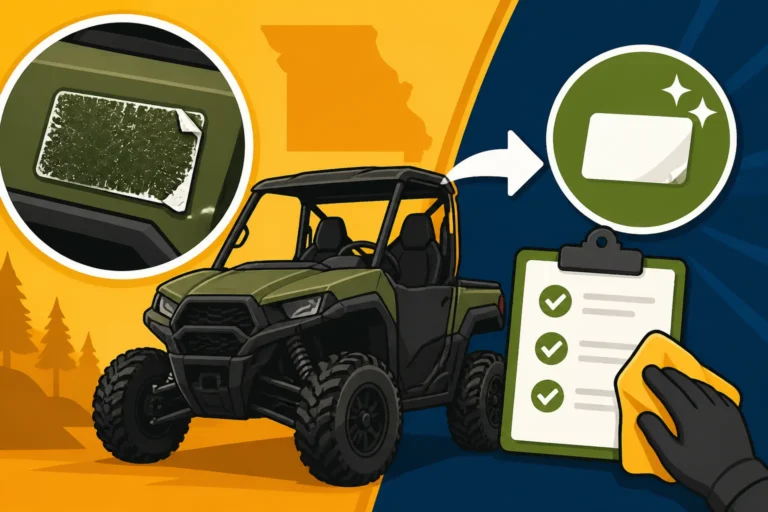
The physical decal is designed to be easy to read, usually featuring the year prominently, often in a larger font, and the month in a smaller print. You might see "2027" with "JUL" below it, indicating a July 2027 expiration. The colors of the decals often change year to year, which can also be a visual cue for law enforcement or park staff to quickly identify expired decals, even from a distance.
It's tempting to just glance at the year, but always double-check the month. Missing an expiration by a few weeks because you only looked at the year can still lead to fines or denied access. If your decal is so weathered that you can't read it, you'll want to address that sooner rather than later. You don't want to get caught riding with a decal that looks expired, even if your paperwork says otherwise. In such cases, you might need to look into [Missouri ATV Decal Replacement Cost].
What if You Bought Used?
Buying a used ATV adds another layer to this. When you purchase a used machine in Missouri, the decal that was on it from the previous owner is essentially tied to their registration. Once you title the ATV in your name, you'll apply for a new decal, and that decal's three-year clock starts from the month you register it. You cannot simply continue using the previous owner's decal, even if it appears to be current.
This is a common misconception and one that can lead to headaches. Even if the previous owner just renewed their decal a month before selling it to you, you'll still need to get a new one issued in your name. When you title your new-to-you ATV, that's the time to also apply for your own three-year registration. This ensures that the state's records accurately reflect you as the current owner and registrant, which is vital for things like theft recovery or accident reporting. Always make sure you have all the proper paperwork, like a [A Missouri Bill of Sale for an ATV], when buying a used machine.
What Happens When Your Decal Expires
Ignoring that expiration date can lead to some real headaches and unnecessary expenses. An expired ATV decal in Missouri means you are operating an unregistered machine, at least as far as the state's public land system is concerned. This isn't just a minor oversight; it carries actual consequences.
The most immediate impact is on your ability to legally access state parks, national forest trails, and other designated public riding areas. Park rangers and forest service officers routinely check for current decals at entry points or during patrols. If your decal is expired, you'll likely be denied entry or, if found on a trail, could face a citation. This can turn a fun day of riding into a frustrating and costly experience.
While Missouri doesn't have a direct "grace period" for riding with an expired decal on public lands, the state does allow you some time to title and register a newly acquired ATV. However, for renewals, the expectation is that you renew before or on the expiration date. The penalty structure for late renewal is different from the much steeper penalties for late titling, so don't confuse the two. For a deeper dive into fines, you might be interested in [Missouri Fines for an Untitled ATV] or [Missouri Fines for No ORV Permit].
Fines and Denied Access
Let's talk about the practical side of things. Imagine you've packed up the truck, loaded the ATVs, driven an hour or two to St. Joe State Park, and you're ready to hit the sand flats. You get to the gate, the friendly park attendant asks to see your ORV permit and current decal, and suddenly you realize yours expired last month. Now what? You'll be politely (or perhaps not so politely, depending on the day) turned away. All that time, gas, and excitement for nothing.
If you're already out on a trail in a state park or national forest and you're stopped by a ranger, an expired decal could result in a citation. While the exact fine can vary, it's always more expensive than the simple renewal fee. It's an unnecessary expense that could easily be avoided by a quick check of your decal or registration papers. These enforcement measures are in place to ensure that everyone using public lands is doing so responsibly and contributing their share to the maintenance of those areas.
Riding on Private Land
Now, what about riding on private land? If you only ever ride on your own property, a friend's farm, or another private location where you have permission, the state's registration decal requirements generally do not apply. The purpose of the decal is primarily for public land access and state identification. On private property, the landowner sets the rules.
However, even on private land, having your machine properly titled in your name is crucial for proving ownership. While a decal might not be required for riding on private property, having an up-to-date title is always a smart move. Should your ATV be stolen from private property, having a clear [Missouri ATV Title With Two Owners] (if applicable) and registration information makes recovery much easier for law enforcement. It also helps if you ever decide to sell the machine. While LawDepot can assist with drafting important documents like a bill of sale, ensuring your ownership is clear with the state is paramount for any ATV.
Proactive Renewal: Staying Ahead of the Due Date
The best defense against an expired decal is a good offense: proactive renewal. Because the decal is valid for three years, it's easy to forget about it until the last minute. Don't let that happen to you! Knowing when to renew and having a system in place can save you a lot of hassle.
Missouri typically allows you to renew your ATV decal up to six months before its expiration date. This provides a generous window to get your paperwork in order and complete the renewal process without feeling rushed. It's a great idea to mark your calendar, set a reminder on your phone, or even make a note in your annual budget to remind yourself when that three-year mark is approaching.
The renewal process itself is usually straightforward. You can often renew at your local Missouri license office. You'll need your previous registration document, proof of ownership (like your title), and the appropriate fees. It's a quick transaction, and you'll walk out with a new decal ready to be applied. For the cost breakdown, you can reference [Missouri's $9 Renewal Fee] or [Missouri ATV Decal Renewal Cost].
Documents You'll Need for Renewal
When you head to the license office for renewal, having all your ducks in a row will make the process smooth and quick. Typically, you'll need:
- Your current or most recent registration receipt: This helps the license office quickly pull up your vehicle's information.
- Your ATV's title: While you won't get a new title for a renewal, having it handy confirms ownership and all vehicle details.
- Proof of identification: A valid driver's license or state ID.
- Payment for fees: Ensure you know the [Missouri ATV Registration Cost] to avoid surprises.
Sometimes, if your mailing address has changed, you might need to update that information as well. It's always a good idea to call your local license office beforehand or check the Missouri Department of Revenue website for the most current requirements, as they can sometimes have minor updates. Keeping accurate records, perhaps with the help of platforms like LawDepot for managing critical documents related to your vehicle, can make these renewals a breeze.
Online vs. In-Person Renewal
While many vehicle renewals can be done online in Missouri, for ATVs, an in-person visit to a local license office is often the most direct and sometimes the only option for obtaining the physical decal immediately. The Missouri Department of Revenue aims to make the process as accessible as possible, with numerous license offices scattered across the state.
An in-person visit allows you to get your new decal on the spot, so you can apply it right away and be ready for your next adventure. It also provides an opportunity to ask any questions you might have about other ATV regulations or permits. However, if you're not in a rush, some offices might have mail-in options, but always confirm the turnaround time, especially if you have a riding trip planned soon. Don't forget that [How Often a Missouri Decal Comes Due] is every three years, so it's not a yearly burden.
| Decal Status | Validity Period | Where to Renew | Cost Consideration | Consequence if Expired (Public Land) |
|---|---|---|---|---|
| Current | 3 years from month of original registration | N/A (valid) | Initial registration fee | Legal to ride |
| Expiring Soon | Last 6 months of 3-year cycle | Local License Office | Standard renewal fee | Denied entry if expired |
| Expired | Past due date | Local License Office | Standard renewal fee (no late fee for decal itself, but possible citation) | Citation, denied entry |
Staying on top of your Missouri ATV decal's expiration date is a small task that yields big rewards, mainly peace of mind and uninterrupted riding. Make it a habit to check your decal or registration papers once a year, just like you would with other important dates. That way, you're never caught off guard when it's time to hit the trails!
Disclaimer
This article is for general informational purposes only and does not constitute professional advice. Laws, prices and regulations vary by location and change over time. Consult a qualified professional for guidance on your specific situation.