Missouri ATV VIN Requirements
When you're diving into the world of ATVs in Missouri, whether you're a seasoned rider or just starting out, one little string of characters can cause a huge headache if it's not right: the Vehicle Identification Number, or VIN. It's the absolute backbone of owning, buying, or selling an ATV, and getting it wrong or having an issue with it can halt your plans dead in their tracks. This guide will walk you through everything you need to know about ATV VIN requirements in Missouri, from finding it to what to do if it's missing or damaged.
What Is a VIN and Why Is It So Important for Your ATV in Missouri?
Think of your ATV's VIN as its unique genetic code—a highly specific identifier that sets it apart from every other machine ever made. It's not just a random sequence; it's a carefully structured 17-character code that tells a story about your ATV, including who made it, where it was made, its model year, and even certain features. In Missouri, understanding and correctly handling your ATV's VIN is non-negotiable for legal ownership and operation.
The VIN as Your ATV's Unique Fingerprint
Each character in a VIN holds a specific piece of information. The first three characters identify the World Manufacturer Identifier (WMI), telling you the country of origin and manufacturer. The next six characters form the Vehicle Descriptor Section (VDS), detailing the vehicle type, engine, and platform. Finally, the last eight characters are the Vehicle Identifier Section (VIS), which includes the model year, assembly plant, and a unique sequential production number. No two vehicles in the world should ever have the exact same VIN. This intricate system means that your ATV has a truly unique identity, essential for tracking its history and ownership. Without this "fingerprint," it would be nearly impossible to distinguish one ATV from another in official records, opening the door wide to confusion and potential fraud.
VINs and Missouri's Titling Process
In Missouri, the VIN is the bedrock of the entire titling system for ATVs. When you go to [Titling an ATV in Missouri], the first thing the Department of Revenue (DOR) will look for on your application and supporting documents is the VIN. It's how they verify that the machine you're trying to title is indeed the one you claim to own. The VIN on your Certificate of Origin (for new machines) or the previous owner's title (for used machines) must exactly match the VIN stamped on your ATV. Any discrepancy, even a single digit, can cause a rejection and a frustrating delay. It's not just a formality; it's the state's way of ensuring clear ownership and preventing stolen machines from entering the legal system. This number will be prominently displayed on your Missouri title, serving as the official record of your ATV's identity.
Why the VIN Matters for Law Enforcement and Theft Prevention
Beyond titling, the VIN is an indispensable tool for law enforcement. If your ATV is ever stolen, the VIN is the primary piece of information police will use to enter it into national databases, track it, and verify it if recovered. Imagine if every ATV just had a generic "ATV" label—it would be a free-for-all for thieves. The VIN, however, makes it nearly impossible for a stolen ATV to be legally registered or sold. Police can quickly run a VIN check to see if a machine has been reported stolen or if there are any outstanding liens against it. For riders, it's also a crucial piece of information to keep handy, perhaps in a secure place or even a photo on your phone, though a physical title is always best. This unique identifier acts as a powerful deterrent against theft and a critical aid in recovering what's rightfully yours.
Where to Find Your ATV's VIN in Missouri
Knowing where to look for your ATV's VIN is half the battle. While manufacturers generally place them in standardized locations, slight variations exist between different makes and models. Finding it might involve a little searching, but it's a vital step for any owner, especially if you're preparing for [Missouri ATV Title Paperwork].
Common VIN Locations on ATVs
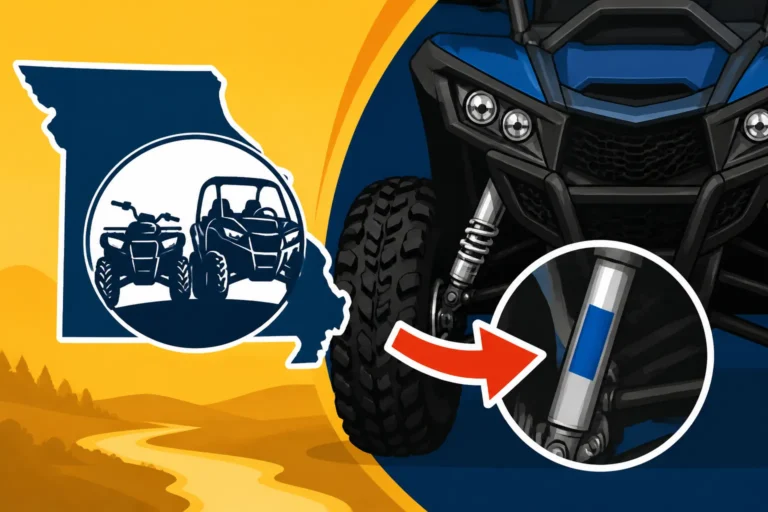
The most common place to find your ATV's VIN is stamped directly onto the frame. Manufacturers typically stamp it on the left-hand side of the frame, often near the steering head (where the handlebars connect to the frame) or sometimes on a frame rail down by the footpegs or engine cradle. It’s usually a series of characters stamped into the metal itself, designed to be permanent. Sometimes, you might also find a VIN sticker on the frame, but these stickers can be more easily damaged or removed, so the stamped version is always the definitive one. On some machines, especially older ones, you might find a partial VIN or engine serial number on the engine casing, but the full 17-character VIN is almost always on the main frame. It's a good practice to locate and verify your VIN as soon as you acquire an ATV.
Decoding a VIN for Critical Information
Once you've found the VIN, you can actually learn a lot about your ATV without needing external resources. As mentioned, the first three characters are the WMI, telling you about the manufacturer and country. For example, a '1' often indicates the USA, while 'J' signifies Japan. Characters 4 through 9 describe the vehicle itself—things like the type of engine, chassis, or model series. Character 10 typically denotes the model year (e.g., 'A' for 2010, 'B' for 2011, and so on), and character 11 indicates the manufacturing plant. The remaining characters are the unique serial number for your specific unit. While you might not memorize the entire ISO standard for VINs, understanding that each section provides specific data can be incredibly helpful for verifying details, especially when buying a used ATV and comparing it to the seller's claims or the title document.
Tips for Maintaining VIN Readability
Over time, exposed to the elements, mud, rust, and general wear and tear, an ATV's VIN can become difficult to read. This can create major headaches down the line when you need to transfer the title or renew your decal. To prevent this, regularly clean the area where your VIN is located. A stiff brush and some degreaser can help remove grime and rust buildup. You might consider applying a clear coat or rust-inhibiting wax to the area, though be careful not to obscure the numbers themselves. Taking clear, well-lit photos of your VIN from different angles when it's still perfectly legible is also a smart move. Keep these photos stored digitally and perhaps even printed with your other important ATV documents, like your title and [A Missouri Bill of Sale for an ATV]. This way, if the physical stamp ever becomes truly unreadable, you have photographic evidence of what it once was, which might help with official processes.
What to Do If Your ATV's VIN Is Unreadable or Missing in Missouri
Discovering that your ATV's VIN is unreadable, corroded beyond recognition, or even appears to be missing can feel like a major setback. It immediately raises questions about legality and ownership, and it can certainly prevent you from getting a title or registration. But don't panic; Missouri has processes in place to address these challenging situations.
Dealing with a Faded or Damaged VIN
If your ATV's VIN is simply faded, rusted, or partially obscured due to age or damage, your first step should be to try and carefully clean the area. Use a wire brush, steel wool, or even some fine-grit sandpaper with caution to try and reveal the underlying numbers. Avoid anything that might further damage or alter the stamped numbers. If, after cleaning, some or all of the characters are still illegible, you're looking at a more involved process. You’ll likely need to contact the Missouri Department of Revenue (DOR) for guidance. They may require a physical inspection by a law enforcement officer or a representative from a license office to verify what remains of the VIN. It’s a bit like detective work, and the goal is to confirm the existing VIN rather than create a new one. This situation can definitely complicate [Buying a Used ATV Privately in Missouri], so always check the VIN before money changes hands.
The Process for an Assigned VIN in Missouri
In cases where the original VIN is completely missing, obliterated, or deemed unreadable and unrecoverable, Missouri may assign a new VIN to your ATV. This is a last resort, but it's a critical pathway for legitimate owners to get their machines back into the legal system. The process typically involves:
- Application: You'll need to complete an application for a Missouri Assigned Identification Number, often through the Department of Revenue.
- Inspection: A physical inspection of your ATV will be required. This is usually performed by a certified law enforcement officer (such as a sheriff's deputy or State Highway Patrol trooper) or a designated DOR inspector. They will scrutinize the ATV to ensure there are no signs of tampering with a previous VIN or that it isn't a stolen machine. They'll also verify any remaining identifying marks or documents you might have.
- Documentation: You'll need to provide any supporting documentation you possess, such as a bill of sale, old registration, or any receipts that tie you to the machine. Even if the VIN is bad, any proof of ownership is vital. Services like LawDepot can assist you in creating legally sound bills of sale or other affidavits to support your claim, ensuring all your paperwork is in order for such a complex application.
- Issuance: If your application and inspection are approved, the DOR will issue a new, unique VIN for your ATV. This new VIN will then be affixed to your ATV, usually as a metal plate or sticker, and will be used on all subsequent title and registration documents. This is a much more intensive process than a simple title transfer, so avoiding it is always preferable.
When to Involve Law Enforcement
If you encounter an ATV with an obviously tampered-with VIN, a VIN that appears to be ground off, or one that is completely missing on a machine that should have one, you should immediately involve law enforcement. This is a huge red flag for a potentially stolen vehicle. Trying to acquire or sell such a machine could inadvertently draw you into legal trouble. Even if you're the victim, reporting it quickly is key. Do not attempt to repair or alter the VIN yourself. Let the authorities investigate. While it might be disappointing to walk away from a deal, it's far better than dealing with the severe legal ramifications of possessing stolen property. Remember, law enforcement can conduct a [Missouri ATV Title Lookup] to check the history of a VIN, if one is present, which is an important step in these situations.
VIN Checks and Verification for Buying or Selling an ATV in Missouri
Whether you're the buyer or the seller, the VIN is central to a smooth, legal, and hassle-free transaction in Missouri. Overlooking VIN verification steps can lead to ownership disputes, legal penalties, or the unfortunate discovery that you've purchased a stolen machine. Always prioritize the VIN throughout the sale process.
Buyer's Due Diligence: Checking the VIN Before Purchase
As a buyer, exercising due diligence regarding the VIN is your best defense against future problems. Before you hand over any money, take these crucial steps:
- Locate and Inspect the VIN: Physically find the VIN on the ATV's frame. Make sure it's clear, legible, and shows no signs of alteration, grinding, or re-stamping. If it looks suspicious, walk away or consult with law enforcement.
- Match with Title: Compare the VIN on the ATV exactly to the VIN printed on the seller's title document. Every single character must match. If there’s even one digit off, do not proceed with the sale. A mismatched VIN is a recipe for disaster when you try to get [Titling an ATV in Missouri].
- Perform a VIN Check: Many online services (some free, some paid) allow you to run a VIN check. These checks can reveal critical information such as reported accidents, recalls, or if the ATV has been reported stolen. While not always exhaustive, they provide an extra layer of security.
- Lien Check: Use the VIN to check for any outstanding liens against the ATV. You can often do this through the Missouri Department of Revenue or by requesting a lien search through the seller's county recorder's office. Buying an ATV with a lien means you might become responsible for someone else's debt. Always ask for a notarized lien release if the title indicates a lien.
Taking these steps helps ensure you're buying a legitimate machine with a clean history, saving you from headaches, legal battles, and potential financial loss. It's an essential part of [Reading a Missouri Title Before You Pay].
Seller's Responsibilities: Providing a Clear VIN
If you're selling an ATV in Missouri, your responsibilities revolve around transparency and accuracy, with the VIN at the core. A responsible seller ensures the buyer can easily verify the VIN and that all associated paperwork is in order:
- Clear and Accessible VIN: Make sure the VIN on your ATV is clean and fully legible for the buyer to inspect. If it's dirty, clean it. If it's faded, be upfront about it and explain any steps you've taken to try and preserve it.
- Matching Title: Ensure that the VIN on your physical ATV precisely matches the VIN on your current, clear Missouri title. If there's any discrepancy, you need to address it with the DOR before attempting to sell the machine. Selling a machine with a mismatched VIN will undoubtedly create problems for your buyer and reflect poorly on you.
- Bill of Sale: When selling, always provide a comprehensive bill of sale that includes the ATV's VIN, the purchase price, and the names and signatures of both buyer and seller. This protects both parties. Resources like LawDepot offer customizable bill of sale templates that can guide you through including all necessary legal details, ensuring a smooth [Selling an ATV in Missouri] process.
- Honesty About History: Be honest about the ATV's history, especially if there have been any issues with the VIN or previous titling. Transparency builds trust and helps prevent disputes after the sale.
By fulfilling these responsibilities, you facilitate a smooth transaction, ensure your buyer can title the ATV without issue, and protect yourself from future claims.
Using the VIN for a Lien Check
One of the most critical uses of an ATV's VIN during a transaction is to perform a lien check. A lien means there's a financial interest held by a third party (like a bank or credit union) against the ATV, typically because the previous owner took out a loan using the ATV as collateral. If you buy an ATV with an active lien, that lien can follow the machine, meaning the lender could potentially repossess it to satisfy the previous owner's debt, even though you are now the legal owner.
To conduct a lien check, you can usually contact the Missouri Department of Revenue or perform a search through the county recorder's office where the seller resides. You'll provide the VIN, and they can tell you if any active liens are recorded against that specific machine. If a lien is present, insist that the seller provide a notarized lien release from the lender. This document proves that the loan has been paid off and the lender no longer has a claim on the ATV. Without this, you risk a huge financial and legal headache. This step is as important as verifying the VIN itself and helps protect your investment. When considering [Missouri ATV Sales Tax at Titling], remember that clearing liens is an entirely separate, but equally important, part of the purchase process.
Disclaimer
This article is for general informational purposes only and does not constitute professional advice. Laws, prices and regulations vary by location and change over time. Consult a qualified professional for guidance on your specific situation.