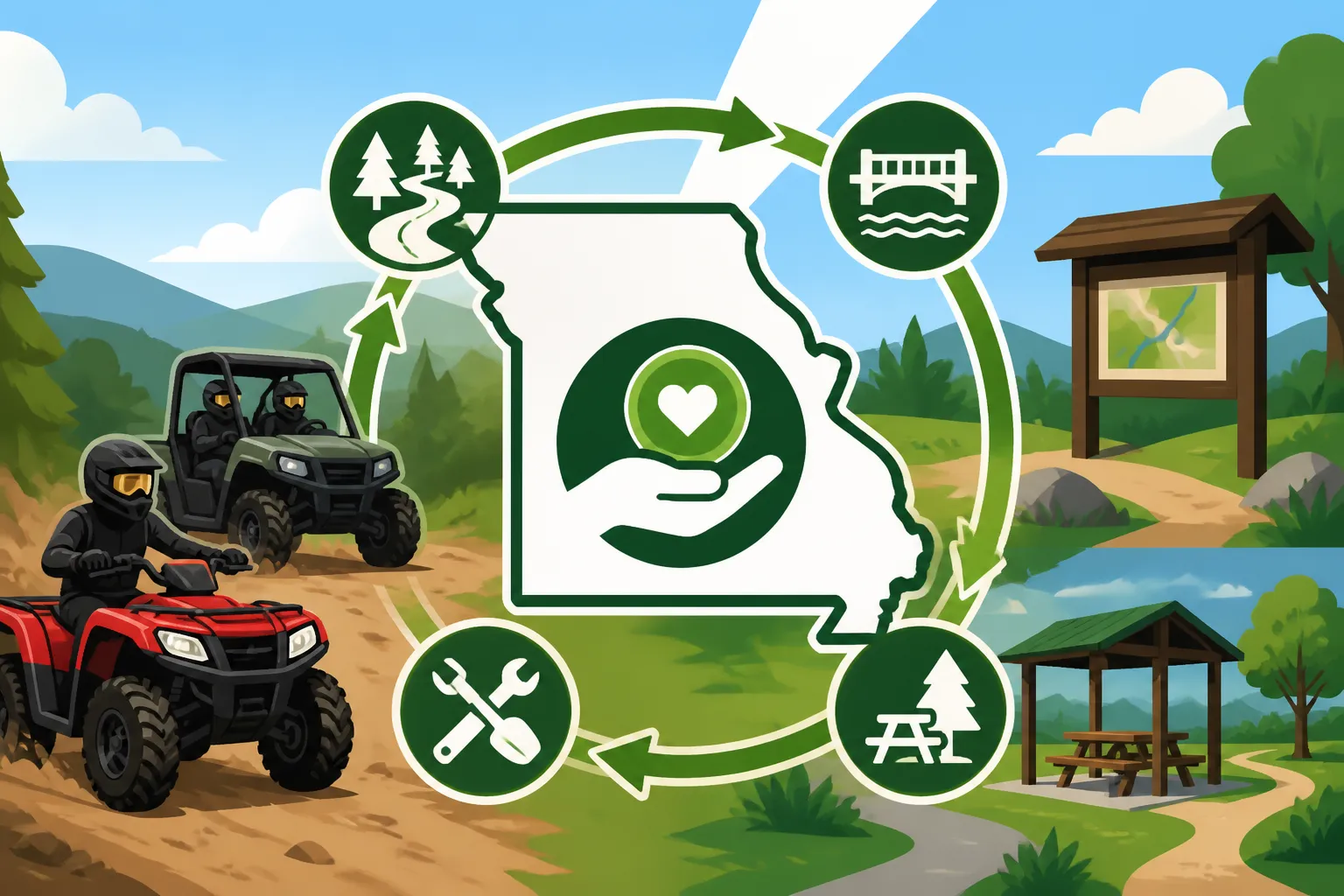
Why the Permit Money Stays Local
It’s a common scenario across Missouri: you’ve got your ATV or UTV, you’ve done your homework, and maybe you’re even thinking about getting it ready for limited road use. Then you discover that beyond the state’s titling and decal requirements, you might also need a local permit just to cruise down a few city streets or county roads. It can feel like another hoop to jump through, another fee to pay. But if you’ve ever wondered why that specific permit money doesn’t just disappear into the vast state coffers, you’re in the right place. This guide will unpack exactly why those local ATV and UTV road permit fees are collected and, crucially, how they stay right there in your community.
The Frustration of Local Road Permits
Let's be honest, dealing with permits and regulations for your ATV or UTV can be a real headache. You just want to enjoy your machine, whether it's on the trails or, in certain limited circumstances, getting from point A to point B on a public road. Then you find out that even if your machine qualifies for some form of street-legal use, the rules aren't uniform across the state. This patchwork of regulations, especially when it comes to permits, can be incredibly frustrating for riders.
Navigating Different City and County Rules
Imagine you live just outside a small town, and your favorite gas station or local diner is just a couple of miles away, accessible by a quiet county road that then turns into a city street. You diligently check the county ordinances and get your permit there, feeling good about being compliant. Then, you find out the city has its own separate permit and possibly different rules for speed, flag requirements, or even operating hours. It’s like every municipality is a little kingdom with its own set of laws for OHVs, which can make planning even a short trip feel like navigating a legal minefield. This isn't just an annoyance; it can lead to confusion and inadvertent violations, even for riders trying their best to follow the rules. This is especially true for those who might have tricked out their machine with accessories from places like SuperATV, ensuring it’s trail-ready, only to find the road-legal requirements differ by town.
Feeling Like Just Another Tax
For many riders, these local permit fees can feel like nothing more than another tax on their recreational vehicle. You’ve already paid sales tax when you bought the machine, perhaps an [Missouri ATV Title Cost] and [Missouri ATV Registration Cost] to the state, and then there are the costs of insurance, maintenance, and fuel. Adding another fee, even if it's modest, can really sting, particularly if you don't immediately see the tangible benefits of where that money is going. There's a natural skepticism when funds are collected, and if the purpose isn't transparent, it can foster resentment rather than cooperation from the riding community. It’s easy to feel like you’re being nickel-and-dimed, especially if you rarely see law enforcement presence or road improvements directly attributed to your local permit fees.
Missouri's Approach to Off-Highway Vehicle Regulation
Missouri has a unique, almost hands-off approach to OHVs on public roads at the state level, which largely sets the stage for why local communities have so much control. Unlike many states that have comprehensive statewide street-legal ATV/UTV laws, Missouri prefers to delegate much of that decision-making power. This decentralization is key to understanding the permit money system.
The State's General Stance on OHVs on Public Roads
Generally speaking, Missouri state law views ATVs and UTVs as off-highway vehicles, meant for off-road use. They are not considered traditional motor vehicles that are designed or equipped for routine travel on public highways. This is why you won’t find a statewide, universal "street legal ATV" conversion process like you might in some other states. Instead, the state largely prohibits their use on state and federal highways, with very limited exceptions such as agricultural use or crossing a road at a specific angle. For side-by-sides, there's even a [Missouri's 3-Mile Rule for Side-by-Sides] that offers a narrow window of opportunity for road use, but even that is highly conditional and specific to that vehicle type. This general prohibition at the state level means that for any street use to happen, local governments have to step in and specifically allow it.
Empowering Local Jurisdictions
Because the state largely abstains from creating a broad framework for OHV road use, it implicitly empowers cities and counties to create their own ordinances. This means that if a local community wants to allow ATVs or UTVs on its public roads, it has to pass its own local law, outlining the terms and conditions. This is where concepts like a [Missouri's Special Permit for Road Use] come into play. A city council or county commission decides if OHVs are allowed, where they can ride, what safety equipment is required, and what kind of permit, if any, is needed. This local control gives communities the flexibility to tailor regulations to their specific needs, road types, and traffic volumes, rather than being stuck with a one-size-fits-all state mandate that might not work for a small rural town or a bustling suburban area.
The Mechanism of Local Permit Fees
So, once a city or county decides to open its roads to ATVs or UTVs, how do they actually collect the money for these permits, and where does it go right after it's collected? It’s a pretty direct path, bypassing the state revenue departments almost entirely.
Where You Pay for a Local Permit
When you go to get one of these local permits, you're not heading to a state license office. Instead, you'll typically be visiting a municipal office, like the city hall, a police department, or sometimes even the county sheriff's office. For instance, you might be [Getting a Road Permit From a Police Department] in a town that has embraced OHV road use. The payment is made directly to that local government entity. They process your application, issue the permit or decal, and the funds are deposited straight into their local treasury. This direct transaction is a fundamental part of why the money stays local – it never even enters the state's financial system.
The Direct Path to Local Coffers
Unlike state-level fees such as those for a driver's license or vehicle registration, which typically flow into a centralized state fund before being allocated, local OHV permit fees have a much shorter journey. The moment you hand over your payment for a local permit, that money is immediately considered revenue for that specific city or county. It doesn't get pooled with statewide taxes or other state-collected fees. This means the funds are available to the local government almost immediately, without having to go through a complex state appropriation process. It's a very streamlined system designed to allow communities to fund their OHV programs directly. This is a key reason [Why the Permit Money Stays Local], supporting the idea of local governance for local issues.
Understanding the Permit Fee Structure
The fees themselves for these local permits tend to be fairly modest, reflecting their local purpose rather than contributing to a massive statewide budget. While state-level fees like [Missouri's $8.50 ATV Title Fee] or [Missouri's $10.25 Three-Year Registration] are set by state statute and uniform across Missouri, local permit fees are determined by each individual city or county through their own ordinances. This means the exact cost can vary slightly from one town to the next, although they generally fall within a similar range. For example, some cities might charge a flat annual fee, while others might offer multi-year options. The important takeaway here is that these fees are designed by and for the local community, keeping them directly accountable for how the money is spent.
Why Localities Retain the Funds
The core reason these permit funds stay local boils down to control, accountability, and the direct relationship between the problems created by OHV road use and the solutions needed to manage it. Local governments are the ones on the ground, dealing with the day-to-day realities.
Funding Local Infrastructure and Services
When a city or county opens its roads to ATVs and UTVs, even for limited use, it introduces new considerations for its local infrastructure. There's potential for increased wear and tear on roads, especially gravel or less-trafficked routes. There's also the need for signage, enforcement, and public education. By allowing the permit fees to stay local, these communities can directly fund these specific needs. This might mean dedicating funds to patching potholes on a specific street that sees a lot of OHV traffic, or improving signage at intersections where OHVs cross. It's about ensuring that the costs associated with accommodating OHVs on local roads are offset by the revenue generated from those who benefit from the privilege.
Local Accountability and Decision-Making
One of the biggest advantages of keeping these funds local is increased accountability. When the money stays in the community that collects it, residents and riders have a more direct line to the officials who manage those funds. If a city charges a permit fee, its citizens and the riders who pay that fee can reasonably expect to see how that money is benefiting the community or supporting the OHV program. This empowers local constituents to ask questions, voice concerns, and even demand better use of funds if they feel the money isn't being spent effectively. It creates a direct feedback loop that wouldn't exist if the money was sent to the state and then redistributed. This local control means that if a town chooses to pass [A City or County Special Permit in Missouri], they also bear the direct responsibility for its implementation and the use of the collected funds.
Addressing Local Concerns Directly
Every community in Missouri is different. A small rural town with miles of gravel roads might have very different concerns and needs regarding OHV use than a bustling suburban city trying to manage traffic flow. By retaining the permit funds locally, each jurisdiction can address its unique challenges directly. For example, a town might use funds to hire additional part-time officers to patrol specific areas known for illegal OHV activity or to enforce helmet laws for minors. Another might invest in educational campaigns about safe riding practices. This localized funding model ensures that resources are allocated where they are most needed and most effective, rather than being dictated by a distant state bureaucracy that might not understand the specific nuances of a particular community.
What the Local Funds Are Used For
So, what exactly do cities and counties do with these permit fees? While the specifics can vary greatly from one jurisdiction to the next, there are several common areas where these funds are typically deployed to support the responsible integration of ATVs and UTVs onto local roads.
Maintaining Local Roads and Signs
One of the most immediate and tangible uses for local OHV permit money is the maintenance of local roads. While ATVs and UTVs might not cause the same kind of damage as heavy commercial trucks, any additional traffic contributes to wear and tear. These funds can be used for things like gravel road grading, repairing shoulders, or even general street maintenance. Furthermore, as [How a City Ordinance Opens a Street to UTVs], there's often a need for specific signage to clearly mark approved routes, speed limits, or areas where OHV use is restricted. Funds can go towards purchasing, installing, and maintaining these critical signs, ensuring both OHV riders and other motorists are aware of the rules and potential hazards.
Supporting Law Enforcement Efforts
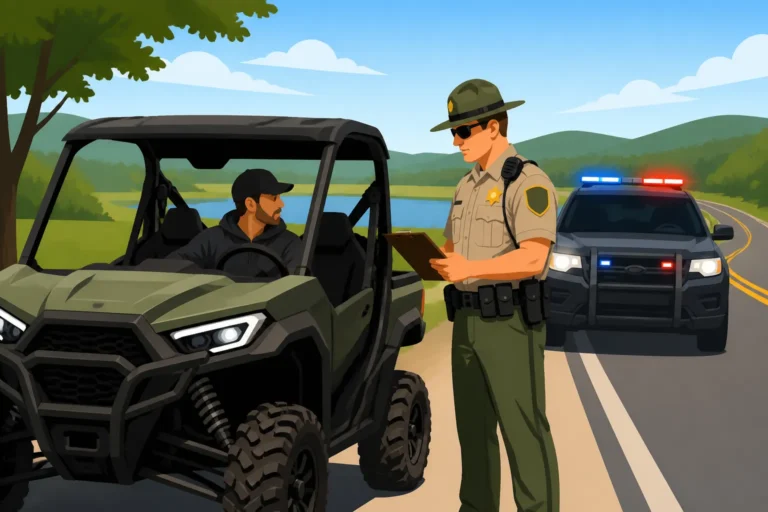
Enforcement is another significant area where local permit fees can make a real difference. When a city or county decides to allow OHVs on its roads, its local law enforcement agencies become responsible for ensuring riders comply with the ordinance. This means officers need to be educated on the specific rules, such as [Missouri Rules for Crossing a Highway] or the local speed limits. Funds from permits can help cover the costs associated with training officers, increasing patrol presence during peak riding times, or even purchasing equipment needed for enforcement, like radar guns or specific vehicle tracking software. This ensures that the local police or sheriff's department has the resources to effectively manage the program and keep everyone safe, deterring illegal activity and issuing citations for [Missouri Fines for Illegal ATV Road Use].
Enhancing Local Rider Resources
Beyond just maintenance and enforcement, some progressive local communities might use permit funds to enhance rider resources, making the experience better for everyone. This could include developing and distributing maps of approved riding areas, creating designated staging or parking areas for OHV trailers, or even funding community events that promote safe riding. While not every community goes this far, the flexibility of local funds means they can. Imagine a small town using a portion of its permit revenue to set up a kiosk at the edge of town with information about local trails, rules, and perhaps even emergency contacts. This kind of investment, while perhaps less common, directly benefits the riding community and helps foster a positive relationship between riders and the local government. Riders often equip their machines with robust storage solutions from companies like SuperATV, perfect for carrying these maps and information guides.
The Bigger Picture: Balancing Local Control and State Regulations
Missouri's system, while sometimes challenging to navigate, reflects a balance between state-level safety concerns and local desires for autonomy. Understanding this dynamic helps riders appreciate why the permit money flows the way it does.
The Role of State Law in Enabling Local Ordinances
It’s important to remember that even though cities and counties create their own OHV road-use ordinances, they can only do so within the bounds of state law. The state provides the legal framework that allows local governments to act. For instance, the state defines what an "all-terrain vehicle" or a "recreational off-highway vehicle" is for titling and decal purposes, and it sets the general prohibitions on state roads. Local ordinances then carve out exceptions to these general prohibitions, but they can't contradict the broader state statutes. This means that while a city can allow UTVs on its streets, it can't, for example, override state requirements for [Proof of Insurance Under a Missouri Ordinance] if they were ever universally implemented for OHVs on roads, or redefine what constitutes an ATV for state titling purposes. This interplay is a delicate dance, allowing local flexibility without creating outright legal chaos.
Working Towards a More Harmonized System
As more and more [Missouri Cities That Allow UTVs on Streets] and [Missouri Counties That Allow ATVs on Roads] emerge, there's an increasing conversation among riders and advocates about the possibility of a more harmonized system in Missouri. While local control has its benefits, the sheer variety of rules can be a barrier to recreational riding and even economic development. Some riders dream of a simpler, statewide permit that would allow legal road use across any participating municipality. For now, however, the system remains locally driven, with permit fees directly supporting the communities that choose to open their roads. Companies like SuperATV that provide accessories for safe and compliant road use, such as proper lighting or mirrors, are often aware of this varied regulatory landscape and design products to meet a wide range of requirements. Until a more unified approach is adopted, riders will continue to navigate the specific rules and pay the local fees of each jurisdiction they wish to ride in, knowing that those dollars are staying right there, in the towns and counties they visit.
| Fee Type | Collecting Entity | Funds Destination | Purpose |
|---|---|---|---|
| ATV/UTV Title Fee | State of Missouri | State General Fund | Administrative costs for vehicle ownership records |
| ATV Decal/Reg. Fee | State of Missouri | State ORV Fund | Statewide trail development, maintenance, and administrative overhead |
| Local Road Permit Fee | City/County | Local Treasury | Local road maintenance, law enforcement, signage, and administrative costs |
Disclaimer
This article is for general informational purposes only and does not constitute professional advice. Laws, prices and regulations vary by location and change over time. Consult a qualified professional for guidance on your specific situation.