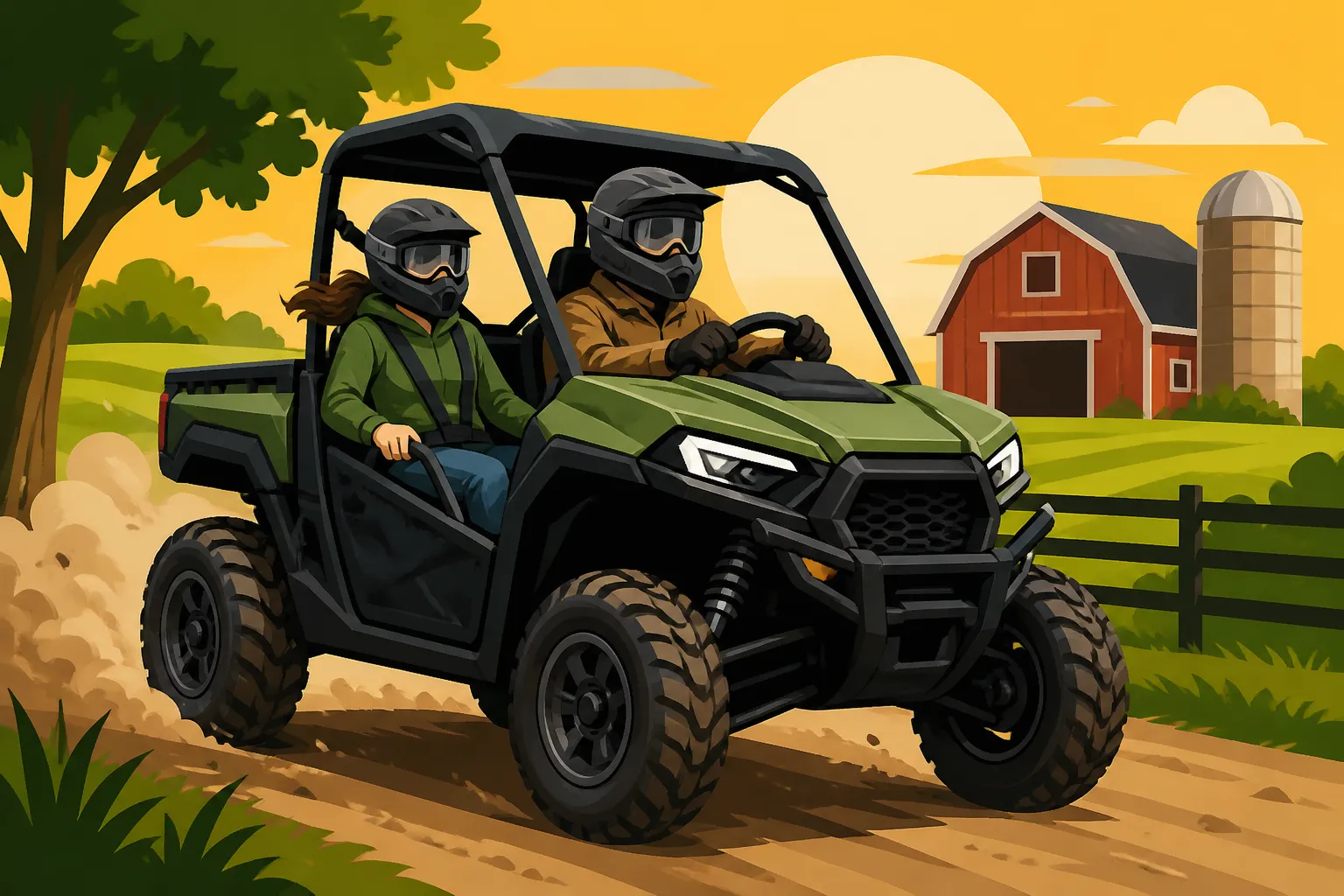
Riding Double on a Farm
There's a persistent question that pops up among folks who use their ATVs and UTVs for work on the farm: "Can I bring a second person with me?" It's not just about recreational rides; when you're moving equipment, checking fences, or heading out to feed livestock, having an extra set of hands or just someone along for the ride can be really helpful. This guide will cut through the confusion surrounding Missouri's specific rules for carrying passengers on your quad or side-by-side, especially when you're deep in the fields doing agricultural work.
Missouri's General Stance on ATV Passengers
Before we dive into the specifics of farm use, it's really important to understand the baseline. Missouri, like many states, has pretty clear-cut rules about passengers on off-highway vehicles (OHVs), and they definitely make a distinction between ATVs and UTVs. This isn't just bureaucratic red tape; it's rooted in safety.
Why the Law Limits ATV Passengers
Let's be honest, most ATVs – the traditional four-wheelers with straddle seats and handlebars – are designed for a single rider. When you add a passenger, especially an adult, you completely change the weight distribution, the center of gravity, and how the machine handles. Suddenly, that quick lean into a turn or a sudden brake can become precarious. The manufacturer's design assumes one person, and anything else significantly increases the risk of a rollover or loss of control. The law reflects this design reality, aiming to keep riders safe by generally restricting ATVs to one person. Missouri's regulations for ATVs often prohibit passengers, recognizing that these machines are built for solo operation, even if some after-market seats exist. It's a matter of stability and control, and adding a passenger can compromise both significantly.
The Distinction Between ATVs and UTVs for Passengers
This is where the waters can get a little murky, but it's a crucial distinction. When the law talks about "ATVs," it's usually referring to those straddle-seat machines. UTVs, or side-by-sides, are a different beast entirely. They typically have bench seats or bucket seats, a steering wheel, roll bars, and often seatbelts, much more like a small car or truck. Because of their design, UTVs are often manufactured and intended to carry multiple passengers, with designated seating positions. This fundamental difference in design means that what applies to a traditional ATV often doesn't apply to a UTV. [How the Passenger Rule Treats a Two-Seat Machine] delves deeper into how the law views multi-seat vehicles. For UTVs, if it has a factory-installed seat for a passenger, that passenger is generally allowed, assuming they follow other safety guidelines like wearing seatbelts. The key is what the manufacturer intended and designed the machine for.
The Agricultural Use Exception for Riding Double
Now for the good news, especially if you're out on the back forty. Missouri does have specific exceptions for off-highway vehicles when they are being used for agricultural purposes. This is where the ability to carry a passenger on a machine that might otherwise be single-rider becomes possible. It's a recognition that farms operate differently and sometimes, practical necessity outweighs general recreational rules.
What Qualifies as "Agricultural Purpose" in Missouri
Missouri law is pretty understanding when it comes to the demands of farm life. An "agricultural purpose" isn't strictly defined down to the blade of grass, but it generally encompasses activities directly related to farming, ranching, or other agricultural operations. Think about it:
- Checking Livestock: Heading out to the pasture to make sure the cattle are all accounted for, or checking on newborn calves.
- Inspecting Crops or Fields: Driving through the corn rows to check for pests or disease, or assessing drainage after a heavy rain.
- Repairing Fences: Transporting tools, fencing materials, and an extra person to help stretch wire or dig post holes.
- Hauling Feed or Supplies: Moving a small amount of feed to a specific pen, or bringing small tools to a remote part of the property.
- Moving Equipment: Transporting someone to retrieve a tractor or other piece of farm machinery that's broken down in a field.
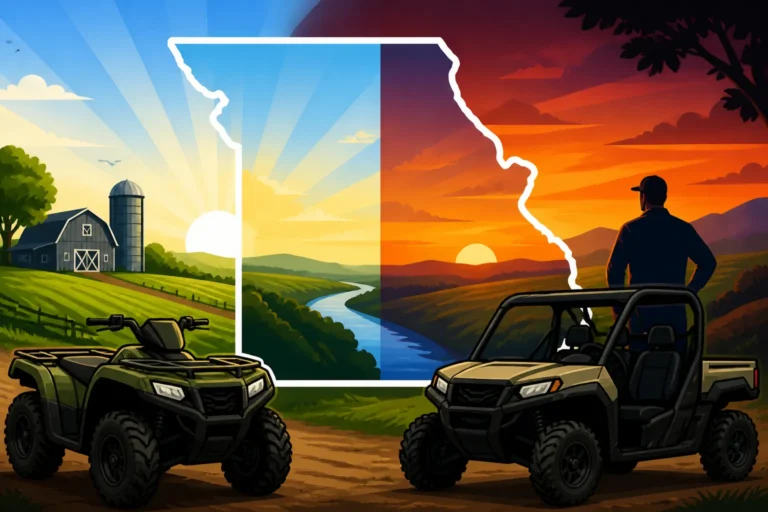
These are all legitimate reasons where having a passenger isn't for joyriding, but for getting the job done. [Missouri Agricultural Use From Sunrise to Sunset] explores how time of day might also factor into these agricultural exemptions, especially if you're operating on public roads for short distances. It’s about the intent and activity that defines the "agricultural purpose," not just the fact that you're on a farm.
Practical Scenarios of Farm Passenger Use
Let's paint a picture of how this exception might play out on your farm. Imagine you're driving a four-wheeler, typically a single-rider machine, and your teenager needs to come along to help carry a new gate latch and a handful of tools out to the far pasture. Under general rules, this would be a no-go for a traditional ATV. However, because you're engaged in fence repair – a clear agricultural purpose – Missouri law typically allows that passenger.
Another common scenario might involve a UTV. While UTVs generally permit passengers by design, the agricultural exception solidifies your ability to use it for work-related transport, even if your local county road rules are otherwise strict. Say you and a hired hand are driving out to spread some mineral supplements for the herd, taking the UTV because it's quicker and can haul more. Your UTV is designed for two, and you're using it for work. The agricultural exception reinforces that use. Many farmers use heavy-duty accessories from companies like SuperATV, such as cargo boxes or utility racks, to make their machines even more useful for these tasks, allowing them to carry necessary supplies in addition to a helper.
It's crucial to distinguish this from purely recreational riding. Taking your kids for a spin around the property just for fun, while understandable, typically falls outside the "agricultural purpose" exception if your ATV is not designed for passengers. The law is trying to accommodate the realities of farm labor, not open the floodgates for unrestricted passenger use on all machines.
Safety First, Even When Legal
Just because the law allows you to carry a passenger for agricultural purposes doesn't mean you should throw caution to the wind. Safety should always be your top priority. An ATV or UTV, especially with the added weight of a passenger, can still be dangerous if not operated carefully. The terrain on a farm can be unpredictable – muddy spots, hidden rocks, uneven fields, steep inclines – and adding a passenger amplifies the risks if you're not extremely vigilant. Always remember that the exception is for utility, and that utility needs to be exercised with the utmost care. [When Farm Work Allows a Passenger on an ATV] highlights this balance between practicality and responsibility.
Ensuring a Safe Ride When Carrying a Passenger on the Farm
So, you've determined that your specific farm task falls under Missouri's agricultural exception and you're clear to have a passenger. Fantastic! But your responsibility doesn't end there. Ensuring the safety of yourself and your passenger requires careful attention to your machine, your gear, and how you approach the unique challenges of farm terrain.
Machine Capacity and Condition
First things first, know your machine. Every ATV and UTV has a manufacturer's specified weight capacity. This isn't just a suggestion; it's a critical safety limit. Exceeding it can strain the suspension, brakes, and even the frame, leading to mechanical failure and a loss of control. Always check your owner's manual for the gross vehicle weight rating (GVWR) and ensure that the combined weight of you, your passenger, and any cargo doesn't go over that limit.
Beyond weight, consider the machine's overall condition. Before carrying a passenger, do a quick pre-ride inspection:
- Tires: Are they properly inflated? Are the treads in good condition, especially if you're navigating soft fields or muddy lanes?
- Brakes: Do they work effectively and evenly? You'll need more stopping power with extra weight.
- Steering: Is it responsive? Any looseness can be magnified with a passenger.
- Suspension: Is it healthy and able to handle the added load without bottoming out?
- Lights: If you're out near dawn or dusk, ensure all lights are working.
For UTVs, verify that all seatbelts are functional and that the roll cage is intact. If you've modified your machine, for instance, adding heavy-duty springs or a SuperATV lift kit for better ground clearance on rough farm roads, consider how these changes might affect stability with a passenger. While beneficial for certain tasks, any modification changes the factory characteristics. [Missouri Rules for Riding a Farm Lane] emphasizes the importance of machine readiness for the varied surfaces you'll encounter on private land.
Rider and Passenger Gear
Personal protective equipment (PPE) isn't just for recreational trail riding; it's vital on the farm too. While Missouri's helmet laws for adults are specific to public roads, they generally require riders under 18 to wear a helmet. On private land, however, common sense dictates a different approach. Even if the law doesn't require an adult to wear a helmet on your private farm, it's a wise choice, especially with a passenger. A simple rollover can have severe consequences, and helmets dramatically reduce the risk of head injury. [Missouri Helmet Law for Riders Under 18] outlines the legal requirements for younger riders, but proactive safety goes beyond that.
Beyond helmets, consider:
- Eye Protection: Goggles or a face shield protect against dust, branches, and insects.
- Long Sleeves and Pants: Protect against scrapes, sun, and insect bites.
- Sturdy Footwear: Boots with ankle support can prevent twists and provide grip.
- Gloves: Improve grip and protect hands.
Make sure your passenger is also appropriately geared up. If they are not accustomed to riding, they might not realize the importance of proper attire until it's too late. A little upfront guidance can go a long way.
Navigating Farm Hazards with a Passenger
Farm environments present their own unique hazards that differ from designated trails. With a passenger, these hazards become even more critical to manage.
Table: Farm Hazards and Passenger Safety Tips
| Hazard | Description | Passenger Safety Tip |
|---|---|---|
| Uneven Terrain | Ruts, furrows, hidden rocks, sudden drops, inclines. | Slow down. Maintain a steady speed. Avoid abrupt turns. Communicate with passenger. |
| Mud & Soft Ground | Slippery surfaces, potential for getting stuck or tipping. | Test ground conditions. Avoid deep mud if possible. Use low gear and steady throttle. |
| Obstacles | Low-hanging branches, gates, fencing, farm equipment. | Point out obstacles ahead. Give passenger time to react. Ensure passenger keeps hands/feet inside UTV. |
| Livestock | Unpredictable animal movements, herd behavior. | Approach animals slowly and cautiously. Avoid startling them. Give them space. |
| Farm Implements | Parked machinery, sharp edges, PTO shafts. | Maintain safe distance. Ensure passenger is aware of surroundings when dismounting. |
| Chemicals/Pesticides | Spills, dust, fumes in certain areas. | Avoid areas with active chemical use. Be aware of wind direction. |
| Water Crossings | Creeks, drainage ditches, flooded areas. | Assess depth and current. Proceed slowly. Be aware of slippery banks. |
| Dust & Debris | Poor visibility on dry, gravel roads or fields. | Use eye protection. Keep distance from other vehicles. Turn on lights if visibility drops. |
Before you even start the engine, have a clear conversation with your passenger. Explain what they should and shouldn't do:
- Hold On: Tell them where to hold on securely. For ATVs, this often means holding onto the rider or designated handholds if available. For UTVs, use the grab handles.
- Stay Seated: Emphasize the importance of staying seated and keeping arms and legs inside the machine, especially when going over bumps or around turns.
- Lean with the Rider (on ATVs): For traditional ATVs, the passenger often needs to lean with the rider in turns. This is critical for maintaining balance. Practice this slowly if they're new to it.
- No Distractions: Ask them to avoid distracting the driver, especially in challenging situations.
- Communicate: Establish simple hand signals or verbal cues for "slow down," "stop," or "watch out."
Always drive defensively, anticipating potential hazards on the farm. Remember, with an extra person, your stopping distance will increase, and your machine's handling will feel different. Take your time, especially on unfamiliar routes or challenging terrain. The goal is to get the farm work done efficiently and safely, ensuring everyone arrives back at the barn in one piece.
Disclaimer
This article is for general informational purposes only and does not constitute professional advice. Laws, prices and regulations vary by location and change over time. Consult a qualified professional for guidance on your specific situation.