Missouri ATV Trails Near Columbia
If you’re looking for ATV trails near Columbia, Missouri, the tricky part is finding places where riding is actually allowed—not just roads or public land that look promising on a map. Finger Lakes State Park is the closest well-known option, but permits, machine limits, trail conditions, and age rules can shape the day. This guide explains how to plan a ride and what to check before you haul out.
Start With Finger Lakes State Park
Why Finger Lakes is the first place to check
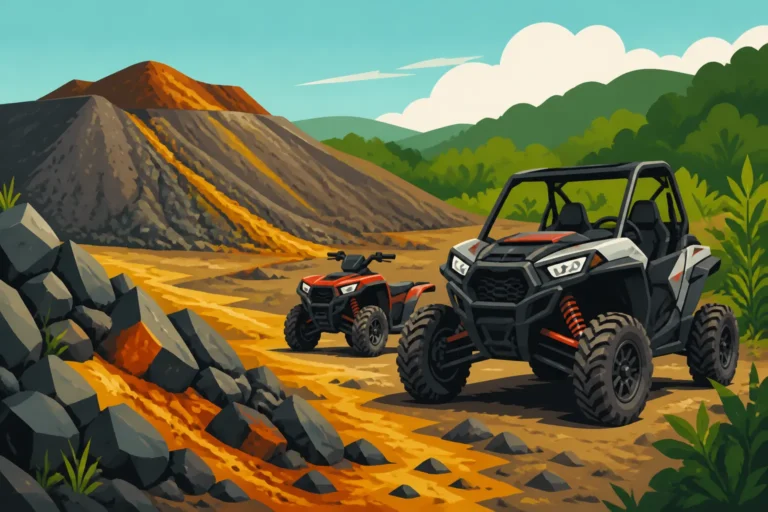
Finger Lakes State Park, north of Columbia near the town of Moberly, is the most practical starting point for many riders in the area. It has a designated off-road vehicle riding area, so you’re not left trying to figure out whether an ordinary park road or nearby public land allows ATVs. The park’s riding landscape reflects its past as a coal-mining site, with terrain unlike a typical wooded Ozark trail system.
The park’s history is part of what makes the ride distinctive. Former mining ground, open areas, and water-filled cuts give the setting a different feel from a narrow forest trail. For more background, see [Finger Lakes and Missouri's Coal Mine Past]. If you’re comparing possible destinations, [Finger Lakes State Park in Missouri] is a useful place to start learning about the park itself.
“Near Columbia” still means planning a drive, loading the machine, and making sure the riding area is open and suitable for your group. Before leaving, check the park’s official information for current access, operating rules, trail notices, and any temporary closures. Don’t assume that a road, field, or path near the park entrance is part of the authorized riding area.
Check permits and machine requirements before you go
A Missouri ATV title or registration decal and a riding-area permit serve different purposes. A title or decal does not automatically pay for access to a particular park’s ORV area. Before the trip, check the park’s current permit requirements, how permits are sold, and whether the permit applies to the type of machine you plan to bring. [Missouri ORV Permit Cost] explains the separate permit question in more detail.
Machine dimensions matter, too. A wide side-by-side may not be allowed on every trail or through every access point, even when a narrower ATV can ride there. Check the park’s current width limit and any other equipment rules for your specific vehicle. Measure the machine itself rather than relying on a model name or a guess based on how it looks beside another vehicle.
Also confirm requirements for helmets, flags, spark arresters, passengers, and youth riders. Rules can vary by riding area, and a machine set up for private property may not meet public-land requirements. Keep the park’s official rules handy, and check them again shortly before your visit in case access or requirements have changed.
Choose a Ride That Fits Your Group
Match trail conditions to experience and machine
A first visit is easier when everyone agrees on what kind of ride they want. One rider may be looking for a relaxed outing and time to get comfortable with the controls; another may want a more technical route. Choose terrain that suits the least experienced rider and the least capable machine in the group, rather than letting the most confident rider set the pace.
Conditions can change the feel of a route. Loose ground may be manageable when dry but slippery or deeply rutted after rain. Water and mud can hide holes, soft edges, and uneven footing. If the ground looks saturated, or the park has posted a closure, don’t try to find a way around it. A detour can damage the trail and put riders in trouble. See [Missouri Trail Conditions Before You Ride] for a broader pre-trip checklist.
A route-planning app such as onX Offroad can help you review mapped routes and prepare a general plan before you arrive. Treat app information as a planning aid, not permission to ride: follow the park’s posted signs and official map, and don’t enter roads or land simply because a digital map displays a line there. Save useful information before you leave home so you’re not depending on a strong phone signal at the riding area.
Make it comfortable for beginners and families
A new rider may be nervous about more than the machine itself. Noise, unfamiliar terrain, other vehicles, and the pressure to keep up can make an outing stressful. Start with a short ride, agree on hand signals or a simple way to regroup, and make sure every rider knows how to stop safely. Don’t let a beginner feel pushed into terrain they aren’t ready for.
If children are riding, look into the park’s dedicated youth facilities and age-specific rules before you go. Finger Lakes has a youth riding area; its conditions and access rules should be checked with the park before planning around it. [Finger Lakes' Youth Riding Area] offers a more specific starting point. For broader planning considerations, see [Missouri Trails Good for Kids].
Give children a clear boundary for where they may ride, and keep an adult close enough to supervise effectively. A child who is comfortable on a small machine in a yard may still need time to adjust to a public riding area. Properly fitting helmets and protective clothing matter, and a youth rider should use a machine suited to their size and ability—not simply the one that is available.
Plan the Practical Details Before Loading
Use a checklist for permits, gear, and transport
A little preparation can prevent the classic frustrating arrival: the trailer is unloaded, everyone is ready, and then you discover a permit or piece of required equipment is missing. Confirm the park’s access process in advance and make a short checklist for each vehicle. The exact requirements can differ by site and machine type, so don’t rely on what a friend packed for a different park.
| Before you leave | What to check |
|---|---|
| Access | Confirm the riding area is open and review current notices |
| Permit | Find out which permit applies and how to obtain it |
| Machine | Check width limits, passenger rules, and required equipment |
| Riders | Review helmet, age, and supervision requirements |
| Route plan | Choose a suitable starting area and agree on a regroup point |
| Trailer and gear | Secure machines, fuel, tools, water, and protective clothing |
| Weather | Consider rain, heat, and how each could affect the ground |
For navigation, onX Offroad can be one layer of preparation alongside the park map. Download or save what you need before the trip, and keep a simple backup plan in case your phone battery runs low or the app does not show the information you expected. At the trailhead, posted signs and park staff guidance take priority over a route line on a screen.
Bring basic tools and supplies appropriate for your machine, along with water and clothing for the conditions. For a trailer trip, check tie-downs before leaving and again after the first stretch of road. If your group is spread across multiple vehicles, share the destination, meeting point, and a plan for what to do if someone arrives late or takes a wrong turn.
Treat access rules as part of the ride
Public riding areas have boundaries for a reason. Stay on routes open to your machine, obey closures, and avoid cutting across vegetation or creating an unofficial shortcut around a barrier. A route that looks harmless may cross land where riding is prohibited or connect to a road with different rules. If you’re unsure, stop and check rather than riding on and hoping the map is right.
Keep the group together in a way that suits the terrain. Agree on a safe place to stop, give slower riders room, and avoid pushing someone into a pace or route that makes them uncomfortable. Leave gates and trail features as you find them, carry out trash, and be considerate of other visitors. Responsible riding helps keep access available for everyone.
Consider Other Riding Areas as Longer-Day Alternatives
Know when to look beyond Columbia
Finger Lakes is the obvious first choice for a Columbia-area ride, but it may not suit every trip. Your preferred terrain, machine width, group experience, and available time all matter. If you’re willing to drive farther, compare other established riding areas rather than assuming that a nearby forest road, conservation area, or trail is open to ATVs.
Missouri destinations such as St. Joe State Park and the Chadwick riding area can involve considerably more travel from Columbia, so they’re better treated as separate trip plans than quick local substitutes. Check each location’s rules independently: a permit, width limit, trail system, and riding schedule at one site may not apply at another. [Missouri Trails for Beginners] can help you think through how to match a route to experience, while [Missouri Trails With Sand] is relevant if surface type is part of your decision.
onX Offroad may help you compare mapped routes as you plan a longer outing, but it cannot replace checking with the land manager. Verify the actual riding area, access point, permitted machine types, and current closures before committing to a destination. If the trip involves a group, agree on a meeting place and fuel plan before you set out.
Decide whether an overnight trip makes sense
A longer drive can make an overnight stay worthwhile, especially when your group wants more than a few hours on the trail. Check whether camping is available at or near the riding area, whether reservations or separate fees apply, and whether the campground accommodates your trailer and tow vehicle. [Missouri ORV Park Camping] is a useful related topic when you’re comparing overnight options.
Think through the whole trip, not just the ride. A late arrival can leave little time to unload, check in, and understand the trail system before dark. If you’re visiting an unfamiliar park, arriving with enough daylight to get oriented makes the day calmer. Keep your first outing modest, learn how the area is laid out, and leave time to load safely before heading home.
For a closer ride, start by confirming Finger Lakes’ current access and rules. For a longer weekend, compare other designated riding areas based on terrain, distance, machine limits, and camping. Either way, the best plan is one that leaves room to adjust if conditions or access change.
Disclaimer
This article is for general informational purposes only and does not constitute professional advice. Laws, prices and regulations vary by location and change over time. Consult a qualified professional for guidance on your specific situation.