Planning a Weekend Across Two Parks
A weekend at two Missouri riding areas can sound like twice the fun, until you realize how much time goes into towing, permits, unloading, and checking trail conditions. A workable plan starts with choosing parks that fit your machine and riding style, then building in enough travel and recovery time to enjoy both places without turning the weekend into a rushed checklist.
Choose two riding areas that make sense together
Missouri’s off-road destinations are spread across the state, so “two parks in one weekend” usually means two separate riding days with a drive between them—not one continuous trail network. Pick the pair based on what you want from the ride and how much time you are willing to spend on the road.
Compare the ride, not just the distance
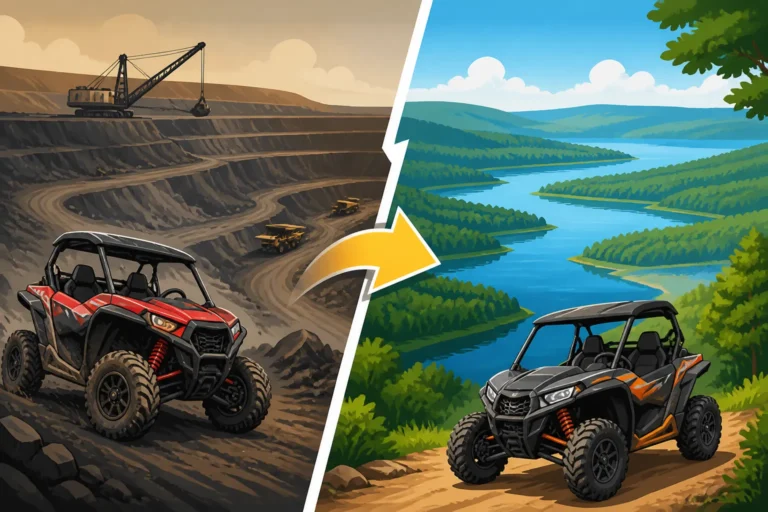
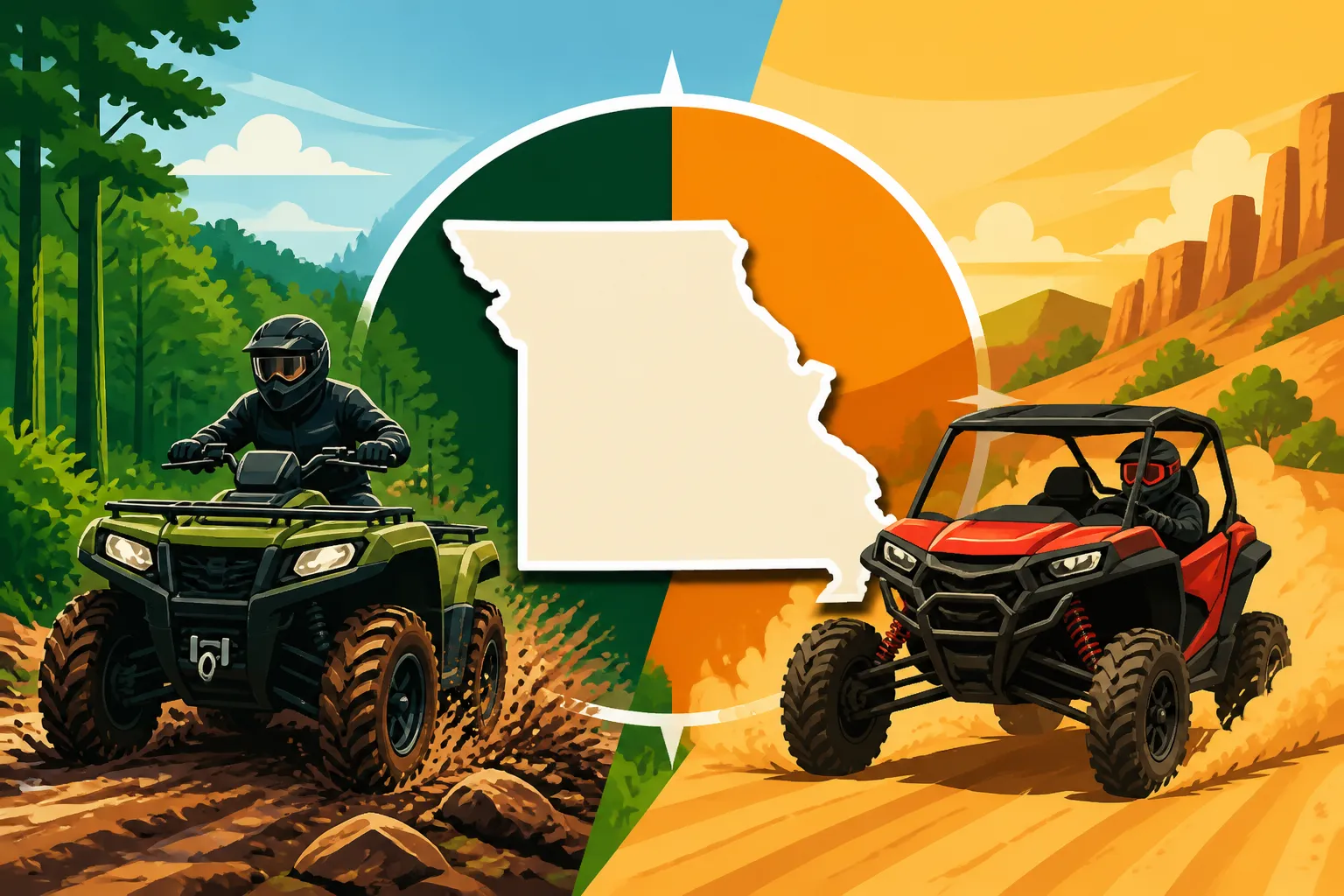
St. Joe State Park near Park Hills is known for its sand flats and reclaimed mine terrain. Finger Lakes State Park, near Columbia, offers a different setting shaped by its coal-mining history, along with trail riding and a youth riding area. Both can make an appealing two-stop weekend, but they are not neighboring trail systems. You will need to trailer your machine between them and treat each park as a separate riding destination.
That distinction matters when you are planning around a family, a group ride, or a machine that takes time to load and secure. A map may make the route look straightforward, but your real schedule includes packing up at the first park, checking the trailer, driving, stopping for fuel or food, and setting up again. If your group tends to linger over lunch or needs frequent breaks, allow for that rather than assuming you will arrive at the second park ready to ride immediately.
Think about the experience you want from each day. If your group enjoys open, sandy terrain, St. Joe may be the day everyone looks forward to. If you want a different setting or are traveling with a young rider who needs an appropriate place to practice, Finger Lakes may add variety. For more background on both destinations, see St. Joe State Park’s Sand Flats in Missouri and Finger Lakes State Park in Missouri.
Match your machine to both parks
Do not assume a machine that fits one trail system is automatically suitable for another. Width restrictions, permitted vehicle types, trail conditions, and park-specific rules can differ. This is especially important for side-by-sides, which may be too wide for some trail networks even when they are allowed in other places.
Before you commit to the itinerary, check the current rules for each destination and confirm that your exact machine is eligible. Use the machine’s actual width and the park’s stated measurement method, not an estimate based on the model name. A small difference can matter at a trail gate. If you are comparing trail systems with different size limits, Missouri Trails for a Wide Machine and [Missouri Rules for a Machine Over 64 Inches] can help you identify the questions to check before loading.
Also consider the kind of terrain your machine handles comfortably. A stock machine may be a good fit for one park but feel underprepared on a rougher or rockier route elsewhere. Conversely, modifications that help in one setting do not replace the need to follow trail restrictions at the next stop. A two-park weekend works best when the vehicle is suitable for both destinations without forcing you to take chances or avoid large parts of the trail system.
Build a realistic two-day itinerary
The best schedule is not the one with the most riding hours written into it. It is the one that leaves enough room for the small delays that happen on real trips: a slow load-out, a muddy machine that needs attention, a missed turn, a closed trail, or a tired rider who needs a longer break.
Decide which park gets the longer riding day
If one park is farther from home or requires a more complicated arrival, consider making it your first destination and spending the night nearby. That can reduce the pressure to drive a long distance early in the morning and still begin riding at a reasonable time. Another option is to start at the park that is easier to reach, then stay overnight somewhere that puts the second day’s destination within comfortable driving distance.
A simple plan might look like this:
| Trip element | Day one | Day two |
|---|---|---|
| Main goal | Arrive, check in, and ride the first area | Drive to the second area and ride a shorter or full session |
| Best planning focus | Travel time, unloading, orientation, and trail choice | Early departure, trailer check, and the second park’s rules |
| Helpful buffer | Extra time for parking, gear, and a slower start | Extra time for the drive and a possible early finish |
| End-of-day task | Secure the machine and review the next day’s route | Clean, inspect, and secure equipment for the trip home |
The table is a framework, not a promise that every trip will fit neatly into two days. If the drive between destinations is substantial, shorten one riding session rather than squeezing travel into the middle of the day. A family with younger riders may be happier with a few focused hours at each park than with an ambitious schedule that leaves everyone exhausted.
Plan the transfer between parks as its own trip
Moving from one riding area to another takes longer than the driving estimate on a map. Allow time to leave the trail, cool down, load carefully, and check tie-downs before you set off. A machine that has been bouncing over rough ground may have loosened straps or collected mud around components that should be checked before a highway drive.
Use the evening before the transfer to prepare. Put helmets, gloves, permits, and other items where you can find them without unpacking the whole rig. If you are carrying fuel, tools, or wet gear, secure them so they cannot shift during the drive. Confirm where you will park and unload at the next location, and avoid arriving close to closing time or after dark when you still need to figure out access.
If you use a navigation app such as onX Offroad, save the areas or routes you plan to reference before leaving home, and do not rely on a phone signal at the trailhead. Treat any digital route as a planning aid rather than permission to ride somewhere. Posted signs and current park instructions take priority. You can also check Missouri Trail Conditions Before You Ride and Missouri Trail Closures to Check First before packing the trailer and again before each riding day.
Handle permits, rules, and trail conditions at each stop
A common planning mistake is assuming that one permit or decal covers every type of riding in Missouri. Different land managers can have separate requirements. A state title or registration document is not automatically the same thing as a trail-use permit, and a permit for one area should not be assumed to work at another.
Check each park’s access requirements separately
Before leaving home, make a short checklist for each destination: vehicle eligibility, required permits, riding hours, helmet or flag rules, sound limits, and any age or supervision requirements that apply to your group. Confirm where permits are obtained and whether they need to be displayed on the machine. Requirements can vary by location and by vehicle type, so use the park’s official information for the specific trip.
This is also the moment to distinguish between registration and trail access. A Missouri ATV decal may address one legal requirement, while a park may have a separate process for riding on its trails. If you are unsure what each document does, review Missouri ORV Permits Explained and Does Your Decal Cover the Park Trail Permit?. For visitors bringing a machine from outside Missouri, check Missouri ORV Reciprocity With Other States rather than assuming an out-of-state registration settles every local requirement.
Keep the relevant information easy to reach. Save confirmation details on your phone, but consider carrying a written note or a screenshot in case service is limited. Store decals or paperwork where they will not get soaked, torn, or buried under riding gear. If someone else in your group handles the trailer or paperwork, make sure they know which permit applies to which destination.
Use trail updates to adjust the plan
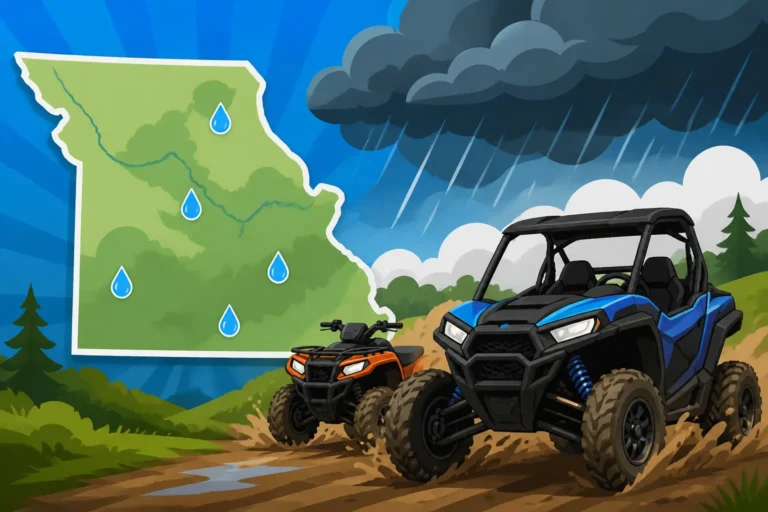
Trail conditions can change with weather, maintenance, and seasonal closures. Heavy rain can make routes muddy, obscure hazards, or lead to temporary closures. Dry weather can bring dust and reduced visibility. A weekend plan should have a backup route or an alternate activity in case the trail you hoped to ride is unavailable.
Check notices close to the trip, not just when you first book a campsite or plan a route. At the park, read the trailhead board and follow posted closures even if a digital map still shows a route. Apps such as onX Offroad can help you prepare and keep track of your general location, but they should not replace signs, park staff guidance, or official closure notices.
Make the group agree on a simple turnaround rule. If a route is taking longer than expected, visibility is poor, or someone is uncomfortable with the terrain, turn back while there is still daylight and energy to do so. That can feel disappointing when you have traveled a long way, but it is much better than pushing the group into a difficult situation late in the day. For trip-specific planning, Missouri Trail Maps From State Parks is a useful starting point for understanding what information to look for.
Pack for the transition between riding days
A two-park trip puts more strain on people and equipment than spending the whole weekend in one place. A little preparation helps prevent a small problem—like a loose strap or damp gloves—from eating into the next day’s ride.
Organize equipment so the second day starts smoothly
Pack riding gear in separate, easy-to-reach bags rather than piling everything together in the trailer. Keep helmets, goggles, gloves, and protective clothing accessible. Bring dry spares, especially socks and gloves, because wet gear is unpleasant to wear and can make a cold or windy ride harder than it needs to be.
Set aside a basic tool kit, tire repair supplies suited to your machine, a first-aid kit, drinking water, and a flashlight or headlamp. Carry what you need for ordinary trail-side problems without bringing loose equipment that can shift in transit. Before the trip, check tires, brakes, lights, fluids, and the trailer’s tires and connections. After the first riding day, inspect the machine again. Mud, sand, and vibration can reveal issues that were not obvious during the morning check.
If you are camping, keep overnight essentials separate from the gear you need for riding. A clean change of clothes and a place to dry damp items can make the second morning far more comfortable. For a family trip, label bags by rider so one person is not searching through everyone’s gear while the group waits at the staging area.
Make room for rest and small changes
Do not treat every free hour as riding time. Eat and drink regularly, especially during hot or humid weather, and pay attention to fatigue. Riders who are tired often make less careful decisions about speed, spacing, and terrain. Build in breaks for younger riders and anyone new to off-road riding.
Leave some flexibility in the weekend. If the first park is especially enjoyable, you may want to ride longer there and shorten the next session. If weather turns or a machine needs attention, a relaxed alternate plan is safer than trying to recover lost time by rushing. onX Offroad can be one part of your preparation for reviewing general route information, while park notices and conditions on the ground should guide what you actually ride.
A successful weekend across two Missouri parks is not measured by how many trails you complete. It is measured by whether the destinations suit your machine, the travel plan leaves room to breathe, and everyone finishes the trip safely enough to look forward to the next one.
Disclaimer
This article is for general informational purposes only and does not constitute professional advice. Laws, prices and regulations vary by location and change over time. Consult a qualified professional for guidance on your specific situation.