Why a Missouri Registrant Must Be Sixteen
It’s a common scenario: you’ve got a teenager who’s been saving every dime, dreaming of hitting the trails on their very own ATV. They finally scrape together enough money, find the perfect machine, and then you hit a snag at the license office. Suddenly, you discover that despite being old enough to ride, they can’t actually register the ATV in their own name in Missouri. This can be incredibly frustrating and confusing for families, but there's a clear legal reason why the Show-Me State requires ATV registrants to be at least sixteen years old, and this guide will walk you through it and how to navigate the process.
The Core Reason Behind Missouri's Age Requirement for ATV Registration
When it comes to motor vehicles, even off-road ones, the state has a vested interest in ensuring that the person legally responsible for the machine is also legally capable of handling those responsibilities. This isn't about whether someone can physically operate the ATV; it's about the paperwork, the liabilities, and the legal obligations that come with official registration. Missouri’s approach reflects a broader legal principle that impacts everything from car titles to home ownership, ensuring that the individual signing on the dotted line is recognized by the law as an adult.
Legal Responsibility and Contractual Capacity
At the heart of Missouri's age requirement for ATV registration is the concept of legal responsibility and contractual capacity. Simply put, a minor—anyone under the age of 18—is generally not considered legally competent to enter into contracts. When you register a vehicle, you're essentially entering into an agreement with the state. You're confirming ownership, agreeing to abide by certain laws regarding its use, and accepting potential liabilities associated with that ownership. The state needs to know that the person holding the registration can be held accountable, both financially and legally.
Imagine a situation where an ATV registered in a minor’s name is involved in an accident, or perhaps the owner fails to pay sales tax or violates local ordinances. If the registrant is a minor, the legal system faces significant challenges in holding them directly accountable for these actions. It creates a bureaucratic headache, as any legal action would likely need to be directed at the minor’s parents or guardians anyway. By requiring the registrant to be at least 16 years old, Missouri ensures that there is an adult legally capable of understanding and accepting these responsibilities, simplifying the enforcement of laws and the resolution of disputes.
This isn't just about preventing minors from being sued, but also about administrative practicality. The state's Department of Revenue, which handles vehicle registrations, operates on established legal frameworks. These frameworks are built around the expectation that the individuals registering property are adults who can make binding legal commitments. Without this age floor, the system would become significantly more complex, requiring special provisions and legal interpretations for every minor's registration. It's a foundational legal principle that underpins many aspects of property ownership and official documentation, ensuring a clear chain of responsibility and accountability.
Safety and Maturity Considerations
While the ability to operate an ATV safely is paramount and often has its own set of age-related restrictions, the registration requirement taps into a different facet: the maturity to handle the administrative and legal aspects of ownership. The state isn't just concerned with who is riding the machine, but who is responsible for its legality, maintenance, and adherence to regulations when it's not being ridden. A registered vehicle implies a long-term commitment and a series of ongoing obligations.
Consider things like ensuring the [Missouri's Three-Year ATV Decal] is current, understanding where the ATV can legally be operated, and complying with any local ordinances. These are responsibilities that require a certain level of foresight, organization, and adherence to adult-level responsibilities. While many young people are incredibly mature and responsible, the legal system draws a line at 16 for a consistent standard. This age threshold is a practical way to ensure that the individual undertaking these duties possesses the recognized legal capacity and presumed maturity to handle them effectively, safeguarding both the owner and the public.
This distinction between riding age and registration age is crucial. A 12-year-old might be perfectly capable of riding an ATV safely in a controlled environment under adult supervision, and Missouri’s laws generally permit this. However, the act of registering that ATV requires an understanding of legal documents, financial commitments (like sales tax, which is due at titling), and ongoing compliance that the state deems appropriate for someone of at least 16 years of age. It’s about ensuring that the person whose name is on the official document can truly stand behind that commitment in the eyes of the law, rather than placing that burden on someone who isn't yet considered a full legal adult.
What Missouri Defines as an ATV in the Eyes of the Law
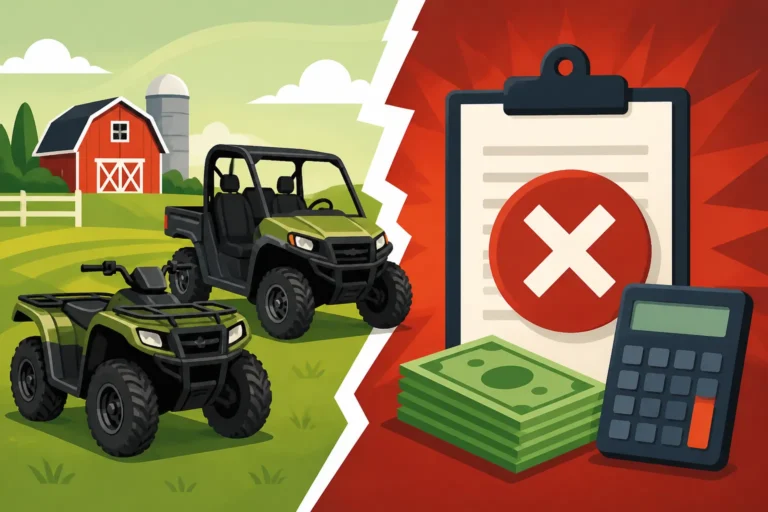
Understanding why a registrant must be 16 starts with knowing what Missouri actually considers an All-Terrain Vehicle (ATV) for titling and registration purposes. The state's definitions are quite specific and differentiate ATVs from other popular off-road vehicles like UTVs or side-by-sides, which often don't have the same registration requirements, thus sidestepping this age issue entirely. This clarity helps to explain why your UTV might not need a decal, but your quad definitely does.
The "Straddle Seat" and "Handlebar" Rule
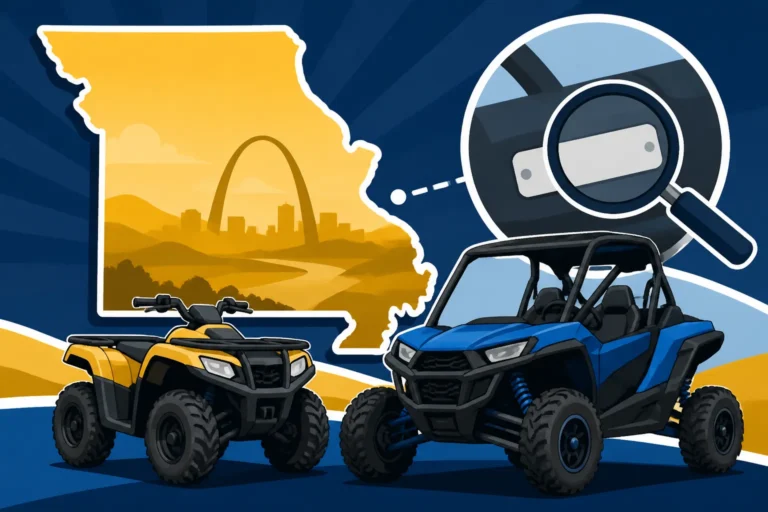
Missouri's legal definition of an ATV is pretty clear-cut and revolves primarily around two key characteristics: how you sit on it and how you steer it. An ATV is defined as any motorized vehicle manufactured and designed exclusively for off-highway use, which is 50 inches wide or less, has a dry weight of 1,500 pounds or less, travels on three or more wheels, and uses a handlebar for steering and a seat designed to be straddled by the operator. That last part—the straddle seat and handlebars—is often the biggest differentiator for many folks.
This specific definition is vital because it determines which machines fall under the state's ATV titling and registration system. If your machine meets this description, then it needs a title, and subsequently, an adult registrant (age 16 or older) to get that required [Missouri's Three-Year ATV Decal]. For example, a quad that you throw your leg over to ride, with handlebars like a motorcycle, fits this description perfectly. It doesn't matter if it's a small youth model or a powerful utility quad; if it has a straddle seat and handlebars, it's an ATV in Missouri's eyes, and thus, falls under the 16-year-old registration rule. For more detail, you can check out [50 Inches Wide or a Straddle Seat].
The reason for this specific classification goes back to consistency and public safety. By narrowly defining an ATV, Missouri can apply a uniform set of rules for registration, titling, and specific operational requirements (like where decals mount or safety gear). This avoids confusion and ensures that certain types of vehicles, which have common characteristics and risk profiles, are regulated under the same framework. Without these clear definitions, it would be a wild west of different machines trying to fit into various regulatory boxes, making enforcement and understanding the law far more challenging for both the state and the average rider.
Why Other Off-Road Machines Have Different Rules
It’s easy to get confused because you see other off-road vehicles, like side-by-sides or UTVs, being operated all over Missouri, sometimes even on city streets with special permits, yet they don't carry the same state-issued ATV registration decal. This is because Missouri’s legal framework specifically [Why Missouri Splits ATVs, UTVs and ROVs]. These vehicles—often called Utility Vehicles (UVs) or Recreational Off-Highway Vehicles (ROVs)—are classified differently and therefore have distinct rules regarding titling and operation.
For instance, a side-by-side, which has bucket seats and a steering wheel, doesn't fit the "straddle seat and handlebar" definition of an ATV. Because of this, [What the Law Calls a Recreational Off-Highway Vehicle] (ROV) or a utility vehicle, it is not subject to the same state-level registration requirement as an ATV. You still need a title for an ROV, just like any other motor vehicle, to establish ownership. However, the ongoing registration decal for off-road use is not mandated by the state. This means that while an adult still needs to title a side-by-side, the specific "registrant must be 16" rule for the off-road decal doesn't apply because the decal itself isn't required.
This distinction is actually quite helpful for families with younger riders. If your child is too young to be a legal registrant for an ATV, a UTV or ROV might offer an alternative for family ownership without the same state-level registration hurdle. While local ordinances for street use or permits for certain riding areas might still require an adult operator or permit holder, the foundational state registration age limit for off-road use doesn't apply to these types of machines. This illustrates the importance of understanding the specific legal definitions; what you call your "quad" or "side-by-side" matters significantly when it comes to Missouri's paperwork.
Navigating Titling and Ownership for Younger Riders
So, you've got a minor who wants to ride, and you understand they can't be the registrant. The good news is that this doesn't mean they can't have "their" ATV. It simply means an adult must step in to handle the official paperwork. This is a common and perfectly legal way to facilitate off-road recreation for younger family members while ensuring compliance with Missouri's laws.
Titling in an Adult's Name: The Practical Solution
Since a minor cannot legally enter into a contract, the most straightforward and practical solution is for a parent or legal guardian to title the ATV in their own name. This establishes clear legal ownership with an adult, satisfying the state's requirements. Even if your teenager diligently saved their allowance, worked odd jobs, or received the ATV as a gift, the actual title document will need to bear the name(s) of an adult. This might feel a little anticlimactic for the young rider who envisioned their name proudly displayed on the ownership documents, but it's the necessary step to keep everything above board.
Think of it as the adult providing legal sponsorship for the vehicle. They are taking on the formal responsibility that the state requires for titled property. This means that on paper, you, as the parent or guardian, are the owner. When it comes time to register the ATV and get the [Missouri's Three-Year ATV Decal], your name will be the one on the registration paperwork. This adult-held title then enables the ATV to be legally operated, whether by the adult or by the minor, provided all other operating rules (like age for riding public land or helmet laws) are followed. It's a common practice for vehicles that minors drive, such as cars titled in a parent's name even if a teen is the primary operator.
It's important to have a frank conversation with your child about this arrangement. While the title is in your name, the spirit of ownership can still reside with them. They can be responsible for its care, maintenance, and even contributing to the costs of permits or fuel. This approach ensures legal compliance while still fostering a sense of responsibility and pride in the machine for the younger rider. Ultimately, the goal is to get that ATV out on the trails safely and legally, and an adult-held title is the key to unlocking that.
The Importance of a Bill of Sale and Proper Documentation
Even if you, as the parent, are going to title the ATV in your name, having proper documentation for the sale is incredibly important. This includes a clear bill of sale, regardless of whether you're buying from a dealer or a private seller. A robust bill of sale protects both the buyer and the seller, establishing the terms of the transaction, the purchase price, and a clear transfer of ownership. Even if a minor is providing the funds for the purchase, the bill of sale should clearly list the adult (who will be the legal titleholder) as the buyer. This ensures a seamless process when you head to the license office for titling.
Using a reliable template for your bill of sale, perhaps from a reputable online legal service like LawDepot, can make this step much easier. A good bill of sale will include details like the ATV's Vehicle Identification Number (VIN), make, model, year, the purchase price, and the names and signatures of both the buyer and seller. This document is critical because it's often a required piece of paperwork when you apply for the title. If the bill of sale lists your minor child as the sole buyer, it can create complications and delays when you try to title it in your own adult name, as it contradicts the legal requirement for an adult registrant. Ensure the name on the bill of sale matches the name on the title application.
Taking the time to get the bill of sale correct upfront will save you headaches down the road, especially with the [Missouri ATV Title Deadline] for getting things processed. It provides an undeniable paper trail of ownership transfer, which is essential for the Department of Revenue. Without it, or with an incomplete one, you might find yourself in a bureaucratic limbo, unable to prove legal acquisition of the machine. Whether it's a private sale or a dealership purchase, insist on a comprehensive bill of sale that accurately reflects the adult who will be the legal titleholder. This document, along with the manufacturer’s certificate of origin (for new machines) or the previous owner’s signed-over title (for used machines), forms the foundation of your legal ownership.
The Registration Process and Adult Supervision
Once the ATV is titled in an adult's name, the next step is getting it registered for off-road use in Missouri. This involves obtaining the distinctive three-year decal that proves your machine is legally compliant for riding on approved public lands and trails. Again, the adult who holds the title will be the one responsible for this process, reinforcing the state's requirement for adult oversight.
The Adult Registrant and the Three-Year Decal
With the ATV successfully titled in your name as an adult, you can then proceed to register it and obtain the necessary decal. Missouri issues a special [Missouri's Three-Year ATV Decal] that must be displayed on the right front fork of your ATV, proving it's registered for off-road use. This decal is valid for three years, and it's your responsibility as the adult registrant to ensure it remains current. The fees for this registration are paid at your local Department of Revenue license office or one of its authorized contract agent locations.
When you complete the application for registration, your name, as the titleholder, will be prominently listed. This solidifies your role as the legally responsible party for the ATV. It’s important to remember that this decal isn't merely an operating permit for the rider; it's a registration for the vehicle itself. This means that even if a minor is the primary rider, the vehicle's legal status relies on the adult registrant keeping that decal current. This applies directly to [Missouri ATV Registration for a Youth Machine], where the machine itself needs to be registered even if the rider is under 16.
This ongoing adult responsibility is a cornerstone of Missouri's system. It ensures that there’s always an adult accountable for the vehicle’s legal standing, even when it’s out on the trails. It also means that any official correspondence or notifications regarding the ATV will be directed to the adult registrant. This clearly defined line of responsibility helps maintain order and accountability within the off-road vehicle community, ensuring that all machines operating on public land meet the basic legal requirements established by the state.
Renewal and Transfer Considerations
The three-year decal will eventually expire, and as the adult registrant, you’ll be responsible for [Renewing a Missouri ATV Decal]. This is a fairly straightforward process, typically involving a trip to the license office with your old decal information and payment for the renewal fee. It’s a recurring task that falls squarely on the adult’s shoulders, reinforcing their ongoing legal commitment to the ATV. Missing a renewal can lead to an expired decal, and operating with one could potentially result in fines, though the penalties for late renewal are generally less severe than those for late titling.
What happens when your minor rider finally turns 16? At that point, they become legally eligible to be a registrant themselves. You can then initiate a [Missouri ATV Title Transfer] to put the ATV into their name. This process involves filling out a new title application, with your child as the new owner, and often requires a new bill of sale (even if it's a gift transfer, a zero-dollar bill of sale is wise) and payment of any applicable fees. Once the title is in their name, they can then register the ATV themselves, taking on the full legal responsibility. This transition can be a significant moment, marking their full legal ownership and responsibility.
It's a process that allows for a natural progression of responsibility. Initially, the adult acts as the legal guardian of the ATV's documentation. As the minor grows and matures, and legally comes of age, they can then assume that responsibility directly. This structured approach ensures that at every step, from initial purchase to long-term ownership, the ATV is properly documented and managed by someone recognized by Missouri law as capable of fulfilling those duties.
Why a Parent Registers a Machine for a Teenager
It might seem like an extra layer of bureaucracy, but a parent or legal guardian registering an ATV for a teenager serves several critical purposes, all rooted in legal protection and establishing clear lines of responsibility. It's not about prohibiting youth from enjoying ATVs; it's about safeguarding everyone involved and ensuring legal compliance.
Legal Guardianship and Parental Responsibility
When a parent registers an ATV for a teenager, they are essentially extending their legal guardianship to the vehicle itself. In Missouri, as in many states, parents or legal guardians are generally held responsible for the actions of their minor children. This responsibility naturally extends to the property that the minor operates, especially if that property is a powerful machine like an ATV. By putting the title and registration in your name, you are formally acknowledging this existing parental responsibility in the context of the ATV's legal status.
This arrangement provides a layer of legal protection not just for the state, but also for the minor and the family. Should an issue arise—whether it's an accident, a violation of trail rules, or even questions of sales tax and fees—the state has a clear adult to interact with. It prevents the minor from being directly subjected to legal proceedings that they are not yet equipped to handle, and instead directs those responsibilities to the legally appointed adult. This system ensures that accountability is clear and that the full weight of legal repercussions falls on a person deemed competent to manage them.
Furthermore, this formalizes the supervision aspect that is already a common reality for youth riders. Even if the ATV is "theirs," most minors will operate it under some form of parental guidance and oversight. The registration in a parent's name simply makes this legal and official. It's a pragmatic approach that aligns the legal reality of minor children with the administrative requirements of vehicle ownership, preventing ambiguity and ensuring that someone is always ultimately accountable for the machine's lawful operation and status.
Practical Steps at the License Office
When you head to the Missouri Department of Revenue or a contract license office to title and register an ATV for a minor, you'll need to be prepared with the correct documentation. This isn't just a casual stroll in; it's a legal transaction, and having everything in order will make the process much smoother. Remember, you, the adult, are the one conducting this transaction, so all identification and supporting documents will be in your name.
You'll need your valid photo identification (like a driver's license), the properly endorsed title from the previous owner (or the manufacturer’s certificate of origin for a new machine), and the bill of sale detailing the transaction. It's crucial that the names on the bill of sale and the title application match your legal name, as you are becoming the legal owner. Additionally, you’ll fill out [What Missouri's ATV Title Application Asks For], ensuring all information about the ATV, its VIN, and the purchase details are accurately recorded. While ATV insurance isn't universally mandated for off-road use, some riding areas might require it, and it's always a good idea to consider liability coverage for such a machine.
Be prepared to pay the applicable fees, which include the [Missouri ATV Title Cost], the [Missouri ATV Registration Cost], and any sales tax due. Missouri charges sales tax based on the purchase price of the ATV, and this is typically collected at the time of titling. Having all your paperwork organized, perhaps using a checklist you've prepared, can significantly speed up your visit. If you're unsure about any specific requirement, you can always check the Department of Revenue's website or call ahead to your local license office. Taking these practical steps ensures that your teenager's ATV is legally ready for the trails, under your responsible adult ownership.
What Happens if You Don't Comply?
It might be tempting to try to circumvent the age requirement or simply delay the titling and registration process, especially if you're not planning to ride on public land. However, ignoring Missouri's regulations carries potential risks and complications that can outweigh any perceived convenience, leading to fines and future headaches. It’s always best to stay on the right side of the law to protect yourself and your family.
Risks of Operating an Unregistered Machine
The most immediate consequence of not complying with Missouri's titling and registration laws is the risk of operating an unregistered machine. Even if the rider is of legal age to operate the ATV, if the vehicle itself isn't properly titled and registered (meaning it doesn't have a valid three-year decal), it can lead to trouble. This is especially true if you plan to ride on state parks, national forest lands, or any other public trail system that requires a current Missouri ATV decal. Park rangers or law enforcement officers routinely check for these decals, and operating without one can result in citations and fines.
Missouri takes its off-road vehicle regulations seriously, and penalties can range from relatively minor fines to more significant consequences depending on the specific violation and the officer's discretion. For instance, you could face [Missouri Fines for an Untitled ATV] if you're caught operating a machine that hasn't been properly documented with the state. Beyond legal penalties, operating an unregistered ATV also means you lack the official proof that the state recognizes your ownership, which could become problematic in case of theft or an accident. Without proper documentation, proving the machine is yours can become a complicated legal battle, potentially requiring extensive paperwork and even legal assistance from services like LawDepot.
Furthermore, many public riding areas, including state parks like St. Joe State Park or Finger Lakes State Park, require not only the Missouri ATV decal but also their own specific park permits. They will likely turn you away at the gate if your machine isn't properly registered with the state, regardless of whether you have a park permit. This means missed riding opportunities and wasted travel time. The small hassle and cost of proper titling and registration are a small price to pay for peace of mind and legal access to Missouri’s fantastic trail systems.
Future Complications with Sales and Transfers
Beyond the immediate risks of fines, failing to properly title and register an ATV can create significant complications down the line, especially if you ever decide to sell the machine or transfer it to another family member. A clear chain of title and current registration are the bedrock of vehicle ownership, and without them, you might find yourself in a sticky situation.
When you go to sell an ATV, whether to a private buyer or a dealership, the first thing any savvy buyer will ask for is the title. If you don't have a title, or if it's not correctly in your name, it immediately raises red flags. Most buyers won't touch a machine without a clean title, as it indicates potential theft, unresolved liens, or other legal issues. This can drastically reduce the value of your ATV or make it nearly impossible to sell legally, leaving you stuck with a machine you can't easily divest. Similarly, if you try to gift the ATV to another family member, the lack of a proper title makes that transfer legally ambiguous and difficult to formalize.
Even if you managed to acquire the ATV without a proper title initially (perhaps through a private sale with incomplete paperwork), it's advisable to rectify the situation as soon as possible. Missouri does have provisions for lost titles or unique titling situations, but these processes can be time-consuming and require additional paperwork and fees. It's far simpler and less stressful to ensure the ATV is properly titled and registered from the moment it comes into your possession. Taking the proper steps now ensures that your investment is protected and that you can enjoy the ATV, and eventually sell or transfer it, without unnecessary legal or administrative hurdles.
| Aspect | Registrant (ATV) | Operator (Public Land) | Operator (Private Land) |
|---|---|---|---|
| Minimum Age | 16 years old | Generally 16 for uncertified, 12-15 with safety course/supervision | No state minimum (landowner's discretion) |
| Legal Responsibility | Full legal accountability for vehicle's status & liabilities | Responsible for safe operation and rule adherence | Responsible for safe operation and landowner's rules |
| Required Documents | Valid ID, Title, Bill of Sale, Proof of Address, Fees | Permit/Decal for riding area, possibly safety certification | Landowner permission (ideally written) |
| State-Issued ID Required? | Yes, for official record | Often required for permit purchase | No, but identification is always wise |
| Decal/Permit Required? | Yes, state ATV decal | Yes, state ATV decal + park permit (if applicable) | No state decal/permit required |
Disclaimer
This article is for general informational purposes only and does not constitute professional advice. Laws, prices and regulations vary by location and change over time. Consult a qualified professional for guidance on your specific situation.