How a Straddle Seat and Handlebars Define an ATV
It's incredibly frustrating when you're trying to do the right thing, get your machine legal, and all the rules seem to speak in riddles. You just bought a new quad, or maybe a side-by-side, and now you're wondering, "Is this thing even an ATV in the eyes of Missouri law?" This guide is here to untangle the specific physical characteristics—like that straddle seat and those handlebars—that Missouri uses to define an All-Terrain Vehicle, helping you understand what you own and what comes next for titling and registration.
Missouri's Legal Definition of an ATV
Understanding what Missouri considers an ATV isn't just a matter of semantics; it's the very foundation for how you'll title, register, and legally operate your off-road machine in the Show-Me State. Many riders incorrectly assume that if it has four wheels and goes off-road, it's an ATV. But Missouri law makes some very specific distinctions that directly impact you. Without knowing these nuances, you could find yourself facing fines or denied registration simply because your vehicle doesn't fit the precise legal definition of an ATV.
More Than Just a Name
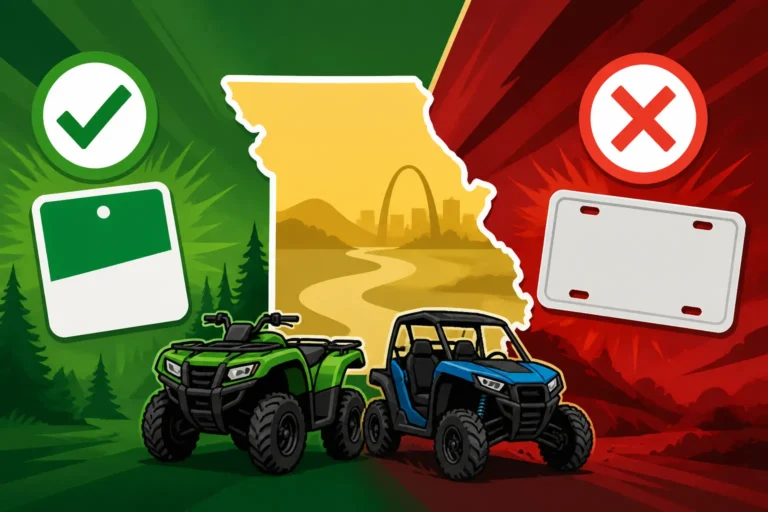
When we talk about an "ATV," what immediately comes to mind for most people is a quad: a four-wheeled vehicle with handlebars and a seat you sit on rather than in. And while that's generally true, Missouri's definition delves deeper into these physical attributes to separate ATVs from other motorized off-highway vehicles like utility vehicles (UTVs) or recreational off-highway vehicles (ROVs), which often get lumped together casually. The state's legal framework for ATVs is designed to categorize these machines based on their operational design and the way a rider interacts with them. This categorization then dictates everything from [Missouri's Three-Year ATV Decal] requirements to where and how you can ride.
Imagine you're at the license office, excited to get your new machine legal. The clerk asks, "Is this an ATV?" If you simply say "yes" without truly understanding the legal definition, you might find yourself applying for the wrong type of registration, or worse, trying to register a vehicle that Missouri doesn't even classify as an ATV. This is particularly relevant because [Why Missouri Does Not Register Side-by-Sides]. These distinctions are crucial because they dictate different sets of rules and expectations for owners.
The Core Physical Attributes
At its heart, Missouri Revised Statute § 300.010 defines an ATV by several key characteristics, with the straddle seat and handlebars being paramount. In addition to these, it also considers the vehicle's width and dry weight. Specifically, an ATV is a motorized, off-highway vehicle designed to travel on four wheels, with a dry weight of less than 1,500 pounds, a width of 50 inches or less, and importantly, is designed to be ridden by an operator straddling a seat and steering with handlebars. Every single one of these points must generally be met for your machine to be considered an ATV for titling and registration purposes.
Let's say you're looking at a brand-new machine at a dealership in Springfield. The sales associate might call everything with knobby tires an "off-road vehicle," but for Missouri, the actual classification process involves a much closer look at these specifications. A machine that is 52 inches wide, for instance, even with a straddle seat and handlebars, technically falls outside the primary ATV definition, and while still an off-road vehicle, it wouldn't be subject to the same titling and decal rules as a true ATV. It's these precise measurements and design elements that make all the difference in the eyes of the law. For further clarity, you can check out [What Missouri Counts as an ATV].
Distinguishing ATVs from Other Off-Roaders
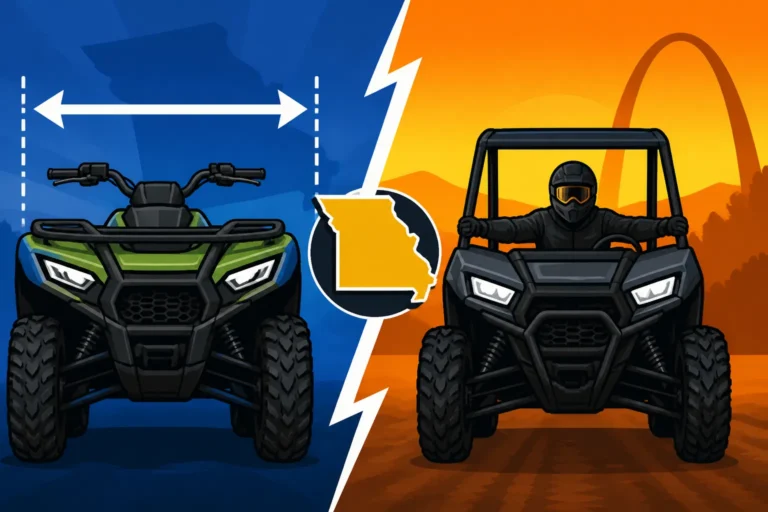
The emphasis on a straddle seat and handlebars, combined with the width and weight restrictions, is what fundamentally separates an ATV from a UTV or ROV in Missouri. UTVs and ROVs typically feature side-by-side seating, a steering wheel, and often exceed the 50-inch width and 1,500-pound dry weight limits. Because of these distinct differences, UTVs and ROVs have an entirely separate set of rules for limited road use, and they don't get the same three-year decal that ATVs do.
Think about the sheer variety of off-road vehicles available today. You have compact quads, sport quads, utility quads, and then the ever-growing market of side-by-sides, ranging from two-seat recreation machines to six-seat utility beasts. If you're pondering whether your new purchase qualifies for a state decal, the first thing to confirm is whether it fits the "straddle seat and handlebars" criteria, along with the width and weight. Without these specific features, your machine, no matter how much fun it is, isn't eligible for ATV titling and registration in Missouri, which then means a different set of expectations for its use, especially on public lands or roads. This distinction is paramount, especially when discussing [Why Missouri Splits ATVs, UTVs and ROVs].
The Significance of the Straddle Seat
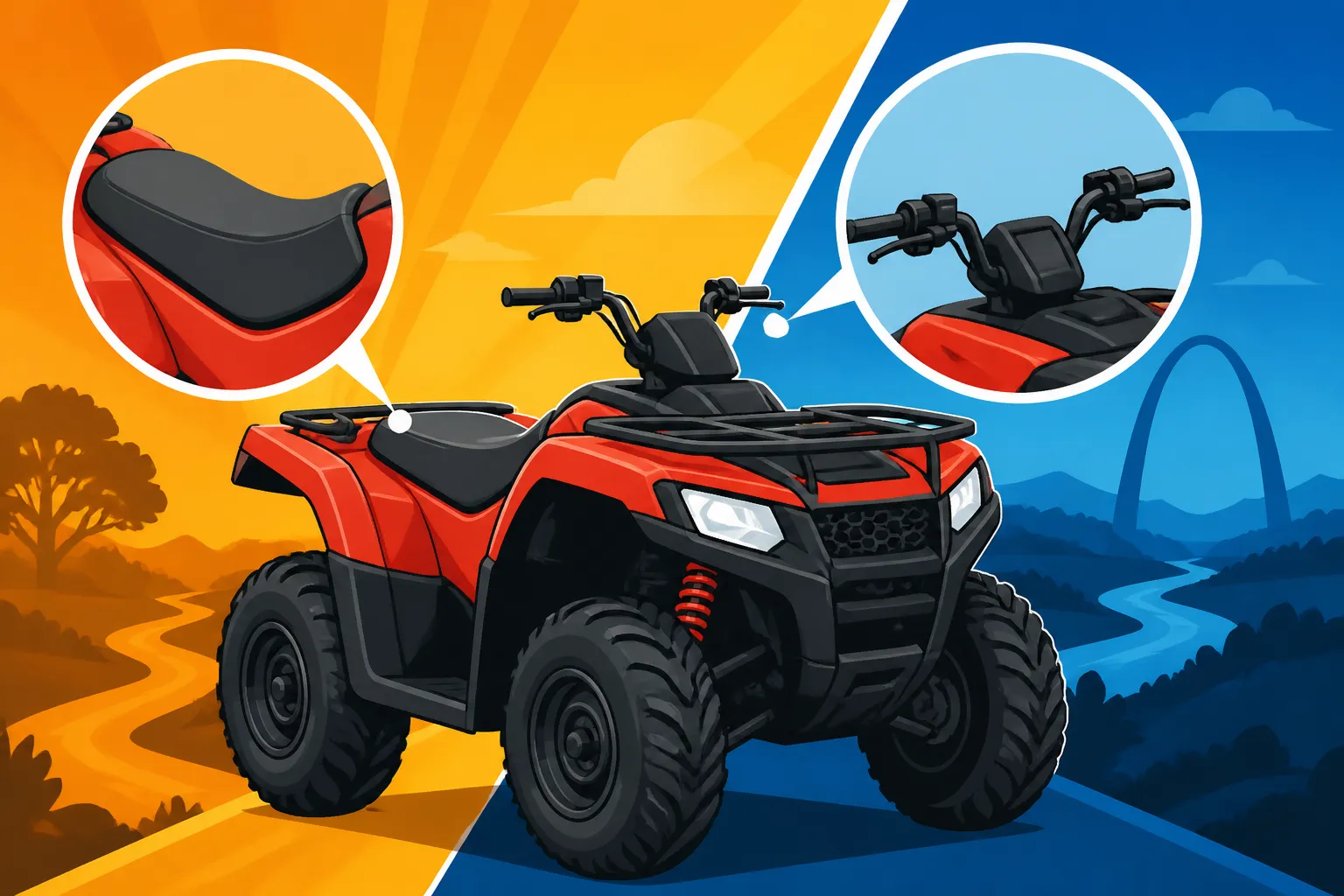
The "straddle seat" isn't just a casual description; it's a critical component of Missouri's legal definition of an ATV. This particular seating arrangement, where the rider sits atop the vehicle with legs on either side, is fundamental to how an ATV is operated and controlled. It defines the rider's posture, balance, and direct interaction with the machine, setting it apart from vehicles where you sit within a cabin or a bucket seat.
What "Straddle" Really Means
When the law talks about a "straddle seat," it's referring to a motorcycle-style saddle. This type of seat positions the operator directly over the vehicle's centerline, allowing them to use their body weight and leg movements to shift balance and aid in steering and control. It's a very active riding posture, intrinsic to the dynamic nature of ATV operation, especially on uneven terrain or when navigating tight turns. This is vastly different from the bench or bucket seats found in a side-by-side, where the rider is more passively seated and uses a steering wheel.
Consider the physical act of riding. On an ATV, you're constantly shifting your weight, leaning into turns, and using your legs to grip the machine. This direct physical connection to the vehicle is what the "straddle seat" implies. It's not a soft, wide couch-like seat; it's designed for active participation in the riding experience. This specific design feature means that the state views these machines as inherently requiring a different type of operator control and, therefore, a different regulatory approach compared to vehicles with more car-like seating.
Rider Position and Control
The straddle seat directly influences how an ATV is controlled. With the operator's center of gravity positioned directly above the vehicle, they can effectively influence the machine's balance and stability. This active body positioning is crucial for negotiating challenging terrain, climbing hills, and preventing rollovers, as the rider becomes an integral part of the suspension and steering system. It's a highly intuitive form of control that requires constant engagement from the rider.
Imagine tackling a rocky trail in the Mark Twain National Forest. A rider on a straddle-seat ATV will be standing on the pegs, absorbing bumps with their knees and elbows, and shifting their body weight forward and back, left and right, to maintain traction and balance. This dynamic interaction is why the straddle seat is so important to the ATV definition. It implies a certain level of physical prowess and active management from the operator, which differs from the more contained and passive experience of driving a side-by-side with seatbelts and a roll cage. The design directly relates to the intended use and the skills required to safely operate the machine.
Implications for Passenger Limits
The design of the straddle seat also carries significant implications for carrying passengers. Most ATVs are designed strictly for a single rider because the straddle seat is typically configured for one person to maintain full control and balance. Adding a passenger disrupts this balance, compromises control, and can make the machine unsafe, especially on rough terrain. While some manufacturers produce "two-up" ATVs with extended straddle seats designed to accommodate a second rider, even these are subject to strict adherence to the manufacturer's specifications.
Missouri law often reflects this design limitation by generally prohibiting passengers on single-operator ATVs, particularly in state parks and on public trails. If your ATV has a straddle seat meant only for one, and you attempt to carry a passenger, you could be cited for a safety violation. This is a crucial safety aspect that stems directly from the design of the seat itself. So, if you're planning a family ride, it's vital to know your machine's passenger capacity and Missouri's rules, which you can explore in more detail under [Missouri Passenger Rules on an ATV].
Handlebars as a Defining Feature
Just like the straddle seat, handlebars are another fundamental characteristic that Missouri uses to legally define an ATV. They are more than just a steering mechanism; they dictate the operator's posture, the method of control, and the overall ergonomics of the riding experience. In the context of off-road vehicles, handlebars provide a level of direct, intuitive control that is distinctly different from a steering wheel.
Direct Steering Control
Handlebars offer a highly responsive and direct form of steering control. The operator grasps the handlebars and directly inputs steering commands, often combined with body lean and weight shifts. This tactile connection allows for quick adjustments and precise maneuvering, which is essential when navigating tight trails, dodging obstacles, or reacting to sudden changes in terrain. The immediate feedback through the handlebars gives the rider a strong sense of connection to the front wheels and the ground beneath them.
Imagine you're picking your way through a winding, wooded trail in the Chadwick Motorcycle and ATV Use Area. The ability to make small, immediate steering corrections with your hands, while simultaneously leaning your body, is critical for staying on course and avoiding trees. This direct, almost intuitive, connection to the steering mechanism is what handlebars provide. They are not merely a way to turn the wheels; they are an extension of the rider's intent and balance, contributing heavily to the agility and responsiveness that defines an ATV.
How Handlebars Differ from a Steering Wheel
The distinction between handlebars and a steering wheel is perhaps one of the most visible differences between an ATV and a UTV/ROV. While both allow the operator to direct the vehicle, the experience and control methods are vastly different. A steering wheel, much like in a car, provides a more indirect, mechanical input, often requiring more arm movement but less full-body engagement. It's designed for a seated, often belted, operator in a cockpit-like environment.
On the other hand, handlebars are integral to the active, body-involved riding style of an ATV. They encourage standing, leaning, and quick, fluid movements. The brakes, throttle, and clutch (on manual models) are all located directly on the handlebars, making for a unified control system that is very different from the foot pedals and dashboard controls of a UTV. This design philosophy is a key reason why [Missouri Rules for a Machine Over 50 Inches] and vehicles with steering wheels don't receive the same "ATV" classification or decal.
Ergonomics and Off-Road Riding
The ergonomics of handlebars are tailored specifically for the dynamic demands of off-road riding. Their position, width, and sweep are designed to provide leverage, comfort, and control over varied and often unpredictable terrain. Riders can easily shift their weight forward or backward, and stand up on the foot pegs to absorb shocks, all while maintaining a firm grip on the handlebars. This upright, engaged posture is paramount for visibility and maintaining control over the machine.
Think about traversing a series of moguls or navigating a steep descent. The handlebars allow the rider to brace themselves, maintain balance, and effectively steer while keeping their body in an optimal position for shock absorption and stability. This direct, physical interface with the machine is central to what defines an ATV in Missouri's eyes. Without handlebars, and combined with a straddle seat, the vehicle ceases to be classified as an ATV, moving instead into categories like ROV or UTV, which, as we know, come with their own distinct rules and regulations for use in Missouri.
Why This Definition Matters for Riders
Understanding Missouri's specific definition of an ATV isn't just an academic exercise; it has real, tangible consequences for how you own and operate your off-road vehicle. From the moment you purchase your machine to every time you hit the trails or even consider crossing a road, this definition guides the necessary legal steps and limitations you'll encounter. Getting it wrong can lead to headaches, delays, or even costly fines.
Titling and Decal Requirements
The most immediate impact of the ATV definition is on titling and registration. If your machine meets the criteria—straddle seat, handlebars, under 50 inches wide, and under 1,500 pounds dry weight—then it qualifies for an ATV title and the distinct three-year decal issued by the Missouri Department of Revenue. This decal is your proof that the vehicle is legally recognized and registered for off-highway use in the state. Without it, you cannot legally operate your ATV on state-approved trails or cross certain public roads.
The process for [Titling an ATV in Missouri] and [Registering an ATV in Missouri] involves specific paperwork and fees, and the first step is always ensuring your vehicle actually fits the ATV definition. If you show up with a side-by-side that has a steering wheel and bucket seats, you'll quickly discover that it cannot be titled or registered as an ATV. This is a common point of confusion for new owners, leading to wasted trips to the license office. Understanding these physical definitions upfront saves you time and ensures you pursue the correct legal pathway for your machine. You'll need documents like a bill of sale, and possibly a certificate of origin from a dealer, and tools like those found on LawDepot can assist with creating proper bills of sale for private transactions.
Understanding Road Use Limitations
Missouri's definition also heavily influences where and how you can legally operate your off-road vehicle, particularly concerning public roads. ATVs, by their very nature and design (straddle seat, handlebars, narrow width), are generally not considered street-legal in Missouri. There are very limited exceptions, such as crossing a highway, certain agricultural uses, or specific local ordinances in towns that have voted to open their streets to ATVs. However, these exceptions are often more geared towards UTVs/ROVs, which have more car-like safety features.
It's crucial to understand that even if a local ordinance allows some off-road vehicles on public streets, it will typically differentiate between ATVs and UTVs/ROVs. For instance, the [Missouri's 3-Mile Rule for Side-by-Sides] is specifically for ROVs, not ATVs, precisely because ROVs offer different safety features like seatbelts and roll cages, which are absent on traditional ATVs. Trying to ride your straddle-seat ATV down a public road beyond an allowed crossing can lead to tickets and fines, as it doesn't meet the safety and design standards for street use.
Sales Tax and Insurance Considerations
Finally, the classification of your machine as an ATV also impacts your financial responsibilities, including sales tax and insurance. When you purchase an ATV, whether new or used, you'll owe Missouri sales tax based on the purchase price. This is factored in when you go to title the vehicle. You can get more details on [Missouri Sales Tax on an ATV Purchase]. For insurance, while Missouri generally doesn't mandate liability insurance for ATVs operated solely off-road, if you plan to utilize any road-use exceptions (like agricultural permits or specific town ordinances that require proof of insurance), you will absolutely need a policy that covers your ATV for those situations.
It's wise to contact an insurance provider that specializes in powersports vehicles to discuss coverage options, even if it's just for theft, damage, or coverage for when you trailer it. The insurer will certainly ask for the specifics of your machine, and its classification as an ATV (due to its straddle seat and handlebars) will be a key piece of information for them to provide an accurate quote. The costs associated with [Missouri ATV Title Cost] and [Missouri ATV Registration Cost] are minor compared to the potential costs of an uninsured incident, so understanding the official definition helps you budget accordingly and ensure you're protected.
| Feature | ATV (All-Terrain Vehicle) | UTV/ROV (Utility/Recreational Off-Highway Vehicle) |
|---|---|---|
| Seating | Straddle seat (rider sits on vehicle) | Bench or bucket seats (rider sits in vehicle) |
| Steering | Handlebars | Steering wheel |
| Width | Generally 50 inches or less | Often exceeds 50 inches (e.g., 60-72 inches) |
| Dry Weight | Generally less than 1,500 pounds | Often exceeds 1,500 pounds |
| Passengers | Typically single-rider design; limited 2-up options | Designed for multiple passengers (2, 3, 4, 6 seats) |
| Road Use | Very limited exceptions (crossing, specific farm use) | Limited exceptions with more defined rules (3-mile rule) |
| Registration | Requires Missouri title and a 3-year decal | Requires Missouri title, but no decal/registration |
Disclaimer
This article is for general informational purposes only and does not constitute professional advice. Laws, prices and regulations vary by location and change over time. Consult a qualified professional for guidance on your specific situation.