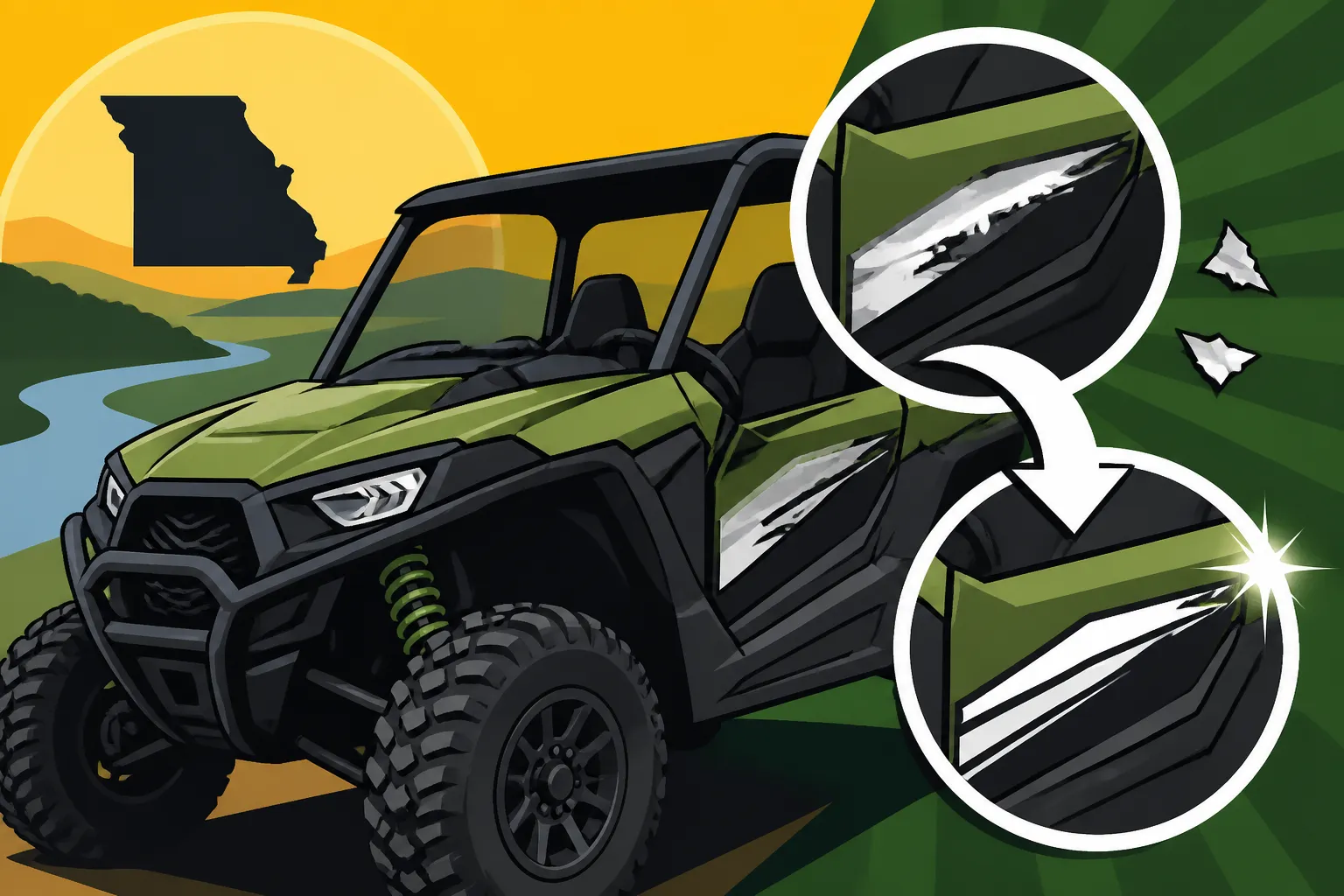
Replacing a Decal Knocked Off by Brush
It’s a tale as old as the Missouri trails themselves: you’re out enjoying a fantastic ride, navigating through dense woods, maybe a little too close to some thick brush, and snap! You get home, and realize that vital little decal that proves your ATV is registered is gone. It's incredibly frustrating to deal with a lost decal, especially when you know you did nothing wrong, and the trails just claimed another one. This guide will walk you through the surprisingly straightforward process of replacing that missing Missouri ATV decal, so you can get back to riding with peace of mind.
Why Your Missouri ATV Decal Matters (Even When It's Gone)
That small sticker on your ATV might seem insignificant when it's just doing its job, but its absence can cause a heap of headaches. It's more than just a piece of adhesive plastic; it's a critical piece of legal identification for your machine in Missouri.
The Decal as Proof of Registration
In Missouri, that decal is your visible proof that your all-terrain vehicle is properly registered with the state. Think of it like a miniature license plate for your off-road machine. It bears a unique number, corresponding to your ATV's registration records, and an expiration date. When a conservation agent or law enforcement officer sees that decal, they know at a glance that you've completed the necessary steps to operate your ATV legally on designated public lands or where otherwise permitted. Without it, even if you’ve paid all your fees and followed every rule, you lack immediate, tangible evidence of that compliance. This can lead to questions, delays, and, in some cases, even citations, simply because you can’t prove your machine is good to go right then and there. It’s a bit unfair when Mother Nature is to blame, but the rules are still the rules.
Where the Decal Should Be
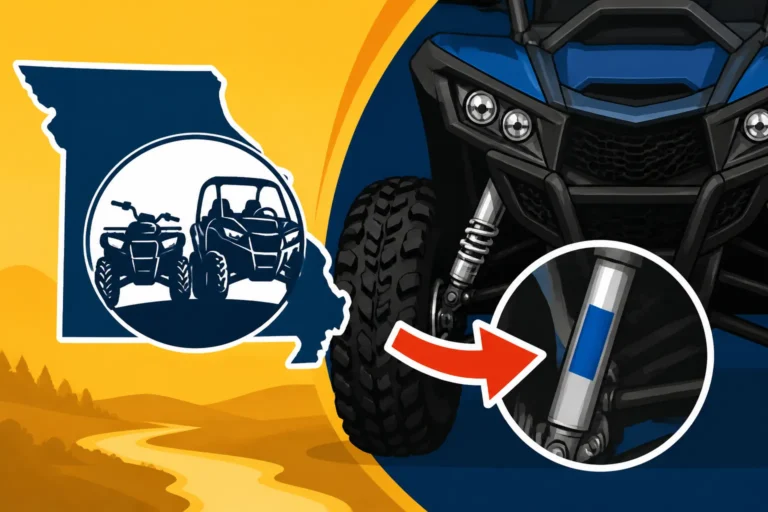
The Missouri Department of Revenue is pretty specific about where that decal needs to live: it’s supposed to be affixed to the right front fork of your ATV. This isn't just a random placement; it’s chosen for visibility and consistency across all registered machines. Unfortunately, this prime location also makes it highly vulnerable to the very environment ATVs are designed to conquer.
Imagine you're hugging a tight corner on a narrow trail, thick brush reaching out like grasping fingers. That right front fork is often the first point of contact with overgrown vegetation, low-hanging branches, or even mud flung up by a preceding rider. A snag, a scrape, or even just repeated friction can weaken the decal’s adhesive or simply tear it right off. It's a common story, and riders often don't even realize it's gone until they're cleaning up after a ride or getting ready for the next adventure. This specific placement is why losing a decal to brush is such a frequent complaint among Missouri riders. [Why the Decal Goes on the Right Front Fork] provides more detail on the reasoning behind this placement.
The Steps to Replacing a Lost Missouri ATV Decal
The good news is that replacing a lost decal, while a minor inconvenience, isn't an insurmountable task. The process is designed to be relatively straightforward, primarily handled through your local Missouri license office.
Gathering Your Information
Before you head out to the license office, it's wise to gather all your ducks in a row. Having the right information ready will make the process much smoother and faster. You'll definitely want your Vehicle Identification Number (VIN) handy. This 17-character code is unique to your ATV and is crucial for looking up your existing registration records. It's usually stamped on the frame of your machine, often near the steering head or on one of the frame rails.
Beyond the VIN, having your previous registration certificate, even if it’s expired, can be a huge help. This document contains all the pertinent details the license office will need, including your name, address, and the specifics of your ATV. If you don't have the old certificate, don't fret too much, but be prepared to provide personal identification (like your driver's license) so they can pull up your records. The more information you can provide upfront, the less digging the clerk has to do, and the quicker you'll be on your way. It’s always a good practice to keep these important documents safe, perhaps in a [Keeping Paperwork in a Dry Bag] when you're on the trail, and in a secure place at home.
Visiting Your Local Missouri License Office
Once you have your information together, your next stop is your nearest Missouri license office. These are the same offices where you would handle vehicle titling, license plate renewals, and, yes, ATV registrations. While some states might have online options for simple replacements, in Missouri, for something like a lost decal, an in-person visit is usually the most direct route.
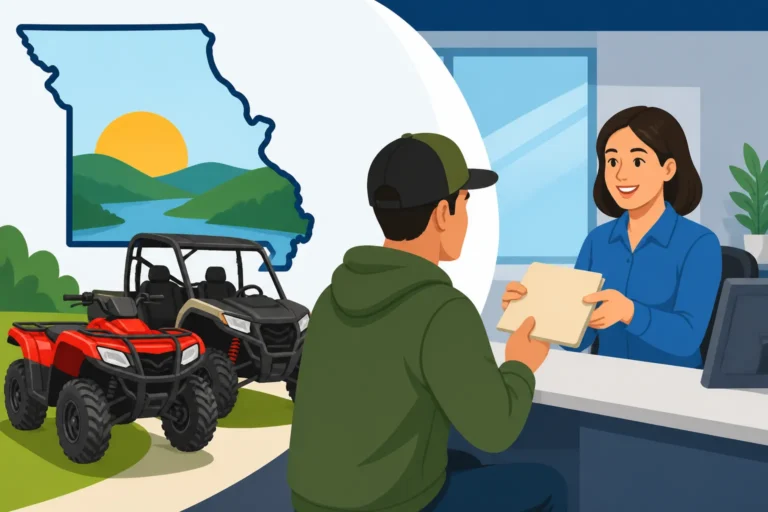
When you arrive, explain to the clerk that you need to replace a lost ATV decal. They will likely have you fill out a short form, usually an application for replacement or duplicate registration. This form will ask for your personal details, your ATV's VIN, and the reason for the replacement (in this case, "lost" or "damaged by brush"). The clerk will then verify your identity and your ATV's registration status in their system. They'll confirm that you are the registered owner and that the registration is current. Once everything checks out, they’ll process your request, take the necessary fee, and issue you a new decal right then and there, or sometimes mail it to you, depending on their local process. Remember, these offices handle all sorts of vehicle-related transactions, so the process for a replacement decal is pretty standard for them. If you’re not sure where to go, a quick online search for "Missouri license office near me" will point you in the right direction. This is also the place to go if you need to [Where to Title an ATV in Missouri] initially.
The Cost of a Replacement Decal
Compared to the initial costs of titling and registering your ATV, the fee for a replacement decal is usually quite modest. You won't be paying the full price again. The purpose of this fee is simply to cover the administrative costs of issuing a new sticker. While I can't give you exact figures, expect a nominal charge. This cost is typically much less than [Missouri's $10.25 Three-Year Registration] or the [Missouri's $9 Renewal Fee]. There might also be a small processing fee, similar to the [Missouri's $18 Processing Fee] you might encounter with other transactions. It’s certainly a small price to pay for compliance and peace of mind, especially when you consider the potential hassle of riding without a valid decal. To get the most current cost information, it's always a good idea to check the Missouri Department of Revenue's website or call your local license office before you visit.
What to Do While You Wait for Your New Decal
So you’ve been to the license office, paid your fee, and your new decal is either in hand or on its way. What do you do in the interim, especially if you had plans to ride?
Carrying Proof of Application
Most Missouri license offices understand that you can’t just stop living your life while waiting for a sticker. If they issue you a temporary receipt or a copy of your application form, hold onto it! This piece of paper is your best friend until the new decal is permanently affixed to your ATV. It serves as a temporary, tangible proof that you have initiated the replacement process and are awaiting the official decal.
Should you encounter a conservation agent or law enforcement officer while riding, presenting this proof can make all the difference. While they still have the discretion to issue a citation, showing a valid receipt or application copy demonstrates your good faith effort to comply with the law. It’s much better than just shrugging your shoulders and saying, “Uh, it fell off!” Always keep it with you, perhaps in a zip-top bag in your riding gear, so it doesn't get wet or lost.
Avoiding Fines and Hassles
Riding without a visible, current decal can technically put you at risk for a citation. Missouri law requires the decal to be displayed. While many officers might be understanding if you have proof of replacement in hand, it’s not a guarantee. [Missouri ATV Fines for an Untitled ATV] (or unregistered) can be a real headache, and you want to avoid that.
Your best bet is to be cautious. If you’ve just applied for a replacement and are waiting for it to arrive in the mail, consider holding off on extensive rides on public lands until you have the new decal. If you absolutely must ride, stick to private property where you have explicit permission, and always carry your temporary documentation. It’s about minimizing your risk and demonstrating that you respect the regulations, even when unforeseen circumstances like a run-in with brush occur.
Preventing Future Decal Loss
Nobody wants to go through the hassle of replacing a decal more than once. While accidents happen, there are a few things you can do to try and prevent your newly acquired decal from falling victim to the trails again.
Strategic Placement and Protection
Since we know the decal must go on the right front fork, the challenge is how to make it more resilient there. One common trick riders use is to ensure the surface is absolutely pristine before applying the new decal. Clean the fork thoroughly with rubbing alcohol to remove all grease, dirt, and old adhesive residue. A clean surface provides the best adhesion.
Some riders also apply a thin layer of clear protective film over the decal once it's in place. Think of it like a screen protector for your phone, but for your decal. This can add an extra barrier against scrapes, water, and brush. Just make sure the film is clear and doesn't obscure any part of the decal's information. While [Can the Decal Go on the Frame Instead?] might sound like a good idea for protection, current Missouri regulations specify the fork, so always adhere to the official placement. Remember, the whole point is for it to be clearly visible for inspection.
Mindful Riding Habits
Sometimes, prevention comes down to how you ride. While ATVs are built for rugged terrain, being more mindful in heavily vegetated or narrow sections of trail can significantly reduce the risk of losing your decal. Take those tight turns a little slower, give a wider berth to dense brush, and be aware of low-hanging branches that might sweep across your handlebars and front fork.
It's also a good habit to do a quick visual check of your ATV before and after each ride. A quick glance at the right front fork to confirm the decal is still securely in place can save you a future trip to the license office. The reality of trail riding in Missouri is that brush and obstacles are part of the adventure, but a little extra caution can help protect your investment and keep you compliant.
Table: Missouri ATV Decal Information at a Glance
Here’s a quick summary of key facts about your Missouri ATV decal and its replacement process:
| Feature | Details |
|---|---|
| Purpose | Proof of valid ATV registration in Missouri. |
| Placement | Must be affixed to the right front fork of the ATV. [Where the Missouri Decal Mounts] |
| Duration | Valid for three years from the date of issuance. [Missouri's Three-Year ATV Decal] |
| Renewal | Required every three years to maintain legal registration. |
| Replacement Process | Visit your local Missouri license office with VIN and ID; fill out a replacement application. |
| Replacement Cost | Nominal fee (check current rates at MO DOR or license office); typically less than initial registration/renewal. [Missouri ATV Decal Replacement Cost] |
| Required Documents | ATV's VIN, personal ID, (optional) previous registration certificate. |
| Temporary Proof | Keep receipts or application copies from the license office if riding before new decal is applied. |
| Prevention Tips | Clean surface before application, consider clear protective film, practice mindful riding in brushy areas, perform regular checks. |
Disclaimer
This article is for general informational purposes only and does not constitute professional advice. Laws, prices and regulations vary by location and change over time. Consult a qualified professional for guidance on your specific situation.