Missouri Lighting Requirements for ROVs
It can be incredibly confusing trying to figure out what you actually need to do to make your side-by-side legal for even limited road use in Missouri. Many owners just want to get from their property to a nearby trail, or maybe run into town for supplies, and the patchwork of rules can feel like a major headache. This guide is here to untangle the specific lighting requirements for Recreational Off-Highway Vehicles (ROVs), often called side-by-sides, when you're considering taking them on Missouri's public roads under the state's specific provisions.
Understanding Missouri's ROV Definition for Road Use
Before we dive into the nitty-gritty of lights, it's crucial to understand what Missouri considers an ROV when it comes to road use. The state differentiates between ATVs, utility vehicles (UTVs that aren't ROVs), and ROVs, and these distinctions matter immensely for legal operation on pavement. Generally, an ROV is a motor vehicle designed for off-road use, 50 inches or more in width, with a non-straddle seat, and a steering wheel. Think of your typical side-by-side, like a Polaris RZR or a Can-Am Defender. The lighting requirements we're discussing here specifically apply to these types of machines when they venture onto the road.
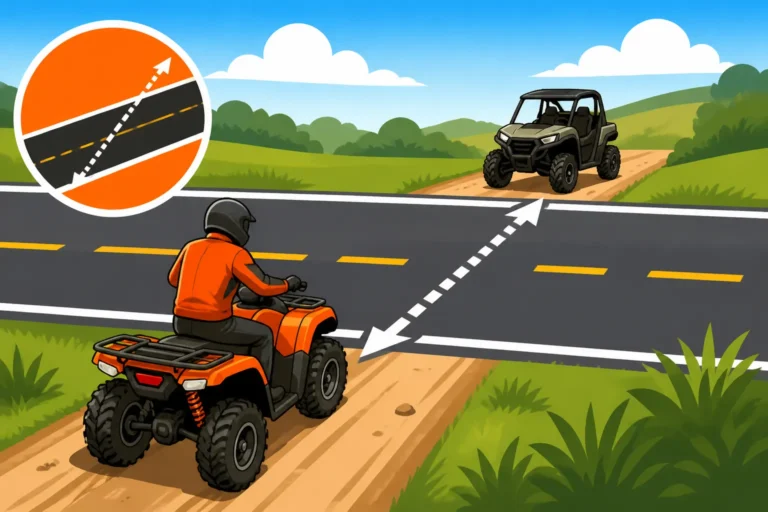
Missouri law doesn't treat an ROV like a passenger car, nor does it treat it exactly like an ATV for road-use purposes. There are very specific, limited scenarios where an ROV can be on a public road. This includes the famous [Missouri's 3-Mile Rule for Side-by-Sides] and local ordinances that certain cities or counties might pass. If you're operating under these exceptions, your machine needs to be visible, and proper lighting is a huge part of that. Many owners get caught off guard, thinking their factory lights are enough, only to find out they fall short of what's required for even a short jaunt on a county road.
Why the Distinction Matters
The state has different statutory definitions and rules for ATVs versus ROVs. For example, while ATVs are often used on trails and sometimes cross roads, ROVs (side-by-sides) have specific provisions for limited road access that ATVs generally don't, especially when it comes to the "3-Mile Rule." This legislative approach reflects the differing designs and typical uses of these machines. An ATV, by definition, has a straddle seat and handlebars, making it less like a traditional automobile than a side-by-side with its bucket seats and steering wheel. Because side-by-sides are wider and often operate at slightly higher speeds than ATVs on roads (when permitted), they are held to a different standard for visibility and safety equipment. This means if you're rocking a side-by-side, you'll need to pay close attention to these particular lighting rules to avoid potential issues with local law enforcement.
The Foundation of Road Legality
Beyond lighting, remember that for any road use, your ROV needs to meet other criteria, which can include things like having a valid driver's license for the operator, often proof of insurance, and specific safety equipment like seat belts and a roll bar. The lighting requirements aren't standalone; they're part of a larger package of safety features designed to make your off-highway vehicle minimally safe for brief interactions with street traffic. Neglecting one aspect, like your lights, can negate your ability to legally operate your ROV on the road, even if you meet all the other criteria. It’s a holistic approach to safety that the state expects from operators.
Essential Lighting Components for ROV Road Use
When you're trying to figure out what exactly needs to light up on your side-by-side to stay within Missouri law for approved road use, it pretty much boils down to mimicking what cars have for basic visibility. This isn't about fancy light bars for trail riding; it's about making sure other drivers can see you coming, going, and slowing down. Missouri statutes are quite clear about the minimum expectations, even for machines designed primarily for off-road adventures.
Headlamps and Tail Lamps: Your Basic Visibility Package
First and foremost, your ROV must be equipped with working headlamps and tail lamps. This is non-negotiable for any road use. Think about it: if you're on a public road, regardless of the time of day, you need to be visible.
- Headlamps: These need to project a white light, visible from at least 500 feet to the front. This isn't just for night driving; it's for daytime visibility too, especially in adverse weather or on busy roads where you want to stand out. Many factory headlamps are designed for off-road use and might not be as bright or as well-focused as street-legal headlights, so it’s something to check. If your machine is older or has seen a lot of trail time, ensuring your headlamps are clear, bright, and aimed correctly is a must. A dim or broken headlight is a huge red flag for law enforcement.
- Tail Lamps: These need to show a red light, visible from at least 500 feet to the rear. Again, this is about making sure you're seen from behind. Off-road tail lights sometimes get obscured by mud or brush, so always check them before hitting the pavement. They should be steady red, not flashing, unless they're also serving as brake lights. You can find robust, road-legal LED options from companies like SuperATV that are designed to handle the rigors of off-road life while still meeting highway visibility standards. This way, you don't have to swap out lights every time you transition from trail to road.
Brake Lights: Signaling Your Intent
Just like any other vehicle on the road, your ROV needs functional brake lights. These must be red, mounted on the rear, and illuminate when you apply the brakes. They serve a critical safety function: warning drivers behind you that you're slowing down or stopping. Without proper brake lights, you're a significant hazard on the road, increasing the risk of a rear-end collision.
Many ROVs come with integrated brake lights as part of their tail lamp assembly, but it's vital to confirm they are bright enough and activate reliably. Sometimes, wiring issues or damaged switches can cause brake lights to fail, so a pre-ride check is crucial. Imagine stopping suddenly on a county road, and the driver behind you has no idea you're hitting the brakes because your lights aren't working. That's a scenario no one wants to experience. Checking your brake lights should be as routine as checking your tire pressure before you head out.
Turn Signals: Communicating Your Direction
While not universally mandated for all types of limited ROV road use (it often depends on specific local ordinances or interpretations), having turn signals is a smart safety upgrade if you plan to be on any public road regularly. Some city or county ordinances that allow ROV use on their streets explicitly require turn signals. Even if not strictly required by state law for all limited road access scenarios, they greatly enhance your ability to communicate with other drivers, reducing confusion and improving safety.
Adding a turn signal kit can make your side-by-side much more predictable to other motorists. These kits usually include front amber lights and rear amber or red lights, along with a switch for activation. When considering aftermarket lighting, always ensure it's designed for road use and complies with local regulations, as some off-road turn signals might not be bright enough for daylight visibility on a busy street. It's a small investment for a big gain in safety and peace of mind when you're navigating shared roadways. You can find comprehensive kits that include everything you need to upgrade your machine's signaling capabilities, ensuring you meet or exceed any local requirements.
Beyond the Basics: Additional Visibility Measures
While headlamps, tail lamps, and brake lights are the core requirements, thinking a bit beyond the bare minimum can significantly enhance your safety and visibility when your ROV is sharing the road with cars and trucks. Missouri law, particularly in some local ordinances, often includes additional stipulations to ensure your side-by-side is as conspicuous as possible.
Reflectors: Passive Safety When the Power's Off
Even when your lights are off, reflectors provide a crucial layer of safety. Missouri law often requires at least one red reflector on the rear of the vehicle, visible from 600 feet. Many ROVs come with factory-installed reflectors, but it's always a good idea to check their condition and cleanliness. Mud, scuffs, or even missing reflectors can diminish this passive visibility.
Think about a scenario where you've pulled over to the side of a rural road at dusk, and your electrical system decides to quit. Without power, your active lights won't work, but those reflectors will still catch the headlights of approaching vehicles, potentially preventing an accident. Adding extra reflective tape, especially to the sides of your ROV, can further boost visibility without drawing extra power. This is especially true for machines that might sit low or have a dark color that blends into the background.
A Seven-Foot Safety Flag: Standing Tall for Visibility
This isn't a "lighting" requirement in the traditional sense, but it is a critical visibility mandate for ROVs operating on public roads under specific rules, like the [Missouri's 3-Mile Rule for Side-by-Sides]. Missouri law mandates that an ROV on a public road must display an orange or red safety flag, at least 30 square inches in size, mounted on a pole that extends at least seven feet above the ground.
This flag's purpose is to make your ROV visible above obstructions like parked cars, roadside brush, or over hills, especially when you might otherwise be hidden from view. While primarily an off-road safety feature, its application to limited road use for ROVs in Missouri underscores the state's emphasis on visibility. A tall flag tells other drivers, "Hey, there's a smaller, slower vehicle up ahead!" It’s another layer of protection, particularly important on two-lane roads where line of sight can be limited. Always ensure your flag is securely mounted and not frayed or faded, compromising its visibility. Many companies offer flag mounts and robust flags designed to withstand the elements and highway speeds. You'll often find that this flag is required not just on roads but also in designated state park riding areas, emphasizing its importance in nearly all public riding scenarios.
Auxiliary Lighting and Light Bars: Know the Rules
Many ROV owners equip their machines with powerful LED light bars or auxiliary floodlights for enhanced off-road visibility. While these are fantastic for nighttime trail riding, they generally must not be used on public roads. Missouri law, like most states, prohibits the use of auxiliary driving lamps that could blind oncoming traffic. Headlights need to be aimed and have a low-beam option for road use.
If your ROV is outfitted with a light bar, make sure it has a separate switch and is never activated when on public roads. Accidentally blinding another driver could lead to a citation, or worse, a dangerous situation. It's common practice to cover light bars with opaque covers when not in use or when driving on roads to clearly indicate they are disengaged. Always prioritize the safety of others on the road by using only legal, properly aimed headlights when operating your ROV on a street. Think of your road-legal lighting as distinct from your trail-blazing lighting; they serve different purposes and operate under different regulations.
Ensuring Compliance and Avoiding Penalties
Navigating Missouri's specific rules for ROV road use can feel like walking a tightrope, and getting your lighting right is a major part of staying balanced. The last thing any rider wants is to get pulled over for something that could have been easily fixed. Understanding the consequences and having a checklist can save you a lot of grief.
What a Missouri Deputy Checks on a Road-Legal ROV
When a Missouri deputy pulls over an ROV on a public road, they're not just looking for a decal. They're doing a comprehensive check to ensure compliance with all aspects of the limited road-use laws. This includes:
- Operator's License: Do you have a valid driver's or chauffeur's license? [Missouri Driver's License Rules for ROVs]
- Permit/Ordinance Compliance: Are you within [Missouri's 3-Mile Rule for Side-by-Sides] from your residence, or do you have a valid [Missouri Special Permit Cost for ATVs] from a city or county that allows ROV use on their roads?
- Insurance: Do you have proof of financial responsibility (insurance), which is often required under local ordinances?
- Safety Equipment: Are your seat belts functional? Is your roll bar intact? Is your safety flag flying at the correct height and visibility?
- Lighting: This is where we come back to it. The deputy will check for:
- Working headlamps (low beam, proper aim, white light).
- Working tail lamps (red light, visible).
- Working brake lights (red, illuminate when brakes applied).
- (If required by local ordinance) Working turn signals.
- No illuminated off-road light bars or auxiliary lights.
Each one of these items is a potential point of failure. A deputy isn't going to let a minor issue slide if you're operating outside the machine's primary intended use. They want to ensure your ROV is as safe as possible when interacting with regular traffic.
Consequences of Non-Compliance
Operating an ROV on a public road without meeting the lighting requirements, or any of the other legal mandates, can lead to various penalties. At a minimum, you're likely looking at a traffic citation. These can come with fines and potentially even court appearances. Depending on the severity of the violation and whether other rules were broken, it could escalate.
For instance, if your lack of proper lighting contributes to an accident, the legal repercussions could be far more severe, including liability for damages and injuries. [Missouri Fines for Illegal ATV Road Use] can add up quickly, especially if multiple violations are noted. It's always cheaper and less stressful to ensure your machine is fully compliant before you ever put a tire on the pavement. Think of the cost of a few upgraded lights or a turn signal kit from SuperATV as an investment in avoiding tickets and ensuring your safety.
Maintenance and Pre-Ride Checks
Regular maintenance of your ROV's lighting system is just as important as the initial installation. Bulbs burn out, wires fray, and lenses get cracked or dirty. Before every ride that includes any public road use, make it a habit to:
- Visually inspect all lights: Headlights, tail lights, brake lights, and turn signals (if equipped). Are the lenses clean and free of mud or damage?
- Test functionality: Turn on your ignition. Activate your headlights (both high and low beam, if applicable). Have someone check your tail lights and brake lights while you apply the brakes. Test your turn signals.
- Check wiring: Give exposed wires a quick look for any signs of wear, cuts, or loose connections.
- Inspect reflectors: Ensure they are clean and securely attached.
A few minutes of pre-ride checks can prevent a roadside stop and potential fines. Being proactive about your lighting and overall ROV readiness for limited road use shows responsibility, which can even positively influence an officer's discretion if you happen to get pulled over for something minor.
| Lighting Component | Missouri ROV Road Use Requirement | Purpose | Importance |
|---|---|---|---|
| Headlamps | White light, visible 500 ft front | See road, be seen by others | Crucial for all visibility |
| Tail Lamps | Red light, visible 500 ft rear | Be seen from behind | Crucial for rear visibility |
| Brake Lights | Red light, illuminates on brake | Signal slowing/stopping | Critical for collision avoidance |
| Turn Signals | Amber/Red, visible (often local) | Communicate turns/lane changes | Highly recommended for safety |
| Rear Reflector | Red, visible 600 ft rear | Passive visibility (no power) | Essential backup safety |
| Safety Flag | 7 ft high, 30 sq in orange/red | Visibility over obstructions | Key for overall conspicuity |
| Auxiliary Lights | Must be off on public roads | Off-road illumination only | Prohibited on roads when active |
Disclaimer
This article is for general informational purposes only and does not constitute professional advice. Laws, prices and regulations vary by location and change over time. Consult a qualified professional for guidance on your specific situation.