Missouri Roll Bar Requirements
Riding your ATV or UTV in Missouri can be an incredible experience, but the rules for taking these machines on public roads are often confusing and can lead to frustration for even the most experienced riders. Many folks wonder about safety requirements, especially for something as fundamental as a roll bar, only to find the information scattered and unclear. This guide will cut through that confusion, explaining Missouri's specific requirements for roll bars on off-highway vehicles (OHVs) when they’re used on public roads, and clarify what you need to know to stay safe and legal.
Understanding Missouri's General Stance on OHVs and Public Roads
Before we dive into the specifics of roll bars, it’s crucial to understand Missouri’s baseline approach to off-highway vehicles on public roads. Generally speaking, your typical ATV or UTV isn't designed or registered for street use in the same way a car or motorcycle is. This is often a source of significant confusion for riders who see neighbors or other enthusiasts taking their machines on county roads or even city streets. The default position in Missouri is that ATVs and UTVs are not street legal.
However, like many things in life, there are exceptions to almost every rule, and Missouri’s OHV laws are certainly no different. These exceptions are critical for anyone hoping to take their machine off private land and onto a public thoroughfare, even for short distances. Understanding these specific scenarios is the first step in knowing what safety equipment, like roll bars, might be required of you. Without a clear grasp of these foundational rules, any discussion about specific components can quickly become irrelevant.
When UTVs, Specifically, Can Be On Missouri Roads
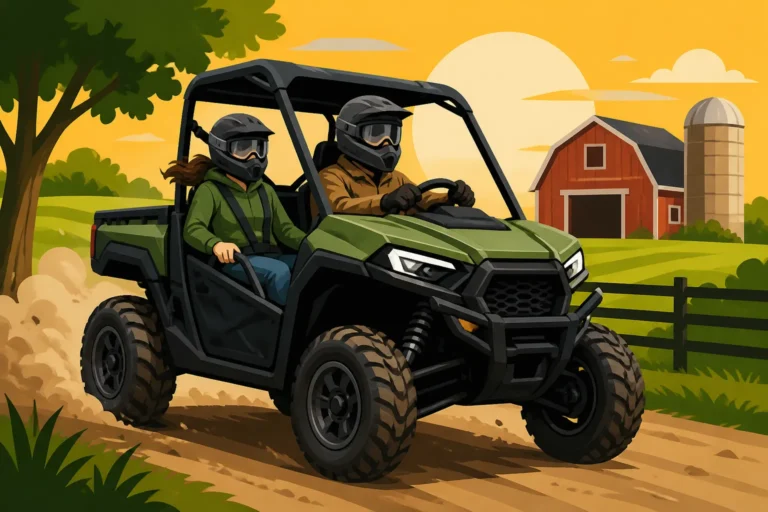
The conversation around roll bars really zeroes in on Utility Vehicles (UTVs) and Recreational Off-Highway Vehicles (ROVs) because, unlike traditional ATVs that are designed for a single straddle seat and handlebar steering, UTVs often feature side-by-side seating, a steering wheel, and most importantly, an integrated roll cage or roll-over protective structure (ROPS) from the factory. Missouri law acknowledges these machines differently, creating specific pathways for their limited road use that often hinge on their inherent safety features.
One of the most common exceptions for UTVs is the "3-mile rule," often discussed as [Missouri's 3-Mile Rule for Side-by-Sides]. This rule allows UTVs to be operated on state roads within three miles of the operator’s home or farm for specific purposes, such as accessing agricultural land, or for maintenance or other utility-related tasks. It's not a free pass to cruise the highway, but it does provide a critical lifeline for many rural residents. Another pathway is through local ordinances; many cities and counties across Missouri have taken it upon themselves to create permits that allow UTVs on their streets, recognizing their utility and popularity. For these local permits, you often have to obtain [Missouri's Special Permit for Road Use] from the local police or sheriff's department.
The Role of Factory and Aftermarket Roll Bars for Road Use
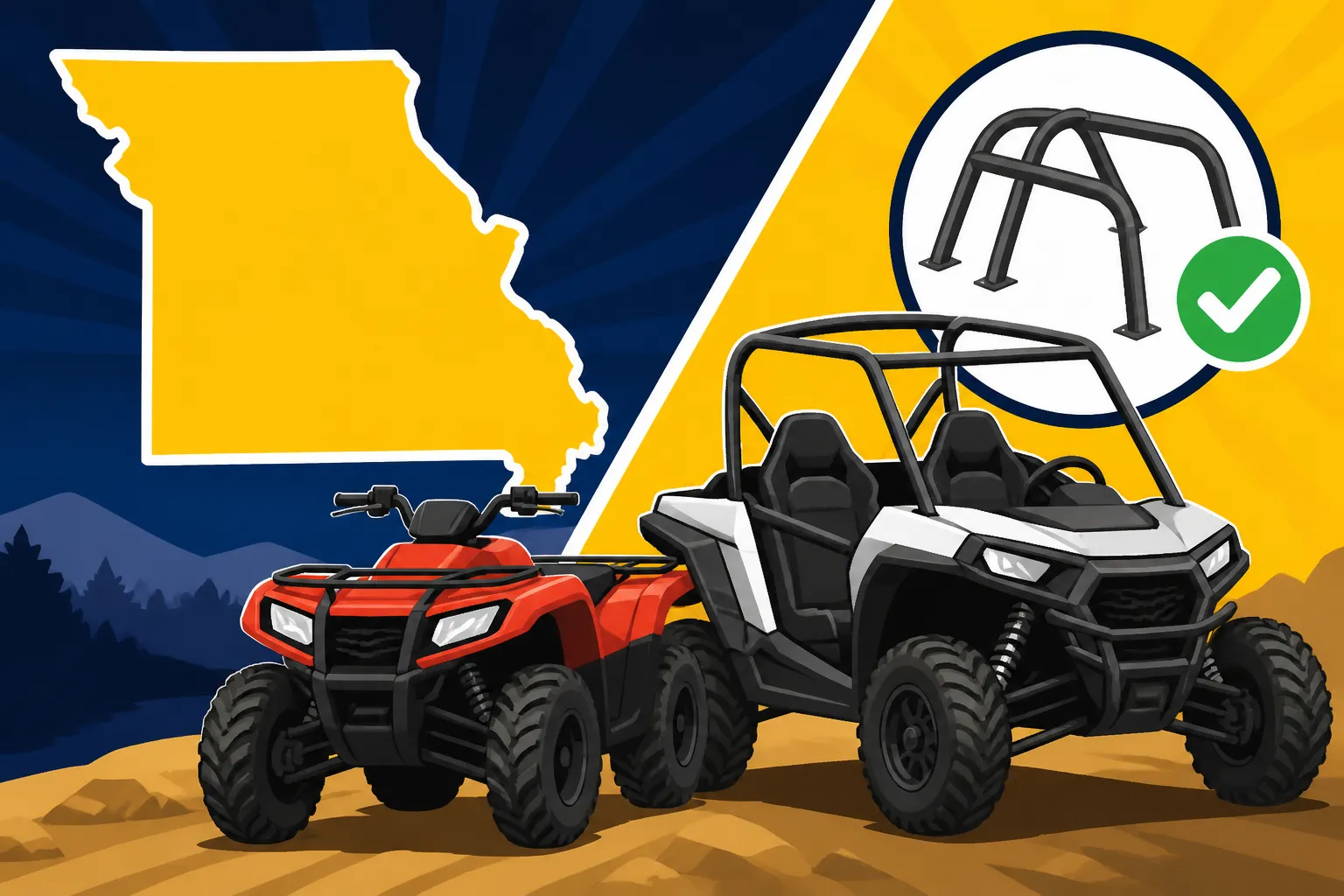
When Missouri law discusses UTVs and ROVs on public roads, the presence and integrity of a roll bar or ROPS are often implied, if not explicitly stated as a requirement. This is because these machines, by their very design, come equipped with a factory-installed roll cage meant to protect occupants in the event of a rollover. Unlike ATVs, which offer no such integrated protection and rely on rider skill and personal protective equipment, UTVs are built with this crucial safety feature.
For any UTV or ROV that finds itself on a public road under one of Missouri's exceptions—be it for agricultural use, utility work, or a local permit—that factory roll cage is expected to be present and undamaged. The law assumes these machines are maintained in a safe operating condition, and a compromised roll bar would certainly fail that test. If your UTV has been in an accident and its roll bar shows damage, or if you've modified it in a way that weakens the structure, you could be opening yourself up to serious liability and safety risks. Many riders, for various reasons, might look to enhance or even replace their factory roll cages. Aftermarket options are plentiful, offering everything from reinforced cages to full custom builds. Companies like SuperATV, for instance, offer heavy-duty roll cages and components that can provide additional protection or allow for customization while maintaining, or even exceeding, the factory safety standards. If you are considering such an upgrade, ensuring it meets or surpasses the original equipment manufacturer's safety specifications is paramount, especially when you plan to operate on public roads. It's not just about looking tough; it's about being safe and legal.
Seat Belts and Their Connection to Roll Bar Safety
A roll bar, whether factory or aftermarket, is only part of the safety equation; its effectiveness is severely limited without the proper use of seat belts. This is a critical point that Missouri law, and common sense, emphasizes for UTVs and ROVs. If your UTV is equipped with a roll bar and you're operating it on a public road under an approved exception, then wearing the vehicle's seat belts is absolutely mandatory for all occupants. The law in Missouri is clear on [Missouri Seat Belt Rules in a Side-by-Side]: if your machine has them, you must use them.
Think of it this way: a roll bar creates a safety cell around the occupants. However, if you're not securely fastened within that cell by a seat belt, you could be ejected from the vehicle during a rollover or collision, completely negating the roll bar's protective purpose. This is a common and tragic scenario that safety experts constantly warn against. Whether your UTV came with a standard three-point harness or you've upgraded to a four- or five-point racing harness for increased security on the trails, that belt needs to be clicked and properly adjusted any time you hit the pavement, even for a short trip down a county road. Neglecting this crucial step isn't just a legal infraction; it's a direct compromise of your personal safety and the safety of your passengers. Companies like SuperATV also provide aftermarket seat belt options for those looking to upgrade or replace worn factory belts, offering enhanced security that complements the roll cage protection.
Additional Safety Requirements for Road Use
Beyond the foundational aspect of roll bars and seat belts for UTVs, Missouri also has other important safety requirements that come into play when operating any OHV on public roads. These regulations are designed to increase visibility, protect riders, and ensure the machine is generally safe for road conditions, even if only for limited use. Ignoring these can lead to citations, fines, and significantly increase the risk of an accident.
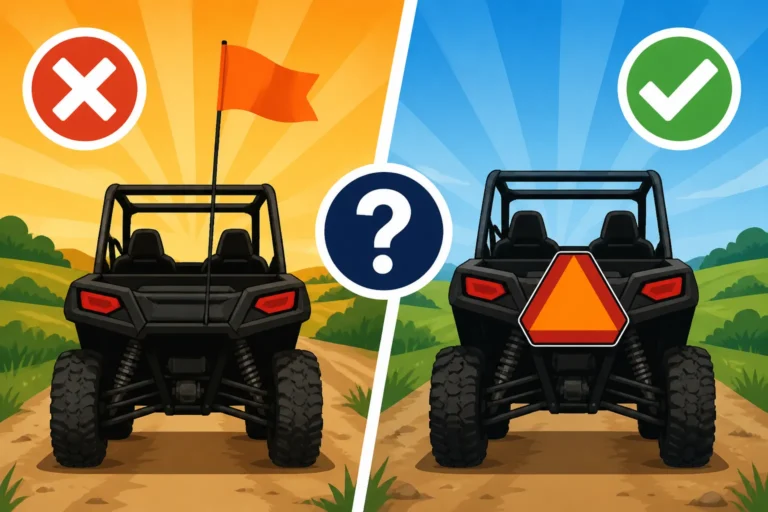
For example, when operating a UTV on a public road, specific lighting requirements are typically in effect. This means your UTV must have functional headlamps and tail lamps, and they need to be on, regardless of the time of day, to ensure you are visible to other traffic. Similarly, a safety flag is often required. This flag must typically fly at least seven feet above the ground, making your machine more visible over other vehicles, especially in hilly terrain or when crossing rises. You can learn more about [Missouri Safety Flag Requirements] in other resources. While the helmet law for adult ATV and UTV riders in Missouri isn't as strict as in some other states, there are still crucial rules regarding helmets for younger riders. For instance, [Missouri Helmet Law for Riders Under 18] dictates that anyone under a certain age must wear a helmet when operating an ATV or UTV. Even if you're an adult and not legally required to wear a helmet, it's always the wisest choice when operating any off-highway vehicle, especially on or near public roads where unpredictable events can occur.
Understanding the differences in equipment required for various types of road use is essential. Here's a quick overview:
| Feature | Agricultural/Utility Use (UTV/ROV) | Local Ordinance Permit (UTV/ROV) | ATV on Road (Limited Exceptions) |
|---|---|---|---|
| Roll Bar/ROPS | Required (factory or equivalent) | Required (factory or equivalent) | N/A (ATVs don't have them) |
| Seat Belts | Required, must be worn | Required, must be worn | N/A (ATVs don't have them) |
| Headlamps | Required, must be on | Required, must be on | Required, must be on |
| Tail Lamps | Required, must be on | Required, must be on | Required, must be on |
| Safety Flag | Often required (check local law) | Often required (check local law) | N/A (ATVs typically no road use) |
| Helmet (Under 18) | Required | Required | Required |
| Driver's License | Varies (often required) | Required | N/A (ATVs typically no road use) |
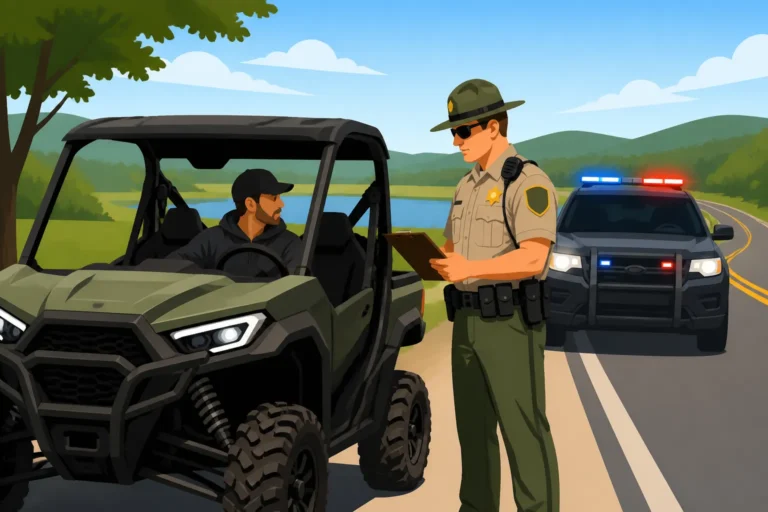
When in doubt about the specific requirements for your machine or intended road use, the best course of action is always to contact your local Department of Revenue, sheriff's office, or the specific city hall if you're planning on using city streets. Rules for [Missouri Rules for Riding a County Road] might differ slightly from specific city ordinances, so always verify locally.
Why These Requirements Exist: Safety and Liability
All these rules and requirements—from the presence of a strong roll bar to the use of seat belts and a bright safety flag—boil down to two core principles: rider safety and liability protection. Off-highway vehicles, by their very nature, are designed for rugged terrain and adventurous riding, not for sharing asphalt with cars, trucks, and motorcycles. The dynamics of an OHV, with its higher center of gravity, aggressive tires, and suspension tuned for off-road impacts, are vastly different from a street-legal vehicle.
Without a robust roll-over protective structure (ROPS) and seat belts, a UTV becomes incredibly dangerous in a rollover on hard surfaces. The forces involved in a crash at even moderate road speeds can be catastrophic. Manufacturers invest heavily in engineering their factory roll cages to meet specific safety standards, and any modification should ideally aim to meet or exceed those standards. This is where options from reputable companies like SuperATV come into play, allowing riders to maintain or enhance safety with proven aftermarket components. Furthermore, from a legal standpoint, if you're involved in an accident on a public road while operating an OHV without the required safety equipment, you could face severe penalties and a heavy burden of liability. Insurance might deny claims, and you could be held personally responsible for damages or injuries. It’s not just about avoiding a ticket; it’s about protecting yourself, your passengers, and your financial future. These regulations are not put in place to stifle your fun, but rather to minimize risk in situations where OHVs were never originally intended to operate. Knowing and adhering to them is a sign of responsible riding.
Disclaimer
This article is for general informational purposes only and does not constitute professional advice. Laws, prices and regulations vary by location and change over time. Consult a qualified professional for guidance on your specific situation.