Getting a Road Permit From a Police Department
Trying to figure out if you can legally drive your ATV or UTV on the streets in Missouri can feel like a labyrinth, especially when every city seems to have its own set of rules. It’s a common frustration for riders across the state, leaving many wondering if they need a special permit and, if so, where on earth to get it. This guide will walk you through the ins and outs of obtaining a road permit directly from your local police department, demystifying the process and helping you understand what to expect.
The Often-Confusing Landscape of Missouri Road Permits for ATVs and UTVs
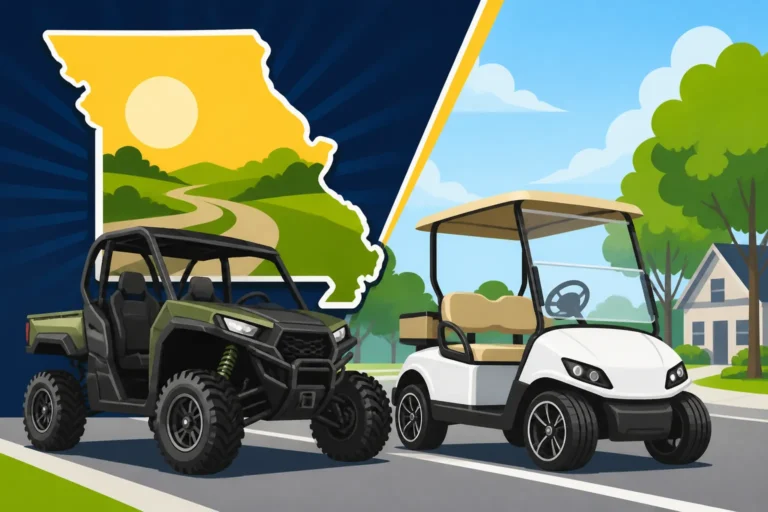
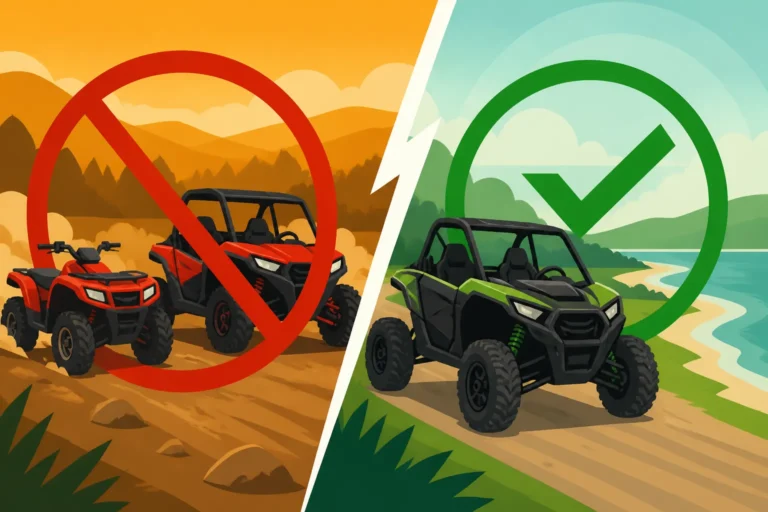
Missouri's stance on ATVs and UTVs on public roads isn't a simple "yes" or "no." The state generally prohibits their use on highways and roads, but then it carves out exceptions, which leads to a lot of local variation. This patchwork of regulations is precisely why so many riders feel lost, bouncing between state laws and local ordinances, often without a clear answer in sight.
Why Your Local Police Department Holds the Key
While the state sets the broad framework, it's often the individual cities and counties that decide the specifics for their local roads. They do this by passing local ordinances that allow—or restrict—the use of these machines within their own jurisdiction. When a city or county passes such an ordinance, it typically falls to the local law enforcement agency, like the police department or county sheriff, to administer and enforce the rules, including issuing any required permits.
Imagine you live in a town that has embraced the idea of UTVs for local travel. The city council might pass an ordinance outlining specific streets where UTVs are permitted, the hours of operation, and the safety equipment required. To ensure compliance and collect any associated fees, they'll usually designate the police department as the issuing authority for these local road permits. This means your permit isn't coming from the Department of Revenue or a state agency; it's coming from the very folks who patrol your streets. This hyper-local approach means that what works in Lake Ozark might not apply in Harrisonville, and vice versa, creating a real headache for anyone who rides in multiple areas.
The State Law vs. Local Ordinance Tug-of-War
It’s crucial to understand that a local ordinance doesn't override state law entirely. Instead, state law provides the authority for local governments to make their own rules in specific areas. For example, Missouri state law has provisions for agricultural use of ATVs and UTVs on public roads, or the well-known [Missouri's 3-Mile Rule for Side-by-Sides], which is a state-level exception for certain ROVs (Recreational Off-Highway Vehicles) to travel short distances from their residence. However, these state-level exceptions are often distinct from the permits a local police department might issue.
A police department permit usually applies when a city decides to open up all or some of its municipal streets to ATVs or UTVs, beyond what state law might already permit. These local ordinances will outline unique conditions, such as required safety inspections, specific operating hours, or even designated routes. So, you might meet the state's 3-mile rule for an ROV, but if you want to travel further or on different streets within city limits, a local police department permit might be your only option. It’s a dance between what the state allows generally and what your specific town permits specifically. Many riders are familiar with [Are ATVs Street Legal in Missouri?], which often details these different layers of rules.
Diving Deep into the Police Department Permit Process
Navigating the permit process can feel like a scavenger hunt, but with a bit of preparation, it's entirely manageable. The key is to start by understanding your local situation.
Finding Out If Your City Allows It
The very first step is to confirm that your city or county actually has an ordinance that allows ATVs or UTVs on its public roads. You can't get a permit if no such law exists!
- Check the City or County Website: Many municipalities will post their ordinances online. Look for sections related to "motorized vehicles," "ATVs," "UTVs," or "off-road vehicles."
- Call City Hall or the County Clerk's Office: If you can't find it online, a quick call to the city clerk's office is often the fastest way to get an answer. They can tell you if an ordinance exists and, if so, direct you to the relevant department (which is typically the police department).
- Contact the Police Department Directly: Once you've confirmed an ordinance exists, or if you're still unsure, call the non-emergency line of your local police department. Ask about their process for ATV/UTV road permits. They'll be able to confirm their role, what's required, and schedule any necessary appointments. For example, some cities like Harrisonville have specific police department permits, as detailed in [Harrisonville's Police Department Permit]. They might even have a specific officer or civilian staff member dedicated to handling these permits.
Required Documents and What to Expect During Application
Once you've confirmed your city issues permits, gather all your documentation. This typically includes:
- Proof of Ownership: Your ATV or UTV title. If you're still making payments, a copy of the title with the lienholder listed is usually acceptable. Make sure the title is in your name. For new machines, you might need a [A Certificate of Origin for a New Missouri Machine].
- Proof of Insurance: Most local ordinances will require you to carry liability insurance, just like a regular car. This isn't usually required by the state for off-road use, but it's almost universally required for road use by local ordinances. Your insurance card or a declaration page showing coverage for the specific VIN of your machine will work.
- Driver's License: You’ll need a valid operator's or chauffeur's license. Some ordinances might specify a minimum age beyond the general driving age, so be sure to check that detail.
- Vehicle Identification Number (VIN): Be ready to provide the VIN from your machine. The police department will likely verify this against your title and possibly conduct a visual inspection.
- Application Form: The police department will have its own application form to fill out. This usually asks for your personal information, vehicle details, and an acknowledgment of the local rules.
- Fee: Expect a nominal fee for the permit. This is usually an administrative charge to cover the cost of processing and isn't typically very expensive. It can vary from city to city, but it's usually a small, one-time or annual charge, much like [Missouri Special Permit Cost for ATVs].
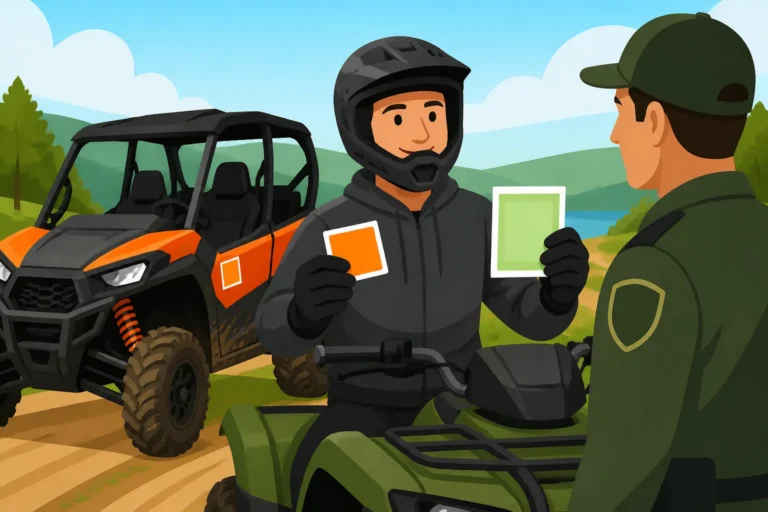
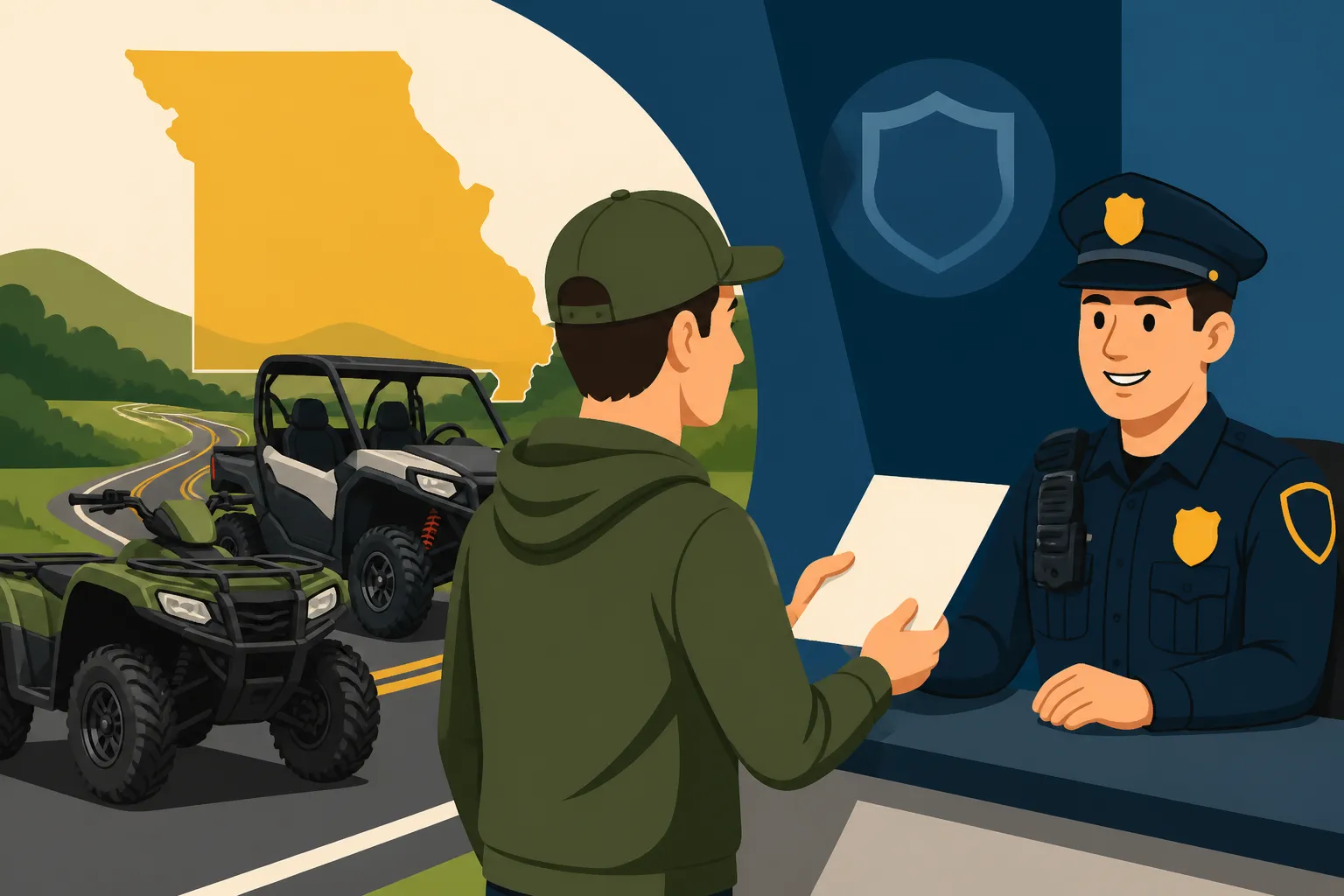
The application process might involve visiting the police station, filling out paperwork, presenting your documents, and possibly having an officer visually inspect your machine to ensure it meets safety requirements. Some departments might issue the permit on the spot, while others may require a few days for processing.
What Police Departments Look for in Your Machine
Local ordinances are primarily concerned with safety when allowing ATVs and UTVs on public roads. Therefore, the police department will likely be looking for specific safety features on your machine. While the exact requirements can vary, common items include:
- Lights: Headlights, taillights, brake lights, and sometimes turn signals. These ensure your machine is visible to other drivers, especially during dusk, dawn, or bad weather.
- Reflectors: Additional reflectors may be required on the front, rear, and sides.
- Brakes: Fully functional braking system.
- Horn: An audible warning device.
- Mirrors: At least one rearview mirror, and often two (left and right).
- Safety Flag: Many ordinances require a brightly colored, high-mounted safety flag, especially for UTVs, to make them more visible to other traffic, particularly over hills. These often need to fly at a certain height, sometimes 7 feet, as discussed in [Missouri Safety Flag Height]. You can find these flags and mounting kits from brands like SuperATV, ensuring you meet any height and visibility requirements.
- Roll Bars/Seatbelts (for UTVs): If you're operating a UTV, the factory roll-over protection structure (ROPS) and seatbelts must be in good working order. These are crucial safety features.
- Tires: Tires must be in good condition, without excessive wear or damage.
- Spark Arrester: While more for off-road trails, some local permits might specify a functioning spark arrester to prevent fires.
- Muffler/Exhaust: The exhaust system should not be excessively loud, meeting local noise ordinances.
The officer inspecting your machine isn't trying to make your life difficult; they're ensuring your vehicle is reasonably safe for sharing the road with cars, trucks, and pedestrians. It’s all about preventing accidents and ensuring your machine doesn’t pose an undue risk.
Understanding the Scope and Limitations of Your Local Permit
Once you have that permit in hand, it's essential to understand exactly what it allows you to do and, perhaps more importantly, what it doesn't. Misunderstanding these limitations can lead to citations and even the revocation of your permit.
Where Can You Actually Ride with This Permit?
This is perhaps the most critical distinction. A permit issued by your city police department is typically valid only within the corporate limits of that specific city or town. It does not automatically grant you permission to ride on county roads outside the city, in neighboring towns, or on state highways (unless specifically allowed by state law, like crossing a highway).
For example, if you obtain a permit from the Union Police Department, you can ride your UTV on permitted streets within Union. However, if you cross the city limit into an unincorporated area or a different municipality that doesn't have its own ordinance, your permit from Union becomes invalid, and you could be cited. This is a common point of confusion for riders who might assume a permit from one local authority carries weight everywhere. This is a topic often explored when discussing [Does a City Permit Work in the Next Town?].
You’ll need to familiarize yourself with the specific streets or areas designated by the ordinance. Some cities might open all their streets, while others might restrict use to certain roads or only allow crossing main thoroughfares. Always check the ordinance or ask the police department for a map or clear guidelines.
Operator Responsibilities and Safety Gear
Even with a permit, you have significant responsibilities as an operator. These typically mirror standard vehicle operation rules:
- Driver's License: As mentioned, you must have a valid driver's license. This isn't just a requirement for obtaining the permit; it's a requirement every time you operate the machine on public roads.
- Insurance: Always carry proof of insurance. An officer may ask for it during a stop.
- Obey Traffic Laws: This means adhering to speed limits, traffic signals, stop signs, and all other rules of the road. An ATV or UTV might feel different, but on city streets, it's treated like any other vehicle in terms of traffic regulations.
- Passenger Rules: Local ordinances often have specific rules regarding passengers. While some UTVs are designed for multiple passengers, ATVs generally are not. Be aware of [Missouri Passenger Rules on an ATV] and how the ordinance addresses multi-seat machines.
- Helmet Use: While adults in Missouri aren't typically required to wear helmets when operating ATVs off-road, local ordinances for on-road use might impose different rules, especially for younger riders or within specific speed limits. Always check the local ordinance for [Missouri Helmet Law for Riders Under 18].
- Required Safety Equipment: All the equipment that was inspected (lights, horn, flag, etc.) must be in working order and used appropriately (e.g., headlights on during required hours, flag flying high). Ensuring your machine is equipped with quality accessories, like those from SuperATV, can help meet these requirements easily.
The Practical Costs and Renewal Cycle
The costs associated with a police department-issued road permit are usually quite reasonable. As mentioned, it’s primarily an administrative fee, not a revenue generator.
- Initial Fee: This can range from a few dollars to perhaps twenty or thirty, depending on the municipality. It's often a one-time fee for the application and permit issuance.
- Renewal Fees: Many permits are valid for a specific period (e.g., one year) and require annual renewal. The renewal fee is typically the same or slightly less than the initial fee. It's important to keep track of your permit's expiration date to avoid riding without a valid permit.
- Indirect Costs: Don't forget the indirect costs. If your machine needs specific safety equipment to qualify (like a better horn, mirrors, or a flag), you'll need to budget for those upgrades. For instance, if you need a specific type of mirror or a durable safety flag, looking at aftermarket options from a brand like SuperATV can provide robust solutions that meet or exceed local requirements. Also, there's the ongoing cost of insurance, which is almost always a prerequisite.
Keeping your permit current is your responsibility. The police department isn't going to send you a reminder in the mail. Mark your calendar, set a phone alert, or tie it to another recurring event to ensure you don't accidentally let your permit lapse.
| Permit Aspect | Typical Missouri Police Dept. Permit Details |
|---|---|
| Issuing Authority | Local City Police Department or County Sheriff's Office |
| Geographic Validity | Only within the specific city or county that issued the permit |
| Permit Duration | Usually annual; check local ordinance for specifics (e.g., 1 year from issuance, or calendar year) |
| Required Documents | Valid Driver's License, Proof of Ownership (Title), Proof of Insurance, Completed Application |
| Machine Requirements | Headlights, Taillights, Brake Lights, Horn, Mirrors, Safety Flag (often 7ft), Roll Bars/Seatbelts (UTV) |
| Operator Requirements | Valid Driver's License, Adherence to all traffic laws, No open containers, No DWI |
| Cost | Generally low administrative fee (e.g., $10-$30 per year); varies by municipality |
| Enforcement | Local police officers/sheriff's deputies can issue citations for violations or riding without a valid permit |
Common Hurdles and How to Navigate Them
Even with a clear understanding of the process, you might encounter some bumps along the road. It's helpful to anticipate these and know how to deal with them.
When City Rules Don't Quite Line Up
One of the biggest frustrations riders face is the lack of uniformity. You might live in a county where UTVs are perfectly fine on county roads with a sheriff-issued permit, but your nearest small town strictly prohibits them on city streets, even for a short trip to the grocery store. Or perhaps one town requires a 7-foot safety flag, while the next only asks for a basic orange triangle.
This discrepancy can be maddening, especially if you traverse multiple jurisdictions regularly. The best way to navigate this is to be proactive. Before you ever hit the streets in a new area, do your homework. Call their local police department or city hall. Don't assume. Ignorance of local laws is rarely an excuse that will get you out of a ticket. If you're passionate about expanding riding opportunities, get involved with your local city council meetings or county commission. Many towns have opened their streets due to persistent, organized lobbying by local riders.
Keeping Up with Changing Ordinances
Just like state laws, local ordinances aren't set in stone. City councils and county commissions can amend or repeal them at any time. A city that once welcomed UTVs might suddenly impose new restrictions due to safety concerns or resident complaints, or conversely, a previously restrictive town might open its roads.
This is where staying connected with your local riding community can be invaluable. Join local ATV/UTV clubs, follow city council meeting agendas online, and keep an eye on local news. If you hear whispers of changes, contact your police department or city clerk for clarification. Your permit might become invalid if the underlying ordinance changes substantially or is repealed.
What to Do If Your Permit Application is Denied
While most denials stem from incomplete paperwork or a machine not meeting safety standards, it can still be disappointing. If your application is denied:
- Ask for Specific Reasons: Don't just accept a "no." Politely ask the police department staff for the exact reason for the denial. Was it a missing document? A specific safety item on your machine? Your driver's license status?
- Rectify the Issue: Once you know the reason, take steps to fix it. If it's a paperwork issue, gather the correct documents. If it's a machine issue, address the deficiencies (e.g., install required mirrors, ensure lights are working). Brands like SuperATV offer a wide range of accessories that can help bring your machine up to spec for street legality.
- Reapply: Once you've addressed the issues, reapply. There's usually no penalty for reapplying after a denial, as long as you've resolved the original problem.
- Understand Policy Limits: In rare cases, the denial might be due to a specific policy that you can't easily change (e.g., an age restriction you don't meet, or a type of machine explicitly excluded by the ordinance). In such cases, you might need to reconsider your riding plans or explore if other jurisdictions have different rules.
Getting a road permit from a police department in Missouri for your ATV or UTV is a local process, rooted in local ordinances. It requires diligence, attention to detail, and a commitment to safety. But for many riders, it's a worthwhile effort that opens up new possibilities for enjoying their machines responsibly within their communities.
Disclaimer
This article is for general informational purposes only and does not constitute professional advice. Laws, prices and regulations vary by location and change over time. Consult a qualified professional for guidance on your specific situation.