Finger Lakes State Park in Missouri
A ride at Finger Lakes State Park can be a great day out, until you arrive with the wrong machine, miss a permit requirement, or discover a trail is closed. This guide explains what to expect, how to prepare, and how to plan a safer visit to this reclaimed mine-land riding area near Columbia, Missouri.
Getting to Know Finger Lakes State Park
Where the park is and what makes it distinctive
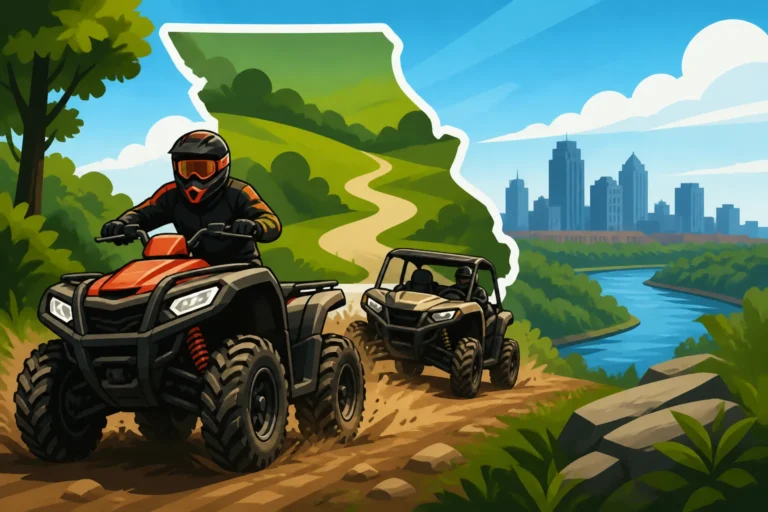
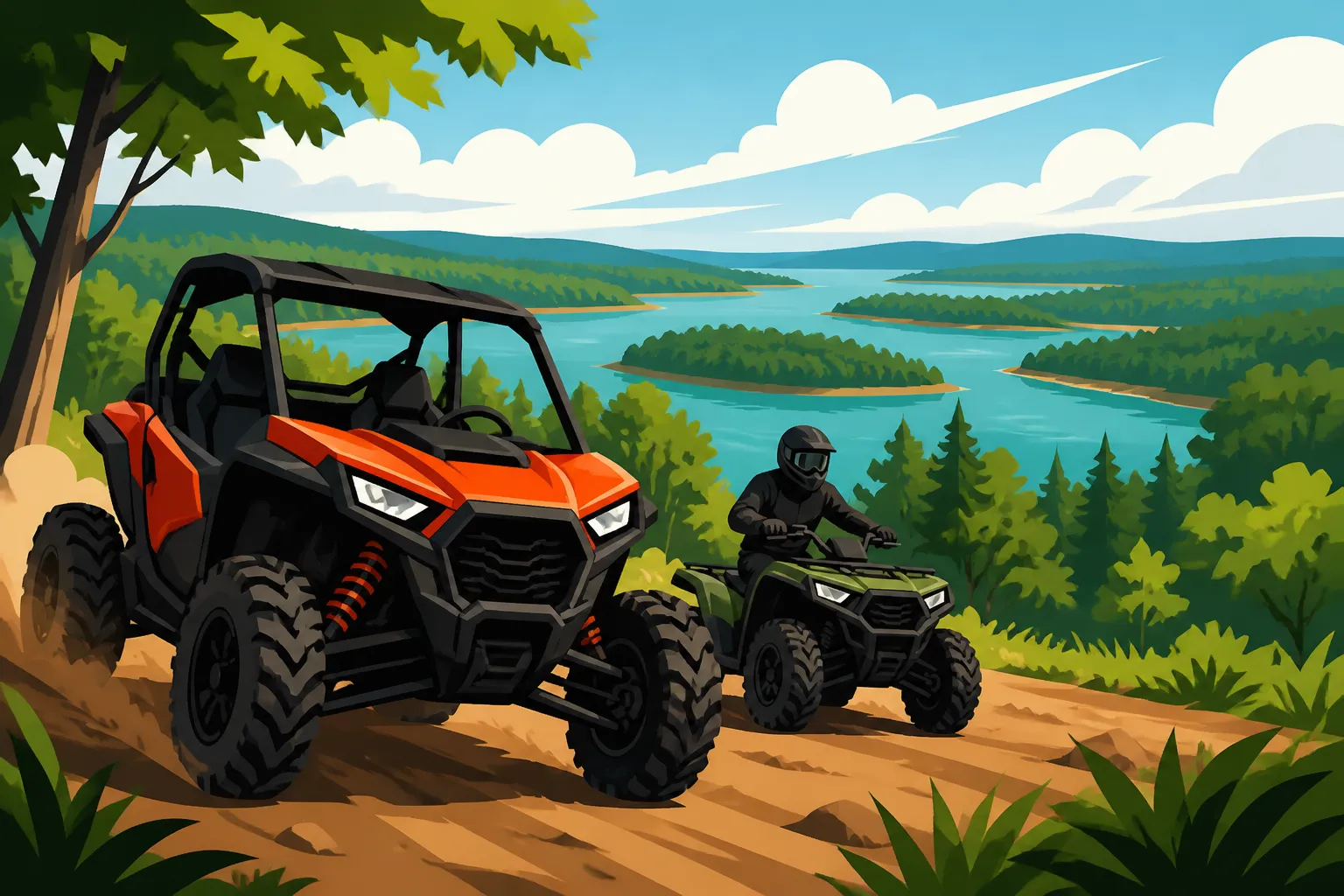
Finger Lakes State Park is in Boone County, north of Columbia, in central Missouri. Its setting is part of the appeal: this is not a conventional forest trail system. The land was shaped by coal mining and later reclaimed, leaving a landscape of rolling ground, wooded sections, open areas, and water features. The park’s off-highway riding area is one way visitors experience that unusual terrain.
If you are coming from Columbia, the park is close enough to make a day trip practical, but it still pays to treat the visit like an outing rather than a quick spin around town. Load your machine, check your gear, and confirm the park’s current riding and access information before leaving. A short drive can become a frustrating one if you arrive after the riding area has closed or learn at the entrance that your vehicle or permit does not meet the rules.
Visitors often hear about the park as a single destination, then discover that “going to Finger Lakes” can mean different activities. Some people come to ride; others want to camp, paddle, hike, picnic, or spend time by the water. If you are traveling with a group where not everyone rides, agreeing in advance on where and when you will meet can help keep the day relaxed.
What the park offers beyond ATV riding
The park is more than an off-road staging area. Depending on your group’s interests and the facilities available during your visit, Finger Lakes can work as a mixed-activity destination. A rider may spend the morning on designated trails while family members enjoy other park activities, then everyone can meet up for lunch or a campsite evening. Check the park’s current recreation information before you promise a particular activity, especially if it depends on a facility or seasonal operation.
This range of uses can make the park a good choice for families and groups with different comfort levels. A new rider might prefer a controlled practice area, while an experienced rider may want to explore more of the designated riding network. A non-rider may be happiest with a picnic, walk, or quiet time near the water. Planning those expectations in advance prevents the common problem of one person assuming that everyone will spend the entire day on machines.
It also helps to keep the park’s boundaries clear in your mind. A trail network is not permission to ride everywhere on park land. Use the designated areas and routes, obey posted closures, and do not assume that a road, open field, shoreline, or connecting path is available to off-highway vehicles. For a broader look at how riding locations fit into the state’s rules, see [Missouri Rules for Riding Public Land].
What Riding at Finger Lakes Is Like
Terrain, trail variety, and the reclaimed landscape
Finger Lakes’ reclaimed mine setting gives the riding area a different character from a narrow, shaded Ozark forest trail. Ground conditions can change across the park, and weather can alter how a route feels from one visit to the next. A trail that seemed straightforward when dry may become slick or deeply rutted after rain. Even experienced riders should take a few minutes to assess conditions before choosing a route.
Rather than setting out with a fixed plan to cover as much ground as possible, begin with a route that suits the least experienced rider in your group. Pay attention to the surface, visibility, turns, and the condition of the trail ahead. A group that is comfortable on open ground may still need to slow down in a wooded stretch, around a blind bend, or wherever erosion has changed the trail. The park is more enjoyable when the ride matches the conditions instead of the other way around.
Trail conditions are not a promise of a particular experience. Rain, maintenance, seasonal closures, and park operations can affect which routes are open or comfortable to ride. Look at posted information when you arrive and pay attention to signs along the way. You can also read [Missouri Trail Conditions Before You Ride] as a reminder to make trail checks part of trip planning, not an afterthought.
Motocross and youth riding areas
Finger Lakes is known for offering riding experiences beyond simply following a trail. The park has included a motocross track and a youth riding area among its off-highway recreation features. These options can be useful when riders want a more contained setting for practice or when a young rider is not ready for a longer route. Confirm which facilities are open and what rules apply before you build your schedule around them.
A designated youth area can make a first riding experience less intimidating, but it does not remove the need for supervision, protective gear, and age-appropriate equipment. A child who is nervous about traffic, trail surfaces, or keeping up with a group may benefit from a shorter session in a more controlled space. Keep the first visit low-pressure: allow time to learn the controls, practice stopping and turning, and take breaks before fatigue sets in.
A motocross track is also a different environment from a trail. Riders should understand the track’s access rules, skill expectations, and equipment requirements before entering. If a beginner in your party wants to try it, do not assume that watching other riders for a few minutes is enough preparation. Read the posted rules, start conservatively, and leave the track if the layout or pace feels beyond the rider’s current ability. For more on planning around younger riders, see [Riders 12 and Under in the Youth Area] and [Missouri Supervision Rules Under Sixteen].
Permits, Access, and Park Rules
Understand the permit before you unload
A Missouri ATV title or registration decal is not automatically the same thing as permission to ride on a state park trail. Park access can involve its own permit requirements, and those rules may depend on the type of machine and where you intend to ride. Before you travel, check the state park’s current off-road vehicle information and confirm what applies to your specific vehicle. Start with [Do You Need a Permit for Missouri State Park Trails?] and [Missouri ORV Permits Explained].
Do not wait until you are standing at the trailhead to figure out how to obtain a permit. Check whether the relevant permit can be acquired ahead of time, what information you will need, and how you are expected to display or show proof of it. If your group has more than one machine, verify the requirements for each one rather than assuming one purchase or document covers everyone. Keep confirmation accessible, and make sure the person driving the tow vehicle knows where it is.
The machine’s paperwork and trail access are separate practical questions. A rider may have a properly titled machine and still need to meet park-specific entry conditions, while a park permit does not replace vehicle paperwork required elsewhere. The details can be easy to mix up when you are packing for a trip, so keep a short checklist: machine documents, park permit, identification if required, protective equipment, and any required safety items. See [Does Your Decal Cover the Park Trail Permit?] for a focused explanation of why the two systems should not be treated as interchangeable.
Hours, closures, and changing conditions
A park visit is much easier when your schedule is based on confirmed access information rather than an old memory or a friend’s report from a previous season. Check current park notices for riding hours, trail status, facility access, and any temporary closures. A park may be open while a particular riding route or feature is not. If you are making a long drive, it is worth confirming the parts of the visit that matter most to you.
Closures can happen for practical reasons, including maintenance, damage, weather, or other park operations. A closed trail is not an invitation to find a route around the barrier. Riding around a closure can damage recovering ground, create a new unsafe path, and put you in conflict with park rules. If a planned route is unavailable, use the open designated routes or adjust the day’s plan.
Weather deserves special attention in a reclaimed landscape. Heavy rain can change traction and visibility, and wet or damaged ground can make riding more hazardous even where a route remains open. Before unloading, check the forecast and the trailhead information. If conditions are poor, choose a shorter ride, wait for improvement, or call it early. It is frustrating to cancel a trip after packing everything, but getting stuck, damaging the trail, or riding beyond your ability is a worse outcome. Use [Missouri Trail Closures to Check First] as part of your pre-trip routine.
| Before you ride | What to confirm | Why it matters |
|---|---|---|
| Park access | Current riding hours and entrance information | Helps avoid arriving outside the riding window |
| Trail status | Open routes and temporary closures | Prevents riding into a closed or damaged area |
| Permit | Requirements for your machine and riding area | A title or registration decal may not replace a park permit |
| Machine eligibility | Applicable size, type, or equipment rules | Keeps an unsuitable machine from being turned away |
| Rider preparation | Age, supervision, protective gear, and safety items | Helps match the plan to everyone’s experience |
| Weather | Rain, temperature, and changing trail conditions | Supports safer decisions and realistic route choices |
Choosing and Preparing a Machine
Match the machine to the route and rider
Before loading up, identify the kind of machine you are bringing and confirm it is eligible for the area you plan to use. Riders sometimes assume that an ATV, UTV, side-by-side, and recreational off-highway vehicle can all use the same routes under the same conditions. They may not. Park rules can distinguish among vehicle types, and route limits can matter as much as the machine’s power or age.
Width, passenger capacity, and the way a machine is designed can affect where it is permitted to ride. Do not rely on a casual estimate or an old measurement from a sales listing. Check the manufacturer’s specifications and, where the park states a specific measurement method, follow that method. If you are uncertain whether your UTV or ATV fits the rules for a particular route, get clarification before you make the drive. [Measuring 64 Inches at the Gate] is useful background for understanding why dimensions can matter at riding areas.
The best machine is not necessarily the largest or most powerful one. It is the machine that fits the rider, the route, and the group’s plans. A beginner may have a better day on a manageable ATV than on a heavy, high-powered machine that is difficult to control. A UTV may offer seating and carrying capacity, but it also has different access considerations. If the group includes riders with different experience levels, agree on a pace and route that do not pressure anyone into riding beyond their comfort zone.
Gear, loading, and a practical pre-ride check
Give yourself time to inspect the machine before the trip, rather than discovering a problem in the staging area. Check tires, brakes, throttle response, steering, lights where needed, and the condition of protective components. Look for loose fasteners, visible leaks, or damage that could become serious once you are away from the parking area. If your machine has been sitting unused, a basic service check can prevent an avoidable breakdown.
Pack protective gear for the actual riding conditions, not just the drive from home. Helmets and suitable eye protection are essential parts of responsible off-road preparation; gloves, sturdy footwear, and clothing that protects against brush and debris also make a difference. Bring water, a small first-aid kit, and a way to contact your group if riders become separated. Keep items secured so they cannot fall onto the trail or become caught in moving parts.
Loading and tie-downs deserve the same attention as the ride itself. Check that ramps are secure, the trailer is suitable for the machine, and each vehicle is restrained at stable points. Once at the park, choose a safe place to unload, keep the staging area clear, and avoid blocking other visitors. A careful start lowers the stress of the day: no frantic searching for gear, no rushed inspection, and fewer surprises once the group is ready to ride.
Riding Safely and Navigating the Park
Ride within your ability and look out for others
A group ride works best when everyone knows the plan. Decide who leads, who follows, and where the group will stop if someone needs help. Agree on a pace before entering the trail. This is especially important when riders have different experience levels: the fastest person should not set a speed that leaves a new rider anxious or separated from the group.
Keep a sensible following distance and slow down when visibility is limited. Blind corners, uneven surfaces, other trail users, and changing ground can all appear with little warning. Avoid sudden maneuvers that could surprise a rider behind you. If you need to stop, move to a safe spot where the rest of the group can see you and where you are not blocking the route.
Respect posted rules and other park visitors, including people who are not riding. Stay on designated routes, avoid disturbing wildlife, and leave gates or barriers as you find them. Pack out trash and do not create shortcuts around muddy or damaged trail sections. Good etiquette matters because the riding area is shared space; a careless pass or a new unauthorized track can affect everyone’s experience and the park’s ability to maintain access.
Use maps as support, not as permission
A map can help you understand the park layout, plan a route, and keep track of where you have been. Some riders use tools such as onX Offroad to review off-road routes and organize a trip. Treat any digital map as a planning aid, not as final proof that a route is open or legal to ride. Park signs, current official information, and posted closures take priority over a line shown on a phone.
Download or prepare the information you need before you leave reliable service. Even close to a city, reception can be inconsistent around wooded areas, low ground, or a crowded trailhead. A phone battery also drains faster when you use navigation continuously. Bring a power bank if you rely on your phone, and let someone in your group know the planned route and expected return time.
When using onX Offroad or another mapping tool, check the map’s legend and understand what the route markings mean. A line on a map may describe a trail or road without communicating every restriction that applies to your vehicle. Compare the map with park information, and do not follow a route that appears to leave the designated riding area. For local trip ideas and additional regional context, see [Missouri ATV Trails Near Columbia] and [Missouri Trail Maps From State Parks].
Making a Full Day or Weekend of the Visit
Camping and group logistics
If you plan to camp, check the park’s current campground information before you set out. Confirm what facilities are available, how to reserve or secure a site, and whether the space suits your trailer and tow vehicle. A campsite that works for a tent may not be convenient for a large rig, and a crowded weekend can make an improvised arrival stressful. Planning the overnight part separately from the riding plan helps avoid surprises.
Think through the practical details of camping with a machine. You may need room to park a trailer, store helmets and riding gear, and keep muddy equipment separate from sleeping or cooking areas. Bring a way to clean up without washing sediment or oil into a drain or waterway. Secure keys and small items, and avoid leaving valuable equipment exposed when you head to another part of the park.
A weekend visit can make the park feel less rushed, but it does not mean you need to ride all day. Build in breaks for meals, hydration, and rest. If younger riders are coming, plan a shorter first session and keep a flexible backup activity in mind. Families sometimes overpack the schedule because they want to make the most of the trip; a slower day, with time to enjoy the park outside the riding area, can be more memorable than trying to fit everything in.
Building a sensible itinerary near Columbia
Finger Lakes’ proximity to Columbia makes it possible to combine a ride with errands, meals, or other activities in the region. Still, leave enough time for park entry, unloading, checking rules, and preparing the group. A plan that assumes you can arrive and be riding immediately often falls apart once everyone needs to use the restroom, find a permit, adjust a helmet, or sort out a machine issue.
For a first visit, keep the itinerary simple. Arrive with enough daylight to get oriented, read the trailhead information, and choose an approachable route. Set a clear turnaround time so the group does not end up rushing back as conditions or light change. If some people are not riding, decide on a meeting place and check-in time that works for them too.
If you are comparing Finger Lakes with another riding option, compare the whole experience rather than just the length of a route. Consider machine eligibility, permit requirements, available facilities, distance from home, the skill level of your group, and what else you want to do that day. Private parks, state parks, and forest riding areas can have different access systems and trail characteristics. [Choosing a Missouri Private Park Over a State Park] can help frame that comparison, while [Camping Near a Missouri Trailhead] offers more ideas for planning an overnight trip.
Disclaimer
This article is for general informational purposes only and does not constitute professional advice. Laws, prices and regulations vary by location and change over time. Consult a qualified professional for guidance on your specific situation.