Missouri Riding Areas With a Youth Track
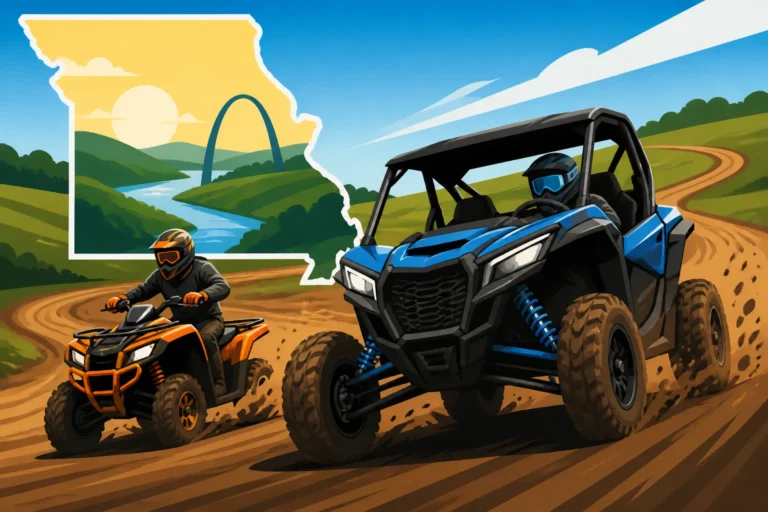
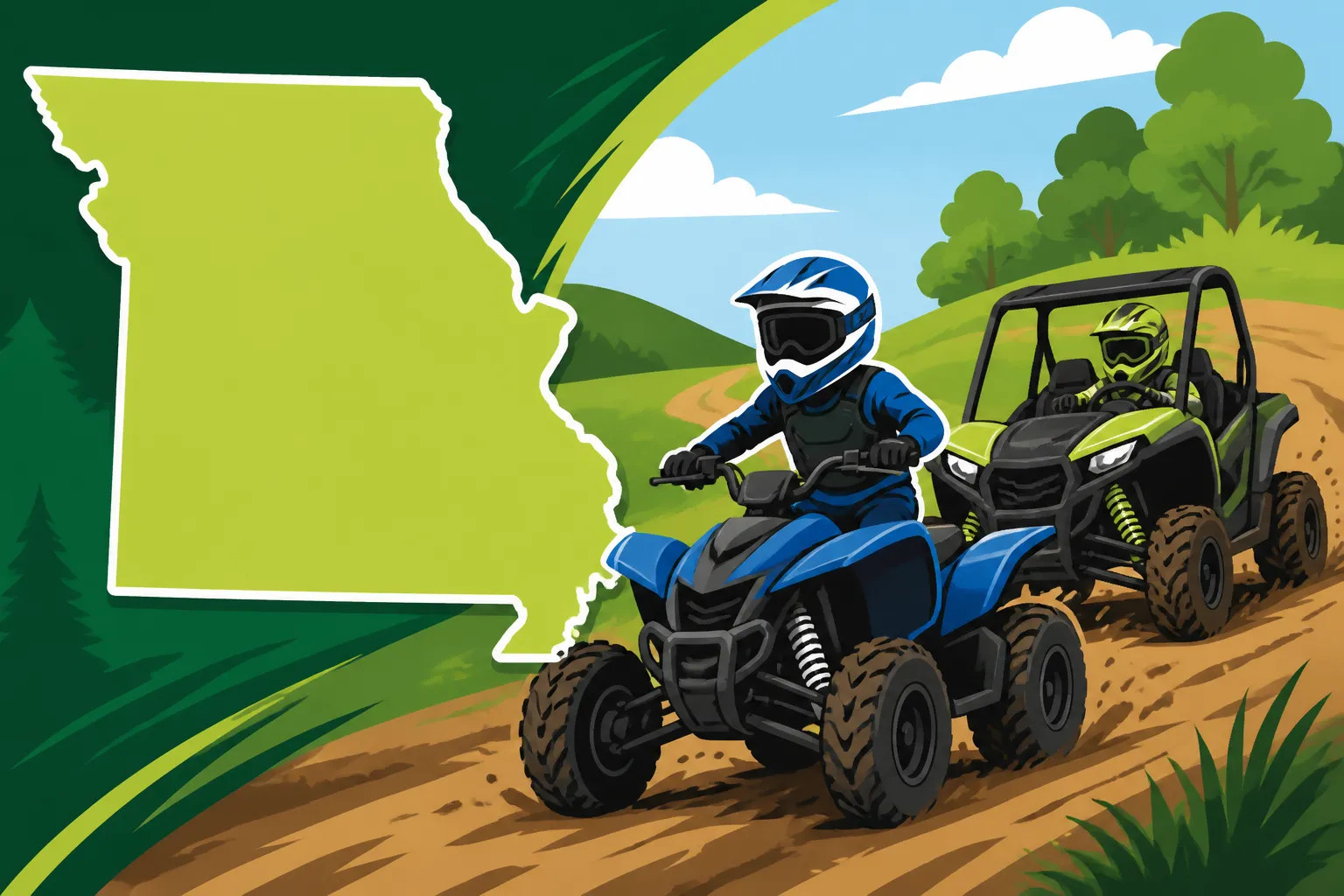
A child’s first trail ride can turn stressful fast when the route is too rocky, the machines are too large, or there’s no clearly separate place to practice. Missouri has a designated youth riding area at Finger Lakes State Park near Columbia, but families should check access rules and conditions before loading up. This guide explains what to expect and how to plan a safer first outing.
Where to find a youth riding area in Missouri
Finger Lakes State Park near Columbia
Finger Lakes State Park, north of Columbia in Boone County, is the clearest public-land option to investigate if you’re specifically looking for a youth riding area. The park has an area set aside for young riders, separate from the challenge of simply following the main trail system. For families, that distinction matters: a child can work on basic control in a more suitable setting before tackling a longer ride.
A designated youth area is not automatically a fit for every child or machine. Check the park’s current rules before you go, including who may use the area, what supervision is required, and whether your child’s machine is allowed. The park’s own information is the best place to confirm details; trail access, restrictions, and operating arrangements can change. For a more focused look at that facility, see [Finger Lakes' Youth Riding Area].
It also helps to think of “youth area” as a place to practice, not a guarantee of a smooth, effortless ride. Young riders still need protective gear, close adult attention, and a machine that matches their size and experience. If your child has never ridden away from home, begin with slow turns, gentle starts and stops, and short sessions. A child who feels comfortable after ten minutes may be ready to continue; a child who is overwhelmed does not need to be pushed into a longer outing.
Does every Missouri riding area have a youth track?
No. A riding area may welcome families without having a separate youth track or practice loop. The terms can also be confusing: a park may have trails that are suitable for some young riders but no dedicated place reserved for youth practice. Before you make a long drive, ask the land manager or park office whether a youth-only area is available and what rules apply.
Other well-known places to ride, including St. Joe State Park and the Chadwick area, offer different riding experiences. Do not assume that a youth facility at one destination means another destination has the same setup. If your priority is a controlled first ride, confirm the layout, age limits, and allowed machine types rather than choosing a location based only on its general reputation.
| Riding option | What families should confirm | Best planning approach |
|---|---|---|
| Finger Lakes State Park near Columbia | Youth-area access, age and supervision rules, machine restrictions, and conditions | Check the park’s official information before traveling |
| St. Joe State Park near Park Hills | Whether a suitable youth area or beginner option is available for your visit | Ask the park about current facilities and rules |
| Chadwick area in the Mark Twain National Forest | Trail difficulty, machine width limits, permit needs, and whether routes suit your child | Choose a suitable route only after reviewing official trail information |
| Private riding park | Whether it has a youth track, minimum age or machine requirements, and separate practice space | Contact the operator directly before booking or hauling |
How to choose a youth riding area that fits your child
Match the machine to the rider
A youth track cannot make an oversized or unfamiliar machine suitable for a child. Before the trip, think about whether your rider can reach and use the controls comfortably, turn without struggling, stop reliably, and manage the machine’s weight. If the child cannot confidently handle basic starts and stops in a familiar place, a busy public riding area may be an unnecessarily difficult first lesson.
Be honest about the difference between a machine that technically runs and one your child can control. A quad that feels manageable on flat ground may become intimidating on a slope or uneven surface. For a side-by-side, the concerns are different: the child may be a passenger rather than the operator, and park rules may treat the machine and riders differently. Review [Youth Machine Sizes and Missouri Rules] and [Matching a Machine to a Child in Missouri] when deciding whether the equipment and rider are a sensible match.
Start with a short, low-pressure session. Agree on a simple plan before unloading: where the child will ride, where the adult will stand or follow, and what signal means “stop.” A youngster who is tired, cold, nervous, or frustrated may lose focus quickly. Taking a break early is a better choice than turning a fun outing into a test of endurance.
Understand age and supervision rules
Missouri riding rules depend on where you ride. State park requirements are not necessarily the same as rules on national forest land, private property, or a commercial riding property. At a state park, pay close attention to age restrictions, adult supervision, designated youth-area rules, and any limits on where younger riders may go. The practical details are covered in [Missouri Park Access for Riders Under 16] and [Missouri Supervision Rules Under Sixteen].
Do not rely on a child’s riding experience to substitute for a formal rule. A confident young rider may still be required to stay in a specific area or ride under an adult’s supervision. Likewise, an adult’s presence does not necessarily mean a child may use every trail. If your child is 12 or younger, verify whether a youth area is required at the destination before planning a route; [Why a 12-Year-Old Rides Only the Youth Area] covers that distinction.
Supervision should also be active, not just nearby. Keep the child within sight or close enough to respond quickly, especially when other machines are circulating. Set simple expectations about speed, spacing, stopping, and yielding. If the area is too crowded for you to supervise comfortably, wait for a quieter period or choose another day.
Look beyond the word beginner
“Beginner-friendly” can mean different things to different riders. One parent may mean a flat loop with few obstacles; another may be comfortable with gentle hills and loose gravel. Before riding, look for information about trail surfaces, grades, crossings, narrow sections, and whether routes are shared with larger or faster machines. [Missouri Trail Difficulty Ratings] can help you think through trail choice, while [Missouri Trails Good for Kids] offers a broader family-focused starting point.
Ask questions that describe the ride rather than relying on a general label. Is there a short loop? Are there steep or rocky sections? Do beginners have to cross a busy staging area? Can an adult stay close to the child without blocking other riders? These details help you picture the experience much more clearly than simply asking whether the park is “good for kids.”
A good first outing is one your child can finish feeling capable. That may mean spending most of the visit in the youth area and skipping the main trails entirely. Children often enjoy repeating a simple loop as they build confidence; there is no need to turn every visit into a distance or difficulty challenge.
Planning a safer first ride
Check access, permits, and trail conditions
Before leaving home, confirm that the riding area is open and that the youth facility is available to visitors. Weather, maintenance, special events, or other site restrictions can affect access. A trip that looks straightforward on a map can be disappointing if a particular trail or area is closed when you arrive. Check [Missouri Trail Conditions Before You Ride] and review the managing agency’s current notices.
Permit requirements can depend on the land and the type of riding area. A state park, national forest trail system, private park, and private land may each have different access procedures. Do not assume that a vehicle registration decal or a permit from another location covers the ride you have planned. Verify what you need for the specific destination and machine before setting out.
Mapping tools can help you understand the area and plan the drive, but they should not replace official rules or closure notices. Some families use onX Offroad to help visualize routes and nearby access points, then compare that information with the park or land manager’s official map. That extra check is useful when a route appears close to a trailhead but the actual access point, boundary, or permitted route is unclear. Use onX Offroad as a planning aid, not as proof that a trail is open or legal to ride.
Pack for the rider, not just the machine
A child needs properly fitted protective equipment, not just a helmet sitting loosely on their head. Check the helmet fit, secure straps, eye protection, gloves, long sleeves, long pants, and sturdy footwear before the machine is unloaded. Bring water and clothing suited to the weather, and make sure the child knows to stop if they feel uncomfortable or cannot see clearly.
For a first outing, pack more patience than gear. Keep the plan flexible so you can pause, shorten the ride, or leave early if the area is crowded or your child is no longer focused. A simple routine helps: check the equipment, explain the boundaries, practice the stop signal, ride briefly, then reassess. If the child is nervous, let them watch other riders from a safe place before deciding whether to begin.
Adults should also be prepared to follow the same site rules and model considerate riding. Keep a safe distance, avoid crowding a young rider, and do not pressure them to keep pace with experienced riders. If there is a designated youth area, use it as intended rather than treating it as a shortcut to the main trails.
Use mapping carefully around kids
A map can help a family understand where a trailhead sits relative to a town, campground, or main road, but digital maps do not always answer the questions parents need answered most: whether a youth area is open, which machines are permitted, or whether a trail is appropriate for a beginner. Check official park material for those details, and use a navigation app only as a supplement.
onX Offroad may be helpful for organizing a planned route or keeping a general sense of location, especially when you are unfamiliar with an area. Before the ride, agree on a simple meeting point and make sure every adult knows how to return to the staging area. If phone reception is unreliable, download or carry the official map information you need rather than counting on a live connection. Regardless of the app, follow posted signs and instructions from land managers.
Making the trip enjoyable for the whole family
Keep the first visit short and simple
A child’s first ride does not need to include a full day on the trails. Plan to arrive with enough time to check in, read the rules, unload carefully, and let the young rider get comfortable. If the youth area is busy, give your child time to watch before joining in. A few successful laps can be a better experience than an ambitious schedule that leaves everyone tired.
Choose a clear stopping point in advance, such as after a short practice session or when the child begins to lose focus. This prevents the common parent-child standoff where the adult is ready for one more loop and the rider has already had enough. End on a positive note when you can, and let the child talk about what felt fun or difficult on the way home.
Have a backup plan
Conditions and comfort levels can change. If rain makes a route slippery, the area is crowded, or your child finds the terrain more challenging than expected, be ready to switch plans. You might stay in a suitable practice area, take a break, or call it a day. That is not a failed outing; it is a sensible decision that keeps a first experience from becoming frightening.
Before the trip, identify a nearby place to stop for food, fuel, or a break, and make sure the trailer and tow vehicle are ready for the journey home. If you are unfamiliar with the area around Columbia or another riding destination, plan the drive and unloading logistics ahead of time. A calmer arrival makes it easier to focus on the child, the rules, and the ride.
For many Missouri families, Finger Lakes State Park is the natural place to start researching a dedicated youth riding area. The key is to confirm the current rules, choose a machine the child can control, and keep the first ride short enough to remain enjoyable. A youth track is useful, but good preparation and attentive supervision are what make a family outing feel manageable.
Disclaimer
This article is for general informational purposes only and does not constitute professional advice. Laws, prices and regulations vary by location and change over time. Consult a qualified professional for guidance on your specific situation.