What a Side-by-Side Owner Does Instead in Missouri
It can be incredibly confusing trying to figure out the rules for your off-road machine in Missouri, especially when you hear folks talking about "ATV registration" and wonder if your side-by-side needs the same. The truth is, Missouri has a specific system for ATVs, but side-by-sides (which the state often calls ROVs or UTVs) fall into a different category entirely, leading to a lot of head-scratching about what you actually need to do. This guide will walk you through exactly what a side-by-side owner needs to know and do in Missouri, from titling to legal riding.
Understanding the Core Difference: ATV vs. Side-by-Side in Missouri
One of the biggest sources of confusion for off-road enthusiasts in Missouri stems from the way the state categorizes different machines. When people talk about "registering an ATV," they're usually referring to obtaining the triennial decal issued by the Missouri Department of Revenue. However, this system doesn't apply to side-by-sides, and understanding why is the first step to knowing what you do need to do.
Why Side-by-Sides Don't Get an ATV Decal
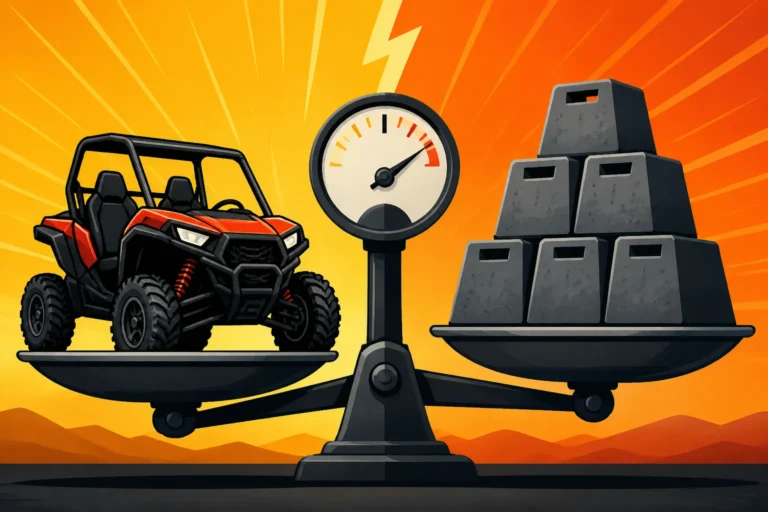
Missouri law makes a clear distinction between an "all-terrain vehicle" (ATV) and other off-road machines like utility vehicles (UTVs) or recreational off-highway vehicles (ROVs), which are commonly known as side-by-sides. An ATV, as defined by the state, is generally a motorized vehicle manufactured for off-highway use, weighing under 1,500 pounds dry weight, 50 inches wide or less, and designed to travel on three or more low-pressure tires, with a seat designed to be straddled by the operator. That "straddle seat" and width limit are key.
Side-by-sides, by their very nature, usually exceed these ATV specifications. They typically feature bench or bucket seating, a steering wheel, and often exceed the 50-inch width and 1,500-pound dry weight limit. Because they don't fit the statutory definition of an ATV, the system for [Missouri's Three-Year ATV Decal] simply doesn't apply to them. This can be frustrating because it feels like you're left without a clear path, but it's important to know your machine isn't being overlooked; it's just in a different category with its own set of rules.
How Missouri Defines a Side-by-Side
So, if it's not an ATV, what is it? Missouri typically refers to side-by-sides as Utility Vehicles (UTVs) or Recreational Off-Highway Vehicles (ROVs). While the exact definition can vary slightly depending on the specific statute (for instance, one for agricultural use might differ from one for road use), generally, these are multi-purpose vehicles with four or more wheels, a steering wheel, non-straddle seating, and often capable of carrying passengers side-by-side.
These distinctions are critical because they dictate what paperwork you need, where you can ride, and what equipment is required. The key takeaway is that your side-by-side isn't going to get the same small decal that a quad does. Instead, your primary interaction with the state will be through titling, and any "registration" for road use will be handled at a local level through special permits. This is a common point of confusion for new owners, who might spend hours searching for "side-by-side registration Missouri" only to find dead ends because it simply doesn't exist in the same way.
The Reality of "Titling" Your Side-by-Side in Missouri
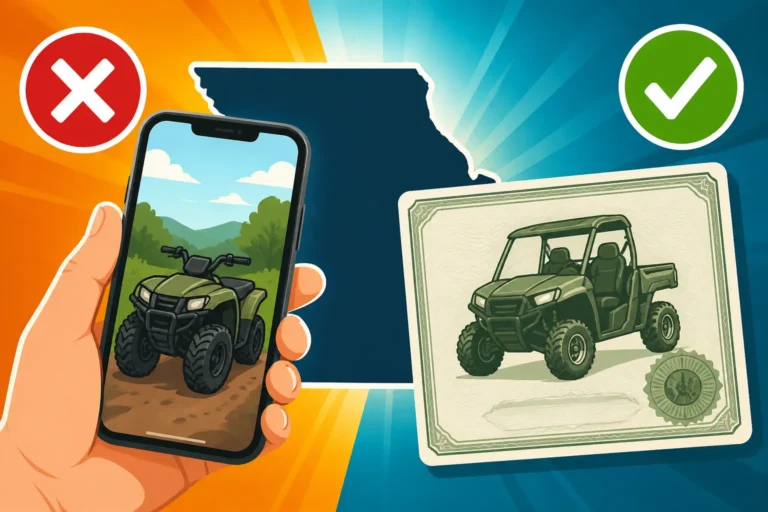
While side-by-sides don't get the same registration decal as ATVs, they absolutely do require a title in Missouri. This is a fundamental piece of ownership documentation, proving who legally owns the vehicle. Without it, buying, selling, or even proving you didn't just "find" your machine can become a major headache.
Why Titling is Still Mandatory
Just like a car or a boat, a side-by-side is a valuable asset, and the state uses titles to track ownership and ensure proper sales tax is collected. The title establishes a legal chain of custody, protecting both buyers and sellers from fraud and proving that the machine isn't stolen. When you purchase a new side-by-side from a dealer, they will provide you with a Manufacturer's Statement of Origin (MSO) or Manufacturer's Certificate of Origin (MCO). You'll use this document, along with a bill of sale, to apply for your title at a Missouri Department of Revenue license office.
For a used side-by-side purchased privately, the previous owner must sign over their existing Missouri title to you. This is a crucial step that many buyers unfortunately overlook, sometimes accepting just a bill of sale. Without a properly signed-over title, you won't be able to get a new title in your name, which means you can't legally prove ownership. Make sure you understand [Missouri ATV Title Paperwork] to ensure you have all the necessary documents. If you're using a template for a bill of sale, a service like LawDepot can provide state-specific forms to ensure you cover all the bases, which is especially important for private sales.
The Titling Process for Your Side-by-Side
The process for titling a side-by-side is very similar to titling an ATV or even a car in Missouri. You'll need to visit a local Missouri Department of Revenue license office. Here’s what you generally need to bring:
- Manufacturer's Statement of Origin (MSO) or previous title: This is the core ownership document.
- Bill of Sale: Even if it’s a private sale, a detailed bill of sale is vital. Make sure it includes the purchase price, VIN, and names/signatures of both buyer and seller. If you're a private seller, you can find reliable bill of sale templates through services like LawDepot to protect yourself.
- Proof of Identification: A valid driver's license or state ID.
- Proof of Insurance: While not always required at the time of titling for off-road use only, if you ever plan to use your side-by-side on any public roads (even under a special permit), you'll need proof of financial responsibility.
- Payment for Fees: This includes the title fee, sales tax, and any processing fees. Remember, sales tax is calculated based on the purchase price of the machine, and Missouri's sales tax often includes both state and local rates, determined by where you live.
It's highly advisable to complete this process within 30 days of purchase to avoid potential late penalties, similar to the rules for [Missouri's Thirty-Day Titling Deadline] that apply to ATVs. The title establishes your legal right to the machine, and without it, you're essentially riding or storing an untitled asset.
Navigating Road Use for Side-by-Sides: Permits and Ordinances
This is where the distinction between ATVs and side-by-sides in Missouri becomes most apparent and, frankly, most complex. Unlike ATVs, which are generally prohibited on public roads with very limited exceptions, side-by-sides have specific pathways that can allow for limited road use, but it's rarely a straightforward "drive anywhere" situation.
The Missouri 3-Mile Rule and Special Permits
Missouri law provides a specific avenue for side-by-sides (classified as ROVs for this purpose) to operate on certain public roads. This is often referred to as [Missouri's 3-Mile Rule for Side-by-Sides]. This rule allows an ROV to be operated on state roads within three miles of the operator's residence for the purpose of accessing services, and for a few other specific exceptions like agricultural use or crossing highways.
However, this isn't a blanket permission. To use the 3-mile rule, your side-by-side must meet certain equipment requirements, including headlamps, tail lamps, a horn, a rearview mirror, seat belts (if equipped by the manufacturer), and a safety flag extending at least seven feet above the ground. Operators must also possess a valid driver's license. Furthermore, individual cities and counties have the authority to issue special permits that allow side-by-sides on their roads, often extending beyond the 3-mile radius or allowing operation for purposes other than those specified in the state law. These permits are crucial for legal road use in many areas.
Local City and County Ordinances
Many Missouri communities have recognized the popularity of side-by-sides and have enacted their own ordinances to allow their operation on local streets. These ordinances are not universal, and what's legal in one town might be strictly prohibited just a few miles down the road. It's a patchwork system, to say the least, and it requires diligence from the owner.
For example, a city might issue a special permit that allows you to drive your side-by-side on streets with a speed limit of 45 mph or less, often requiring proof of insurance, a valid driver's license, and specific safety equipment like turn signals or a roll bar. These permits usually come with a fee and need to be renewed periodically. [Missouri Cities That Allow UTVs on Streets] will have their own specific application processes, fees, and rules. Before you even think about taking your side-by-side onto a public road in a particular town or county, you must check with that local jurisdiction's city hall or sheriff's department. Don't rely on what a friend said or what you saw someone else doing; always get the official word.
Where You Can Ride Your Side-by-Side Legally in Missouri
Even without a statewide "registration" decal, there are plenty of places to enjoy your side-by-side in Missouri. Most side-by-side owners spend the vast majority of their time off public roads, exploring trails and private lands.
Missouri State Parks and National Forests
Missouri boasts several fantastic public riding areas where side-by-sides are welcome, often with specific width restrictions. Places like St. Joe State Park in Park Hills and Finger Lakes State Park near Columbia offer extensive trail systems that cater to a variety of off-road vehicles. These parks usually require a daily or annual ORV permit, which is separate from any state titling or local road permit. It’s essential to check the specific rules for each park, as they often have different permit requirements, hours of operation, and even safety flag mandates. For instance, St. Joe State Park is famous for its sand flats, while Finger Lakes, being a reclaimed strip mine, offers a different kind of challenge.
The Mark Twain National Forest also offers designated riding areas, such as the Chadwick Motorcycle and ATV Use Area and Sutton Bluff. Again, these areas require a permit, often purchased through the Forest Service or local vendors. Pay close attention to width restrictions in these areas; some forest trails might be narrower than what larger side-by-sides can comfortably navigate. Always check for trail closures, especially after heavy rains, and ensure your machine has a U.S. Forest Service-approved spark arrester. You can find more general information about [Where to Ride an ATV in Missouri], which also applies to side-by-sides.
Private Land and Designated Riding Parks
Many side-by-side owners primarily ride on private land, whether their own property, a friend's farm, or at commercial off-road parks. Riding on private land generally requires explicit permission from the landowner. It's always a good idea to have this permission in writing, especially if you're frequently using someone else's property, which a simple form from a service like LawDepot can help create. This helps protect both you and the landowner.
Commercial off-road parks are another excellent option. These are privately owned and operated facilities that often offer varied terrain, amenities like camping, and sometimes even competitive events. They typically charge a day-use fee and have their own specific rules regarding safety equipment, age limits, and vehicle types. These parks often provide a safe, controlled environment to ride without worrying about navigating complex state or local road laws.
| Feature | Missouri ATVs (All-Terrain Vehicles) | Missouri Side-by-Sides (ROVs/UTVs) |
|---|---|---|
| State Title | Yes, Mandatory | Yes, Mandatory |
| State Decal/Reg | Yes, 3-year decal from DOR | No, no state registration decal for off-road use |
| Road Use | Generally prohibited on public roads (limited exceptions) | Restricted, often requires local permit or 3-mile rule compliance |
| Driver's License | Not required for off-road operation | Required for road use (even under 3-mile rule/local permit) |
| Passengers | Generally no passengers (some two-seat ATVs allow) | Designed for multiple passengers, seat belt rules apply for road use |
| Width | Typically 50 inches or less | Often exceeds 50 inches |
| Seating | Straddle seat | Bench or bucket seats with steering wheel |
| Permits for Parks | Yes, ORV permits required at state parks/forests | Yes, ORV permits required at state parks/forests |
Important Documents and Best Practices for Side-by-Side Owners
Even without a state registration decal, proper documentation and adherence to best practices are crucial for every side-by-side owner in Missouri. This isn't just about legality; it's about protecting your investment, ensuring your safety, and making sure your adventures are as smooth as possible.
Keeping Your Title and Bill of Sale Safe
Your Missouri title is the definitive proof of ownership for your side-by-side. Treat it like gold. Keep it in a secure location at home, not on the machine itself. If you ever lose it, you'll need to apply for a duplicate title, which involves fees and paperwork. When you sell your side-by-side, a properly completed title transfer is essential. The bill of sale also serves as a critical record of the transaction, especially for establishing the purchase price for sales tax purposes and for detailing the condition of the machine at the time of sale. For private sales, make sure your bill of sale is comprehensive; if you're ever unsure about what to include, a template from a reputable source like LawDepot can be invaluable.
Always keep copies of your essential documents (title, bill of sale, any local road permits, insurance cards) in a waterproof bag on your side-by-side, or at least a digital copy accessible on your phone. This way, if you’re stopped or need to prove ownership or permission, you have the necessary information readily available. Remember, the peace of mind that comes with knowing your paperwork is in order is priceless.
Understanding Insurance and Liability
While Missouri doesn't require liability insurance for off-road-only side-by-sides, it is a highly recommended best practice. Accidents happen, and if you're involved in one, especially on private property or if you cause damage to someone else's property, having insurance can save you from significant financial hardship. Many homeowners' policies might offer some limited coverage for recreational vehicles, but a dedicated off-road vehicle policy often provides more comprehensive protection for damage to your machine, liability, and medical payments.
Furthermore, if you ever obtain a special permit to operate your side-by-side on public roads, that permit will require proof of insurance. Without it, you cannot legally operate on those roads. Always check your policy details to understand what's covered, where, and under what circumstances. This is another area where knowing the specific rules of local jurisdictions is vital.
General Safety and Maintenance
Beyond paperwork, responsible side-by-side ownership means prioritizing safety and regular maintenance. Always wear appropriate safety gear, including helmets, eye protection, and sturdy footwear. Understand your machine's capabilities and limitations, and never ride beyond your skill level. Follow all posted rules and regulations at public riding areas and on private property.
Regular maintenance is also key to a long and trouble-free ownership experience. This includes routine oil changes, checking tire pressure, inspecting brakes, and ensuring all lights and safety features are in working order. A well-maintained machine is a safer machine. By combining proper documentation, insurance, and good riding habits, you'll be able to enjoy your side-by-side for years to come across the beautiful terrain of Missouri.
Disclaimer
This article is for general informational purposes only and does not constitute professional advice. Laws, prices and regulations vary by location and change over time. Consult a qualified professional for guidance on your specific situation.