Missouri DWI Rules for ATV Riders
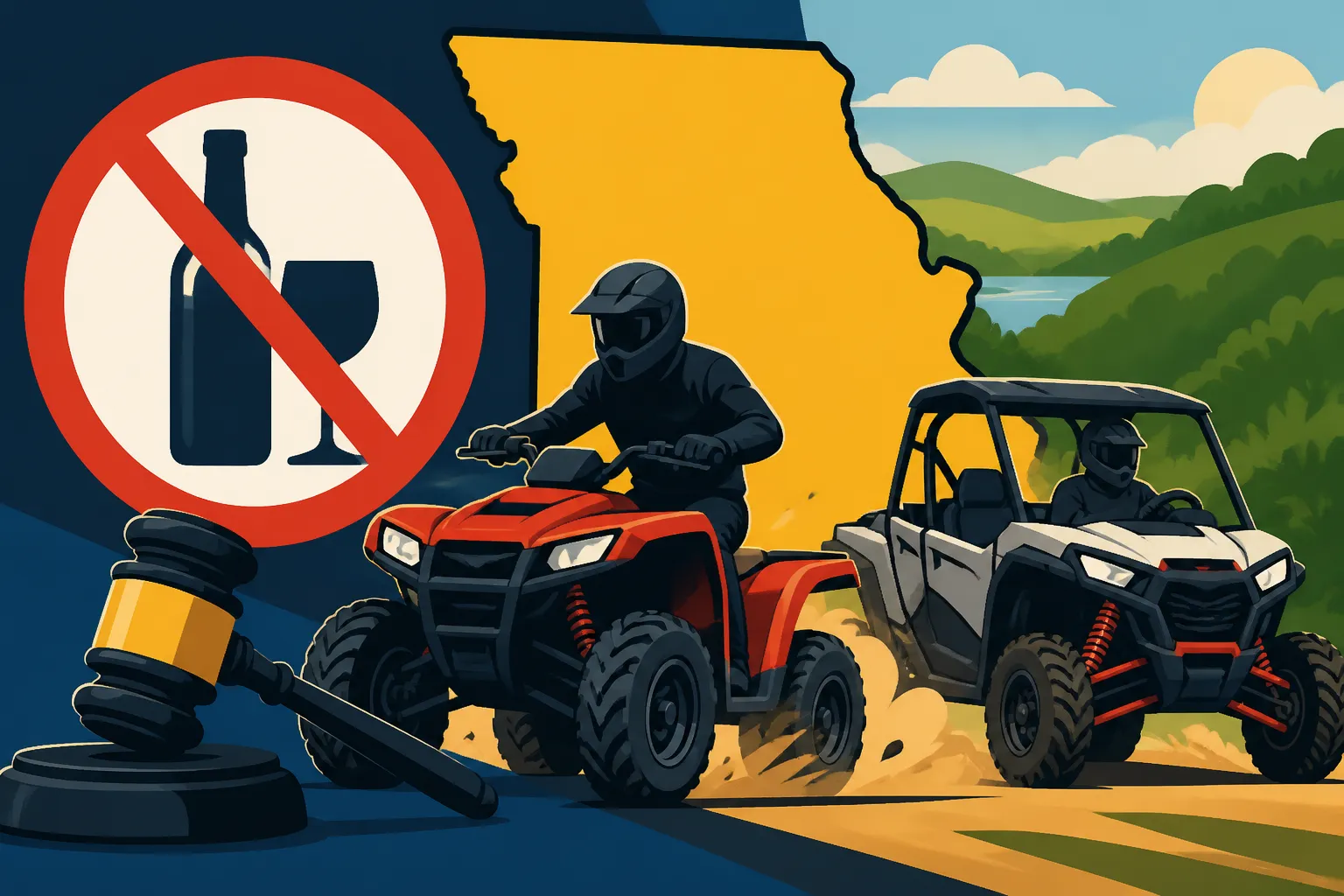
It’s a common misconception, one that I hear far too often around the campfire or at the staging area, that the rules about driving under the influence somehow don't apply when you're on an ATV or a UTV. People often think that because they're not on a public highway in a traditional car, the law looks away. This couldn't be further from the truth, and misunderstanding it can lead to some truly heartbreaking and financially devastating consequences. This guide is here to cut through the confusion and explain exactly how Missouri's DWI laws apply to ATV and UTV riders, helping you stay safe, legal, and out of trouble.
Understanding Missouri's DWI Laws Beyond the Pavement
When we think of a DWI (Driving While Intoxicated), most of us picture someone pulled over in a car on a highway. It’s easy to assume that because an ATV isn't a "car" and often isn't on a "highway," the rules don't apply. But Missouri's laws are much broader than that, designed to keep everyone safe, no matter what kind of vehicle they're operating or where they're operating it. The intent is to prevent impaired individuals from being in control of powerful machines, which is a sensible goal when you consider the inherent risks of off-road riding even when completely sober.
Where Missouri's DWI Laws Apply to ATVs
The critical thing to understand is that Missouri's DWI laws don't just apply to paved roads or state highways. They extend to a surprisingly wide range of environments where ATVs and UTVs are commonly ridden. This includes:
- Public Lands: This is a big one. Think about places like St. Joe State Park, Finger Lakes State Park, Chadwick Motorcycle and ATV Use Area, or even designated trails within the Mark Twain National Forest. If you're riding in any of these incredible public recreation areas, whether on a marked trail, a gravel access road, or even just in the staging lot, Missouri's DWI laws are fully in effect. A conservation agent or park ranger has the authority to enforce these laws just like a county sheriff or state trooper.
- County and Gravel Roads: Many parts of rural Missouri allow ATVs or UTVs on county roads, often with specific restrictions or local permits. Even if you have the proper permit to ride your side-by-side down a gravel road to get to a friend's house or a fishing spot, the DWI laws absolutely apply. In fact, because you're sharing the road with other vehicles, enforcement can be even more stringent. You might even face additional charges if you're riding without the proper permit, compounding the legal issues. [Can You Drive a UTV on a Missouri Road?] delves into these nuances.
- Private Property with Public Access: This can be a tricky area. If you're riding on private land, but that land is accessible to the public—like a private riding park that charges admission, or even a large farm during a public event—you could still be subject to DWI laws. The key is "public access." If the general public can come and go, even by paying a fee, law enforcement may have jurisdiction.
- Crossing a Highway: While you might not be riding on a highway, many trails or private roads require you to cross a state or federal route. Even during that brief crossing, you are operating your machine on a public roadway, and DWI laws are active. [Missouri Rules for Crossing a Highway] outlines safe and legal ways to do this, but they all assume sobriety.
It's not about the type of surface or the speed limit; it's about operating a motorized vehicle while impaired.
What "Operating" an ATV Means Under the Law
"Operating" a vehicle doesn't always mean you're actively driving down a trail at full speed. In Missouri, the definition can be quite broad. You could be considered "operating" an ATV or UTV if:
- You're in the driver's seat with the engine running: Even if you're just sitting there, parked, listening to music, if the keys are in the ignition and the engine is on, you could be deemed to be in control of the machine.
- You're attempting to start the vehicle: If you're fumbling with the keys, trying to get the machine going, even if it hasn't moved yet, that could be enough for an officer to initiate a DWI investigation.
- You're steering or controlling the vehicle, even if it's being pushed or towed: While less common for ATVs, if you're in active control of the machine's directionality, even if someone else is pulling it, you might be seen as operating it.
The law is less concerned with how far you've gone and more concerned with your ability to control the machine safely. An officer observing impaired behavior, even in a stationary vehicle, can be the start of a very serious problem.
How Alcohol and Drugs Impair ATV Operation
Riding an ATV or UTV requires quick reflexes, good judgment, and keen awareness of your surroundings. The terrain can change in an instant – a hidden root, a sudden drop-off, a slick patch of mud. Alcohol and drugs severely compromise all of these critical abilities.
- Impaired Judgment: Even a small amount of alcohol can make you overestimate your riding skills and underestimate risks. You might decide to tackle a challenging obstacle you'd normally avoid, leading to a dangerous rollover.
- Reduced Coordination and Reflexes: Operating an ATV involves a lot of balance, steering, and throttle control. Alcohol slows down your reaction time, making it harder to respond to unexpected obstacles or correct a slide.
- Blurred Vision and Depth Perception: Trails aren't always well-lit, and uneven terrain requires precise depth perception. Alcohol distorts vision, making it difficult to gauge distances or spot hazards.
- Increased Risk-Taking: This is where many accidents happen. Impaired riders are more likely to ignore safety gear, speed excessively, or ride in unsafe areas, putting themselves and others at risk. The folks at SuperATV design incredible parts to make our machines more capable, but no aftermarket upgrade can compensate for impaired judgment.
It's not just illegal; it's incredibly dangerous. An impaired rider is a hazard to themselves, their passengers, and anyone else on the trails. [Missouri Passenger Rules on an ATV] are strict even when sober, but exponentially more risky with alcohol in the mix.
The Penalties of an ATV DWI in Missouri
Many riders mistakenly believe that an ATV DWI is a minor infraction, perhaps just a slap on the wrist. This couldn't be further from the truth. In Missouri, a DWI on an ATV or UTV carries the same serious consequences as a DWI in a car. This means hefty fines, potential jail time, the loss of your driver's license (yes, even for an ATV DWI), and a host of other long-term problems. The justice system doesn't differentiate between the type of vehicle when it comes to impaired operation; the danger is the same.
First Offense Consequences: A Glimpse
Even a first-time DWI for operating an ATV or UTV while intoxicated in Missouri is a serious matter, typically classified as a Class B misdemeanor. It's not just a ticket; it's a criminal charge that will stay on your record.
- Jail Time: While it might be suspended for a first offense, you could face up to six months in county jail. Don't think for a second that judges don't send people to jail for ATV DWIs, especially if there was an accident or a child involved.
- Fines: Expect significant fines, often up to $500, plus court costs and other surcharges. These can quickly add up to well over a thousand dollars before you even factor in legal fees.
- License Suspension/Revocation: This is often the biggest shock for people. A conviction for an ATV DWI can absolutely lead to the suspension or revocation of your automobile driver's license. Missouri uses a point system, and a DWI racks up serious points, leading to a suspension or even a full revocation of your privilege to drive any vehicle. This means no driving your car to work, no driving your truck to the trailhead.
- Mandatory Education: You'll likely be required to complete a Substance Abuse Traffic Offender Program (SATOP) at your own expense.
- Increased Insurance Rates: Once you have a DWI on your record, your auto insurance premiums will skyrocket. It marks you as a high-risk driver, and those higher rates can follow you for years, easily costing thousands more over time.
- Criminal Record: This is a permanent mark. It can impact job applications, housing, and even your ability to travel internationally.
Repeat Offenses and Escalating Penalties
Missouri takes repeat DWI offenses very seriously, and the penalties escalate sharply. What might be a misdemeanor for a first offense quickly becomes a felony for subsequent convictions.
- Second Offense: This typically becomes a Class A misdemeanor, with potential jail time of up to one year and fines up to $1,000. Your driver's license suspension will be longer, often for several years, and you might be required to install an Ignition Interlock Device (IID) in your car, which you'll pay for.
- Third or Subsequent Offenses: These are generally felony charges, with prison sentences ranging from two to ten years (or more, depending on the number of prior convictions), and fines reaching into the thousands. Your driver's license could be permanently revoked, and the societal and personal consequences become even more severe.
It's a progression that no one wants to experience. Each conviction makes the next one exponentially worse, not just legally but personally.
Collateral Damage: Licenses, Insurance, and Your Future
Beyond the immediate legal penalties, an ATV DWI conviction can have far-reaching "collateral damage" that impacts many aspects of your life.
- Professional Impact: Certain professions require a clean driving record or prohibit felony convictions. A DWI could jeopardize your current job or future career opportunities, especially if you drive for work or hold a commercial driver's license (CDL).
- Financial Strain: The combination of fines, court costs, attorney fees, increased insurance premiums, ignition interlock device costs, and lost wages from potential jail time can easily lead to tens of thousands of dollars in expenses. It's a financial burden that can set you back for years.
- Personal Reputation: A DWI carries a significant social stigma. It can strain relationships with family and friends and damage your standing in the community.
- Travel Restrictions: Some countries deny entry to individuals with DWI convictions on their record, even for recreational travel.
The ripple effect of an ATV DWI extends far beyond the moment you're pulled over. It's a mistake that can haunt you for a long time. The fees and fines for illegal road use, for example, are bad enough on their own [Missouri Fines for Illegal ATV Road Use], but add a DWI to that, and you're in a whole different league of trouble.
Here's a quick look at how the penalties can stack up for different DWI offenses in Missouri (remember, these are general guidelines and can vary based on specific circumstances, county, and judge):
| Offense Level | Classification | Jail Time (Max) | Fines (Max) | Driver's License Impact | Other Common Requirements |
|---|---|---|---|---|---|
| First Offense | Class B Misdemeanor | 6 months | $500 | 30-day suspension, then 60-day restricted | SATOP, MADD Victim Impact Panel, increased insurance |
| Second Offense | Class A Misdemeanor | 1 year | $1,000 | 1-year revocation | SATOP, IID, MADD VIP, potential probation, increased insurance |
| Third Offense | Class E Felony | 4 years | $10,000 | 10-year revocation | SATOP, IID, MADD VIP, probation, substance abuse treatment |
| Fourth Offense | Class D Felony | 7 years | $10,000 | 10-year revocation | SATOP, IID, MADD VIP, probation, substance abuse treatment |
| Fifth+ Offense | Class C Felony | Life | $10,000 | Permanent revocation | SATOP, IID, MADD VIP, probation, substance abuse treatment |
Preventative Measures and Safe Riding Practices
No one sets out for a day of riding intending to get a DWI. Often, it's a lapse in judgment, a miscalculation, or simply not understanding the gravity of the law. However, avoiding an ATV DWI is completely within your control. It boils down to making smart choices before you even start your machine and understanding the responsibility that comes with operating an off-road vehicle. Responsible riding is not just about avoiding tickets; it's about enjoying the outdoors safely and respectfully.
Designating a Sober Rider or Driver
This is perhaps the simplest and most effective strategy: if you plan on consuming alcohol or using any impairing substance, ensure someone else who is completely sober is responsible for operating the ATV or UTV.
- For your ATV/UTV: If you're out with friends or family, decide ahead of time who will be the designated sober operator. This person is responsible for all machine operation, loading, unloading, and driving to and from the riding area. Just like you'd choose a designated driver for a car, do the same for your off-road adventures.
- For your tow vehicle: If you're trailering your machine, the person driving the truck or SUV that's pulling the trailer must be absolutely sober. Getting a DWI in your tow vehicle not only has all the consequences we've discussed but also leaves your ATV stranded.
- Plan for the "After-Party": Many folks enjoy a few beverages after a day of riding. This is fine, but make sure the machines are properly stored, parked, and secured for the night before anyone starts drinking. Do not get back on a machine, even just to move it a few feet, once you've started consuming alcohol.
It's all about planning. If the plan involves adult beverages, the plan must also include a designated sober operator for all motorized vehicles, including your ATVs and UTVs.
Planning Ahead: Transporting Your Machine
Another key preventative measure is to plan for the safe transport of your ATV or UTV. This means considering how your machine gets to and from the riding spot without you needing to operate it after consuming alcohol.
- Dedicated Driver: As mentioned, if you're going to drink, someone else must drive your tow vehicle. This means having a sober friend or family member, or using a ride-sharing service if you're not planning to stay overnight.
- Overnight Stays: Many popular riding areas offer camping. If you're going to camp, set up your camp, secure your machines, and then enjoy your evening responsibly. Do not attempt to move your ATV or UTV after drinking, even within the campground. Most campgrounds, especially state parks like St. Joe, enforce strict rules, and a ranger can absolutely issue a DWI in a camping loop.
- Professional Transport: For longer trips or if you truly can't arrange a sober driver, consider professional transport services for your machines. While more costly, it’s certainly less expensive and less stressful than a DWI conviction.
It all boils down to making sure your machine is either being operated by a sober person or safely stored away before you touch any intoxicating substances. Even a company like SuperATV with their fantastic gear can't save you from a DWI if you're not planning your logistics responsibly.
Knowing Your Limits and the Law
Beyond the practical steps, a huge part of prevention is simply knowing yourself, understanding your tolerance, and respecting the law.
- Zero Tolerance for Impairment: Even if you're below the legal blood alcohol content (BAC) limit, if an officer observes signs of impairment that affect your ability to safely operate the ATV, you can still be charged with a DWI. The BAC limit is merely one piece of evidence; visible impairment is often enough.
- Educate Yourself: Take the time to understand Missouri's specific ATV and UTV laws. This includes not just DWI, but also age restrictions, helmet requirements [Missouri Helmet Law for Riders Under 18], and any specific rules for the public lands you plan to visit. Ignorance of the law is never an excuse.
- Set Clear Boundaries: Before heading out, decide on your personal limits for alcohol consumption (if any) and stick to them. It’s easy to get caught up in the fun and lose track, but the consequences are too high.
- Don't Mix: Mixing alcohol with prescription medications, over-the-counter drugs, or illicit substances can have unpredictable and severely impairing effects, even if you feel fine. This greatly increases your risk of a DWI and a serious accident.
Responsible ATV and UTV riding is a privilege, and it comes with the responsibility of ensuring your safety and the safety of others. Planning ahead, designating sober operators, and understanding the law are your best defenses against the life-altering consequences of a DWI.
Special Considerations for UTVs and Road Use in Missouri
UTVs, or side-by-sides, often blur the lines between off-road recreation and utility vehicles. With some localities allowing them on certain roads under specific permits, it can create a false sense of security regarding DWI laws. It's crucial to remember that venturing onto public roads, even with a permit, increases the scrutiny from law enforcement, and the DWI rules apply with full force, often with added layers of complexity.
The "Street Legal" Myth and DWI Enforcement
There's a prevailing "street legal" myth that often surrounds UTVs, especially when they're outfitted with turn signals, horns, and other road-ready accessories from brands like SuperATV. While many UTVs can be made to comply with certain requirements for limited road use in specific Missouri counties or municipalities, they are never exempt from DWI laws.
- Local Ordinances are Specific: Missouri does allow cities and counties to create ordinances for UTV road use, but these are highly localized and come with strict conditions. They often include requirements for driver's licenses [Missouri Driver's License Rules for ROVs], insurance, safety flags, and specific hours of operation. Just because your UTV has lights doesn't mean it's a car under the law, and it certainly doesn't mean you can drink and drive it. [Are ATVs Street Legal in Missouri?] helps dispel some of this confusion.
- Increased Visibility: When you're on a public road, even a gravel county road, you are far more visible to law enforcement than you might be deep on a secluded trail. This means a higher likelihood of being observed, pulled over, and subjected to a DWI investigation if you show any signs of impairment.
- Perception of Normalcy: People might feel more "normal" operating a UTV on a road, leading them to believe that the drinking rules are the same as for a car. This is a dangerous trap. While the DWI penalties are the same, the act of driving an open-cab, often less stable UTV after drinking can be even more hazardous than driving a car.
Always assume that if you're operating a UTV on any public thoroughfare, even a seldom-used one, you are under the watchful eye of the law and DWI rules are in full effect.
Permitted Road Use and Increased Scrutiny
For those UTV owners who obtain the necessary special permits to operate on county or city roads, it's vital to understand that this privilege comes with heightened responsibility and, often, increased scrutiny.
- Permit as a Target: Having a special road use permit means you've intentionally put your UTV into a public traffic environment. Law enforcement officers are aware of these permits and will be watching for compliance with all conditions, including sobriety. They know that permitted road use can sometimes lead to impaired driving if riders are not careful.
- "Reasonable Suspicion": An officer only needs "reasonable suspicion" to pull you over. This could be anything from erratic driving, a missing safety flag, expired permit tags, or even just the time of day and location if there's a known issue with impaired driving in that area. Once stopped, if they observe signs of intoxication, a DWI investigation will begin.
- Compliance with All Rules: When operating on permitted roads, you're not just subject to DWI laws; you must also comply with all other traffic laws, such as stop signs, speed limits, and yielding right-of-way. Failure to adhere to these rules, especially when combined with impairment, will quickly lead to a DWI charge. You may also need to be aware of [Missouri Driver's License Rules for ROVs] as part of your road permit.
The freedom to use your UTV on certain roads is a great convenience, but it should never be misinterpreted as an opportunity to relax your commitment to sobriety. It's quite the opposite: it's a reason to be even more diligent.
Passenger Rules and DWI Implications
UTVs are often designed for multiple passengers, making them popular for group outings. However, the presence of passengers, particularly minors, can significantly complicate a DWI charge.
- Endangering the Welfare of a Child: If a minor is in your UTV while you're operating it under the influence, you could face additional, extremely serious charges, such as endangering the welfare of a child. This is a felony offense with severe penalties, independent of the DWI charge itself. Missouri takes child safety incredibly seriously.
- Enhanced Penalties: Even with adult passengers, if an accident occurs due to your impaired driving, the legal ramifications will be much more severe. You could face charges of assault, even vehicular assault, which carry heavy prison sentences and fines.
- Passenger Responsibility: While the operator bears the primary legal responsibility, passengers also have a role to play. If you're a passenger and you know your driver is impaired, you have a responsibility to not get in the vehicle. Encouraging impaired driving, or even just enabling it, can have moral and sometimes legal consequences.
Using an ATV or UTV responsibly means ensuring the safety of everyone on board. Adding alcohol or drugs to the mix fundamentally undermines that safety, especially when others, particularly children, are relying on your judgment.
Disclaimer
This article is for general informational purposes only and does not constitute professional advice. Laws, prices and regulations vary by location and change over time. Consult a qualified professional for guidance on your specific situation.