Missouri Rules for Riding With a Dog
So, you love hitting the trails or cruising the backroads on your ATV or UTV, and you probably love your dog just as much. It's only natural to want your furry best friend to join in on the adventure. But bringing your canine companion along for the ride in Missouri isn't as simple as just letting them hop in the passenger seat or ride shotgun. There are important rules, safety considerations, and common courtesies to understand, especially when you venture off private property. This guide is all about helping you figure out how to safely and legally include your dog in your next Missouri off-road or road-legal journey.
Why Bringing Your Dog on a Ride Isn't as Simple as You'd Think
We all picture those perfect moments: your dog's ears flapping in the breeze, tongue lolling out, looking like the happiest co-pilot ever. The reality, however, can be a lot more complicated, and sometimes, even dangerous if you're not prepared. Many riders assume that if their machine is street legal or they're on private land, their dog can just come along for the ride without much thought. But the truth is, the dynamic environment of an ATV or UTV, combined with varying rules across different types of land, means you need a solid plan.
Think about it: the jostling of the terrain, the loud engine noise, the dust and debris, the potential for sudden stops or turns – these are all things that can quickly turn a fun outing into a stressful or even hazardous situation for your pet. Plus, what's perfectly fine on your own back forty might get you a hefty fine in a state park or even a warning from a sheriff on a county road. It's frustrating to think you're doing something harmless only to run afoul of an obscure regulation. We're going to dive into the specifics, so you can avoid those headaches and keep your dog safe and happy.
Riding with Your Canine Companion on Private Land
When you're riding on your own private property, or land where you have explicit permission from the landowner, the rules regarding your dog are generally the most flexible. This is where you have the most freedom to decide what works best for you and your pet. However, "flexible" doesn't mean "no rules" – it means your rules, which should always prioritize safety and responsible pet ownership.
Prioritizing Canine Safety on Your Property
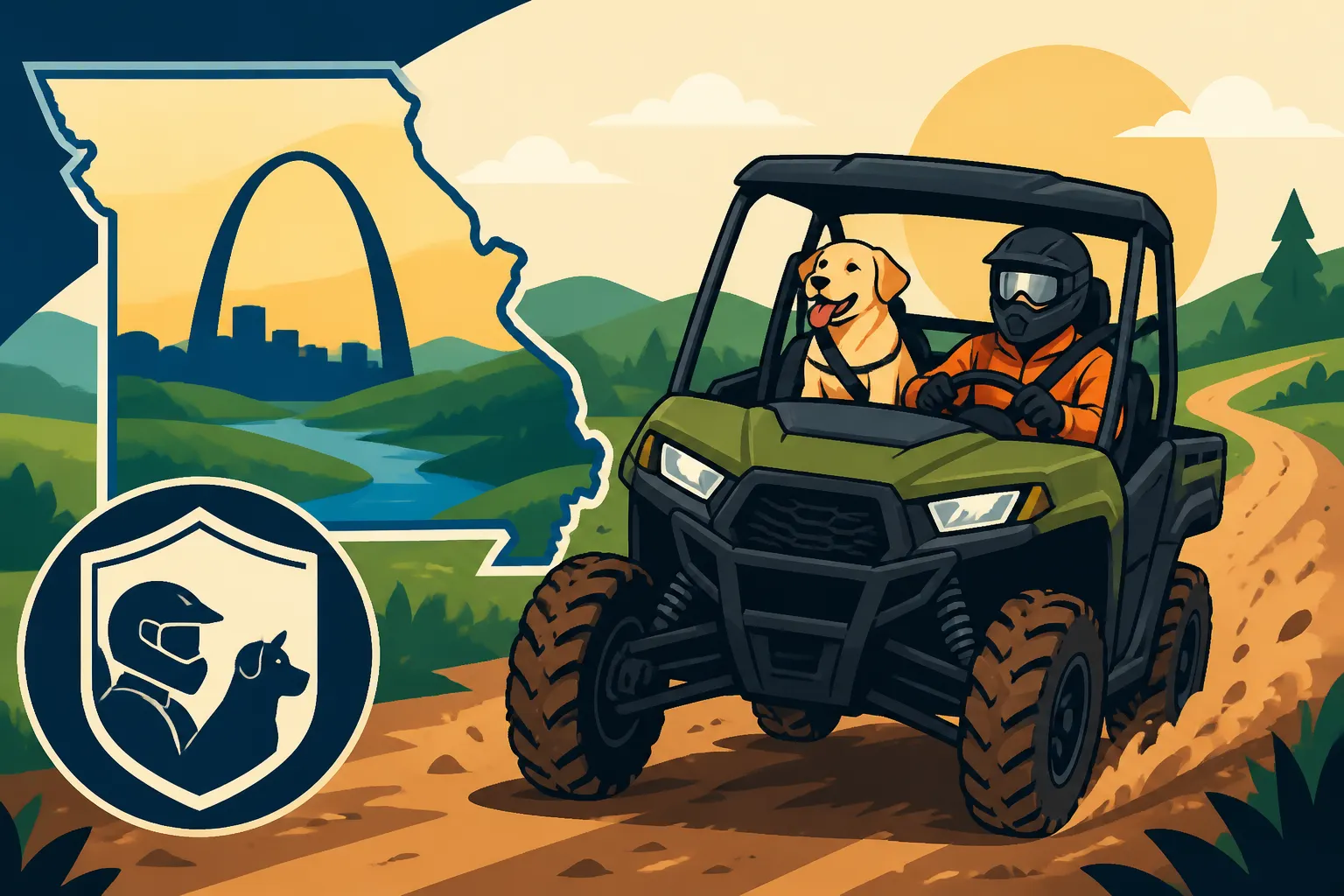
Even on private land, the inherent risks of ATV and UTV riding apply to your dog. They can easily fall off, get tangled in moving parts, or be injured by debris kicked up by tires. This isn't just about avoiding a legal issue; it's about protecting your companion. For smaller dogs, a secured pet carrier or crate within a UTV bed or strapped to an ATV rack is often the safest bet. You might use cargo solutions from companies like SuperATV to secure these carriers, ensuring they won't shift or tumble during a bumpy ride. For larger dogs, a harness designed for vehicle safety, tethered to a secure point in a UTV, can prevent them from jumping out or being thrown if you hit a bump. Never let your dog ride unrestrained in the back of an open UTV bed, as tempting as it might be; one sudden turn or bump could send them flying.
Beyond physical restraints, consider the terrain and duration of the ride. Is it going to be excessively dusty? Your dog could benefit from protective eyewear, often called "doggles," to prevent eye irritation. Is it a hot day? Dogs can overheat quickly, especially when excited. Plan frequent stops for water, and maybe even a cooling vest if they're prone to heatstroke. Remember, their paws are also sensitive to hot surfaces, so if they're running alongside the machine, be mindful of asphalt or scorching gravel. It’s also wise to check for ticks, especially if you're riding through tall grass or wooded areas; Missouri is tick country!
Common Sense and Local Ordinances
While state laws might be less strict on private land, you still need to be aware of any local county or municipal ordinances that might apply, especially concerning noise or nuisance animals if your property is near neighbors. For instance, a dog constantly barking from your UTV while you're working in the field might annoy a nearby resident, even if you're on your own land. Similarly, if your dog is prone to chasing wildlife or livestock, keeping them leashed or contained, even on your property, is simply good practice.
Another crucial aspect of riding with your dog on private land is ensuring they have proper identification. A collar with an ID tag and an up-to-date microchip are non-negotiable. Should your dog somehow get separated from you—perhaps they got spooked by a loud backfire or found a fascinating scent—these measures significantly increase the chances of their safe return. It's always better to be over-prepared for the unexpected when you're out in the wilderness, even if it's your own backyard.
Navigating Public Lands and Trails with Your Dog
This is where things get a bit more complex, as different types of public land in Missouri have their own distinct rules regarding pets. You can't just assume that because a trail is open to ATVs or UTVs, it's automatically open to your dog in the same way. Ignoring these rules can lead to fines, getting ejected from the area, or even endanger your dog or other trail users. Always check the specific regulations for the area you plan to visit before you load up your machine and your furry friend. You might also want to read up on [Missouri ORV Permits Explained] for a general overview of park access.
Missouri State Parks and Conservation Areas
Missouri State Parks, including those with ORV trails like St. Joe State Park and Finger Lakes State Park, generally welcome dogs, but with strict leash laws. Your dog must be on a leash no longer than six feet at all times when outside your vehicle or campsite. This is primarily for the safety of your dog, other visitors, and local wildlife. Imagine your dog chasing a deer or startling a hiker – it's a recipe for trouble. Waste disposal is also strictly enforced: you are expected to clean up after your dog immediately and properly dispose of their waste. This isn't just polite; it prevents the spread of disease and protects the natural environment. While your ATV or UTV will have specific [Missouri State Park ORV Permit Prices], these don't cover any special allowances for your pet beyond the general park rules.
Conservation Areas in Missouri, managed by the Missouri Department of Conservation (MDC), often have similar leash and waste rules. However, some areas may have specific restrictions during certain times of the year, particularly during hunting seasons, to prevent disturbance to game or hunters. It's always best to check the MDC website for the specific area you intend to visit. They often have detailed maps and regulations posted online that can save you a lot of grief. Remember, the goal of these rules is to allow everyone to enjoy Missouri's natural beauty responsibly.
National Forests (Mark Twain National Forest)
The Mark Twain National Forest, which includes ORV riding areas like Chadwick Motorcycle and ATV Use Area and Sutton Bluff, also welcomes dogs, but again, with important caveats. Leash laws are generally in effect in developed recreation sites (like campgrounds and trailheads) and any other areas where specified. In more remote areas, responsible voice control might be permissible, but it's crucial that your dog is reliably obedient and stays close to you. If there's any doubt, a leash is always the safest choice. Just like in state parks, cleaning up after your dog is mandatory.
When riding in a National Forest, especially with a brand new side-by-side, consider that the noise and unfamiliar environment can be overwhelming for some dogs. Ensure your pet is comfortable with the machine's sounds and vibrations before embarking on a long ride. Accessories like robust storage solutions or dog crates that can be securely mounted to your UTV, perhaps from a reputable brand like SuperATV, can provide a safe and contained space for your dog during the journey, especially if they are smaller or prone to getting anxious. Being prepared helps everyone have a better experience. You can find more information on [What the Mark Twain Forest ATV Permit Covers] to understand the general riding rules for machines.
Taking Your Dog on a Street-Legal ATV or UTV
If you've gone through the process of making your ATV or UTV street-legal in Missouri, or if you're riding in a city or county that has special ordinances allowing UTVs on certain roads (like Lake Ozark's streets), bringing your dog along means adhering to general vehicle safety laws and pet restraint principles. While Missouri doesn't have a specific "dog in ATV" law, general driving rules about passenger safety and driver distraction certainly apply.
Vehicle Safety and Distraction Laws
The primary concern when operating any vehicle on a public road, including a street-legal ATV or UTV, is safety. An unrestrained dog, no matter how well-behaved, can become a significant distraction. They could jump into your lap, block your view, interfere with controls, or even try to exit the vehicle while it's in motion. These are not only dangerous situations but could also lead to a ticket for distracted driving or unsafe operation. Think about how a city or county permit allows you to [Ride Lake Ozark's Streets] – those same permits come with expectations of safe operation.
For this reason, most experts and animal safety advocates recommend that dogs be secured in a vehicle. For UTVs, this might mean a properly secured crate in the bed or backseat, or a crash-tested harness system that connects to a seatbelt anchor. Smaller dogs can often be safely contained in a booster seat or carrier that allows them to see out but keeps them from roaming freely. For ATVs, where space is limited, a securely mounted and ventilated carrier on a cargo rack is likely the only safe option for a small dog, but this decision must be carefully weighed against the machine's stability and your ability to control it. You might want to consider sturdy cargo boxes or racks, potentially from a brand like SuperATV, to ensure any carrier is firmly attached and won't shift during transit.
Understanding Local Ordinances and Permits
While some Missouri towns and counties have embraced UTVs on their roads, these ordinances often come with specific requirements beyond just a decal and a permit. They might specify speed limits, daylight-only operation, or require certain safety equipment like seatbelts and roll bars. While these typically apply to human occupants, the spirit of these laws extends to all passengers, including your dog. For instance, [How a City Ordinance Opens a Street to UTVs] might not mention dogs directly, but it certainly implies responsible vehicle operation.
If you're riding in a municipality that issues permits, such as [Harrisonville's Police Department Permit], it's worth checking if they have any specific guidelines regarding pets in vehicles, although this is rare. Generally, if your dog is safely secured, not interfering with your driving, and not causing a public nuisance (e.g., excessive barking at passersby), you're likely in the clear. However, always exercise good judgment and err on the side of caution. A well-behaved, secured dog is not only safer but also helps promote a positive image for ATV and UTV riders on public roads.
Essential Safety and Etiquette for Riding with Your Dog
Beyond the legalities, there are fundamental safety and etiquette practices that apply no matter where you ride your ATV or UTV with your dog in Missouri. These aren't just suggestions; they're critical for your dog's well-being, your peace of mind, and ensuring a positive experience for everyone else you might encounter.
Health and Comfort Considerations for Your Dog
Before you even think about hitting the trail, assess your dog's temperament and physical condition. Is your dog generally anxious, or easily spooked by loud noises? An ATV or UTV ride might be too stressful for them. Puppies and very old dogs might also struggle with the physical demands and vibrations of a ride. Always ensure your dog is up to date on their vaccinations and parasite prevention, especially if they'll be in wooded or grassy areas where ticks and other pests thrive.
Bring plenty of water and a portable bowl. Dehydration can be a serious issue, especially on warm days. Pack some favorite treats to reward good behavior and to keep them engaged during breaks. A small first-aid kit for your dog, including paw balm, bandages, antiseptic wipes, and any specific medications they might need, is also a smart addition to your gear. Maybe you've got a sturdy cargo box from a brand like SuperATV that's perfect for stashing all these essentials, keeping them dry and secure. Regularly check your dog for signs of distress, overheating, or injury during and after the ride.
Trail Etiquette and Encountering Others
When sharing trails or roads, remember that not everyone is a dog lover, and some people may even be afraid of dogs. Always maintain control of your dog, especially when approaching other riders, hikers, or equestrians. A polite "hello" and pulling over to let others pass, keeping your dog close, goes a long way. If your dog barks excessively, try to address it to avoid disturbing others.
Waste management is non-negotiable. Always carry waste bags and pack out everything your dog leaves behind. No one wants to step in dog waste on a beautiful trail. This simple act of responsibility reflects positively on all ATV and UTV riders. If you're going to be riding through streams or bodies of water, be mindful of any potential contaminants your dog might pick up or introduce. For instance, read up on [Missouri Rules for Riding a Creek Bed] to understand the environment you're entering. Being a responsible pet owner on the trail helps maintain access for everyone.
Here's a quick summary of dog rules by environment:
| Environment | Leash Requirement | Waste Disposal | Restraint in Vehicle | Other Considerations |
|---|---|---|---|---|
| Private Land | Owner's Discretion | Owner's Discretion (Common Sense) | Recommended | Local ordinances (noise), ID tags, dog temperament |
| State Parks | Yes (Max 6 ft) | Mandatory Cleanup & Proper Disposal | Recommended | Wildlife protection, other visitors, specific park rules |
| National Forests | Yes (Developed areas) | Mandatory Cleanup & Proper Disposal | Recommended | Voice control in remote areas (if reliable), wildlife |
| Public Roads (UTV/ATV) | Depends (walking) | Mandatory Cleanup & Proper Disposal | Mandatory (Safety) | Distracted driving laws, local vehicle ordinances, ID tags |
Ultimately, riding with your dog on an ATV or UTV in Missouri can be an incredibly rewarding experience, deepening the bond you share and creating fantastic memories. But it takes preparation, awareness, and a commitment to safety and responsibility. By understanding the rules, prioritizing your dog's well-being, and practicing good trail etiquette, you can ensure that every ride is a joyful adventure for both of you.
Disclaimer
This article is for general informational purposes only and does not constitute professional advice. Laws, prices and regulations vary by location and change over time. Consult a qualified professional for guidance on your specific situation.