Missouri Rules for a Machine Over 50 Inches
One of the most common head-scratchers for Missouri off-road enthusiasts revolves around machine size, especially when you've invested in a bigger, more capable vehicle. It's truly frustrating to navigate the patchwork of rules, only to find out your pride and joy might not fit the definition for certain trails or roads. This guide aims to clear up the confusion surrounding Missouri's regulations for ATVs and UTVs that are over the often-cited 50-inch width limit, helping you understand where you can legally and safely ride your larger machine.
Understanding Missouri's ATV Definition and the 50-Inch Rule
Missouri law defines an All-Terrain Vehicle (ATV) quite specifically, and its width is a significant factor. Many riders assume "ATV" covers any four-wheeled off-road vehicle, but the state makes a very clear distinction, and that distinction largely hinges on whether your machine is truly 50 inches wide or less.
What Missouri Considers an ATV
For the purposes of titling, registering, and decals, Missouri's Department of Revenue (DOR) considers an ATV to be a motorized vehicle that's designed for off-highway use, has a width of 50 inches or less, dry weight of 1,500 pounds or less, travels on three or more low-pressure tires, and has a seat designed to be straddled by the operator. It also must have handlebars for steering. If your machine meets all of these criteria, it's an ATV in the eyes of the state. This means if you have a quad that's exactly 50 inches wide or less, has a straddle seat, and handlebars, you'll be dealing with ATV-specific rules like needing a [Missouri's Three-Year ATV Decal] for riding on state lands where permitted.
This definition is crucial because it sets the stage for how your machine is treated under state law. If your vehicle doesn't fit this narrow description, then it falls into another category, and the rules change dramatically. Many riders, especially those new to the sport or moving from other states, often overlook the width and dry weight components, which can lead to unexpected challenges down the road. It's not just about how many wheels you have; it's truly about the dimensions and design.
When Your Machine Exceeds 50 Inches Wide
So, what happens if your machine is over 50 inches wide? For starters, it generally means it's not considered an ATV under Missouri state law. This is a common situation for many popular side-by-sides, larger quads, or custom builds. Once you cross that 50-inch threshold, even by an inch, your vehicle often gets reclassified into either a Utility Vehicle (UV) or a Recreational Off-Highway Vehicle (ROV). These categories have their own unique set of regulations for road use and even for some public trail systems.
The implications of exceeding 50 inches are significant. For example, while ATVs get a registration decal for legal riding in designated state areas, UVs and ROVs typically do not. This can be a source of confusion because many people buy a side-by-side expecting to register it like an ATV, only to find out the system doesn't apply to them. Many owners looking for performance upgrades from companies like SuperATV that might widen their machine's stance must consider these definitions. It's vital to know where your machine stands literally and figuratively, as this dictates your options for street legality and public land access.
Distinguishing Between Utility Vehicles (UVs) and Recreational Off-Highway Vehicles (ROVs)
Once your machine surpasses the 50-inch mark, Missouri law places it into one of two broader categories: Utility Vehicles (UVs) or Recreational Off-Highway Vehicles (ROVs). While often lumped together informally as "side-by-sides," the state does differentiate between them, particularly when it comes to potential road use.
Characteristics of Utility Vehicles (UVs)
A Utility Vehicle (UV) in Missouri is generally defined as a motorized vehicle that's 64 inches or less in width, has a dry weight of 2,000 pounds or less, travels on four or more low-pressure tires, and is designed for utility work rather than primarily for recreation. Think of a traditional "workhorse" side-by-side: typically has a cargo bed, can often tow, and might have a top speed that's not designed for high-speed thrills. The operator and passenger sit side-by-side, often with seatbelts, and it's steered with a steering wheel, not handlebars.
Many UVs are found on farms, construction sites, or in other commercial applications. While they often exceed the 50-inch ATV limit, their primary design intent is utility, which Missouri law recognizes. While they don't get a state registration decal like an ATV, certain local municipalities and counties may have ordinances allowing their limited use on public roads for specific purposes, often agricultural or maintenance-related. It's a common sight to see a farmer driving their UV from one field to another down a county road, but this isn't a free pass for recreational use.
Characteristics of Recreational Off-Highway Vehicles (ROVs)
Recreational Off-Highway Vehicles (ROVs) are the category where many modern, wider side-by-sides fall. These machines are designed primarily for recreational use, often feature more robust suspension, higher speeds, and are built for trail riding. In Missouri, an ROV is a motorized vehicle that is 64 inches or less in width, has a dry weight of 2,000 pounds or less, travels on four or more low-pressure tires, and is designed to carry one or more passengers side-by-side with a steering wheel and non-straddle seating. The key distinction from a UV often comes down to their design intent and features, with ROVs leaning heavily towards performance and recreation. You can read more about [What the Law Calls a Recreational Off-Highway Vehicle].
For a wider ROV, perhaps one that's been upgraded with a lift kit or broader stance components from a company like SuperATV, the conversation shifts entirely from ATV rules. Since they don't meet the ATV definition, they don't get an ATV decal. However, ROVs are the only off-road vehicles that Missouri has specifically carved out a path for limited road use under certain conditions. This includes the famous [Missouri's 3-Mile Rule for Side-by-Sides] and specific city or county ordinances. It's important to recognize that these rules are only for ROVs and do not apply to ATVs or UVs for recreational road access.
Why Missouri Splits ATVs, UTVs and ROVs
The reason Missouri makes these distinctions really comes down to safety, design, and intended use. ATVs, with their straddle seat and handlebars, require a different operating dynamic than a side-by-side with a steering wheel and seatbelts. The 50-inch width limit for ATVs, combined with the straddle seat, is indicative of a vehicle designed to lean into turns and operate with a higher degree of active rider input.
When you get to wider machines, like UVs and ROVs, the seating position, steering method, and often the stability characteristics change. These vehicles, particularly ROVs, start to resemble small cars in some aspects, which influences how lawmakers approach their interaction with public roads and existing trail infrastructure. You can learn more about these distinctions in [Why Missouri Splits ATVs, UTVs and ROVs]. The width limit is a simple, measurable benchmark that legislators use to categorize these diverse machines into regulatory buckets, even if it feels overly restrictive to owners of modern, wider quads.
Where Can You Ride a Machine Over 50 Inches in Missouri?
This is where the rubber meets the trail, or in many cases, doesn't. The 50-inch width limit, and subsequent reclassification of wider machines, significantly impacts your riding opportunities in Missouri, particularly on public lands. It's a constant point of frustration for owners of larger side-by-sides who find their options more limited than their ATV-riding counterparts.
State Parks and Forest Trails
Many popular public riding areas in Missouri have specific width restrictions, and 50 inches is a common one. For example, areas like [Sutton Bluff in the Mark Twain Forest] explicitly state that ATVs must be 50 inches wide or less to access most of their designated trails. This means if you have a side-by-side, or even a sport quad that's been widened beyond 50 inches, you'll likely be turned away at the gate for these particular trail systems. This can be incredibly disappointing if you've traveled a long distance with your larger machine, only to find it's not allowed.
However, some state parks, like [St. Joe State Park's Sand Flats in Missouri] and [Finger Lakes State Park in Missouri], are more accommodating to wider machines, including many UTVs and ROVs. These parks often have a maximum width limit of 64 inches, or even wider in specific open riding areas. It's absolutely crucial to check the specific regulations for each park or forest area before you load up your trailer. A quick call to the park office or a check of their official website can save you a world of disappointment and wasted time. The costs for [Missouri State Park ORV Permit Prices] also typically vary by machine type and width, with wider machines often incurring a higher day-use fee.
County and Local Roads
Riding your machine over 50 inches on county or local roads in Missouri is a nuanced topic. As established, if your machine is over 50 inches, it's generally not an ATV in Missouri. If it's an ROV (recreational side-by-side), then you might have some options. Missouri state law allows for limited road use of ROVs under very specific circumstances, primarily through local ordinances or the "3-mile rule." Under the [Missouri's 3-Mile Rule for Side-by-Sides], an ROV owner can operate their machine on roads or highways for a maximum of three miles from their residence or farm, provided they meet certain safety requirements and the local jurisdiction hasn't prohibited it.
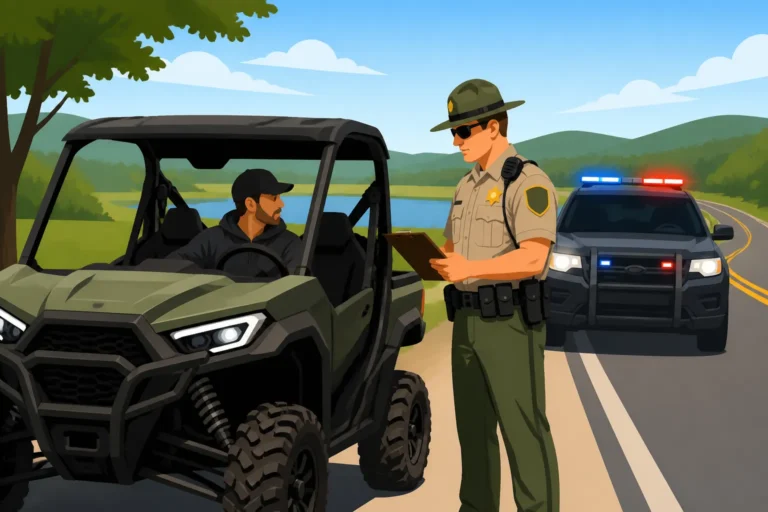
Beyond the 3-mile rule, many cities and counties in Missouri have passed their own ordinances that permit wider ROVs (and sometimes UVs) on their roads, often with specific stipulations. These might include speed limits, times of day, safety equipment like turn signals, mirrors, and a safety flag, and often require a special permit issued by the local police or sheriff's department. It's a patchwork system, so what's allowed in one town might be strictly forbidden in the next. Always check with the local municipality or county sheriff's office for their specific rules before you plan to ride your wider machine on any local roads.
Private Land and Designated Private Parks
Riding a machine over 50 inches on private land is generally much simpler. If you own the land, or have explicit permission from the landowner, you can typically ride any size machine you wish, provided you're not violating any noise ordinances or local nuisance laws. Many riders of wider UTVs and ROVs opt to stick to private property because it bypasses the complexities of state and local public land restrictions.
There are also several private, pay-to-ride parks and riding areas across Missouri that cater to a wide range of off-road vehicles, including those over 50 inches. These parks set their own rules and often have trails specifically designed to accommodate wider machines. Places like Washita, Rush Off-Road Park in Kentucky (though outside Missouri, it's a popular destination for MO riders), and others are great options for those with larger side-by-sides. These venues offer a fantastic solution for riders whose machines are too wide for many state parks or forest trails, providing challenging terrain without the headache of navigating complex public land regulations.
Here's a quick comparison of common width allowances:
| Location Type | Typical Max Width for ATVs | Typical Max Width for ROVs/UVs (if allowed) | Notes |
|---|---|---|---|
| Missouri State Park Trails | 50 inches (many trails) | 64 inches (some parks/areas) | Check specific park rules; St. Joe, Finger Lakes more accommodating. |
| Mark Twain National Forest | 50 inches (most designated ORV) | 50 inches (most designated ORV) | Very strict 50-inch limit for most trails, like Sutton Bluff. |
| City/County Roads (ROVs) | N/A (not allowed for recreation) | Up to 64 inches or more | Requires local ordinance or 3-mile rule, specific safety gear. |
| Private Land | Unlimited | Unlimited | Landowner permission is key. |
| Private ORV Parks | Unlimited | Unlimited | Varies by park; often cater to wider machines. |
Practical Considerations for Owners of Wider Machines
Owning a machine over 50 inches in Missouri means you'll need to be more proactive in your planning and decision-making. It's not just about the thrill of the ride; it's about being a responsible and informed owner in a state with diverse regulations.
Always Measure Your Machine Accurately
Before you head out, grab a tape measure and double-check your machine's actual width. This includes the widest point, which could be the tires, fenders, or even aftermarket accessories like brush guards or rock sliders. Don't just rely on the manufacturer's specifications, especially if you've added anything that could increase the width. Many off-road enthusiasts choose to customize their UTVs and ROVs with lift kits, wider wheels, or suspension components from companies like SuperATV, which can easily push a machine beyond the stock dimensions.
Knowing your precise width is your first line of defense against being turned away from a trail or facing a citation. It removes all guesswork and allows you to confidently assess where your machine is permitted. It's also a good idea to keep a small tape measure with you in your machine, just in case a park ranger or local law enforcement official needs to confirm your dimensions on the spot.
Research Trail and Road Rules Before Every Ride
This cannot be stressed enough: research, research, research! The rules are not uniform across Missouri, and what applies to one state park or county road might be completely different just a few miles down the road. For state parks and national forests, always visit their official websites or call the ranger station directly for the most up-to-date information on trail width restrictions, permit requirements, and operating hours. [Missouri National Forest ATV Permit] rules are different from state park rules.
For road use, consult the city clerk's office, county commissioner's office, or the local police/sheriff's department to inquire about any specific ordinances related to ROV or UV operation on public roads. It might seem like a hassle, but a quick phone call or website visit is far better than a hefty fine or having your ride cut short. This diligence is especially important when traveling to new areas or if you're riding with a group where others might be less informed.
What to Carry with You
Beyond your usual safety gear, when riding a wider machine, especially if you're on public roads under a local ordinance or the 3-mile rule, make sure you have all required documentation and safety equipment. This often includes:
- Proof of Insurance: Many local road ordinances require proof of liability insurance for ROVs.
- Operator's License: If riding on roads, you'll need a valid driver's license.
- Permit: Any specific local permit required by the city or county.
- Safety Flag: Often required for road use and some trail systems, typically needing to be 7 feet high with an orange flag.
- Headlights/Taillights: Required for road use, and sometimes for specific park operating hours.
- Seatbelts/Roll Bar: Critical for ROVs and UVs, especially for road use where these are typically mandated.
It's a good habit to keep all your important paperwork, like permits and insurance cards, in a waterproof bag on your machine. Being prepared not only helps you stay legal but also ensures a smoother interaction should you encounter law enforcement or park staff. Being upfront and having your ducks in a row demonstrates responsibility and respect for the rules that are in place.
Disclaimer
This article is for general informational purposes only and does not constitute professional advice. Laws, prices and regulations vary by location and change over time. Consult a qualified professional for guidance on your specific situation.