Blaze Orange on a Missouri November Ride
The crisp air of a Missouri November ride on your ATV or UTV can be absolutely invigorating, but it also ushers in a unique set of challenges and responsibilities, especially with hunting season in full swing. It's easy to get caught up in the thrill of the ride and forget about the increased presence of hunters in the woods and fields, which can lead to dangerous situations if you're not prepared. This guide will help you understand why blaze orange isn't just a good idea, but a critical safety measure, and what other precautions you need to take to ensure a safe and legal ride during the busiest time for deer hunters across the state.
The Undeniable Need for Blaze Orange in Missouri's November Woods
When you think about gearing up for an ATV or UTV ride in Missouri, especially as the leaves start to fall, you might be focused on layers for warmth or waterproof boots. But in November, one piece of gear transcends comfort and convenience: blaze orange. This isn't just a suggestion; it's a vital part of staying visible and safe when you're sharing the landscape with hunters. It's easy to assume everyone knows you're out there, but hunters are often deeply focused on their quarry, and a moving machine, even a loud one, can be mistaken for game or simply not registered as a human presence until it's too late.
Understanding Hunting Season's Impact on ATV and UTV Riders
November is the heart of firearms deer season in Missouri, a time when countless hunters head to the woods and fields with one primary goal: harvesting deer. This means that areas you might typically ride without much thought – private timber tracts, fields, even some unpaved county roads that border hunting land – are suddenly bustling with activity. Hunters are often camouflaged, trying to blend in with their surroundings, and they're scanning for movement and signs of deer, not necessarily an ATV or UTV. The sound of your machine might even attract attention, leading a hunter to look in your direction, but without proper visibility, they might not register you as a person on a recreational vehicle. This overlap of recreational riding and serious hunting creates a heightened risk environment that demands extra caution from every rider. Ignoring this reality can put both you and the hunters in the field at unnecessary risk.
What Constitutes Effective Blaze Orange for Visibility
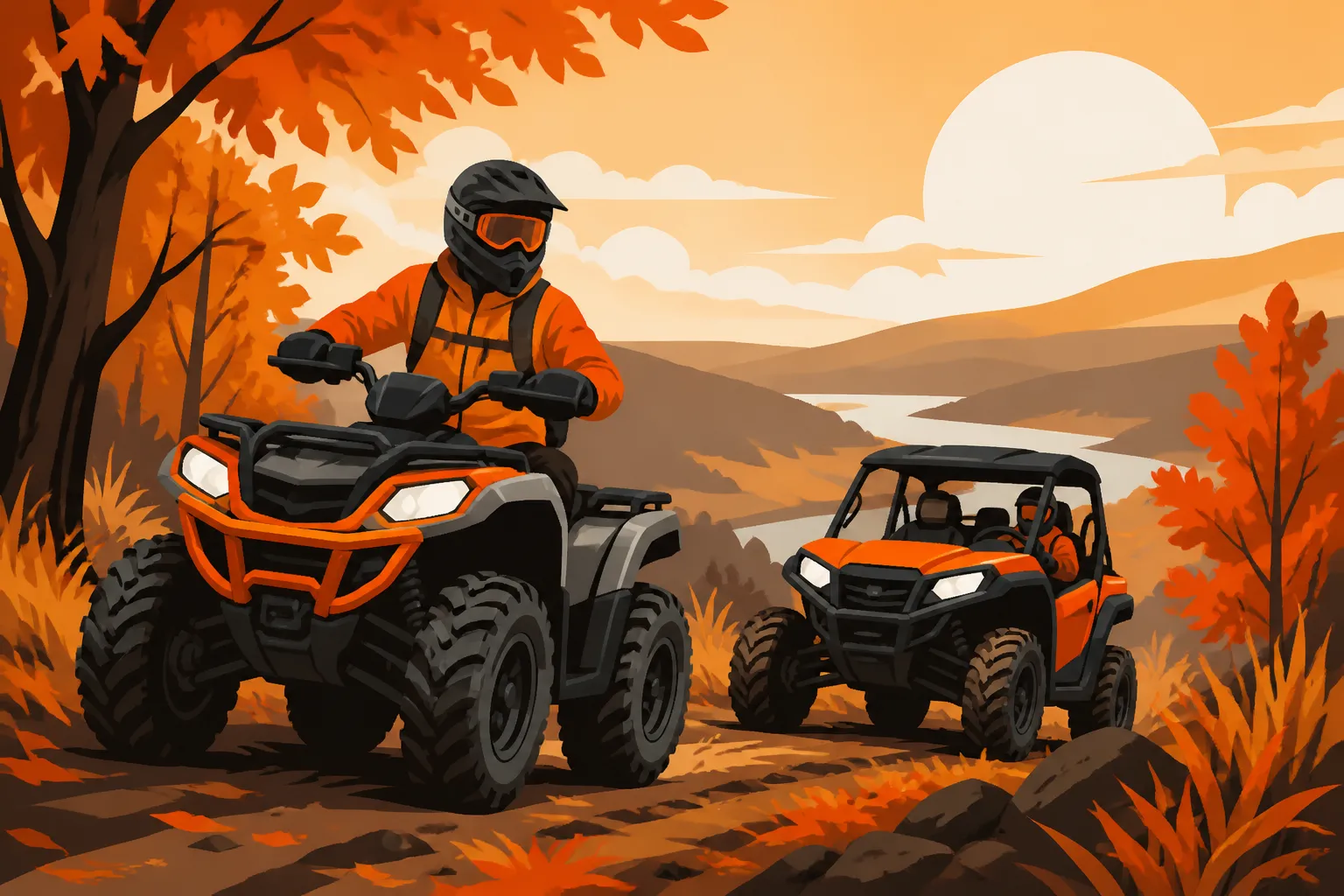
Effective blaze orange isn't just a little patch here or there; it means making yourself unmistakably visible from all directions. The bright, fluorescent orange color is specifically designed to stand out against natural backgrounds, even in low light conditions like dawn and dusk when deer are most active and hunters are often out. Your goal should be to wear blaze orange on your outermost layer, covering as much of your upper body as possible. A full blaze orange vest or jacket is ideal, often paired with a blaze orange hat. Some riders even go further, incorporating orange onto their helmets or machines if permitted.
Think about how you'll look from 100 yards away in dense woods or across a foggy field. Will a hunter clearly identify you as a human, or will you appear as a blur of color that could be mistaken for something else? Missouri's hunting regulations often specify the amount of blaze orange required for hunters, usually a minimum of 400 square inches visible from all sides. While this isn't a direct requirement for ATV/UTV riders per se, it's an excellent benchmark for your own safety gear. If you're riding through areas where hunting is active, mirroring these requirements significantly increases your chances of being seen. It's not just about meeting a rule; it's about making a clear visual statement to anyone with a firearm that you are not game. Remember, [Missouri Rules for Riding in Deer Season] strongly advocate for these types of precautions.
Navigating Missouri's Roads and Trails Safely During Hunting Season
Missouri offers incredible opportunities for ATV and UTV enthusiasts, from sprawling private lands to designated public riding areas. However, as November descends, the interaction between these machines and the state's roadways, as well as the unique conditions of hunting season, requires a significant shift in how we approach our rides. Simply knowing where you can and cannot ride is just the first step; understanding how to ride safely and be seen is just as important. The reality is that while a great majority of Missouri roads aren't open to ATVs and UTVs, there are crucial exceptions that riders often utilize, and these are precisely the times when extra vigilance is needed.
Road Use: When Your Machine Meets the Highway
Let's be clear: Missouri generally doesn't consider ATVs and UTVs "street legal" in the way a car or motorcycle is. This is a common point of frustration for many riders who just want to get from point A to point B. However, there are very specific, limited circumstances under state law where you might find yourself on a public road, and these situations become even more precarious during hunting season.
One common scenario involves side-by-sides utilizing [Missouri's 3-Mile Rule for Side-by-Sides]. This allows UTVs to be operated on state roads within a three-mile radius of the operator's residence for specific purposes, or for travel between two pieces of private property. Then there's the possibility of obtaining a [Missouri's Special Permit for Road Use] from a local jurisdiction, which allows for broader road access in participating cities and counties. Lastly, [Missouri's Agricultural Highway Exception] permits farm-related use of ATVs and UTVs on public roads.
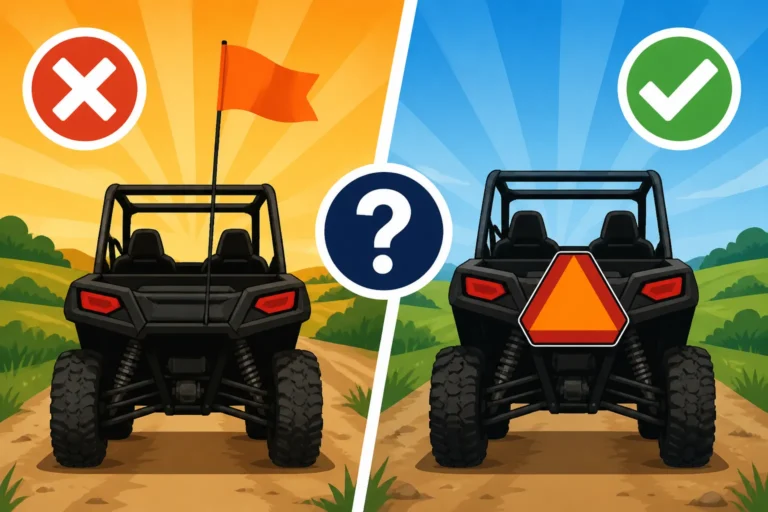
In all these cases, even though your presence on the road is legal, your visibility to others – especially hunters who might be driving to their spots or observing fields from the roadside – becomes critical. Imagine you're using the 3-mile rule to cross a state route to reach another part of your property, your machine churning up gravel. A hunter parked down the road, scanning for deer, might not immediately recognize your vehicle as a legitimate road user, particularly at dawn or dusk. This is why having all available lights on, even during daylight hours, is non-negotiable. Furthermore, a [Missouri's 7-Foot Safety Flag] becomes an indispensable asset, especially in hilly terrain or around blind curves, as it can be seen above brush and other obstructions far sooner than the machine itself. Without these precautions, even a legal maneuver can turn into a dangerous encounter. If you ever find yourself needing to [Missouri Rules for Crossing a Highway], remember that speed and visibility are your best allies. And it goes without saying, but always be aware of [Missouri Fines for Illegal ATV Road Use] to avoid hefty penalties.
Trail Riding and Private Property Considerations
While designated off-road parks and private land might seem like safer havens away from road traffic and hunters, the reality is more nuanced during November. Many private landowners allow both riding and hunting on their property, or their property may be adjacent to land where hunting is actively taking place. This means you could be riding a familiar trail and suddenly encounter hunters on foot, setting up stands, or even processing game.
Communication is key here. If you're riding on private property, always confirm with the landowner if hunting is permitted and, if so, what their specific rules or designated "safe zones" are. It's not uncommon for landowners to restrict riding during peak hunting hours or in certain areas to minimize disturbance and ensure safety. Similarly, if you plan to visit a public riding area, it's wise to check the specific park or forest regulations. Some public trails might have temporary closures or special rules related to hunting seasons. Checking [Missouri Trail Closures to Check] before you head out can save you a wasted trip or, more importantly, prevent a dangerous encounter.
Remember, even on trails where ATVs and UTVs are common, the presence of hunters means you need to be extra vigilant. Slow down on blind turns, listen for gunshots or other signs of hunting activity, and always assume there might be someone just out of sight. A rider's responsibility extends beyond just operating their machine safely; it includes being aware of and respecting all other legitimate users of the land, especially during critical seasons.
Beyond Blaze Orange: Comprehensive Safety for Your November Ride
While donning blaze orange is your number one priority for visibility during a November ride in Missouri, safety doesn't stop there. The unique conditions of late fall – cooler temperatures, shorter days, and the heightened activity of hunting season – demand a holistic approach to preparation and riding habits. It's about ensuring your machine is ready, you're dressed appropriately, and your mindset is geared towards maximum awareness. Don't let the excitement of hitting the trails overshadow the practical steps that keep you, and those around you, safe.
Essential Gear and Machine Prep for Cold Weather and High Visibility
Missouri Novembers can be fickle, swinging from mild, sunny days to biting cold with surprising speed. Proper attire is crucial. Think layers: a moisture-wicking base layer, insulating mid-layers, and a waterproof/windproof outer shell. Don't forget insulated gloves, warm socks, and sturdy, waterproof boots to prevent frostbite and maintain grip. Hypothermia can set in quickly if you're exposed after a breakdown or an unexpected stop.
Beyond clothing, your machine itself needs extra attention. Cold weather can expose weaknesses. Check your tire pressure, as colder temps can cause it to drop, affecting handling. Ensure your brakes are in top working order – cold, damp conditions can affect performance. Most importantly, verify all your lights are functioning perfectly: headlights, taillights, and brake lights. With shorter days, you're more likely to be riding in low light, or even after dark, and these are also prime hunting times. Consider adding auxiliary lighting for increased visibility, especially if your stock lights feel inadequate. Brands like SuperATV offer a range of powerful LED light bars and pods that can dramatically improve your visibility to others, and your ability to see hazards on the trail. A well-maintained machine is less likely to leave you stranded in a remote area during cold weather, which is a safety concern in itself. Finally, always adhere to [Helmet Rules for Missouri Riders], especially for those under 18, but it's a wise practice for all riders regardless of age.
Situational Awareness and Rider Etiquette
Your eyes and ears are two of your most important safety tools, even more so in November. Develop an acute sense of situational awareness. Slow down, especially on blind turns, crests of hills, or in dense brush where visibility is limited. This gives you more time to react if you encounter a hunter, another rider, or even game animals moving through the woods. Listen for sounds that indicate hunting activity – gunshots, distant voices, or even the rustle of leaves that might suggest someone moving through the undergrowth.
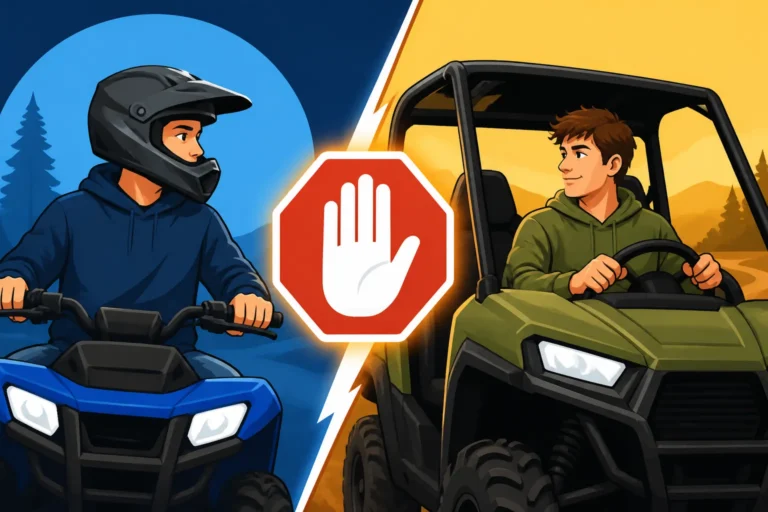
It's also crucial to practice good rider etiquette. If you encounter hunters, whether they're on foot or in a vehicle, slow down, give them a wide berth, and be respectful. A simple wave or nod can go a long way in fostering good relations between riders and hunters. Avoid intentionally disturbing game or riding through areas where hunters are actively working. Remember that many hunters have spent significant time scouting and preparing their locations.
Finally, communicate your riding plans to someone not on the ride. Let them know your route, where you'll be, and your estimated return time. Carry a fully charged cell phone (though be aware of dead zones in remote areas) and consider a GPS device or satellite messenger for emergencies. Always obtain [Missouri Landowner Permission Requirements] if you're on private land, regardless of the season, and reconfirm that permission for hunting season. This time of year demands a heightened sense of responsibility from everyone enjoying Missouri's outdoors.
| Safety Aspect | November Riding Priority | Details & Missouri Context |
|---|---|---|
| Blaze Orange | Critical | Wear highly visible, fluorescent orange on outerwear, hat, and helmet. |
| Safety Flag | High | Mandatory for some road uses, always recommended for visibility in hilly/woodded areas. See [Missouri's 7-Foot Safety Flag]. |
| Headlights/Taillights | Critical | Use even during the day, especially at dawn/dusk. Check functionality. |
| Sound Awareness | High | Listen for gunshots, communicate with riders/landowners. |
| Road Permits | Essential | If using public roads, ensure you have the correct [Missouri Special Permit Cost for ATVs] and local permits. |
| Machine Maintenance | High | Prevent breakdowns in cold weather; check tires, brakes, lights, fluids. |
| Communication | High | Inform someone of your route and expected return time. Carry a charged phone. |
| Trail Conditions | High | Always check [Missouri Trail Closures to Check] before you ride, especially during hunting season. |
Disclaimer
This article is for general informational purposes only and does not constitute professional advice. Laws, prices and regulations vary by location and change over time. Consult a qualified professional for guidance on your specific situation.