Staging Early on a Holiday Weekend
A holiday ride can go sideways before the engine starts: the staging lot is crowded, your group is still sorting gear, and everyone is trying to figure out which trail is open. At Missouri riding areas, arriving early helps you unload calmly, check conditions, and get moving without rushing. Here’s how to plan a smoother holiday-weekend start.
Why an Early Start Helps on a Missouri Holiday Ride
Holiday mornings put pressure on the whole group
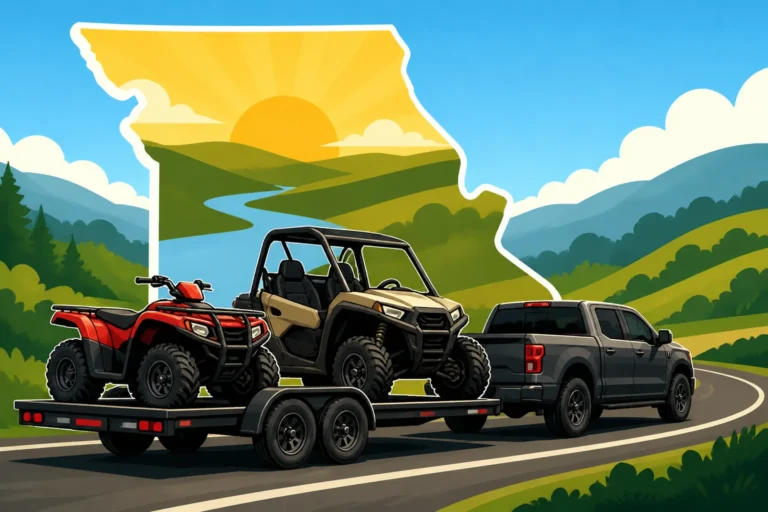
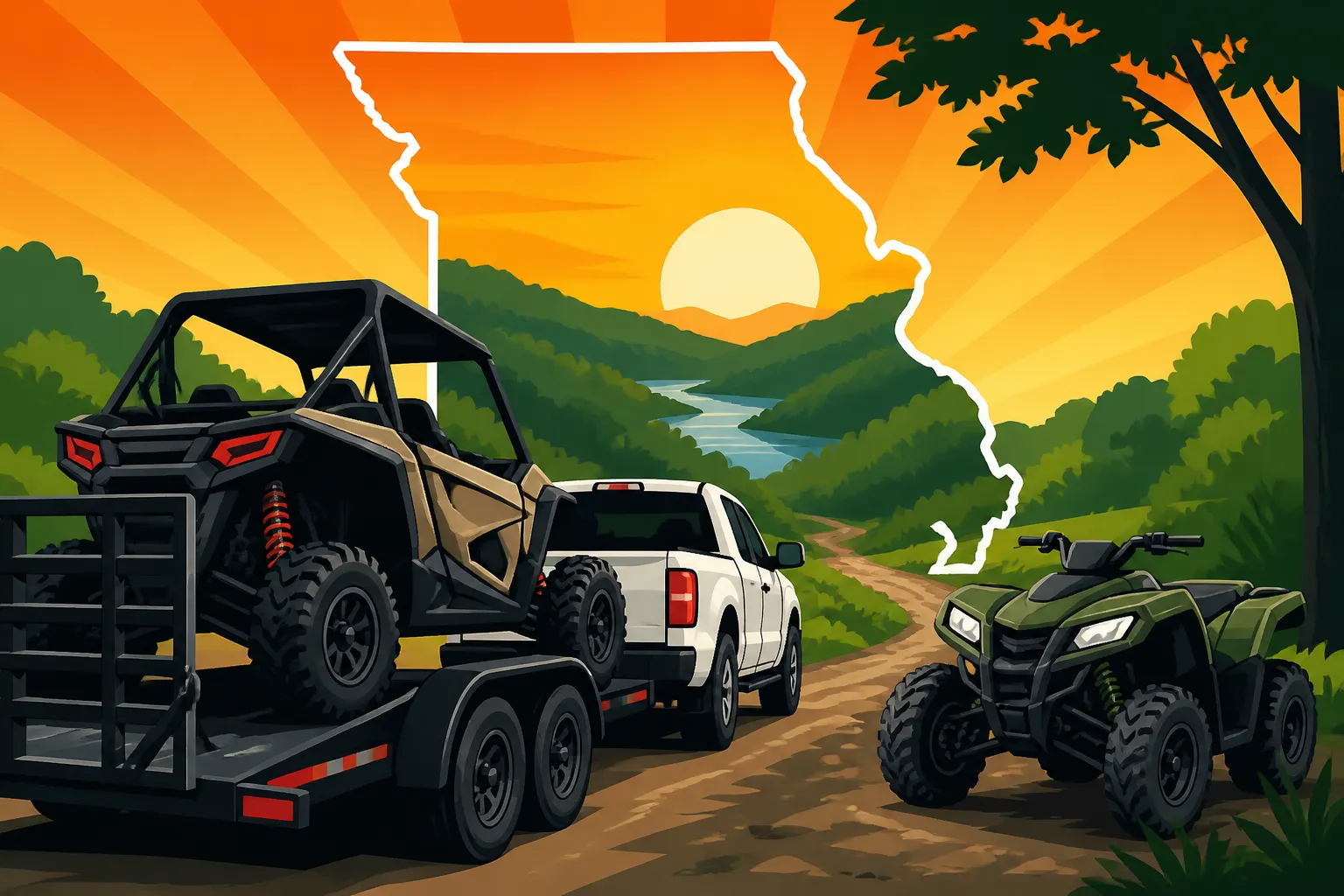
On a holiday weekend, the difficult part may not be the ride itself. It can be finding a place to park a truck and trailer, unloading without blocking other riders, and getting everyone ready while the staging area gets busier. Even when a lot has room, several groups arriving at once can make simple tasks feel hectic.
An early arrival gives you space to check tie-downs, walk around your machine, secure loose gear, and talk through the day’s plan before heading out. It also gives new riders a chance to get comfortable with the surroundings. That matters when you’re riding with children, someone who hasn’t been to the area before, or a friend who needs a little more time to get ready.
Early does not mean trying to be first at any cost. It means building in enough time that a delayed departure, forgotten item, or last-minute trail check doesn’t turn into a rushed decision. For a broader sense of when popular areas may feel busier, see Missouri Trails That Fill Up on Weekends.
A calm staging area makes for safer preparation
Unloading in a tight, busy lot can distract even experienced riders. A rushed rider might overlook a loose strap, a low tire, or a piece of gear that should be secured before setting off. A calmer arrival gives you time to do a basic check without feeling that everyone is waiting behind you.
Keep your setup organized. Put helmets and riding gear where they’re easy to reach, keep small items in one bag, and avoid spreading equipment across a neighboring parking space. If your group has multiple machines, decide who will handle unloading and who will check the trail information. A simple division of tasks helps prevent people from stepping into the path of a moving truck or machine.
Before unloading, look for posted instructions and follow the facility’s parking and staging directions. If staff or signs direct traffic a particular way, follow that guidance rather than relying on how things were arranged on a previous visit. Conditions and operating details can change, so check the area’s official information before you leave home.
Early arrival is useful, but conditions still come first
A quiet lot does not guarantee that every route is open or suitable for your machine. Weather, maintenance, seasonal closures, and other local conditions can affect where you can ride. Check the latest notices before loading up, then read the information posted at the trailhead when you arrive. Missouri Trail Conditions Before You Ride and Missouri Trail Closures to Check First are useful planning topics to review before a trip.
Be especially cautious after heavy rain. A route that looked manageable on a dry visit may have muddy approaches, standing water, or damaged sections after storms. Don’t treat an early start as a reason to push through questionable conditions. If a trail is closed or appears unsafe, choose another open route or adjust the day’s plan.
How to Plan Your Arrival and Get Ready Efficiently
Work backward from the time you want to ride
Rather than picking an arrival time at random, decide when you’d like your group to be ready to leave the staging area. Then allow time for the drive, unloading, a machine check, permit or access steps where applicable, and a quick review of the route. Add a cushion for the unpredictable parts of holiday travel, such as a slower drive with a trailer or a stop for fuel.
A practical plan might look like this:
- Confirm the riding area’s access information and any requirements for your machines.
- Check the weather and trail notices before departure.
- Allow extra travel time for holiday traffic and towing.
- Park and unload without blocking lanes or neighboring spaces.
- Check helmets, protective gear, tires, lights, fuel, and tie-downs.
- Review the route and meeting point with the group.
- Leave only when everyone understands the plan and is ready.
The exact timing depends on distance, group size, and how familiar everyone is with the area. A family with children may need more preparation time than two experienced riders traveling with one machine. Aim for an unhurried start rather than trying to copy someone else’s schedule.
Make a short pre-trip checklist
A written checklist can prevent the familiar holiday-morning scramble: one rider is looking for gloves, another is searching the truck for a charger, and nobody remembers whether the trailer ramp was secured. Keep your list focused on items that can delay departure or affect safety.
Include the basics: helmets and riding gear, water, food, first-aid supplies, machine keys, any required access documents, tools suited to your machine, and a way to contact the group if you become separated. Check the trailer before leaving, too. Confirm that ramps and tie-downs are secured and that gear is not likely to shift during the drive.
Navigation deserves its own check. Download or save maps before you reach areas where cell service may be unreliable, and make sure every rider knows the planned route and regrouping point. onX Offroad can be one option for reviewing routes and saved map information before a trip; don’t assume a phone will have a reliable connection once you’re riding. A paper map or another offline backup can be useful, especially for a group that is new to the area.
Read the trailhead information before you unload
When you arrive, pause long enough to understand the staging area. Look for signs that explain parking, trail direction, permitted machine types, closures, or other site rules. It’s easy to miss a detail when the truck is already open and people are eager to get moving.
A useful habit is to have one person read the posted information while another keeps the group and machines organized. If you’re unsure about a sign or route, ask staff when available rather than guessing. Reading the Trailhead Board Before You Unload covers the value of this small but important step.
If you’re visiting a state park riding area, check the park’s own materials as well as the signs on site. Missouri Trail Maps From State Parks is a relevant resource for planning around park routes. Use a map to prepare, but treat posted closures and directions at the location as important information—not as something to override because a digital map shows a line continuing ahead.
Choosing a Staging Strategy for Missouri Riding Areas
Pick a meeting point everyone can find
For a group traveling in separate vehicles, agree on a specific meeting point before the trip. “We’ll meet in the lot” may be vague if there are multiple entrances, parking areas, or trail access points. Share a clear location description and a backup plan in case one vehicle is delayed or someone loses phone service.
Set a time for the group to be ready, not just a time to arrive. That distinction helps avoid frustration when people interpret the plan differently. If a rider is late, decide in advance whether the group will wait, start on a short route, or meet at a designated point later. Keep the plan flexible enough to adapt without splitting the group by accident.
At areas in the Mark Twain National Forest, parking and access arrangements can vary by location. Check the specific trailhead information instead of assuming all lots work the same way. Parking a Rig at a Mark Twain Lot is a helpful topic to review if your ride involves a forest trailhead.
Match your setup to the area and the machines
Missouri riding locations differ in terrain, layout, and access rules. A route or staging setup that suits one group may be a poor fit for another. Before you go, confirm that the area allows your type and size of machine, and check any relevant permit or access requirements. Do not assume that a vehicle can use every route just because it fits in the parking space.
This matters when a group includes both ATVs and side-by-sides. Wider machines can face different trail-access limits at some riding areas, so check the location’s rules rather than relying on a general assumption. A little research before departure can prevent the uncomfortable surprise of unloading and discovering that your planned route is not appropriate for your machine.
If your group uses a navigation app, compare the planned route with the riding area’s official trail information. onX Offroad may help riders review mapped routes and organize a plan, but map coverage should not replace local signs, current closure information, or permission to ride. Use it as one planning tool, not as proof that a route is open.
| Before you leave | At the staging area | Before you ride |
|---|---|---|
| Check access details, weather, and closures | Follow parking directions and keep lanes clear | Review signs and the route plan |
| Confirm machine suitability and required documents | Unload carefully and secure loose gear | Check that riders have helmets and essential supplies |
| Save maps and identify a backup meeting point | Inspect the machine and trailer | Agree on regrouping points and what to do if separated |
| Allow extra time for holiday traffic | Keep the group together while preparing | Turn back or reroute if conditions are unsafe |
Keep the first ride of the day manageable
A crowded or unfamiliar trail system is not the best place to discover that a rider is uncomfortable with the machine, the terrain, or the group’s pace. Consider starting with a route the least experienced person can manage. That gives everyone a chance to settle in, check how the machines are performing, and agree on a comfortable pace before committing to a longer outing.
Discuss basic group habits before leaving. Keep enough distance to avoid dust and sudden stops, wait at agreed junctions, and avoid leaving a rider behind without a plan. Shared trails can include people with different experience levels and travel speeds, so courteous riding helps the day go better for everyone. Missouri Trail Etiquette on Shared Ground offers more context for riding considerately.
If the group is spread across machines, identify who will lead and who will ride at the back. The lead rider can choose a pace suited to the group, while the last rider helps ensure no one is left behind. Agree that anyone can ask for a break or a change in plan. That makes it easier to respond to fatigue, a mechanical problem, or changing trail conditions without turning a fun ride into a stressful one.
Common Holiday-Weekend Staging Problems and How to Avoid Them
Arriving early but having no clear plan
Getting to the lot early is only useful if the group knows what to do next. Without a plan, people may unload in different places, search for maps at the last minute, or leave in separate directions. Decide who is responsible for checking site information, who is handling the machines, and where everyone will regroup if plans change.
Keep the plan simple enough to remember. Choose a primary route and a reasonable alternative, identify a meeting point, and make sure every rider understands how to contact the group. If someone is unfamiliar with the area, explain the first part of the ride before setting off rather than expecting them to keep up by following tire tracks.
Relying on cell service for every decision
A phone can be useful for directions and communication, but reception may not be dependable everywhere. A rider who expects to look up a map at a junction may find that the screen won’t load. Download what you need in advance, save important contact details, and carry a backup means of understanding the route.
Tell your group not to assume that everyone can see the same live map or receive a message immediately. Establish a simple rule: if riders become separated, they go to the agreed meeting point or wait at a safe location rather than improvising a new route. onX Offroad and similar navigation tools can be part of your planning, but the group still needs a shared plan that works offline.
Treating the parking lot as part of the trail
Staging areas are busy spaces, not places to test acceleration or hurry between vehicles. Move slowly, watch for pedestrians, and keep children close to an adult while machines are being unloaded. Don’t block entrances or leave a trailer positioned in a way that interferes with other visitors.
Before leaving, do one final check of your parking setup. Make sure the truck and trailer are secure, valuables are not left in plain view, and anything that could blow away or spill is put away. Then take a moment to confirm that your group has the same route, meeting point, and return plan. Those small habits help turn an early start into an organized one rather than simply an earlier version of a scramble.
Disclaimer
This article is for general informational purposes only and does not constitute professional advice. Laws, prices and regulations vary by location and change over time. Consult a qualified professional for guidance on your specific situation.