Missouri Helmet Law for Riders Under 18
Let's talk about something incredibly important for every family that enjoys the thrill of off-road riding in Missouri: keeping our kids safe. There's a specific law in the Show-Me State designed to protect young riders, and understanding it is crucial, not just for compliance, but for peace of mind. This guide will walk you through Missouri's helmet law for riders under 18, why it exists, and what it means for your family's next adventure.
The Mandate: Who Needs a Helmet Under Missouri Law
Navigating the rules and regulations for ATV and UTV riding can feel like a maze, especially when it comes to the safety of our youngest enthusiasts. Missouri has a very clear stance on helmet use for minors, stemming from a commitment to reducing serious injuries. It's not just a suggestion; it's a legal requirement that carries significant weight for parents and guardians.
Understanding the Age Requirement
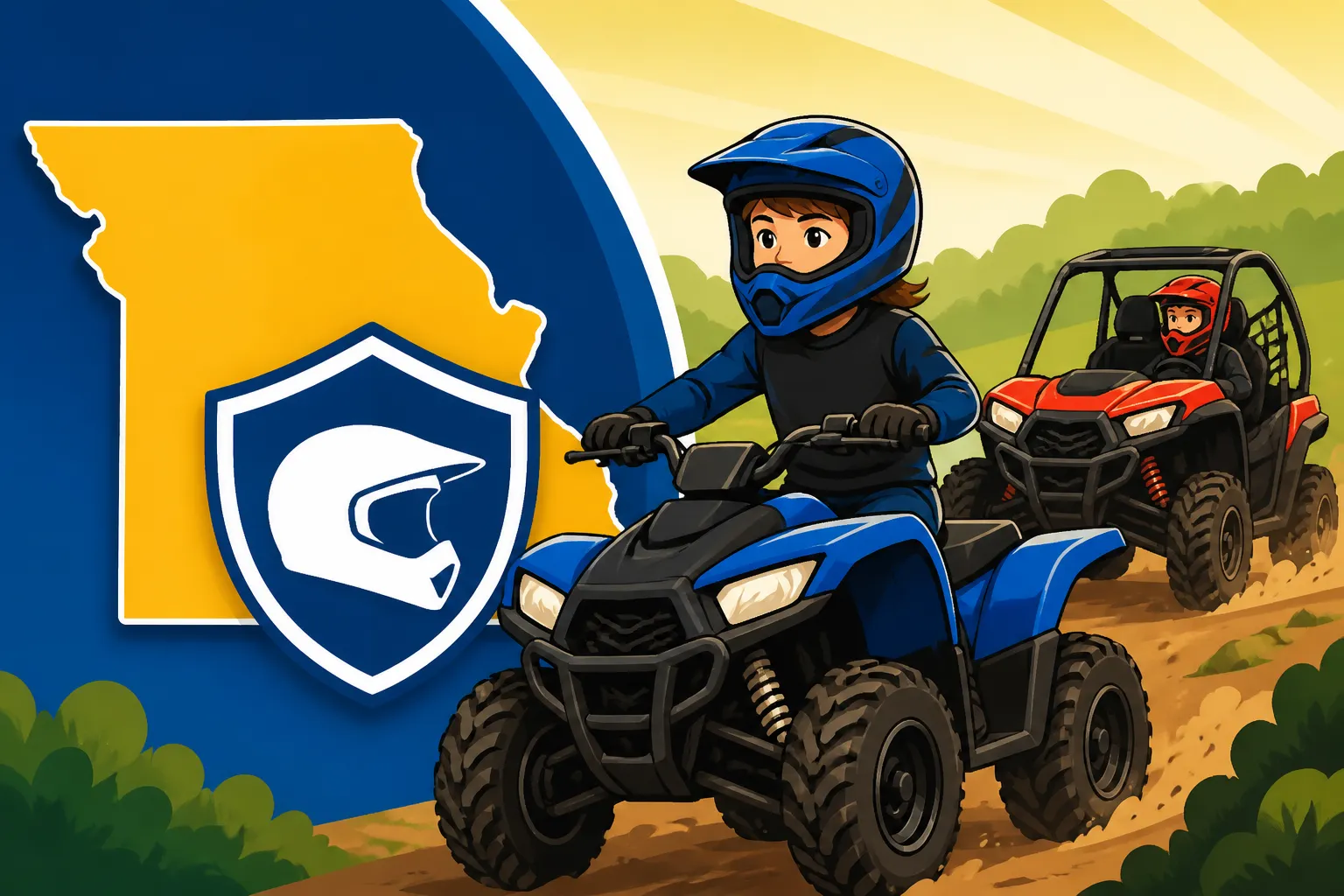
The core of Missouri's helmet law specifies that anyone operating or riding an all-terrain vehicle (ATV) or a utility vehicle (UTV) who is under the age of eighteen (18) must wear an approved safety helmet. This isn't limited to public trails; it encompasses all riding environments unless specifically exempted, which we'll delve into later. The intent is simple: heads are fragile, and helmets are proven life-savers, especially for developing riders who might not have the same judgment or reaction times as adults. This means if you have a 10-year-old on a youth ATV, a 15-year-old on a full-size quad, or a 17-year-old riding as a passenger in a side-by-side, they all fall under this protective umbrella.
It's a stark reality that accidents can happen quickly, even at low speeds or on familiar terrain. A small bump could lead to a fall, and without a helmet, a minor impact can have major consequences. This law provides a baseline of protection for the most vulnerable members of our riding community. It’s also worth noting that while adults are generally exempt from mandatory helmet use on ATVs/UTVs in many situations, the law draws a firm line for minors. Missouri Helmet Law for Riders Under 18 is a foundational safety measure that every family needs to take seriously.
What "Approved Safety Helmet" Truly Means
The law doesn't just say "a helmet"; it specifies an "approved safety helmet." This is a critical distinction. It means the helmet must meet certain safety standards to be effective in an impact. Typically, this refers to helmets certified by recognized organizations like the Department of Transportation (DOT), Snell Memorial Foundation, or the Economic Commission for Europe (ECE). These certifications indicate that the helmet has undergone rigorous testing to ensure it can absorb impact energy, resist penetration, and stay securely on the wearer's head during a crash.
When you're shopping for a helmet for your child, look for the DOT sticker on the back, and consider Snell or ECE certifications for even higher levels of protection. These aren't just fancy labels; they are guarantees that the helmet has been engineered to perform when it matters most. A cheap bicycle helmet, while better than nothing for a bike, is absolutely not sufficient or approved for the speeds and impacts associated with ATV or UTV riding. The forces involved in an off-road vehicle accident are significantly higher, demanding purpose-built protection. Always prioritize quality and proper fit over price when it comes to head protection for your kids. Many reputable brands offer helmets that meet these standards, and stores specializing in powersports, or even general sporting goods stores with a good powersports section, will carry them.
The Scope: Where the Helmet Rule Applies and What It Excludes
Understanding who needs to wear a helmet is one thing, but knowing where and when this rule applies can sometimes be confusing. Missouri's law aims for broad coverage to ensure youth safety, but it does have specific contexts where it is enforced most rigorously, and a few exceptions.
Public Riding Areas and State Parks
For most families, public riding areas and state parks are where they'll spend their off-road time. Places like St. Joe State Park, Finger Lakes State Park, or Chadwick Motorcycle and ATV Use Area are fantastic places to ride, but they come with their own set of rules on top of state law. In these environments, Missouri's youth helmet law is strictly enforced. If your child is under 18 and riding an ATV or UTV in one of these state-managed areas, they must wear an approved helmet. Park rangers and conservation agents are authorized to check for compliance, and failure to meet this requirement can lead to citations, fines, or even being asked to leave the park.
These rules are in place because public lands are often shared spaces, and while operators try to create safe riding conditions, the diverse terrain and varying skill levels of riders mean that accidents are a persistent risk. Many parks also have additional safety regulations, such as specific age restrictions for certain trails or even mandatory flags on poles. Always check the specific rules of any public riding area before you go, as they often reinforce, and sometimes expand upon, the general state laws regarding safety gear. For instance, [Helmets at a Missouri State Park] are a non-negotiable part of the experience for young riders.
Private Land vs. Public Roads
Now, this is where things can get a little nuanced and where many people have questions. The statewide helmet law for minors applies broadly to ATVs and UTVs. While some might assume "private property, private rules," the Missouri statute doesn't make a distinction for private land when it comes to youth helmet use on these specific types of vehicles. The law is intended to protect the minor regardless of the specific parcel of dirt they're riding on. So, whether they're tearing it up in your back forty or cruising trails at a friend's farm, if they're under 18, they need a helmet. This is a critical point that often surprises people, but it underscores the state's prioritization of youth safety.
When it comes to public roads, Missouri's stance on ATVs and UTVs is generally restrictive. ATVs are largely not street legal in Missouri, with very few exceptions like crossing a highway at a specific angle or for agricultural use under strict conditions. UTVs (often called ROVs or Recreational Off-Highway Vehicles in the statutes) have a bit more leeway with special permits in certain municipalities or for agricultural purposes, but they too have specific requirements. If a UTV is being operated on a public road under one of these limited exceptions, and a minor under 18 is riding in it, the helmet law still applies to them. Additionally, other rules, such as having a valid driver's license for the adult operator, insurance, and safety flags, would also come into play. It's a complex area, and it's always best to err on the side of caution and safety, especially with kids involved. [Missouri Rules for Riding Public Land] and specific city ordinances regarding [Can You Drive a UTV on a Missouri Road?] often have interconnected safety requirements.
Gear Up: Choosing the Right Helmet and Additional Protection
Getting an "approved safety helmet" is a great start, but ensuring it fits correctly and is part of a complete safety ensemble is even better. A helmet can only do its job if it's worn properly and complemented by other gear that protects the rest of the body.
Helmet Fit and Maintenance
A helmet that's too big or too small offers vastly reduced protection. For a child, proper fit is paramount, as their heads are still growing. When trying on a helmet:
- It should be snug, but not painfully tight.
- It should not move side-to-side or front-to-back when you shake your head, even with the chin strap unfastened.
- The cheek pads should press firmly against the cheeks.
- The top of the eyeport should sit just above the eyebrows, allowing for a good field of vision without obstructing it.
Many powersports stores have trained staff who can help ensure a proper fit. Remember, children often need new helmets as they grow, so don't try to buy one they'll "grow into." Helmets also have a lifespan. The protective materials degrade over time, and a helmet should be replaced after a significant impact, even if there's no visible damage. Check the manufacturer's recommendations for replacement intervals, usually every 3-5 years. Proper storage away from extreme temperatures and chemicals also helps maintain its integrity. You wouldn't want to use a compromised helmet after investing in safety.
Beyond the Helmet: Essential Protective Gear
While the helmet is crucial, it's just one piece of the puzzle. A comprehensive approach to safety means protecting the entire body. For young riders, this includes:
- Eye Protection: Goggles or a helmet with a face shield are essential to protect eyes from dust, debris, insects, and branches. A branch to the eye could be just as debilitating as a head injury.
- Gloves: Protect hands from blisters, abrasions, and improve grip on the handlebars.
- Long Sleeves and Pants: Durable fabrics like denim or specialized riding gear provide protection against scrapes, cuts, and brush. Even on a hot day, it's better to wear light long sleeves than risk skin exposure.
- Over-the-Ankle Boots: Sturdy boots protect feet and ankles from impacts, provide grip on footpegs, and prevent feet from slipping off. Hiking boots or work boots are far better than sneakers.
- Chest Protectors (Optional but Recommended): For more aggressive riding or youth motocross, a chest protector can guard against impacts to the torso.
Brands like SuperATV, while perhaps better known for accessories like lift kits and windshields, also advocate for comprehensive rider safety and may carry or recommend a range of protective gear. They understand that a well-equipped rider is a safer rider. It’s about creating a safe envelope around your child so they can enjoy the sport responsibly. Think of it as a uniform for their adventure – each piece serves a vital role. [Missouri ATV Gear Costs for a Family] can help you budget for these essential items.
Enforcement, Penalties, and Parental Responsibilities
Knowing the law is one thing; understanding its enforcement and the responsibilities that come with it is another. Missouri takes the safety of its youth seriously, and there are consequences for failing to comply with the helmet law.
Penalties for Non-Compliance
If a minor under 18 is caught operating or riding an ATV or UTV without an approved helmet where required, the responsible adult (usually the parent or guardian) can face penalties. While the exact fine amount can vary, it generally falls into the category of a misdemeanor offense. This means more than just a slap on the wrist; it can involve monetary fines and potentially a mark on your record. Moreover, repeated offenses can lead to escalating penalties. Law enforcement officers, including local police, county sheriffs, and Missouri State Highway Patrol, as well as Conservation Agents in state parks and public lands, are all authorized to enforce this law.
The state's perspective is that parents or guardians have a legal and moral obligation to ensure their children's safety, and that includes providing the necessary protective gear and enforcing its use. A citation for a helmet violation serves as a reminder of this responsibility. It's not just about the immediate financial penalty; it's about the increased risk to your child's well-being. Imagine the regret of a preventable injury simply because a helmet wasn't worn or was left behind. The law aims to prevent such scenarios by incentivizing compliance.
Here's a quick look at typical violations regarding youth safety:
| Violation Category | Example Scenario | Potential Consequence (General) |
|---|---|---|
| No Approved Helmet (Minor) | 15-year-old riding an ATV on private property without a DOT-approved helmet. | Citation, fine for the responsible adult. |
| Improper Supervision (Minor) | 10-year-old riding unsupervised on public land where supervision is required. | Citation, fine for the responsible adult. |
| Age Restriction Violation | Child under minimum age operating an ATV in a state park. | Citation, fine for the responsible adult, removal from park. |
| Passenger Violation (Minor) | Two minors riding on a single-rider ATV, one as an unauthorized passenger. | Citation, fine for the responsible adult. |
| No Permit (Public Land) | Rider of any age on public land without required ORV permit. | Citation, fine for the rider, removal from park. |
Note: Specific fines and consequences vary by jurisdiction and circumstances. Always check current Missouri statutes and local ordinances.
The Role of Parental Supervision and Education
Beyond ensuring a helmet is worn, parents and guardians play a vital role in fostering a culture of safety. This includes:
- Consistent Enforcement: Make helmet use a non-negotiable rule every single time your child rides, whether it's for five minutes in the yard or a full day on the trails. Consistency is key to establishing good habits.
- Leading by Example: If you, as an adult, also wear a helmet when appropriate (even if not legally required for you), it reinforces the importance of safety for your child.
- Rider Education: Enroll your child in an ATV safety course. While Missouri doesn't legally require a safety course, they are invaluable for teaching safe riding techniques, hazard awareness, and responsible conduct. Many organizations offer these courses, and they can significantly reduce the risk of accidents.
- Matching Machine to Rider: Ensure your child is riding an ATV or UTV that is appropriate for their age, size, and skill level. An overpowered or oversized machine is a recipe for disaster. [Missouri Youth ATV Size Rules] are designed to guide these choices.
- Active Supervision: Especially for younger or less experienced riders, active supervision is crucial. This means watching them closely, riding with them, and being ready to intervene if needed. [Missouri Supervision Rules for Minors] emphasize this critical aspect of youth safety.
Ultimately, Missouri's helmet law for riders under 18 is a testament to the state's desire to keep its youngest adventurers safe. It's a clear guideline that, when followed diligently, can make a profound difference in protecting your child from serious injury. Equipping them with the right gear, teaching them safe practices, and consistently enforcing the rules creates a foundation for years of enjoyable and responsible off-road riding. Companies like SuperATV, which champion the off-road lifestyle, also support these safety principles, understanding that a vibrant riding community is built on a foundation of responsible and safe practices.
Disclaimer
This article is for general informational purposes only and does not constitute professional advice. Laws, prices and regulations vary by location and change over time. Consult a qualified professional for guidance on your specific situation.