Missouri Supervision Rules for Minors
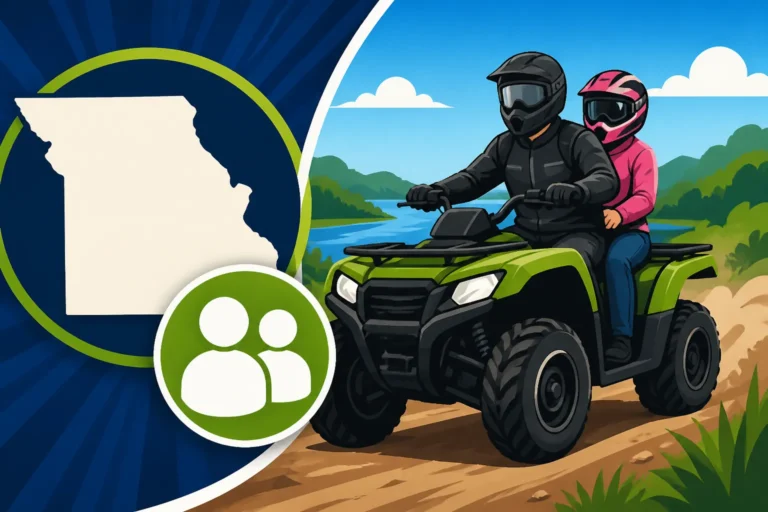
It's no secret that the world of ATVs and UTVs can be a fantastic way for families to enjoy Missouri's beautiful outdoors, but for parents, trying to decipher all the rules for young riders can feel like navigating a muddy, unmarked trail. The safety of our kids is paramount, and understanding who needs to supervise them, where they can ride, and what gear they need isn't just a suggestion—it's essential. This guide is here to untangle Missouri's supervision rules for minors, helping you ensure your young adventurers can hit the trails safely and legally.
Navigating Missouri's General Landscape for Young ATV Riders
Bringing up the next generation of riders means not just teaching them how to handle a machine, but also how to respect the rules and ride responsibly. Missouri’s approach to young ATV riders isn't always a one-size-fits-all situation, with different expectations depending on where you plan to ride. It’s crucial for every parent or guardian to grasp these distinctions.
Understanding the "No Universal Age" Rule for Private Land
Here in Missouri, when you're riding on private property, like your own land, a friend's farm, or a dedicated private riding park, there isn't a specific state law dictating a minimum age for operating an ATV. This often surprises people, as many assume there's a hard and fast rule. This absence of a universal age limit means that the decision largely falls on the shoulders of parents and guardians. You know your child best: their maturity, their physical capabilities, and their ability to follow instructions are all critical factors to consider.
However, just because there isn't a state-mandated age doesn't mean it's a free-for-all. Common sense and safety should always prevail. Experts generally recommend that children under 16 should ride age-appropriate ATVs and always be under direct adult supervision. An ATV that is too big or too powerful for a child can quickly become uncontrollable, leading to serious accidents. It’s about finding that sweet spot where the machine matches the rider's developing skills, not just their desire to ride the "coolest" quad.
The Role and Responsibilities of an Adult Supervisor
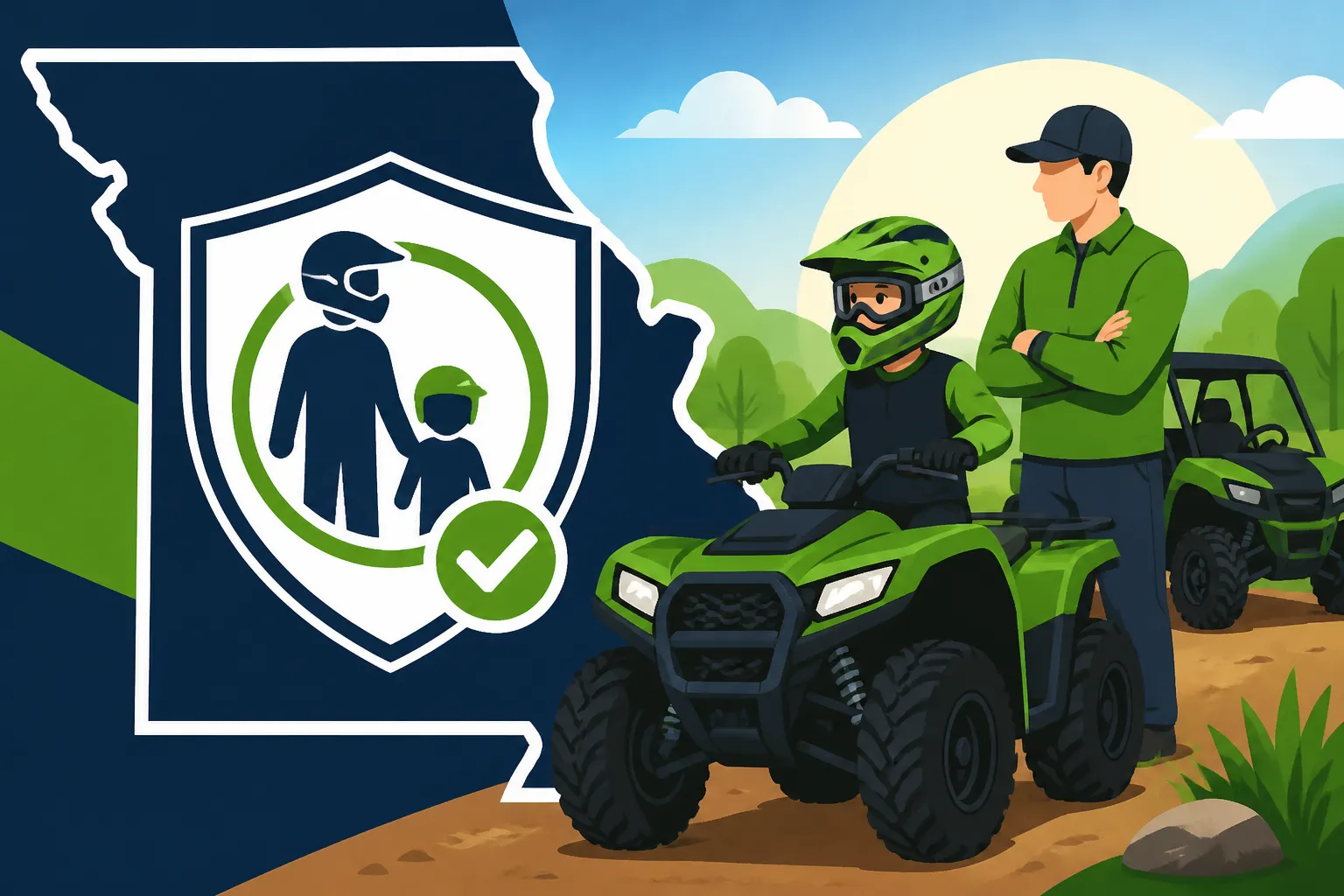
When it comes to minors and ATVs in Missouri, adult supervision isn't just a good idea; it's often a legal requirement, especially on public lands, and always a moral imperative. A supervisor isn't just someone casually present in the vicinity; they are actively engaged in overseeing the young rider's activity. This means being within earshot and sight, able to intervene quickly if needed, and constantly assessing the rider's behavior and the environmental conditions. Think of it as being a co-pilot, even if you’re on a separate machine.
The responsibilities of a supervisor are extensive. First and foremost, you're responsible for ensuring the child is wearing all the appropriate safety gear – we'll dive into that more later, but think helmets, eye protection, sturdy boots, and long clothing. Second, you’re the safety instructor, teaching proper riding techniques, reinforcing safe speeds, and explaining how to navigate different terrains. You should also be familiar with the machine your child is operating, able to check its condition before each ride, and ensure it's properly maintained. Finally, a good supervisor sets the example by riding safely themselves and adhering to all rules. It's about proactive guidance, not reactive damage control.
Why an ATV Safety Course Is Always a Good Idea, Regardless of Mandate
You might be thinking, "If Missouri doesn't always require a safety course, why bother?" And that's a fair question. The truth is, while Missouri doesn't have a state-wide mandate for all ATV riders to complete a safety course, especially on private land, opting into one for your minor is one of the best investments you can make in their safety and skill development. These courses, often offered by certified instructors through organizations like the ATV Safety Institute, cover everything from basic controls and riding techniques to hazard awareness and responsible riding ethics.
For young riders, a structured safety course provides a foundational understanding that can prevent countless accidents. It teaches them how to react in unexpected situations, how to maintain control, and the importance of self-assessment before tackling challenging terrain. It also instills a sense of respect for the machine and the environment. Moreover, a safety course can be incredibly beneficial for the supervising adult too, reinforcing best practices and giving you confidence that you're teaching your child solid, industry-approved techniques. Think of it as building a strong foundation for a lifetime of safe riding. You can find more information about these kinds of programs if you search for [Missouri ATV Safety Course Options].
Specific Guidelines for Minors on Missouri's Public Lands and Trails
When you transition from private property to Missouri's fantastic network of public riding areas, like state parks or national forests, the rules tighten up considerably. These areas are designed for public enjoyment, but that comes with a shared responsibility to maintain safety and preserve the natural environment. For minors, this means specific age restrictions, mandatory gear, and strict supervision protocols.
Age Requirements and Designated Youth Zones in State Parks
Missouri State Parks, such as the ever-popular St. Joe State Park or Finger Lakes State Park, have very clear rules regarding the age of ATV operators and where they can ride. Generally, children aged 12 and under are often restricted to designated youth riding areas. These zones are specifically designed to be safer, less challenging environments where younger children can develop their skills away from faster or more experienced riders. Think of it as a "bunny slope" for ATVs.
Adult supervision in these youth areas is not just recommended, it's absolutely mandatory. The supervising adult must be present, attentive, and able to intervene immediately if necessary. Beyond the youth areas, the general rule of thumb for many public lands is that while minors can ride, they must always be under direct adult supervision. It’s also important to remember that a minor cannot officially register an ATV in their own name in Missouri until they are 16 years old. This further emphasizes the central role of an adult in their ATV experience. For more on this, check out [Why a Missouri Registrant Must Be Sixteen]. Understanding these specifics helps everyone enjoy the trails safely, especially if you plan to visit a place with defined [Missouri Youth Riding Area Rules].
Mandatory Helmets and Other Gear for Young Riders on Public Trails
This is a non-negotiable point for young riders on Missouri's public lands: helmets are mandatory. Missouri law specifically requires that any person under the age of 18 operating or riding an ATV on public land, including state parks and federal lands, must wear an approved safety helmet. There's no wiggle room on this rule. It’s for their protection, plain and simple. Head injuries are among the most severe in ATV accidents, and a proper helmet can be a life-saver.
Beyond the helmet, supervisors are also responsible for ensuring minors wear other crucial safety gear. This includes eye protection (goggles are best to keep dust, bugs, and debris out), long-sleeved shirts and pants to protect against scrapes and sun, sturdy over-the-ankle boots to protect feet and ankles, and gloves for better grip and hand protection. A minor showing up at a state park trailhead without a helmet or proper gear could be turned away by park staff, or you could face a citation. It’s a small inconvenience compared to the potential consequences of an injury. For detailed information, review [Missouri Helmet Law for Riders Under 18]. When you buy accessories for safety, from helmets to body armor, brands like SuperATV offer a variety of options that can enhance a young rider's protection, especially when considering gear for UTVs with features like roll cages and harnesses.
Passenger Restrictions: Keeping Young Riders Safe on ATVs and UTVs
When it comes to carrying passengers, especially minors, on public trails in Missouri, the rules are very strict for ATVs. Most ATVs are designed and intended for a single rider only. Adding a passenger, even a small child, can severely compromise the machine's balance and handling, making it incredibly dangerous. For this reason, state parks and other public riding areas in Missouri generally prohibit passengers on single-rider ATVs. This is a critical rule that supervisors must enforce, no matter how much a younger sibling might beg for a ride. The machine needs to be ridden solo for safety. More detail can be found on this topic by looking at [Passengers Barred on a Missouri ATV].
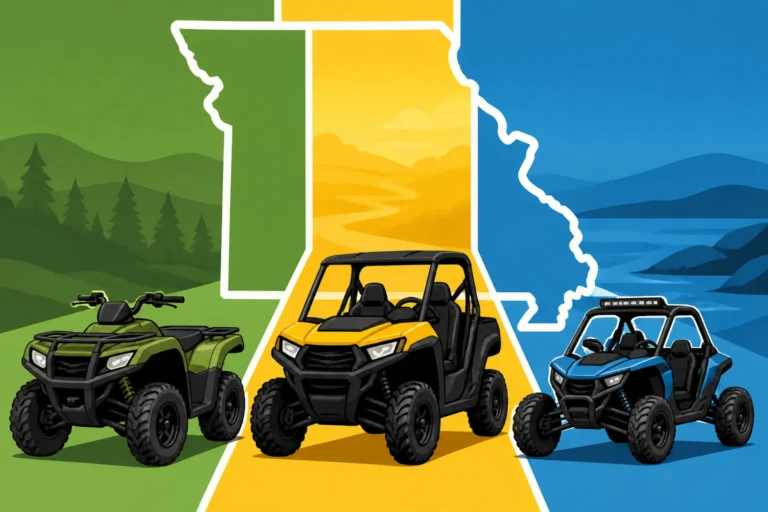
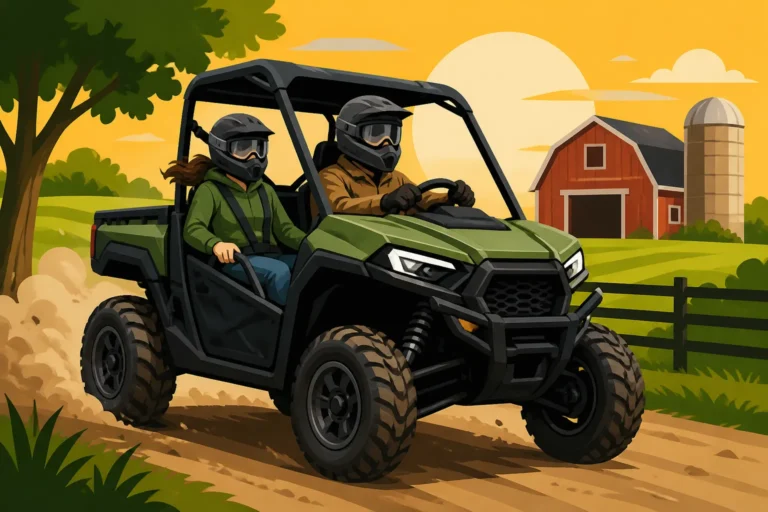
For side-by-sides (UTVs or ROVs), the situation is different. These machines are designed with multiple seats and seatbelts, making them suitable for passengers. However, even with UTVs, specific rules still apply regarding who can operate them on public land and ensuring all passengers are properly seated and belted. The supervisor’s role is to ensure that everyone, including children, is properly secured and understands the safety protocols of the specific machine. Always read and adhere to the guidelines posted at the specific riding area you visit, as local rules can sometimes add additional layers of protection for young passengers.
| Aspect | Private Land (General) | Missouri State Parks (e.g., St. Joe, Finger Lakes) |
|---|---|---|
| Minimum Age to Ride | No explicit state-wide minimum; parent discretion. | Often 12 and under restricted to youth areas; adult supervision mandatory. |
| Supervisor Required | Highly recommended for safety; usually parental. | Yes, absolutely mandatory for minors. |
| Supervisor Age | Typically 18+ (parent/guardian). | 18+ and must be present and attentive. |
| Helmet Requirement | Not state-mandated for private land, but strongly advised. | Mandatory for all riders under 18. |
| Passenger Restrictions | At parent's discretion, but generally unsafe on ATVs. | No passengers allowed on single-rider ATVs, even for children. |
| Safety Course | Recommended, but not required. | Not required for entry, but highly beneficial for skill/safety. |
The Serious Consequences of Neglecting Supervision Rules
Ignoring Missouri's supervision rules for minors, whether due to lack of awareness or outright disregard, carries significant risks. It's not just about avoiding a ticket; it's about safeguarding young lives and ensuring the longevity of ATV riding opportunities for everyone. The repercussions can range from tragic accidents to legal troubles and the loss of access to riding areas.
The Grave Safety Risks for Unsupervised or Improperly Supervised Youth
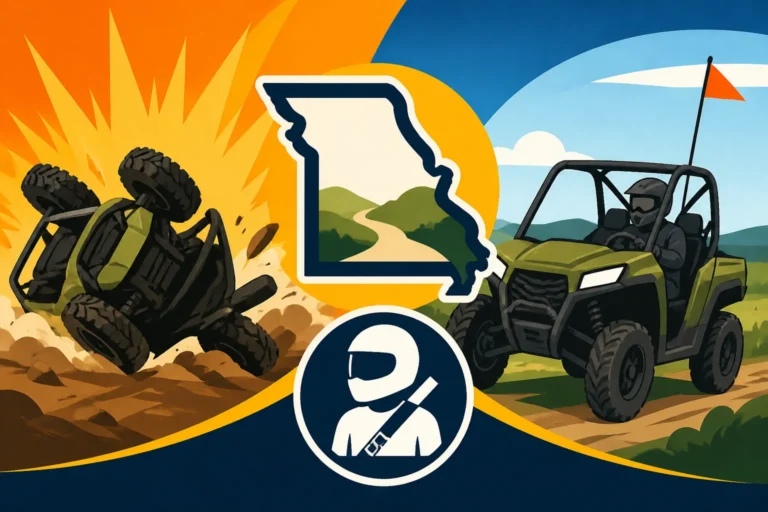
The most immediate and heartbreaking consequence of inadequate supervision is the heightened risk of serious injury or even fatality for the young rider. ATVs are powerful machines, and while incredibly fun, they demand respect and skill. Without proper guidance, children are more likely to attempt maneuvers beyond their skill level, ride too fast for conditions, or encounter hazards they haven't been taught to identify. Common accident scenarios include rollovers, collisions with obstacles, and losing control on uneven terrain. A child operating an ATV that is too large for them is particularly vulnerable, as they may lack the strength to steer effectively or hold on during bumps.
Improper supervision also means a lack of immediate intervention. If a child gets into trouble, an absent or inattentive supervisor cannot quickly render aid or prevent a minor mishap from escalating into a serious accident. This isn't just speculation; statistics consistently show that a significant percentage of ATV-related injuries involve children, and many of these incidents can be linked back to a lack of proper supervision or training. As parents, ensuring constant, vigilant oversight is the single most effective way to protect our young riders.
Potential Legal Ramifications for Parents, Guardians, and Landowners
Beyond the devastating personal toll of an accident, neglecting supervision rules can open the door to a host of legal problems. While Missouri’s statutes don't always outline specific penalties solely for "inadequate supervision" on private land, if an accident occurs, parents or guardians could face civil liability for negligence. This means if your child is injured, or injures someone else, or damages property while unsupervised, you could be held financially responsible. Lawsuits can be costly, lengthy, and emotionally draining.
On public lands, the legal consequences are more direct. Violating park rules, such as not wearing a helmet when required or riding in a restricted area, can result in citations and fines. Park rangers and law enforcement officers are empowered to issue tickets for these infractions. Repeated violations, or particularly egregious ones, could even lead to being banned from certain riding areas. While the fines themselves might not always be staggering, the impact on your wallet and your future access to public trails can be significant. It's a reminder that rules exist for a reason, and ignoring them has tangible repercussions.
Ensuring Compliance to Protect Riding Privileges and the Future of the Sport
Every time a rule is broken or an accident occurs due to negligence, it casts a shadow over the entire ATV community. Local communities and policymakers often respond to safety concerns by enacting stricter regulations, imposing new bans, or even closing trails. This means that failing to comply with supervision rules doesn't just put your own child at risk; it jeopardizes the riding opportunities for everyone in Missouri. When parks or forest service areas see high rates of accidents or non-compliance, they are less likely to open new trails or keep existing ones accessible.
By diligently adhering to all supervision rules, wearing proper gear, and ensuring our young riders are well-trained, we contribute positively to the perception of ATV riding as a responsible and family-friendly activity. This collective effort is vital for preserving access to the diverse and exciting [Where to Ride an ATV in Missouri] that our state offers. It’s about being good stewards of the sport and showing that we can enjoy these powerful machines safely and respectfully, thereby securing a future for young riders for generations to come.
Empowering Young Riders: Best Practices for Effective Supervision in Missouri
Effective supervision goes beyond just being present; it's about being proactive, teaching, and leading by example. Setting your young rider up for success means focusing on the right equipment, gradual skill development, and clear, consistent communication. These best practices will not only help you meet Missouri's supervision requirements but also foster a love for riding that is rooted in safety and responsibility.
Choosing the Right Machine and Essential Safety Gear
One of the most critical aspects of supervising a young rider is ensuring they have the right equipment. This starts with the ATV itself. Resist the urge to buy a machine your child can "grow into." An ATV that is too powerful, too heavy, or too wide for a child can be incredibly difficult to control, dramatically increasing the risk of an accident. Look for youth models specifically designed for their age and size. Manufacturers provide age recommendations for their machines, and these are based on safety research, not just marketing.
Beyond the machine, invest in a complete set of quality safety gear. This isn't an area to cut corners. As we’ve covered, a DOT-approved helmet is paramount, especially for those under 18 riding on public lands. Combine this with impact-resistant eye protection (goggles are generally better than sunglasses for debris), sturdy over-the-ankle boots, gloves, and long pants/sleeves made of durable material. You can find excellent gear options from reputable brands. Whether it's a helmet, chest protector, or reinforced riding apparel, equipping your child from head to toe in protective gear is non-negotiable for their safety.
Progressive Training and Creating a Safe Riding Environment
Effective supervision is a continuous training process. Don't just hand over the keys; guide them step-by-step. Start in a safe, open, and flat area, like a large pasture or a designated training zone. Teach the absolute basics first: how to start and stop smoothly, how to turn gradually, and how to maintain a safe speed. Once they master these fundamentals, you can progressively introduce more challenging elements like slight inclines, gentle turns, and small obstacles. Always walk the trail first if you're unfamiliar with it, pointing out potential hazards and discussing how to navigate them.
Supervisors should lead by example. Always wear your own safety gear, follow all rules, and demonstrate responsible riding habits. This teaches your child far more than any verbal instruction. Consider enrolling your child in an [ATV Safety Course Options] to supplement your own teaching. These courses provide professional instruction in a controlled environment, reinforcing good habits. The goal is to build skills and confidence gradually, ensuring that each new challenge is met with preparedness, not fear or recklessness. This creates a positive learning experience and a safe foundation for future rides.
Fostering Communication and Setting Clear Expectations
Open and honest communication is the bedrock of effective supervision. Before every ride, sit down with your child and review the rules for the day. Discuss the specific terrain, any potential hazards, and what you expect from them. Explain why certain rules exist – for their safety, for the preservation of the trails, and for the enjoyment of everyone. Establish clear hand signals or verbal cues for "stop," "slow down," or "watch out." Make sure they know they can always come to you with questions or if they feel uncomfortable with a situation.
It's also crucial to set clear boundaries and consistently enforce them. If a rule is broken, there should be a clear and understood consequence, whether it's a timeout, an early end to the ride, or a temporary suspension of riding privileges. This teaches accountability and the importance of respecting boundaries. Remind them that riding an ATV is a privilege, not a right, and that responsible behavior is key to maintaining that privilege. By fostering this kind of open dialogue and firm yet fair expectations, you’re not just supervising them; you’re empowering them to become responsible and safe riders for life.
Disclaimer
This article is for general informational purposes only and does not constitute professional advice. Laws, prices and regulations vary by location and change over time. Consult a qualified professional for guidance on your specific situation.