Why Missouri Sells No Annual Park Pass
Missouri riders looking for one annual pass to cover ATV and UTV use at state parks may find that the permit system works differently: access is generally tied to a ride, machine, and location. Here’s what that means, why a statewide annual park pass is not the option to plan around, and how to choose the right permit without confusing parks with national forest trails.
What “no annual park pass” means for ATV and UTV riders
The short answer is that Missouri’s state park off-road vehicle permits are structured around individual riding days, not a single annual pass that covers a season of ATV or UTV use across state parks. A permit may cover a defined period or visit, depending on the site’s rules, but riders should not assume that buying one pass will cover repeated trips throughout the year.
That distinction matters because “park pass” can mean several different things. A general park entry pass, a camping reservation, an off-road vehicle permit, and a trail permit are not interchangeable. This article is about permits for riding an off-road vehicle on designated Missouri state park riding areas. It is not a statement that every Missouri state park charges for ordinary entry or that no annual permit exists anywhere in the state.
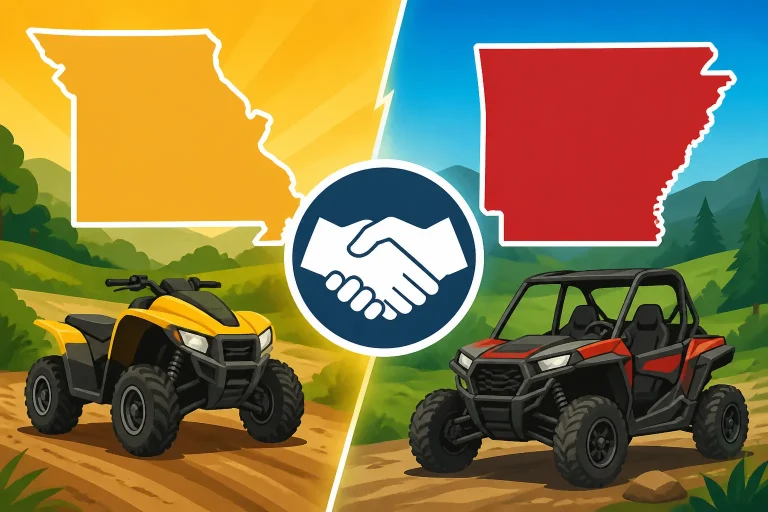
A rider may also encounter annual permits for a different place or agency. For example, an annual permit associated with Chadwick is not automatically a Missouri state park annual pass. Chadwick is managed as a national forest riding area, and its permit rules are separate from state park rules. A permit for one system should not be treated as valid in another.
| What you want to do | Permit question to check |
|---|---|
| Ride an ATV at a Missouri state park riding area | Is a state park ORV permit required for this machine and date? |
| Ride a UTV or side-by-side at a state park | Does the site issue a separate permit category for this machine type? |
| Ride Chadwick or another national forest area | What permit does the managing forest require? |
| Visit a park without riding an ORV | Are there separate rules for entry, camping, or other activities? |
| Ride several times in one season | Does the specific riding area offer a multi-day option, or will each visit need its own permit? |
The practical takeaway is simple: plan by riding destination and riding date, not by searching for one statewide annual ORV pass. Before you pay, verify that the permit covers the right location, machine type, and dates. For a broader overview of the permit systems, see Missouri ORV Permits Explained.
Why the state park permit is organized around visits
Missouri’s state park ORV permits are tied to use at particular riding areas. That makes them different from a broad vehicle registration decal or a pass that provides recurring access to many locations. A rider buys access for a visit or defined period, then checks whether the permit applies to the machine and site they plan to use.
It is tempting to assume there must be a single official reason Missouri does not sell an annual state park ORV pass. Unless the managing agency gives a specific explanation, it is more accurate not to present a guess as policy. The permit structure itself does offer a few practical clues about why a visit-based system can make sense.
Riding demand is concentrated at specific sites
Not every state park is an ORV riding area. The permit is relevant only where riding is allowed, and different sites may have different facilities, routes, operating rules, and capacity. A statewide annual pass could suggest broad access that does not exist. A visit-based permit makes the link between payment and a particular riding opportunity more visible.
The system also gives riders a reason to check site conditions before setting out. A trail can be closed, a riding area can have limits, and operating hours can vary. Having a permit does not guarantee that a route will be open on the day of the visit. Check Missouri Trail Conditions Before You Ride and Missouri Trail Closures to Check First before loading the machine.
The vehicle category affects the permit
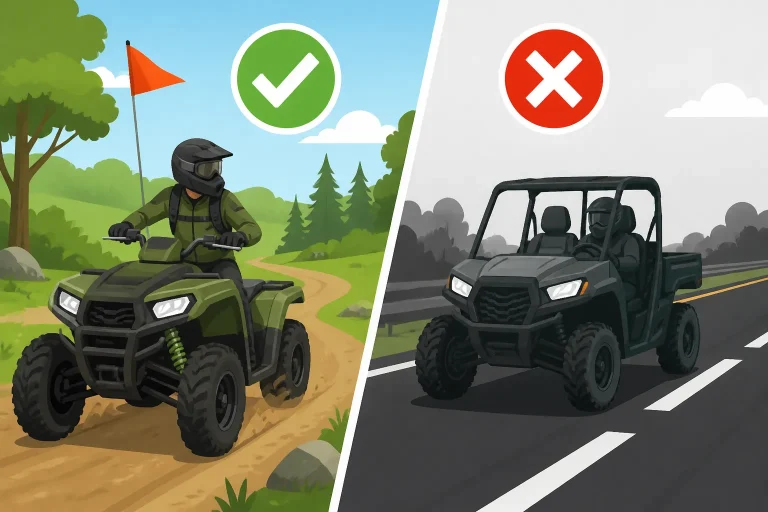
ATVs and UTVs are not always treated as the same type of machine for riding permits. A side-by-side can fall into a different permit category from a quad, and width restrictions may apply at particular sites. That makes a single simple annual price less straightforward: the system must account for different machines and the locations where they are permitted.
Before buying, confirm how the riding area classifies your machine. Do not rely only on a seller’s description such as “ATV,” “quad,” or “side-by-side.” The machine’s design and measurements can matter. The site’s permit information should tell you which category to select. If your machine is wide, check 64 Inches at a Missouri State Park and the applicable trail-width rules before you travel.
Park access and trail access are separate questions
A state park may offer camping, other recreation, and ORV riding, but those activities do not necessarily share one permit. A camping reservation is not an ORV permit, and a machine’s registration decal does not automatically pay for access to a riding area. The permit is for the riding activity under that site’s rules.
That separation can feel inconvenient if you are used to buying a single annual recreation pass elsewhere. But it reduces the chance of treating a general pass as authorization to ride where ORVs are restricted. It also makes it easier to distinguish a park’s rules from the rules of a forest, conservation area, private riding park, or local road.
A useful comparison is Does Your Decal Cover the Park Trail Permit?. The question is worth asking before every trip, especially if your machine has a Missouri registration decal or an out-of-state decal that you already use elsewhere.
How state park permits differ from annual forest permits
The lack of a state park annual ORV pass does not mean Missouri has no annual off-road permit of any kind. It means the permit you may have heard about could belong to a different riding area and agency.
Chadwick is a useful example. Riders may see an annual permit option associated with that area, as well as permits covering shorter visits. Those options belong to the Chadwick permit system. They do not become valid at a state park just because both are public riding destinations in Missouri. Likewise, a state park permit should not be assumed to cover a national forest trail.
| Feature | State park ORV permit | National forest riding permit |
|---|---|---|
| Managing system | Missouri state park rules | Forest rules for the specific riding area |
| Typical permit basis | A visit or defined riding period | Options can include shorter periods and, in some areas, an annual permit |
| Where it is valid | The state park riding location and permitted activity | The designated forest area covered by that permit |
| Machine categories | Confirm the site’s categories and limits | Confirm the forest’s categories and local requirements |
| Does it transfer to the other system? | Do not assume so | Do not assume so |
This distinction is important for a rider planning several trips. If most outings are at one forest area, an annual forest permit may be worth comparing with repeated shorter permits. If rides are spread between state parks, a national forest, and private parks, each destination may have its own access process. The cheapest-looking pass is not a bargain if it does not apply to the place you ride.
For Chadwick-specific questions, see Missouri’s $60 Chadwick Annual Permit, Where Chadwick Permits Are Sold, and Does a State Park Permit Work at Chadwick?. For a separate overview of forest permits, Missouri Forest Permits Through Recreation.gov can help clarify that process. Always verify current terms with the agency responsible for the destination.
Do not confuse an annual permit with vehicle registration. Missouri registration, where applicable, is a separate legal requirement, and a registration decal does not serve as a riding-area permit. Likewise, an out-of-state registration or decal does not automatically provide access to a Missouri ORV trail. See Does Missouri Honor Out-of-State Registration? for the separate reciprocity question.
How to plan several rides without an annual state park pass
If you ride often, the absence of a statewide annual park pass does not prevent you from building a predictable season budget. It does mean you should count each permit system separately and check the rules before you buy.
1. List the riding areas you will actually visit
Start with a short list of destinations rather than choosing a pass first. Mark which are state parks, national forest areas, private parks, or other public lands. Those distinctions determine whose permit rules apply.
A trip that combines two public riding areas may involve two permits. A pass purchased for one destination does not necessarily cover the next one, even if the locations are close together. Include the permit cost and purchase method for each site in your trip plan.
2. Count likely riding days, not just weekends
Estimate how many days you are realistically likely to ride at each location. Separate day trips from trips where the permit may cover more than one day. Check whether the permit clock is based on calendar days, consecutive days, or another period; do not infer this from the phrase “three-day permit.”
This comparison is especially useful if you are deciding between individual visits and an annual permit at a forest riding area. Divide your expected trips by destination and compare the available options there. A permit that looks economical for frequent use at one site may not help if most of your riding happens somewhere else.
3. Confirm the permit class for your machine
Check whether the riding area distinguishes ATVs from UTVs or side-by-sides. Confirm any size or width limits before purchasing a permit, since a permit alone cannot make an ineligible machine fit a trail’s rules. Riders with a wider machine should investigate access restrictions early, not after hauling to the entrance.
If you rent, ask who is responsible for the permit and whether it is included in the rental arrangement. Never assume that the rental price includes trail access. The permit requirement may depend on the site and machine, so verify it with both the rental provider and the riding-area operator.
4. Check operating conditions before paying
Permits and trail access are not the same thing as a guarantee that trails will be open. Weather, maintenance, seasonal restrictions, and other conditions can affect riding. Review the official site notice close to departure, especially after heavy rain or a storm.
Some permits may be nonrefundable or nontransferable. That makes checking the closure notice before buying particularly important. If you are unsure what happens when a trail closes after purchase, ask the permit issuer before paying rather than relying on a general assumption.
5. Keep proof accessible
Save the permit confirmation and any instructions about displaying or showing it. Keep a copy where you can retrieve it at the trailhead, but follow the site’s actual directions for carrying or displaying proof. A phone screenshot can be useful, but do not assume it replaces a required physical permit or decal.
Also keep your vehicle registration documents separate from the riding permit. They answer different questions. A registration document concerns the machine under the applicable state system; the ORV permit concerns permission to use a particular riding area.
For a broader season budget, see Budgeting a Missouri Riding Season and Paying Into Two Permit Systems in One Season. If you are comparing state parks with other destinations, Choosing a Missouri Private Park Over a State Park explains why access costs and rules can vary by operator.
What to verify before buying a permit
Permit details can change, and there is no benefit to relying on an old receipt, a forum post, or an assumption based on another park. Use the information from the agency or riding-area operator responsible for your destination. Confirm these points before payment:
- Location: Does the permit name the exact park or riding area you plan to visit?
- Dates: What dates or riding period does it cover, and when does that period begin?
- Vehicle: Is your ATV, UTV, or other machine in the eligible category?
- Size: Are there width, weight, or other machine restrictions on the trails?
- Rider requirements: Are there age, supervision, helmet, or passenger rules that apply?
- Purchase method: Can you buy online, at the entrance, or through an authorized seller?
- Proof: Must the permit be displayed on the machine, carried by the rider, or shown on request?
- Refunds and transfers: What happens if the trail is closed or your plans change?
- Other permits: Is a separate registration decal, forest permit, or local authorization required?
The most common mistake is treating a permit as a universal pass. The word “Missouri” on a permit does not mean it covers every public trail in the state. A state park permit, a Chadwick permit, a vehicle registration decal, and permission from a private landowner all have different purposes.
Another common mistake is buying an annual permit because the riding area is public, without checking which public agency manages it. “Public land” is not one unified permit system. State parks, national forests, conservation lands, and other properties can set different rules. In some places, riding may not be allowed at all, regardless of whether you have a permit for another site.
If an official page is unclear, contact the managing office and ask a direct question: “I have this machine, I plan to ride at this location on these dates, and I am considering this permit. Does it cover that use?” That is more reliable than asking whether a pass is “good in Missouri,” which may mean several different things.
Also check the access rules beyond the permit. A valid permit does not excuse riding a closed trail, exceeding a machine-width limit, ignoring safety requirements, or using an unapproved route to reach the area. Read the trailhead information when you arrive, and follow any closures or instructions posted there.
Frequently Asked Questions
Can I buy one annual pass for all Missouri state park ATV trails?
Do not plan on a single annual state park ORV pass covering repeated rides statewide. Missouri state park riding permits are visit- or period-based, and the details depend on the site. Confirm the current options for each riding area before buying.
Does a Chadwick annual permit work at a Missouri state park?
No. A permit for Chadwick belongs to its own riding area and permit system. It should not be treated as a state park permit. Check the rules for the destination where you intend to ride.
Does my Missouri registration decal cover state park trail access?
No. Registration and trail access are separate. A registration decal does not automatically pay for an ORV permit or authorize riding at a particular park.
Is there any annual permit option in Missouri?
Annual permit options may exist for particular riding areas, including some forest systems. That does not create a statewide annual state park pass. Check the managing agency for the specific destination and verify the current permit terms.
What should I do if a trail is closed after I buy a permit?
Check the issuer’s current refund, transfer, or closure policy before purchasing. Permit rules vary, and a closure does not automatically mean a permit will be refunded or extended.
Disclaimer
This article is for general informational purposes only and does not constitute professional advice. Laws, prices and regulations vary by location and change over time. Consult a qualified professional for guidance on your specific situation.