Missouri State Park UTV Permit Cost
A UTV ride at a Missouri state park involves a trail-access permit in addition to any registration or decal your machine may need. The listed state-park day permit for a UTV is $10, but the fee is only one part of planning: machine width, park rules, permit validity and current availability all matter.
What a Missouri State Park UTV Permit Costs
The listed Missouri state-park day permit for a UTV costs $10. It is a park trail-access fee, not a purchase of a state registration decal or a substitute for paperwork required elsewhere. For context, the listed day permit for an ATV is $6. Missouri charges more for a UTV permit than an ATV permit; Why Missouri Charges More for a Side-by-Side explains the distinction.
Treat the $10 as a per-day permit figure, not an annual registration cost or a season pass. If you plan to ride on more than one day, check how the available permit options apply to your dates and machine. A multi-day option may be available through the state’s permit process, but confirm the current choices and total before paying. Buying a Missouri Permit Online for Three Days covers the multi-day option.
The fee can change, and the trail-access rules can vary by site. Before loading, verify the current price and requirements with the official Missouri State Parks information for the riding area you intend to visit. Check whether the area is open to your type and width of UTV, how permits are sold, and whether closures or other restrictions are in effect.
| Cost or requirement | What it means for a UTV rider |
|---|---|
| $10 day permit | The listed state-park day permit cost for a UTV; confirm the current amount before your ride |
| Permit duration | A day permit is for park trail access for the stated period, not ongoing registration |
| Machine category | A UTV is not priced as an ATV simply because both are off-road machines |
| Machine width | A permit does not override a trail or park width limit |
| State registration or decal | A separate requirement where applicable; it is not replaced by the park permit |
| Park availability | Access depends on the site’s rules, operating status and current trail conditions |
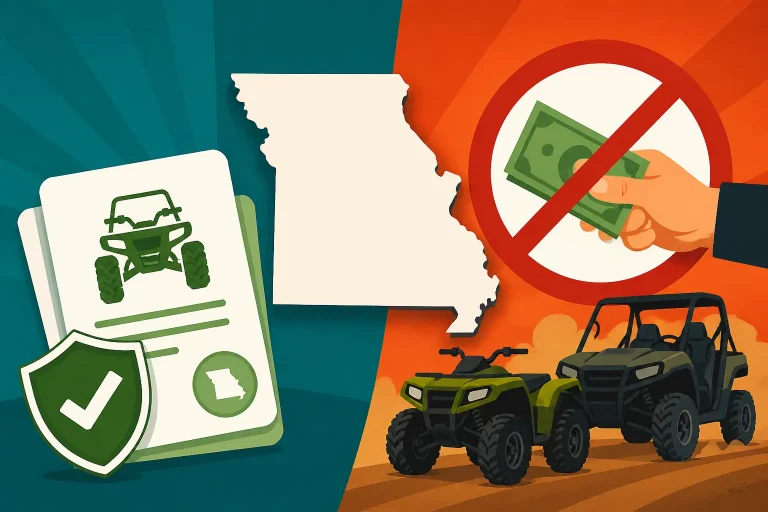
It is useful to separate three expenses that can sound similar: state titling, state registration or decals, and park trail permits. A title documents ownership. A state decal or registration applies under a different system, where required. The park permit pays for access to designated off-road riding areas. Missouri ORV Permits Explained gives a broader overview of the permit system, while Does Your Decal Cover the Park Trail Permit? addresses why one credential does not automatically cover the other.
Do not assume the $10 is the full cost of a riding day. You may also have travel costs, fuel, food, camping or lodging expenses, and any fees the park or campground charges for separate services. Those are not part of the UTV trail permit, and their amounts depend on the trip and the site.
What the Permit Covers and What It Does Not
A state-park UTV permit is for riding access under the park’s rules. It is not permission to ride any public road, forest trail or private property in Missouri. A park permit should be understood as site-specific access, not a statewide road-use license.
That distinction matters because Missouri uses different systems for different places. A state park may require its own off-road permit. A national forest may have a separate permit process. A private riding area may set its own admission and machine rules. And a public road has its own restrictions, which are not waived by paying for a park permit. Before changing locations, check the requirements for each one rather than carrying over assumptions from the previous site.
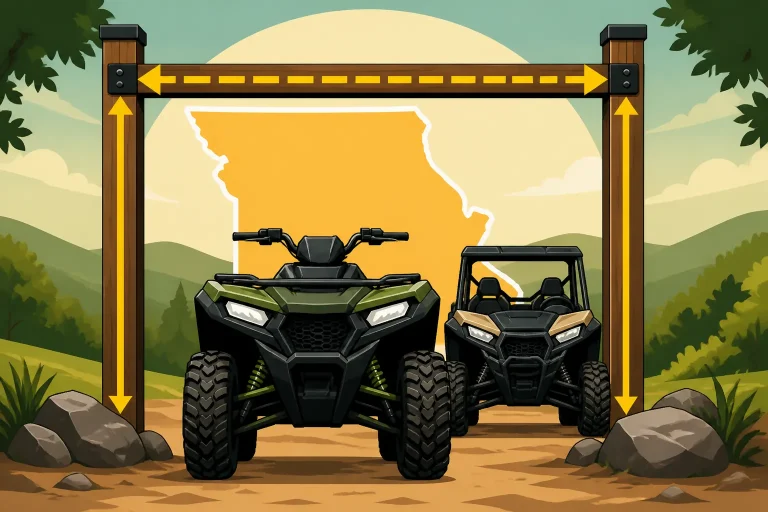
A state park permit also does not automatically make a machine eligible for every trail. The park may set a maximum width, require specific safety equipment, limit riding to marked routes, or close trails temporarily. If your UTV is too wide for a trail system, buying the permit does not create an exception. For this reason, verify the machine’s measured width and the destination’s limit before purchase. 64 Inches at a Missouri State Park explains the width measurement issue, and Why Wider Machines Pay More discusses why vehicle categories and width can affect access and cost.
The UTV permit is also not a replacement for a title, registration decal, insurance or road permit when those are separately required. Those requirements depend on the machine and how it will be used. A park trail permit does not make a UTV street legal, and it does not authorize riding to the park on public roads. If your trip includes public-road use, look into the rules for that specific use separately.
Permit conditions can include limits on where and when you ride, whether the permit is tied to one machine, and whether a purchased permit can be refunded or transferred. These details are important if plans change or if you are bringing more than one UTV. Do not assume a permit bought for one vehicle can be shifted to another. Review the current terms before checkout; Why You Cannot Give Your Permit to Someone Else explains why transferability is worth checking.
Before you pay, make sure you have the right permit category. A UTV or side-by-side is not necessarily treated as an ATV for fee purposes. If the online purchase page uses vehicle categories, choose the one that accurately describes your machine. If it is unclear whether your machine falls under the UTV category, ask the park or the permit provider before buying rather than relying only on the model name or a seller’s description.
How to Check the Right Permit Before You Ride
A quick check before departure can prevent paying for a permit that does not fit your vehicle or destination. Use this process:
- Choose the riding area first. Confirm that the park has designated off-road trails and that those trails are open to UTVs. A park permit is not general admission to every route or property managed by the state.
- Check the UTV’s actual width. Use the measurement method required by the park, and compare it with the site’s current limit. Width can determine whether your machine is allowed on a trail.
- Confirm the permit category and dates. Make sure the permit is for a UTV and covers the day or days you plan to ride. If you are buying several days at once, verify how the validity period works.
- Review the purchase and use conditions. Check whether the permit is tied to a particular machine, whether it can be changed or refunded, and what proof you need to show at the park.
- Check the park’s operating information again before leaving. Trails can close because of maintenance, weather or other site conditions. A paid permit does not guarantee every route will be open.
- Keep proof accessible. Follow the provider’s instructions for displaying or presenting the permit. If the process allows a phone-based record, keep it available; if a printed or displayed permit is required, prepare that before arriving.
The right place to buy can depend on the park and permit type. Check the official state-park instructions before assuming you can purchase at the gate or at a nearby office. Where to Buy a Missouri ORV Permit covers the purchase question in more detail. If the purchase is online, save the confirmation and review any instructions about displaying the permit or attaching it to the machine.
Planning for more than one UTV? Check whether each machine needs its own permit. A group reservation, camping reservation or permit for one machine should not be treated as coverage for the entire group unless the terms explicitly say so. Likewise, don’t assume that a state park permit for one date covers a later visit or a different park.
If you are bringing a machine registered in another state, separate the visitor’s registration question from the park permit question. A nonresident decal or registration may matter for some types of riding, but it does not necessarily replace the state-park trail permit. Check the rules for both the machine and the destination. Does Missouri Honor Out-of-State Registration? and [Missouri ORV Permit for a Visitor] can help you sort out those separate questions.
Budgeting for a UTV Riding Day
For a simple estimate, start with the listed $10 UTV day permit, then add the costs that apply to your trip. The park permit itself is usually the easiest amount to identify; transportation and overnight plans can account for much more of the total budget.
If you expect to ride on multiple days, compare the applicable day-permit choices with your schedule. Check the validity period carefully: a permit described as multi-day may cover a defined consecutive period, rather than separate visits on dates you choose. Do not pay for extra days until you understand how the permit dates work.
Also budget for expenses that the trail permit does not include:
- Fuel for the UTV and tow vehicle
- Food, water and supplies
- Camping or lodging, if needed
- Any separate entrance, parking or reservation charge that applies at the location
- Protective gear or equipment required by the park
- The cost of changing plans if the destination closes or your machine does not meet the trail rules
A sensible approach is to check the park’s official page, confirm the current UTV fee, and then purchase only after confirming the machine is permitted on the trails you want to ride. Keep the permit confirmation with your trip documents, and check for closures again before leaving home. If the fee or access rules are unclear, contact the park rather than guessing from an older post, receipt or another rider’s experience.
The main takeaway is straightforward: the listed Missouri state-park UTV day permit costs $10, but that does not guarantee access to every trail or cover other legal and trip expenses. Confirm the current fee, your machine’s width, the permit terms and the destination’s status before you head out.
Disclaimer
This article is for general informational purposes only and does not constitute professional advice. Laws, prices and regulations vary by location and change over time. Consult a qualified professional for guidance on your specific situation.