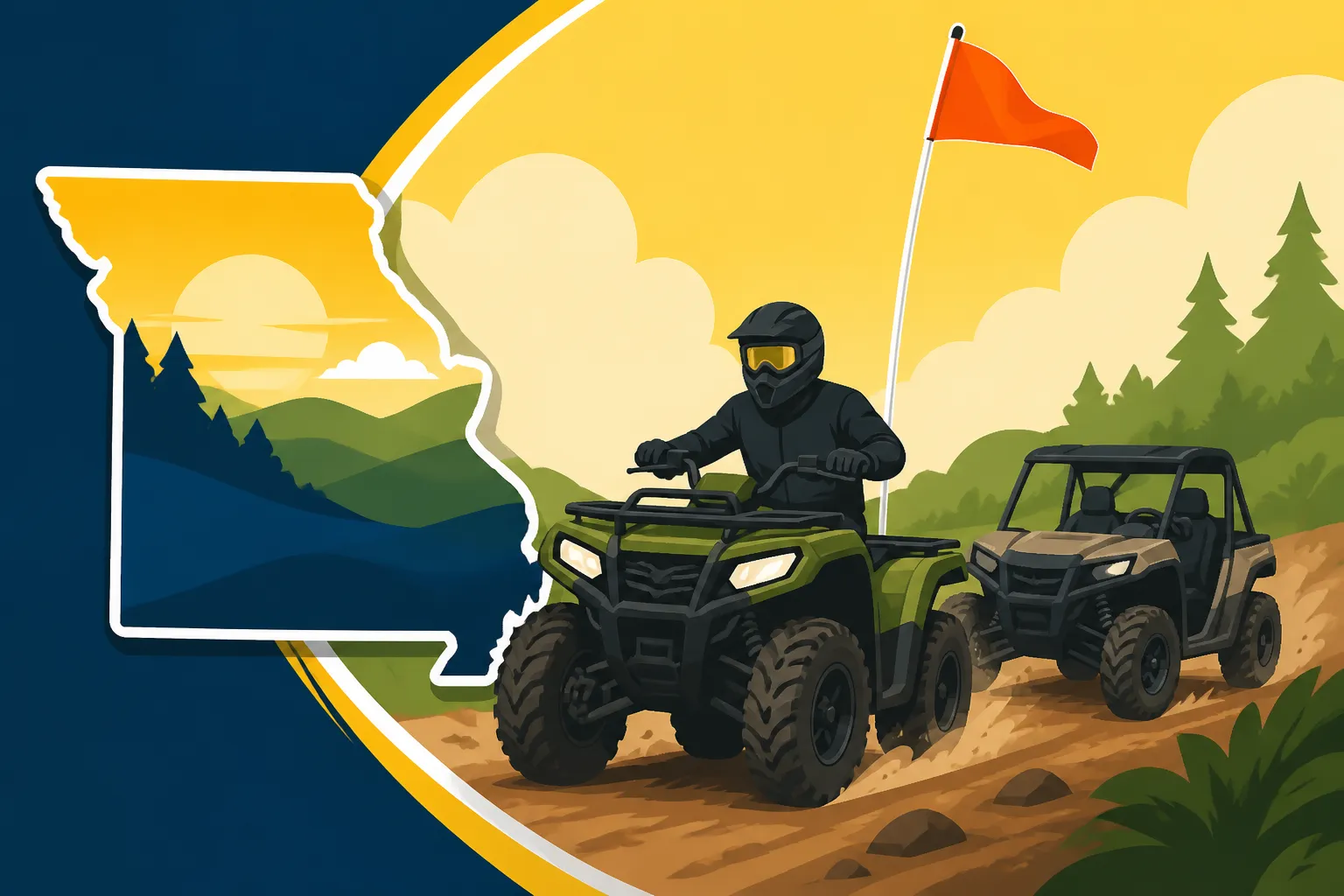
Missouri’s 7-Foot Safety Flag
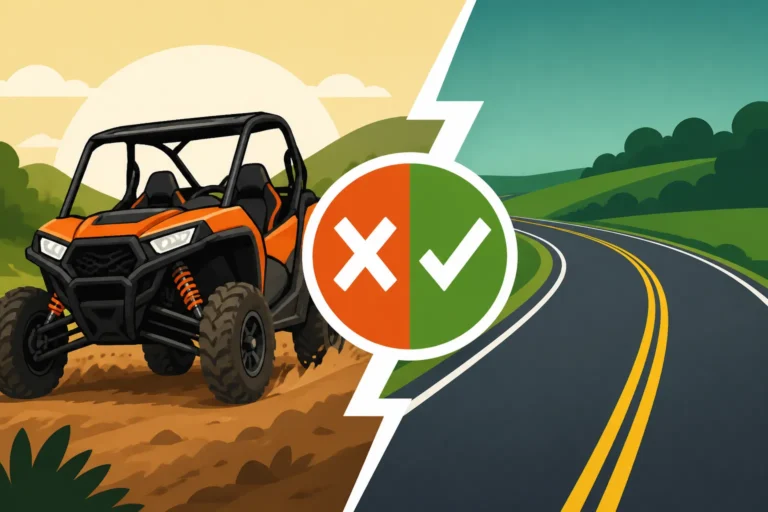
You've just bought that shiny new UTV, or maybe you've had your trusty side-by-side for years, and the thought of hopping on it to run down to the hardware store or visit a neighbor across the county road without the hassle of a trailer is incredibly appealing. However, Missouri's rules for driving these machines on public roads are a maze of specific requirements, and one of the most talked-about – and often misunderstood – is the 7-foot safety flag. This guide will meticulously break down why this flag is essential, what it needs to look like, where it needs to be, and how to stay compliant without feeling like you need a law degree.
Why a 7-Foot Safety Flag is Even a Thing in Missouri
Let's be honest, seeing a tall flag waving from the back of a UTV might seem a bit over-the-top to some. You might think, "My machine is bright orange, I have headlights, why do I need a giant flag?" The frustration is understandable. Many folks feel like it's just another hoop to jump through. But Missouri isn't alone in this requirement, and there's a very practical, safety-driven reason behind it that directly addresses the unique characteristics of a recreational off-highway vehicle (ROV), which is what the state calls your typical side-by-side when it's operating under road-legal conditions.
The Core Intent Behind the Height Requirement
The primary goal of the 7-foot safety flag is simple: visibility. When you're driving a UTV on a public road, especially one with hills, curves, or even just heavy traffic, your machine can sit much lower to the ground than a typical car or truck. Think about it: a standard pickup truck or SUV has a roofline that easily clears most sightlines. Your side-by-side, while impressive, might not. This height difference can make it incredibly difficult for other drivers, particularly those in larger vehicles like semi-trucks, agricultural equipment, or even taller SUVs, to see you coming over a rise or around a bend.
Imagine you're cresting a hill on a two-lane county road. A driver approaching from the opposite direction might not see your UTV until it's much closer than they would a full-sized vehicle. That brief moment of obscured vision can lead to dangerous situations, especially if they're traveling at higher speeds or trying to pass another vehicle. The 7-foot flag, extending well above the roofline of your UTV and potentially above the sightline of other vehicles, acts as an early warning system. It's designed to catch the eye of drivers who might not otherwise spot your lower-profile machine until it's too late. It’s about giving every driver on the road as much warning as possible, ensuring everyone has ample time to react and share the road safely.
The Visibility Challenge of Off-Road Vehicles on Paved Roads
Off-road vehicles, by their very design, are built for performance on challenging terrain, not necessarily for blending in with highway traffic. They often have aggressive tires, smaller footprints than traditional vehicles, and a driving position that places the operator lower to the ground relative to surrounding traffic. These characteristics, while perfect for hitting the trails or working on the farm, present distinct visibility challenges when transitioning to paved roads.
Consider a sunny afternoon drive. The glare off the road, the shadows cast by trees, and even the sheer volume of other visual information can make it tough to pick out a UTV. Its smaller overall profile, compared to a car, means there's less surface area to reflect light or draw attention. Furthermore, the typical bright colors often seen on UTVs might stand out in a forest, but on a busy road, they can easily get lost in the visual clutter. The flag, with its specific dimensions and material requirements, is intended to cut through this visual noise. It creates a distinct, high-reaching marker that signals the presence of a smaller vehicle that might otherwise be overlooked. It's less about the UTV itself being hard to see, and more about the context of road traffic making it easily missed. This is especially true on rural roads where people might not expect to encounter a side-by-side.
Unpacking Missouri's Road-Legal UTV Requirements
Navigating the rules for driving your UTV on Missouri roads can feel like you need a special decoder ring. It's not as simple as just slapping a license plate on it and heading out. Missouri has very specific categories for off-highway vehicles, and the rules for road use are largely centered around what it calls a "Recreational Off-Highway Vehicle" (ROV), which is the legal classification for most side-by-sides. If you own an ATV, your options for road use are far more limited. For ROVs, however, there are pathways to legal street use, but they come with a laundry list of equipment requirements, the 7-foot flag being a prominent one. Understanding these overarching rules helps put the flag requirement into its proper context.
The Three-Mile Rule and Special Permits
One of the most common pathways for UTVs to legally hit Missouri roads is through what's often referred to as the "three-mile rule" or by obtaining a special permit from local municipalities. The three-mile rule generally allows ROVs to be operated on the shoulders or extreme right-hand side of state highways for a distance not exceeding three miles from the operator's residence to access a trail, hunting, fishing, or trapping area, or for agricultural purposes. It's not a free pass to drive anywhere, anytime. It's a very specific, limited use.
Beyond the three-mile rule, many cities and counties in Missouri have enacted ordinances that allow ROVs on their local streets, often requiring a special permit. This is where things get really localized. What's allowed in one town might be completely forbidden in the next. These local permits almost universally come with a set of equipment requirements designed to ensure safety, and the 7-foot flag is nearly always on that list. You can learn more about this by checking out [Missouri's 3-Mile Rule for Side-by-Sides] and [Missouri's Special Permit for Road Use]. It's crucial to remember that these permits usually apply only to the jurisdiction that issues them; your permit from Harrisonville, for example, won't necessarily make you legal on the streets of Lake Ozark.
What Makes a UTV Different from an ATV in Missouri Law
Missouri law is very clear about distinguishing between an All-Terrain Vehicle (ATV) and a Recreational Off-Highway Vehicle (ROV), and these distinctions are fundamental to understanding road use rules. While both are off-highway vehicles, their design characteristics lead to different legal treatments, especially when it comes to riding on public roads. This separation is key to why one might need a flag and the other has virtually no options for road travel outside very specific agricultural exceptions.
An ATV, as defined in Missouri, is typically a motorized vehicle that is 50 inches wide or less, has an engine size of at least 50cc, and is designed to travel on three or more wheels with an operator straddling a seat and steering with handlebars. Think of your traditional quad. Because of their narrower stance, straddle seating, and handlebar steering, ATVs are generally considered less stable for on-road use and are usually prohibited from public roads except for crossing or very limited agricultural access. You can dive deeper into the state's definitions with [Why Missouri Splits ATVs, UTVs and ROVs].
An ROV, or UTV as it's commonly known, is defined as a motorized vehicle that is 65 inches wide or less, has an engine size of at least 50cc, is designed to travel on four or more wheels, and is designed for an operator and passenger(s) to ride side-by-side in a non-straddle seat, with a steering wheel and roll bar. Because ROVs have a steering wheel, side-by-side seating, and often a roll cage, they are viewed by the state as having certain safety features that make them more amenable to limited road use under strict conditions. It is this distinction that allows for the three-mile rule and local permits for ROVs, and consequently, why the safety flag requirement is tied almost exclusively to them.
The Nitty-Gritty of Safety Flag Specifications
Okay, so you understand why the flag is required. Now, let's get into the specifics of what kind of flag you need. It's not just any flag on any pole; Missouri law has particular dimensions and features in mind to ensure the flag effectively serves its purpose as a high-visibility marker. Trying to guess or eyeball it could lead to an unfortunate interaction with law enforcement, so paying close attention to these details is important.
Minimum Height and Flag Dimensions
The most prominent specification is the height: your flag must extend at least seven feet above the ground. This measurement isn't from the top of your roll cage or the bed of your UTV; it's from the actual ground level where your tires meet the pavement, straight up to the top of your flag. This ensures that even on a larger side-by-side, the flag will clear the rooflines of most passenger cars and trucks, effectively becoming a distinct beacon in traffic.
The flag itself also has a specific size requirement. It must be at least 30 square inches. This isn't just about the length and width of the flag, but its total surface area. A common way to achieve this is with a flag that's roughly 6 inches by 5 inches, or perhaps 8 inches by 4 inches. The key is to ensure the flag is large enough to be easily seen from a distance. A tiny pennant won't cut it. You want something that's unequivocally noticeable. When selecting your flag and mast, it’s always a good idea to aim slightly above the minimums to give yourself a safety margin and ensure compliance. Many aftermarket options from companies like SuperATV offer kits specifically designed to meet or exceed these requirements, making your life a lot easier.
Material and Color Considerations for Optimal Visibility
Beyond size and height, the material and color of your safety flag are equally important to its effectiveness. Missouri law specifies that the flag must be "day-glow" in color. What does "day-glow" mean in practical terms? It refers to those incredibly bright, fluorescent colors that seem to almost hum with energy. Think neon orange, bright chartreuse, or vivid pink. The most common and widely accepted color for safety flags is fluorescent orange. This color is chosen because of its exceptional visibility in various lighting conditions, making it stand out against natural backgrounds like trees and skies, as well as against the colors of other vehicles.
The material should also be durable and weather-resistant. It needs to withstand wind, rain, and sun without quickly fading or tearing. A tattered, faded flag defeats the purpose of being a high-visibility marker. Nylon or similar synthetic fabrics are common choices due to their strength and ability to hold vibrant colors. Avoid flags made of thin, flimsy material that will quickly degrade. The idea is to have a flag that maintains its "day-glow" brightness and structural integrity throughout your riding season. Ensuring your flag is in good condition is just as important as having one at all.
Where and How to Mount Your Flag for Compliance
You've got the right flag and the right pole, but where exactly does it go on your UTV, and how do you make sure it stays put? Proper mounting isn't just about adherence to the law; it's also about ensuring the flag performs its job effectively without becoming a hazard itself. A flag that's poorly mounted could detach, obstruct your view, or fail to meet the 7-foot height requirement in practice.
Ideal Mounting Locations for Maximum Visibility
The primary objective is to mount the flag where it will achieve the maximum possible visibility for other drivers, especially those approaching from the rear or sides. For most UTVs, the rear of the machine is the most common and effective mounting point. Specifically, aim for a location on the rear roll bar or a sturdy part of the bed where the mast can extend upward without obstruction from the UTV itself, any cargo you might be carrying, or even other accessories.
Many UTVs come with pre-drilled holes or accessory mounting points on their roll cages that are perfect for flag mounts. If not, universal roll bar clamps are readily available from manufacturers like SuperATV and are designed to securely attach to various tube sizes. When choosing the exact spot, consider the following:
- Central or Slightly Offset Rear: A flag mounted centrally or slightly to one side at the rear tends to be most visible. Avoid mounting it too far to the side where it might get caught on brush or become less prominent from a distance.
- Clear Line of Sight: Ensure nothing on your UTV will block the flag from view. This means not mounting it directly behind a tall cargo box or a spare tire. The flag needs to be able to wave freely.
- Protection from Damage: While the flag needs to be prominent, try to mount it in a spot where it's somewhat protected from accidental bumps or scrapes when maneuvering your UTV, especially if you also use it off-road.
Securing Your Flag: Tips for Durability and Safety
A flag that falls off mid-drive is useless and could even create a road hazard. Securing your flag mast firmly is non-negotiable. Most flag masts are made of fiberglass or aluminum, designed to be flexible enough to bend without breaking, but they still need a robust base.
Here are some tips for securing your flag:
- Heavy-Duty Mount: Invest in a high-quality flag mount designed specifically for off-road vehicles. These are typically made of strong metal (often aluminum) and come with robust clamping mechanisms or bolt-on plates. Avoid flimsy plastic mounts.
- Proper Tools: Use the correct tools to tighten all bolts and clamps. Over-tightening can strip threads, but under-tightening will lead to a loose flag. Check the manufacturer's torque specifications if available.
- Check for Vibrations: UTVs vibrate a lot. Over time, vibrations can loosen bolts. After your initial installation and before each road-legal ride, give your flag mount a quick check. Wiggle the pole to ensure it's still firm. A little bit of blue threadlocker on bolts can also provide an extra layer of security.
- Flexible Base (Optional but Recommended): Some flag masts come with a spring base. This allows the flag to flex and bend when encountering low branches off-road or high winds on the highway, reducing the stress on the mast and the mounting point. While not always legally required, it's a practical consideration for longevity and safety.
- Mast Material: Fiberglass masts are common because they are flexible and durable. Aluminum masts are also good, but can be less forgiving if they hit something. Choose a mast that can withstand the rigors of both road and potential trail use.
By following these mounting guidelines, you ensure that your 7-foot safety flag remains securely attached and highly visible, doing its job effectively every time you venture onto Missouri's public roads.
Understanding the Exceptions and Nuances for Flag Rules
While the 7-foot safety flag is a firm requirement for most road-legal UTV operation in Missouri, like many laws, there are specific circumstances and uses where the rules might differ or certain exemptions apply. It's crucial not to assume these apply to you without verifying, as misinterpreting an exception can lead to fines and legal trouble. Understanding these nuances can save you headaches and ensure you're always riding within the bounds of the law.
Agricultural and Industrial Exemptions
One of the most significant areas of exception revolves around agricultural and industrial use. Missouri recognizes that ATVs and ROVs are essential tools for farmers and workers in certain industries. When these machines are being operated for legitimate agricultural purposes, such as driving from one field to another, hauling feed, checking fences, or transporting equipment on a public road, some of the stricter road-legal requirements, including the safety flag, may be waived or altered. This is often covered under [Missouri's Agricultural Highway Exception].
For instance, a farmer might be permitted to drive their UTV on a county road for a short distance between properties without needing a special permit or a safety flag, as long as it's directly related to farm operations from sunrise to sunset. However, this is not a blanket exemption. There are typically stipulations such as operating during daylight hours, having a slow-moving vehicle emblem, and adhering to strict speed limits. This exemption is tied to the purpose of the travel, not just the vehicle type. If that same farmer decides to drive their UTV to town for groceries, the agricultural exemption likely wouldn't apply, and they would need to meet all road-legal requirements, including the flag. Industrial use on a specific private premises might also have its own set of internal rules that supersede public road laws, but venturing off that private property onto a public road generally brings you back under state statutes.
The Role of Local Ordinances in Flag Requirements
As mentioned earlier, many Missouri cities and counties have the authority to enact their own ordinances regarding UTV use on their local streets. This is where things can get particularly specific and, frankly, a bit confusing for riders. While the state law sets a baseline for certain limited uses (like the three-mile rule), local governments can expand or further restrict UTV access, and with that comes their own set of equipment requirements.
The good news is that most local ordinances that do allow UTVs on city or county roads almost always incorporate the 7-foot safety flag rule from the state's guidance. It's seen as a fundamental safety measure. However, a local ordinance might specify additional requirements not found in general state law, or it might apply the flag rule to a wider range of uses than the state's default. For example, a town might require the flag even for very short, non-agricultural trips, whereas state law might only require it for the three-mile rule.
The crucial takeaway here is that you absolutely must check the specific ordinances for any city or county where you plan to ride your UTV on public roads. Relying solely on general state law or what's permitted in a neighboring town is a recipe for a ticket. [Missouri Cities That Allow UTVs on Streets] and [Missouri Rules for Riding a County Road] are great starting points, but always confirm with the local police department or county sheriff's office. They can provide the most current and accurate information for their jurisdiction, ensuring your flag—and all other equipment—is compliant.
Comparing Flag Requirements: Roads vs. State Parks
You might think that if you've got your UTV set up for legal road use with the 7-foot safety flag, you're good to go for any public land in Missouri. Not so fast! The rules for riding in designated Off-Road Vehicle (ORV) parks, particularly state parks, can differ significantly from those for general road use. It's a common oversight that can lead to frustration or even being turned away at the park gate.
Different Rules for Different Riding Environments
The underlying purpose of the flag requirement dictates its specifications. On public roads, the 7-foot flag is primarily about making your UTV visible over other vehicles, reducing collision risk in mixed traffic environments. The flag needs to be tall and brightly colored to stand out against a backdrop of cars, trucks, and roadside scenery.
In a state ORV park like St. Joe State Park or Finger Lakes State Park, the riding environment is fundamentally different. While visibility is still paramount, the hazards are different. You're generally not sharing the trail with cars and trucks; you're sharing it with other ATVs, UTVs, dirt bikes, and sometimes even horses or hikers. The speed limits are often lower, and the terrain itself presents more immediate challenges. Because of this, state parks often have their own flag requirements, and they don't always align perfectly with the road-legal flag.
For example, many state ORV parks specify a safety flag that is at least 72 inches (6 feet) from the ground – slightly shorter than the road-legal 7-foot rule. They also often specify a minimum flag size that is larger than the 30 square inches required for road use, frequently requiring flags of at least 64 square inches of bright, fluorescent material. These flags are typically mounted on a flexible mast to prevent breakage when riding through brush or during rollovers. It's not uncommon to see a very wide, often rectangular, orange flag on park trails.
Why a Road-Legal Flag Might Not Cut It at the Park Gate
So, you roll up to the gate at St. Joe State Park with your meticulously measured 7-foot day-glow orange flag, proudly meeting Missouri's road-legal standards. And then, the park ranger gives you a polite but firm "I'm sorry, sir, that flag doesn't meet park requirements." Talk about a head-scratcher! The reason for this apparent contradiction lies in the distinct safety considerations for each environment.
Here's why your road-legal flag might not pass muster at a state ORV park:
- Different Height Standard: As mentioned, some parks specify 6 feet (72 inches) rather than 7 feet. While your 7-foot flag technically exceeds this, the overall flag design might still be an issue.
- Minimum Flag Size: State parks often require a larger flag surface area. A 30-square-inch flag might look small compared to the 64-square-inch flags common in parks. The idea is that a larger flag is easier to spot through dust, over hills, or when obscured by other machines on the trail.
- Flexible Mast Requirement: While not always a specific "rule" for road use, park regulations frequently emphasize a flexible mast. This is because rollovers are a more common occurrence on challenging trails, and a rigid pole can be dangerous or easily broken. Your road-legal mast might be more rigid if designed for highway speeds.
- Specific Color/Pattern: While day-glow orange is standard for both, some parks might have specific patterns or even require a reflective stripe that your road-legal flag might lack.
The best practice when planning a trip to a Missouri state ORV park is to check their specific ORV regulations before you load up your UTV. Park websites or a quick call to the park office will provide the most accurate and up-to-date information. It's not about making your life harder; it's about ensuring safety in the specific context of that riding environment. Having two different flag setups might seem inconvenient, but it's often the reality for riders who enjoy both road-legal excursions and dedicated trail riding. You can learn more about general park access in [Missouri State Park ORV Permit Prices] and [Missouri Rules for a Machine Over 64 Inches].
Common Misconceptions and Troubleshooting Your Flag Setup
When it comes to something as specific as a 7-foot safety flag, it's easy for misunderstandings to crop up. Riders often make assumptions based on what they've seen elsewhere or what seems logical, but Missouri law has its own precise definitions. Clearing up these misconceptions and having a plan for common issues can save you from a citation or, more importantly, from an unsafe situation.
"Just Any Flag Will Do" and Other Mistakes
This is perhaps the most common pitfall: assuming that any flag, as long as it's generally visible, will meet the legal requirements. Nothing could be further from the truth in Missouri. Here are some critical mistakes to avoid:
- Wrong Size or Color: A small red bandana on a stick, while perhaps visible to some, doesn't meet the "day-glow" and "30 square inches" requirements. Nor does a plain orange flag if it's not truly fluorescent. The specificity is there for a reason – maximum visibility.
- Incorrect Height Measurement: Measuring from the top of your seat or the bed of your UTV instead of the ground is a common error. Always measure from the ground up to the top of your flag. If your UTV has larger tires or a lift kit, this needs to be factored in. Your 7-foot mast might need to be longer if your UTV is taller. [Missouri Safety Flag Height] clarifies this.
- Flimsy Mounting: Zip-ties or bungee cords might seem like quick solutions, but they are generally not secure enough for prolonged road use, especially at higher speeds or in windy conditions. A flag that's wobbling excessively or comes loose is a hazard.
- Damaged Flag: A faded, torn, or otherwise compromised flag is no longer performing its safety function. Sunlight, wind, and trail debris can take their toll. Riding with a damaged flag is as good as riding without one in the eyes of the law, and certainly in terms of safety.
- Misunderstanding Exemptions: Believing that agricultural use means you never need a flag, even when driving to town after farm work is done, is a dangerous assumption. Always consider the primary purpose of your travel.
Dealing with Flag Wear and Replacement
Your safety flag is exposed to the elements constantly. Sun, wind, rain, dust, and even brush on an occasional trail can cause wear and tear. A proactive approach to maintenance and replacement is key to ensuring continuous compliance and safety.
Here's how to troubleshoot and maintain your flag setup:
- Regular Inspections: Make it a habit to inspect your flag and mast assembly before each road-legal ride. Look for fraying on the flag, cracks or bending in the mast, and looseness in the mounting hardware.
- Fading: Even day-glow colors will fade over time due to UV exposure. If your fluorescent orange flag starts looking more like a dull peach, it's time for a replacement. The "day-glow" property is critical for visibility.
- Tears and Rips: A small tear can quickly become a large rip in the wind. Replace flags with any significant damage. You can often buy just the flag portion separately from the mast.
- Mast Integrity: Fiberglass masts can splinter, and aluminum can bend. If your mast is compromised, it won't maintain the 7-foot height or could snap off, creating a hazard. Check for stress marks, especially near the base.
- Mounting Hardware: Periodically check that all bolts and clamps are tight. Use a wrench, not just your fingers. If you notice rust or corrosion on the hardware, consider replacing those components to maintain a secure connection.
- Seasonal Storage: If you don't use your flag year-round, consider detaching it and storing it indoors during the off-season to prolong its life and preserve its vibrant color.
By being diligent about checking and replacing your flag components, you ensure that this vital piece of safety equipment is always ready to perform its job, keeping you legal and visible on Missouri's roads.
Beyond the Flag: Other Essential Road-Legal Gear
While the 7-foot safety flag is a distinctive and critical component for legal UTV road use in Missouri, it's far from the only thing you need. Think of it as one piece of a larger puzzle, all designed to bring your off-road machine closer to the safety standards expected of traditional on-road vehicles. Ignoring these other requirements means your flag, no matter how perfect, won't keep you legal.
Lighting, Mirrors, and Seat Belts
Missouri law, and particularly local ordinances that permit UTVs on roads, mandates a suite of equipment that replicates essential safety features found on cars and trucks. This is all about ensuring your UTV can be seen, communicate its intentions, and protect its occupants.
- Lighting: Your UTV absolutely must have working headlights and taillights. These aren't just for seeing the trail at night; they are crucial for being seen by others, especially at dusk, dawn, or in inclement weather. Often, turn signals and brake lights are also required. This ensures you can signal your intentions clearly, just like any other vehicle. [Missouri Lighting Requirements for ROVs] delves into this. Many aftermarket kits, including those from SuperATV, offer comprehensive lighting solutions that integrate turn signals, horn, and even a license plate light.
- Mirrors: You need at least one rearview mirror, typically mounted to give you a clear view of traffic behind you. Some ordinances might require both side mirrors, mimicking passenger car requirements. These are vital for situational awareness on the road, allowing you to monitor traffic without constantly turning your head.
- Seat Belts: If your UTV is equipped with seat belts from the factory, they must be in good working order, and all occupants must wear them. This is a fundamental safety feature for impact protection. [Missouri Seat Belt Rules in a Side-by-Side] provides more detail. It's about personal safety, but it's also a legal requirement for road-legal operation.
- Horn: A working horn is almost always required, allowing you to alert other drivers or pedestrians to your presence in a critical moment.
Driver's License and Insurance
These two often get overlooked because they're not physical attachments to your UTV, but they are absolutely non-negotiable for legal road operation.
- Driver's License: Operating any motorized vehicle on a public road in Missouri requires a valid driver's license. For an ROV, you'll generally need a Class F operator's license (your standard driver's license) or a Class E chauffeur's license if you're operating it for hire. There's no special "UTV license" or "off-road license" that exempts you from this. If you wouldn't drive your car on the road without a license, don't drive your UTV either. [Missouri Driver's License Rules for ROVs] is a crucial read.
- Insurance: While Missouri does not require liability insurance for ATVs or ROVs used solely off-road, if you plan to operate your UTV on public roads under a special permit or the three-mile rule, you will almost certainly be required to carry liability insurance. Local ordinances frequently list this as a specific requirement. Just like with a car, this insurance protects you financially in case you're involved in an accident that causes damage or injury to others. Check with your insurance provider to ensure your policy specifically covers road use for your UTV, as a standard off-road policy might not extend to public roads.
Successfully navigating Missouri's road-legal UTV rules means ticking off every box, from your 7-foot safety flag to your driver's license and insurance. It might seem like a lot, but each requirement contributes to making roads safer for everyone, including UTV operators.
Final Considerations for Safe and Legal Riding
Getting your UTV set up to be road-legal in Missouri, complete with that all-important 7-foot safety flag, is a significant accomplishment. It opens up new possibilities for riding, whether it's for quick errands, connecting trails, or agricultural tasks. However, beyond the checklist of equipment and permits, there are always overarching considerations that contribute to safer and more enjoyable riding. Compliance with the letter of the law is one thing, but embracing the spirit of safety is another, and it can make all the difference.
The Importance of Continuous Awareness and Defensive Driving
Even with a perfectly compliant 7-foot flag, proper lighting, and all the required safety gear, a UTV on a public road will always be different from a passenger car. You are operating a smaller, lighter, and often slower vehicle in an environment where other drivers might not be expecting you. This means that your own driving behavior plays a huge role in your safety.
- Stay Alert: Always be hyper-aware of your surroundings. Check your mirrors constantly, especially before making turns or changing lanes (if applicable). Anticipate the actions of other drivers.
- Be Predictable: Use your turn signals well in advance. Maintain a consistent speed. Avoid sudden maneuvers. Make it easy for other drivers to understand your intentions.
- Maintain Distance: Give yourself and others plenty of space. Your UTV might stop differently than a car, especially with off-road tires.
- Respect Speed Limits: Even if your UTV can go faster, stick to posted speed limits, and slow down even further in adverse conditions or on roads with poor visibility.
- Weather Conditions: UTVs offer less protection from the elements. Rain, fog, or icy conditions will affect your machine differently than an enclosed vehicle. Consider if road travel is truly safe in severe weather.
- Yield to Others: When in doubt, yield. It's better to be overly cautious than to risk an accident. Remember, you're the less common vehicle on the road.
Your 7-foot flag is there to make you visible, but it doesn't guarantee that every driver will see you or react appropriately. Defensive driving is your best line of defense.
When in Doubt, Confirm with Local Authorities
We've covered a lot of ground here, and while this guide aims to be comprehensive, the landscape of Missouri's ATV and UTV laws, especially concerning road use, can be dynamic and localized. State laws provide a framework, but city and county ordinances often fill in the crucial details that directly impact where and how you can ride.
- Don't Assume: Never assume that what's legal in one county or city is legal in another. The special permit you obtained for your hometown might not apply five miles down the road in the next jurisdiction.
- Check Websites: Many city and county websites now have sections dedicated to UTV ordinances, permit applications, and required equipment. This is a great starting point.
- Call the Experts: The most reliable source of information for local rules is always the local law enforcement agency – the city police department or the county sheriff's office. They are the ones who enforce these laws, so they are best positioned to tell you exactly what you need. Be specific about your intended use and location when you call.
- Keep Paperwork Handy: Always carry copies of your UTV's title, registration (if applicable), proof of insurance, and any special road-use permits with you when riding on public roads. A small, waterproof bag stored in your UTV's glove box or cargo area is perfect for this. [Keeping Paperwork in a Dry Bag] is a good idea.
The 7-foot safety flag is a clear signal to others on the road that a UTV is present. By understanding its requirements, ensuring it's properly installed, and combining it with all other necessary equipment and safe riding practices, you can enjoy the convenience and freedom of road-legal UTV operation across Missouri with confidence and peace of mind.
Disclaimer
This article is for general informational purposes only and does not constitute professional advice. Laws, prices and regulations vary by location and change over time. Consult a qualified professional for guidance on your specific situation.