Missouri Helmet Law for ATV Riders
It's incredibly frustrating trying to figure out Missouri's ATV and UTV laws, especially when it comes to something as critical as helmet use. You hear so many different things from friends, read conflicting information online, and the rules often seem to change depending on where you're riding or even who's riding. This guide aims to cut through that confusion, giving you a clear, realistic understanding of Missouri's helmet law for ATV and UTV riders, so you can ride safely and legally.
Understanding Missouri's ATV and UTV Distinctions for Helmet Laws
Before we dive into the specifics of helmet use, it's really important to understand that Missouri law differentiates between different types of off-highway vehicles. This might seem like splitting hairs, but these distinctions are absolutely crucial because they directly impact which rules apply to you and your machine. What might be required for a traditional quad could be completely different for a side-by-side, and missing these nuances can lead to citations or, worse, safety risks.
Why the Machine Type Matters for Helmet Rules
Missouri's Revised Statutes, particularly the ones dealing with off-road vehicles, aren't always a one-size-fits-all kind of deal. They've created categories to define these machines, and these definitions are the foundation for things like titling, registration (or lack thereof), and safety gear requirements. An "all-terrain vehicle" (ATV) has a very specific legal definition in Missouri, which often hinges on its design and how the operator rides it. Other machines, like utility vehicles (UTVs) or recreational off-highway vehicles (ROVs), fall into different buckets, and those different buckets have different rules. For example, you might be upgrading your UTV with robust aftermarket parts from a place like SuperATV, thinking about performance, but the state's legal definitions are focused purely on the vehicle's inherent characteristics. These characteristics, not your upgrades, determine many of the safety requirements, including helmets.
The Core Difference: ATVs vs. Side-by-Sides
The primary distinction Missouri law makes is between traditional ATVs and side-by-side machines (often referred to as UTVs or ROVs). An ATV, in Missouri's eyes, is generally a motorized vehicle with three or more wheels, designed for off-highway use, that has a seat designed to be straddled by the operator and handlebars for steering. Think of your classic quad – you sit on it, not in it. This straddle-seat and handlebar configuration is a key defining feature.
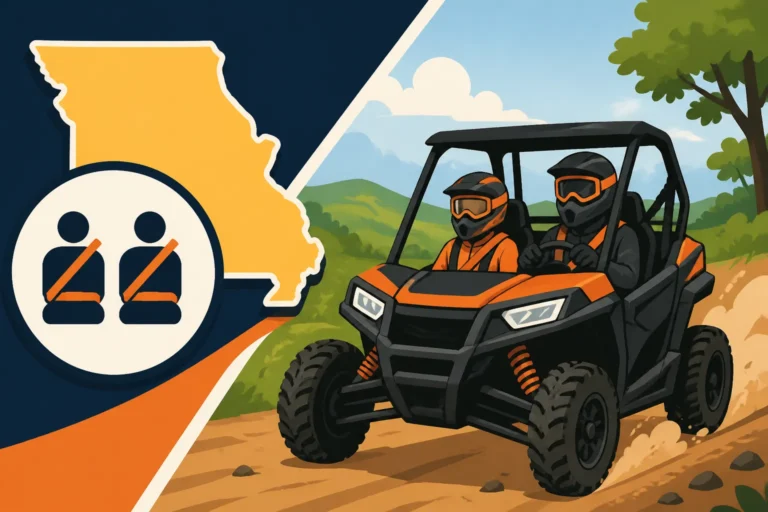
On the other hand, a side-by-side, or ROV/UTV, is defined differently. These machines typically feature a steering wheel, foot pedals, and side-by-side seating, more akin to a small car than a motorcycle. You sit in a side-by-side, often with a seatbelt and a roll cage. Because of these fundamental design differences, the state applies different safety expectations. For instance, you'll find that [Why Missouri Does Not Register Side-by-Sides] is a common question, and it's because these vehicles fall outside the ATV definition for decal purposes. Similarly, while a rider on a quad needs to consider a helmet, a driver in a side-by-side might be more focused on seat belts, due to these distinct vehicle types.
Missouri's Helmet Requirements by Age and Location
Now let's get down to the brass tacks: who actually needs to wear a helmet, and where? This is where a lot of the confusion comes from, as age plays a significant role, as do the specific types of land you're riding on. It's not as simple as "everyone always needs one" or "nobody ever needs one."
The Age-Based Helmet Mandate
Missouri law is very clear when it comes to young riders. If you are operating an ATV and you are under the age of eighteen (18) years old, you are legally required to wear a protective helmet. This isn't just a suggestion; it's a mandatory rule designed to protect developing riders. For parents, this means ensuring your teenager or younger child has a properly fitting, DOT-compliant helmet every single time they get on an ATV, whether it's for a quick spin around the pasture or a day at an [Missouri State Park ORV Hours].
This rule is in place for a good reason. Head injuries are one of the most serious risks associated with ATV riding, and young riders, with less experience and often still developing motor skills, are particularly vulnerable. Even if you're on private property, this age-based rule still applies. So, before your child climbs aboard, make sure that helmet is securely fastened. It's a non-negotiable part of riding safely in Missouri.
Public vs. Private Land and Helmet Use
The location of your ride can also influence helmet requirements, especially for adult riders.
-
Missouri State Parks and National Forests: When you're riding in designated ORV areas within Missouri State Parks, such as St. Joe State Park or Finger Lakes State Park, or on trails within the Mark Twain National Forest (which may require a [Missouri National Forest ATV Permit]), the rules can be stricter than the baseline state law. Many public riding areas require all riders, regardless of age, to wear a helmet. These park-specific rules are often posted prominently at staging areas and trailheads, and it's vital to check them before you unload. For instance, [Missouri Helmet Law for Riders Under 18] is a state-wide rule, but a park might extend helmet mandates to adults too. The park staff or forest rangers can enforce these rules, and a violation could mean a fine or being asked to leave the riding area.
-
Private Land: If you're riding on your own private property, or land where you have explicit permission, the state's age-based helmet law (under 18) still applies. However, for adults (18 and over), if the state law doesn't require a helmet, private land typically doesn't add a new requirement unless the landowner specifically mandates it. If you're part of an organized ride on private property, the event organizers might also have their own safety rules, including helmet use for all participants, regardless of age. Always clarify these points if you're riding on land that isn't your own.
Exemptions and Special Considerations
While the age rule is pretty straightforward for ATVs, there are nuances and specific scenarios that can cause confusion. It's not always black and white, especially when you bring UTVs and road use into the picture.
Adults and Off-Road Riding: The No-Helmet Zone (Mostly)
For adult riders, meaning anyone 18 years of age or older, Missouri state law generally does not require a helmet when operating an ATV purely off-road. This is a common point of relief for many adult riders who prefer the open air experience. However, and this is a big "however," this exemption is overridden if you are riding in a specific public ORV park or national forest area that has its own, more stringent rules. As mentioned before, many public riding parks in Missouri require all riders to wear helmets, regardless of age. So, while the general state statute provides an adult exemption for off-road ATV use, always verify the rules of your specific riding location. You might have invested heavily in performance upgrades for your machine from SuperATV, but those upgrades won't exempt you from a park's helmet rule!
Street Legal ROVs and Helmet Nuances
This is where it gets a bit more complex. Missouri has specific provisions for [Can You Drive a UTV on a Missouri Road?] through special permits or local ordinances, like the [Missouri's 3-Mile Rule for Side-by-Sides]. When an ROV (a side-by-side) is legally operating on a public road in Missouri, the helmet requirements shift.
Generally, for an ROV that is legally on a public road, if the vehicle is equipped with a roll bar and seatbelts, and the occupants are using those seatbelts, then adult operators (18 and over) are typically not required to wear a helmet. However, any operator or passenger under the age of eighteen (18) must still wear a helmet while the ROV is being operated on a public road, even if they are belted in. This mirrors the general age-based helmet rule for ATVs. The key here is the specific statute governing ROV road use, which focuses on seatbelt use for adults in vehicles with protective structures, but maintains the helmet mandate for minors. This is distinct from typical motorcycle helmet laws, showing how Missouri has carved out specific rules for these unique vehicles.
Passengers and Helmets
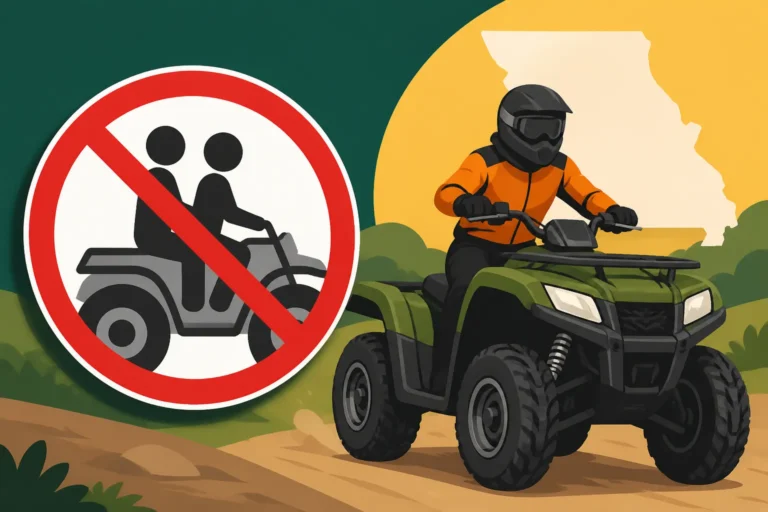
The rules for passengers often follow the same logic as operators. If a passenger is under 18, they are required to wear a helmet, whether they are on an ATV or a UTV operating on a public road. For ATVs, which are generally designed for single riders, carrying a passenger can be complicated. While [Missouri Passenger Rules on an ATV] usually prohibit passengers unless the machine is specifically designed for two, if you are legally carrying a passenger on a two-up ATV, and that passenger is under 18, they absolutely need a helmet.
For side-by-sides, which are designed to carry multiple passengers, the age-based helmet rule still applies to anyone under 18. If you're exploring the wilderness with a child in the passenger seat of your UTV, they need to be belted in and wearing a helmet, whether you're off-road or using a special permit to traverse a small section of road.
| Rider Age | Machine Type | Location | Helmet Required |
|---|---|---|---|
| Under 18 | ATV | Any | Yes |
| Under 18 | UTV/ROV | Any | Yes |
| 18 and Over | ATV | Off-Road (Private Land) | No (by state law) |
| 18 and Over | ATV | Off-Road (Public ORV Park) | Yes (often by park rules) |
| 18 and Over | UTV/ROV | Off-Road (Any) | No (by state law) |
| 18 and Over | UTV/ROV | Public Road (with permit, seatbelt, roll bar) | No (by state law) |
The Benefits of Wearing a Helmet (Even When Not Required)
Even when the law doesn't mandate it, wearing a helmet is one of the smartest decisions you can make as an ATV or UTV rider. There's a big difference between what's legally required and what's genuinely safe. Think of it like this: you wouldn't intentionally put cheap, unreliable parts on your machine, even if they weren't strictly illegal. You'd go for quality, perhaps looking at something from SuperATV for its durability. The same principle should apply to your personal safety gear.
Beyond the Law: Prioritizing Personal Safety
Accidents happen, even to the most experienced riders. A moment of inattention, an unexpected obstacle, or changing terrain can quickly lead to a spill. Head injuries, even seemingly minor ones, can have lifelong consequences. Concussions, skull fractures, and brain trauma are all very real possibilities in an ATV accident without proper head protection. A helmet acts as your first, and often most critical, line of defense, absorbing impact forces and distributing them across a wider area, drastically reducing the risk of severe injury.
Beyond catastrophic injuries, helmets also protect against minor scrapes, cuts, and even sun exposure or debris kicked up by other riders. It's about protecting yourself from the unexpected elements of off-road riding, giving you peace of mind whether you're navigating rocky trails at [Chadwick Motorcycle and ATV Use Area] or cruising through an open field.
Choosing the Right Helmet
If you've decided to prioritize your safety and wear a helmet, even when not legally required, the next step is choosing the right one. This isn't just about grabbing the first helmet you see; it's about fit, comfort, and crucial safety ratings.
- DOT Certification: Always look for helmets that are certified by the Department of Transportation (DOT). This means they've met minimum safety standards. Other certifications like Snell or ECE offer even higher levels of protection. Don't settle for anything less than DOT.
- Proper Fit: A helmet that doesn't fit correctly is almost as bad as no helmet at all. It shouldn't be too loose that it wiggles around, nor so tight that it causes pressure points. It should sit snugly on your head without obstructing your vision, and the chin strap should be secure. Many shops can help you find the right size and fit.
- Style for Riding: Full-face helmets offer the most comprehensive protection, covering your chin and face in addition to your head. Open-face helmets are lighter and offer more ventilation but leave your face vulnerable. Motocross-style helmets, often worn with goggles, offer good protection and airflow, making them a popular choice for aggressive trail riding.
- Integrated Goggles/Visors: Many helmets come with integrated visors, or you'll need separate goggles. Eye protection is just as important as head protection, shielding your eyes from dust, branches, and insects.
- Comfort and Ventilation: Look for helmets with good ventilation to keep you cool on hot Missouri days, and comfortable padding that can be removed for cleaning.
While brands like SuperATV might be your go-to for performance parts and accessories that enhance your machine's capabilities and durability, remember that investing in a high-quality, certified helmet is an equally important upgrade for your safety. Just as you demand quality in your machine's components, demand it in your personal protective equipment. It’s an investment in your well-being that truly pays off, regardless of what the law says.
Disclaimer
This article is for general informational purposes only and does not constitute professional advice. Laws, prices and regulations vary by location and change over time. Consult a qualified professional for guidance on your specific situation.