Missouri ATV Insurance Requirement
One of the biggest head-scratchers for new ATV and UTV owners in Missouri, or even seasoned riders contemplating a different type of use for their machine, is figuring out the insurance situation. It's not always clear-cut, and the answers aren't always what you'd expect, leading to a lot of frustration and guesswork. This guide is here to untangle the confusion surrounding Missouri's ATV and UTV insurance requirements, helping you understand when it's a must and when it's simply a smart choice.
Missouri's General Stance on ATV and UTV Insurance
Let's get this out of the way upfront: if you're planning on strictly using your ATV or UTV on private land that you own, or on private land where you have explicit permission from the landowner, Missouri generally doesn't have a blanket state law mandating insurance for your off-road vehicle. This is often a pleasant surprise for riders who are used to the strict insurance requirements for cars and trucks that operate on public roads. You might think, "Great! One less thing to worry about."
However, that "no blanket mandate" comes with some pretty big asterisks, and ignoring them can lead to some serious headaches, financial burdens, or even legal trouble. The absence of a statewide requirement for private land use doesn't mean you're immune to risk. If you have an accident on your own property and someone gets hurt, or if you damage someone else's property, your homeowner's policy might offer some limited liability coverage, but it's crucial to check with your insurance agent. Many standard policies have exclusions for recreational vehicles, especially if they're registered or titled in a way that suggests road use, or if the accident involves a certain level of negligence. It's a tricky area, and it's far better to be proactive than to find out you're unprotected after the fact.
When Missouri Does Require ATV and UTV Insurance
While a statewide mandate for all ATVs and UTVs doesn't exist, there are specific scenarios in Missouri where insurance becomes an absolute necessity. These usually involve public access or situations where your off-road vehicle is treated more like a traditional motor vehicle.
Road Use and Local Ordinances
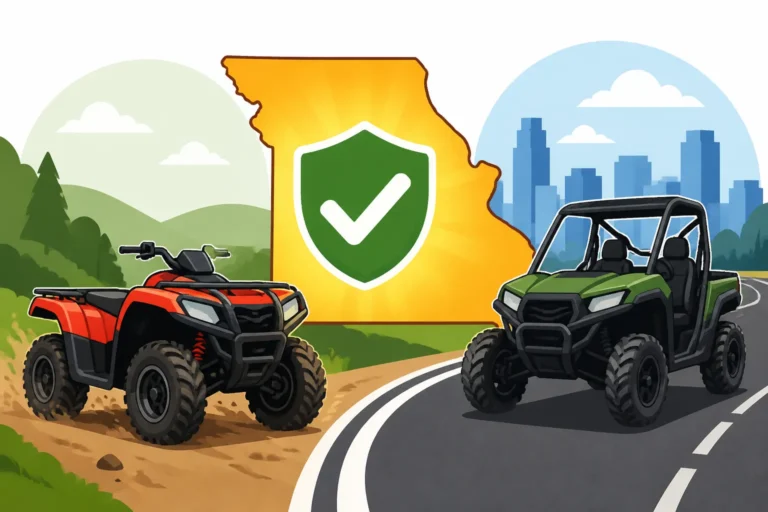
This is perhaps the most common area where riders get tripped up. Missouri has some very specific (and often confusing) rules about operating ATVs and UTVs on public roads. While [Street Legal ATVs in Missouri: The Short Answer] is often "no," UTVs (or more specifically, Recreational Off-Highway Vehicles, ROVs) have a few narrow exceptions. If you're planning to take your UTV on public streets under a specific local ordinance or the state's limited "3-mile rule," insurance will almost certainly be required.
Many cities and counties in Missouri have adopted ordinances that allow UTVs on certain public roads. These ordinances are local decisions, meaning what's allowed in one town might be completely forbidden in the next. However, a common thread among these [Missouri Cities That Allow UTVs on Streets] and counties is the requirement for proof of liability insurance. This isn't just a suggestion; it's a condition for getting that special permit that allows you to operate your machine on their roads. The thinking here is clear: if you're sharing the road with cars, trucks, and pedestrians, you need to be able to cover potential damages or injuries in case of an accident, just like any other vehicle operator. Think of it as a safety net for the community and yourself. Without it, you could be facing significant personal financial liability. For instance, if you're taking advantage of [Missouri's 3-Mile Rule for Side-by-Sides] to run a quick errand, you'll need that coverage.
Riding on Public Lands and State Parks
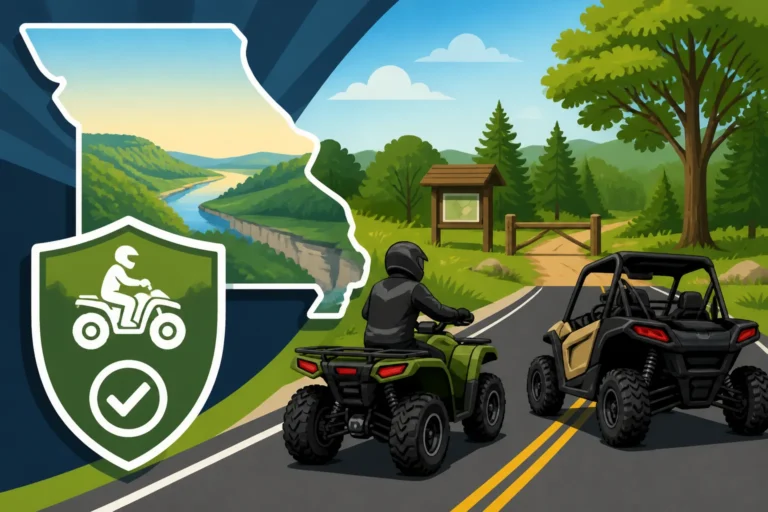
Missouri's fantastic state parks and national forests offer incredible riding opportunities, but they also come with their own set of rules, and insurance can sometimes be part of the picture. While a state park permit itself might not explicitly mandate you show proof of insurance at the gate for every type of machine, some parks or specific riding events might require it. More importantly, riding on public land almost always comes with an implied understanding of responsibility. If you're involved in an accident at St. Joe State Park or Chadwick Motorcycle and ATV Use Area, and another rider or their property is damaged, having liability insurance can save you from a world of financial pain.
Furthermore, some parks or trails might be managed by entities with different regulations. It's always a good idea to check the specific rules for the area you plan to visit. While [Missouri ORV Permits Explained] cover access, they don't always detail every potential insurance nuance. A simple phone call to the park office or checking their website before you head out can prevent unwelcome surprises. For example, if you're exploring the trails and have a run-in with another rider, the park might want to see proof of your ability to cover the damage.
Rented Machines and Commercial Operations
This is an easy one: if you're renting an ATV or UTV from an outfitter or tour company in Missouri, they will absolutely require you to have insurance or purchase their coverage. This isn't just a Missouri thing; it's standard practice everywhere. These businesses need to protect their assets and themselves from liability. When considering [Missouri Rules for a Rented Machine], understand that the rental company is essentially transferring some of the risk to you, the operator, and insurance is how they manage that.
Similarly, if you're operating an ATV or UTV for commercial purposes in Missouri – perhaps as part of a guide service, a farm operation that involves public access, or even as a delivery vehicle on private property with public interaction – commercial insurance policies become a critical consideration. Your personal ATV insurance likely won't cover commercial activities, and your business needs protection from liability, property damage, and potentially even worker's compensation claims if employees are operating the machines.
Special Events and Organized Rides
Participating in organized races, rallies, or charity rides often comes with waivers and specific insurance requirements. Event organizers want to ensure that all participants are adequately covered in case of an accident. These events, even if held on private land, often have a level of public exposure and heightened risk that makes insurance a prudent, if not mandatory, requirement for entry. Always read the fine print for any organized event you plan to join.
What Kind of Insurance to Look For
So, if you've decided (or are required) to get ATV/UTV insurance, what kind of coverage should you be looking for? It's more than just a single policy; it's usually a combination of different types of protection.
Liability Coverage
This is the absolute cornerstone of any insurance policy and often the only type required for road use permits. Liability coverage protects you if you're at fault in an accident that causes injury to another person or damage to their property. Without it, you'd be personally responsible for medical bills, property repair costs, legal fees, and potential settlements. Imagine accidentally colliding with someone else's expensive side-by-side or hitting a fence post on a county road – liability coverage helps foot those bills.
When you're comparing [Cheapest ATV Insurance in Missouri] options, liability will be a core component. The amount of coverage can vary, but generally, higher limits offer more protection, though they will cost a bit more. It's wise to consider coverage limits that align with your assets and potential risks.
Collision Coverage
While liability protects others, collision coverage protects your machine. If you crash into another vehicle, a tree, or even roll your ATV, collision insurance will help pay for the repairs or replacement of your vehicle, regardless of who was at fault. This is especially important for newer or more expensive machines. If your pride and joy is a new Polaris RZR or a powerful Can-Am Maverick, you'll want to protect that investment. Without collision, a major accident could mean you're out the entire cost of the machine.
Comprehensive Coverage
Comprehensive coverage steps in when damage to your ATV or UTV isn't caused by a collision. This can include things like theft, vandalism, fire, natural disasters (hail, floods), or even hitting an animal. Given the value of many modern ATVs and UTVs, and the fact that they're often stored in less secure locations than cars, comprehensive coverage offers peace of mind. Imagine leaving your machine at a trailhead and coming back to find it gone. That's where comprehensive coverage would kick in.
Many riders, especially those who've invested in aftermarket parts like a heavy-duty winch or a specialized lighting kit from a brand like SuperATV, want to ensure those additions are also covered. Check with your insurer to see how accessories are handled – sometimes they require an additional endorsement or higher coverage limits.
Uninsured/Underinsured Motorist Coverage
This type of coverage protects you if you're involved in an accident with another rider who either doesn't have insurance or doesn't have enough insurance to cover your damages and medical bills. While less common for pure off-road scenarios where liability isn't mandated, it's very relevant if you're operating your UTV on roads where other uninsured drivers might be present. Given that not all ATV/UTV owners carry insurance, this can be a smart addition, especially if you regularly ride in areas with other machines.
Medical Payments Coverage
Medical payments coverage (MedPay) helps pay for medical expenses for you and your passengers, regardless of who was at fault in an accident. This can be a valuable supplement to your health insurance, covering deductibles or co-pays, or even acting as primary coverage if you don't have health insurance. Given the inherently risky nature of off-road riding, injuries can happen, and medical bills can pile up quickly.
Beyond the Mandate: Why Insurance is Still a Good Idea
Even if Missouri doesn't legally require you to carry insurance for your specific use case, getting a policy for your ATV or UTV is almost always a sensible decision. The peace of mind alone is worth considering.
Protecting Your Investment
ATVs and UTVs are not cheap. A new side-by-side can cost as much as a new car, and even a used quad represents a significant investment. Without insurance, any major accident, theft, or unforeseen damage means you're bearing the entire financial burden yourself. This can easily run into thousands of dollars. Protecting that investment with a comprehensive policy is just smart financial planning.
Personal Liability and Property Damage
Accidents happen, even to the most careful riders. You could lose control and damage someone else's fence, collide with a parked vehicle, or even injure a bystander. If you're on public land, such as navigating [Missouri Rules for Riding a County Road], the risk of interacting with other people or property is even higher. Without liability insurance, you could be sued, potentially losing your savings, future earnings, or even your home. The legal fees alone, even if you're found not at fault, can be crippling. Having that safety net means you won't have to face those potential costs directly from your own pocket.
Covering Medical Expenses
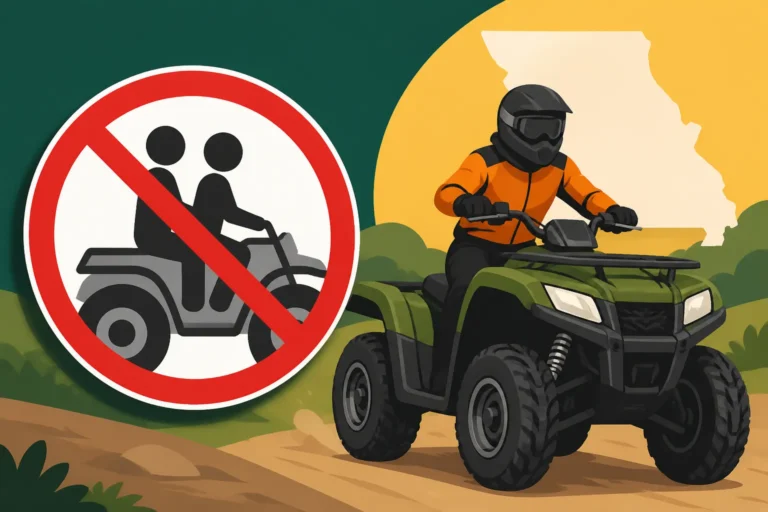
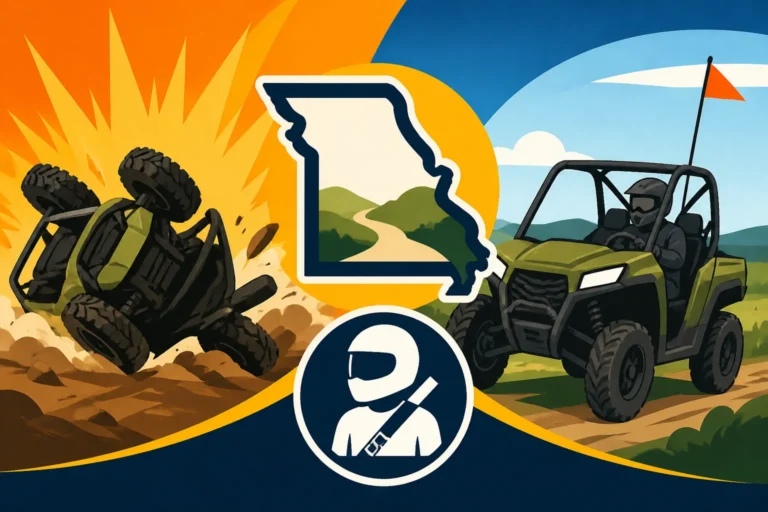
Off-road riding carries inherent risks. Falls, rollovers, or collisions can lead to serious injuries for you or your passengers. While your personal health insurance might cover some of these costs, an ATV/UTV insurance policy with medical payments coverage can provide additional protection, covering deductibles, co-pays, or other out-of-pocket expenses. This is especially important if you have passengers, as [Missouri Rules for a Passenger in a UTV] allow for it, but you're responsible for their safety. And even though [Missouri Helmet Law for ATV Riders] isn't universal for adults, it highlights the potential for head injuries.
Lender Requirements
If you financed your ATV or UTV through a bank or dealership, the lender will almost certainly require you to carry full coverage insurance (liability, collision, and comprehensive) until the loan is paid off. This is to protect their investment in your machine. Ignoring this requirement could lead to the lender repossessing your vehicle or forcing their own expensive "force-placed" insurance on you.
Trailhead Confidence
Knowing you're covered, regardless of where you ride (as long as it's within the policy's terms), adds a significant layer of confidence to your adventures. You can focus on enjoying the trail, the scenery, and the company, rather than constantly worrying about "what if." This confidence extends to knowing you're compliant with any permits, like those for [Missouri State Park ORV Permit Prices], should an incident occur.
Factors Affecting Your ATV/UTV Insurance Costs
Just like car insurance, several factors will influence the cost of your ATV/UTV policy. Knowing these can help you understand quotes and potentially save money.
- Type of Machine: A high-performance sport quad or a powerful, wide side-by-side might have higher premiums than a utility-focused ATV or a youth model.
- Engine Size: Larger engines often correlate with higher risk and thus higher premiums.
- Your Riding History: A clean driving record (for your road vehicles) and a claims-free history with your ATV can lead to lower rates.
- Your Age and Experience: Younger, less experienced riders often pay more.
- Location: Where you live and where the machine is primarily stored can affect rates, especially regarding theft rates.
- Coverage Limits and Deductibles: Higher coverage limits mean higher premiums. Choosing a higher deductible (the amount you pay out of pocket before insurance kicks in) can lower your premium, but means more up-front cost if you have a claim.
- Bundling: Many insurance companies offer discounts if you bundle your ATV insurance with your home or auto policy. This is often the best way to get a good rate.
- Safety Features/Modifications: Some safety features or specific modifications might influence rates, but this varies greatly by insurer.
Here’s a quick overview of common coverage types:
| Coverage Type | What It Protects | When It's Most Relevant |
|---|---|---|
| Liability | Injuries to others, damage to their property (when you're at fault) | Required for road use, riding on public land, general peace of mind |
| Collision | Damage to your ATV/UTV from a collision with another object or vehicle | Protecting your investment, especially for newer/expensive machines |
| Comprehensive | Damage to your ATV/UTV from non-collision events (theft, fire, vandalism) | Guarding against theft, natural disasters, and other unforeseen circumstances |
| Uninsured/Underinsured Motorist | Your damages/medical bills if the at-fault party has no/insufficient insurance | When riding on roads or in areas with potentially uninsured riders |
| Medical Payments | Medical expenses for you and your passengers, regardless of fault | Supplementing health insurance, covering immediate medical costs after an accident |
Ultimately, while Missouri doesn't have a universal ATV/UTV insurance mandate, understanding the specific situations where it is required – particularly for road use permits and some public lands – is crucial. Even when not required, the comprehensive protection it offers for your machine, your finances, and your well-being makes it a worthwhile investment. Always check with a reputable insurance provider to discuss your specific needs and get a tailored quote for your [Missouri ATV Insurance Cost per Year].
Disclaimer
This article is for general informational purposes only and does not constitute professional advice. Laws, prices and regulations vary by location and change over time. Consult a qualified professional for guidance on your specific situation.