Eldon’s Rollover and Flag Requirements
Navigating the specific rules for your ATV or UTV can feel like trying to find your way through a dense fog, especially when it comes to riding on city streets. Many folks in Eldon, Missouri, have found themselves scratching their heads, wondering exactly what their local ordinance means for their side-by-sides or quads. This guide is here to cut through that confusion, focusing specifically on Eldon's crucial requirements for rollover protection and safety flags, so you can ride legally and, most importantly, safely.
Understanding Eldon's Local Ordinance for ATV and UTV Use
It’s a common scenario across Missouri: you own an ATV or UTV, you love riding, and you might even want to use it for quick errands or to get to a local trail. But then you hear about local city ordinances, and suddenly, what seemed simple becomes a maze of rules. Eldon, like many other communities, has taken steps to allow these machines on certain public roads, but they come with specific conditions designed to keep everyone safe. It's a tricky balance between recreational freedom and public safety, and these local laws are often tailored to the unique traffic and infrastructure of the town itself.
Think about it from the city's perspective. When off-highway vehicles (OHVs) start sharing the road with cars, trucks, and even bicycles, the potential for accidents changes dramatically. Unlike a dirt trail where you might only encounter other riders, city streets involve different speeds, traffic signals, pedestrians, and varying road surfaces. This is why municipalities like Eldon implement regulations concerning things like speed limits, operating hours, and specific safety equipment. It’s not just about getting a permit; it’s about ensuring your machine is adequately prepared for this new environment, and that you, as the operator, understand the heightened responsibilities. This is why you'll often find that cities go beyond the basic state requirements, adding layers of protection that they deem necessary for their particular community.
Rollover Protective Structures and Seat Belts: Eldon's Safety Foundation
One of the most significant aspects of Eldon's ordinance, which is a common theme in many places that allow side-by-sides on the street, revolves around rollover protective structures (ROPS) and seat belts. For many UTV owners, this might seem like a no-brainer, as most modern side-by-sides come standard with these features. However, for some older machines, or even certain ATVs that aren't designed for multi-passenger, seated operation, this can be a real sticking point. The frustration is understandable if your beloved machine doesn't quite meet the bar, leaving you with questions about whether you can even participate in local street riding.
The "Built-In" Expectation
When Eldon's ordinance talks about rollover protective structures, it's generally referring to the factory-installed cage or frame designed to protect occupants in the event of a rollover. This isn't usually something you can just bolt on from an aftermarket kit and call it a day, at least not for street-legal purposes in many jurisdictions. The city wants to see a design that meets established safety standards, which almost always means the original manufacturer's integrated system. If your machine, particularly an older model, lacks this integrated protection, it's often a sign that it wasn't built for the kind of use that Eldon's ordinance is trying to regulate. While companies like SuperATV offer fantastic aftermarket cages and protection for aggressive off-road riding, for street-legal compliance, cities often look for the factory-spec.
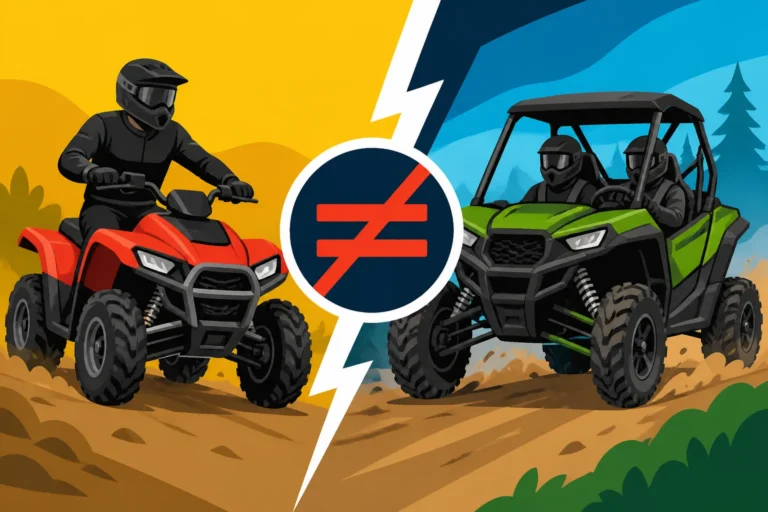
It's a tough pill to swallow if you own an older ATV that doesn't have a ROPS and you were hoping to ride it on city streets. These machines are inherently designed for a different kind of riding experience, one where the rider straddles the seat and is expected to use body English to control the machine, often bailing off in a rollover situation. A side-by-side, with its steering wheel, bucket seats, and often a higher center of gravity, presents a different set of challenges and, therefore, requires different safety measures when interacting with paved roads and other vehicles. The city is trying to mitigate the risk of serious injury should an accident occur on a hard surface, where tumbling out might not be a viable or safe option.
Why Seat Belts Are Non-Negotiable
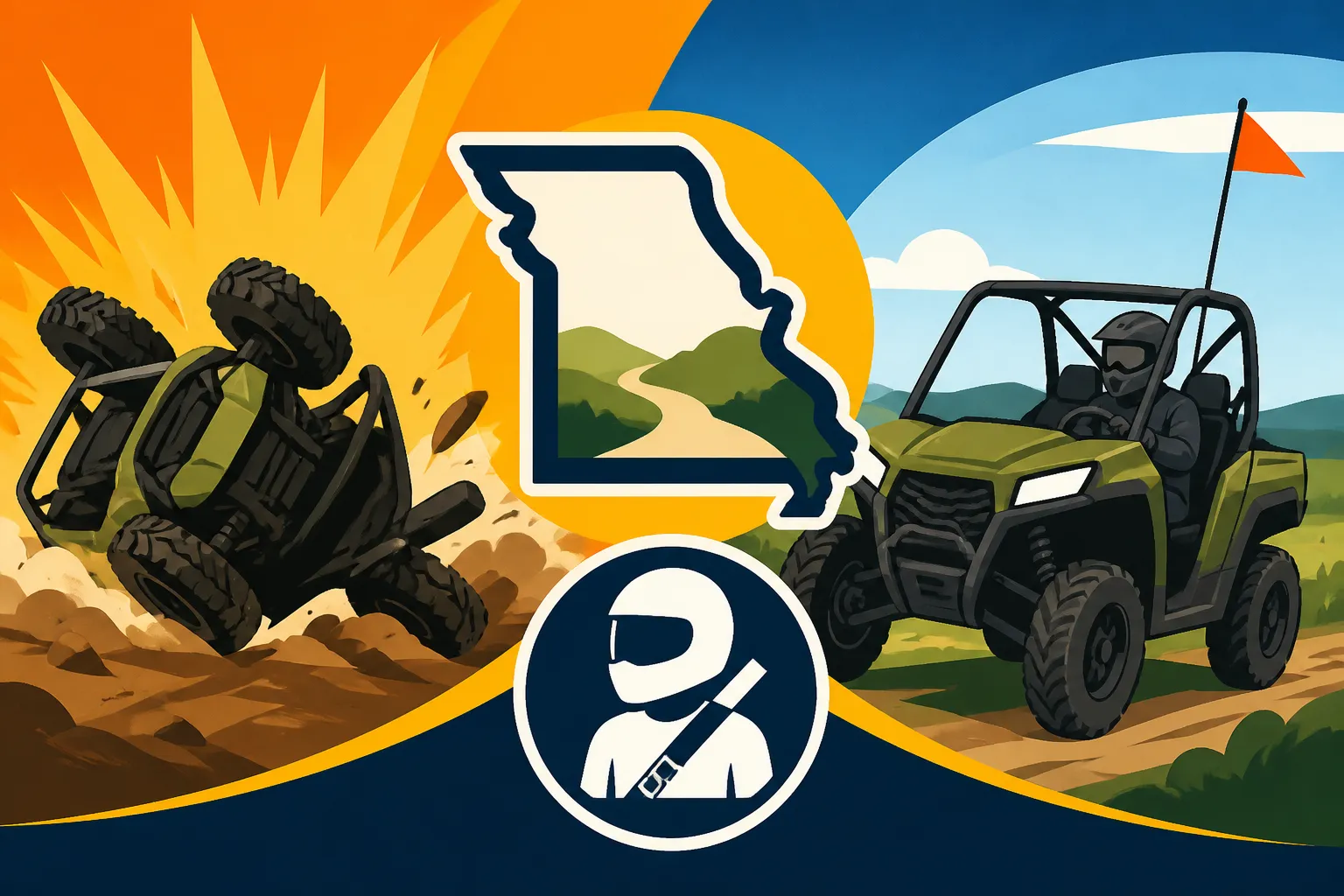
Hand-in-hand with the ROPS requirement are seat belts. If your UTV has a rollover cage, it almost certainly has seat belts. Eldon's ordinance will mandate their use at all times while operating on city streets. This isn't just a suggestion; it's a critical safety measure. Just imagine the jarring impact of a collision or a sudden stop on pavement without being properly restrained. The ROPS provides a protective shell, but the seat belt ensures you stay within that shell. This rule applies to all occupants, not just the driver.
This is a fundamental shift from pure off-road riding, where some riders might occasionally forgo a seat belt in certain low-speed, technical situations for quick egress. On city streets, however, that logic doesn't apply. You are sharing the road with vehicles that weigh thousands of pounds and can travel at significant speeds. Being belted in greatly increases your chances of avoiding severe injury in an accident. Always ensure everyone in your UTV is buckled up before moving, just as you would in any car or truck. It's a simple act that has profound safety implications and is a clear indicator that you're taking Eldon's rules, and everyone's safety, seriously.
The Mighty Safety Flag: Ensuring Visibility in Eldon
Another crucial aspect of Eldon's local ordinance is the requirement for a safety flag. This might seem like a small detail, but it plays an enormous role in increasing your visibility to other motorists, especially in a mixed-traffic environment. It's not just a decorative item; it's a vital piece of safety equipment, often overlooked but absolutely essential for legal operation on city streets.
Height and Visibility Standards
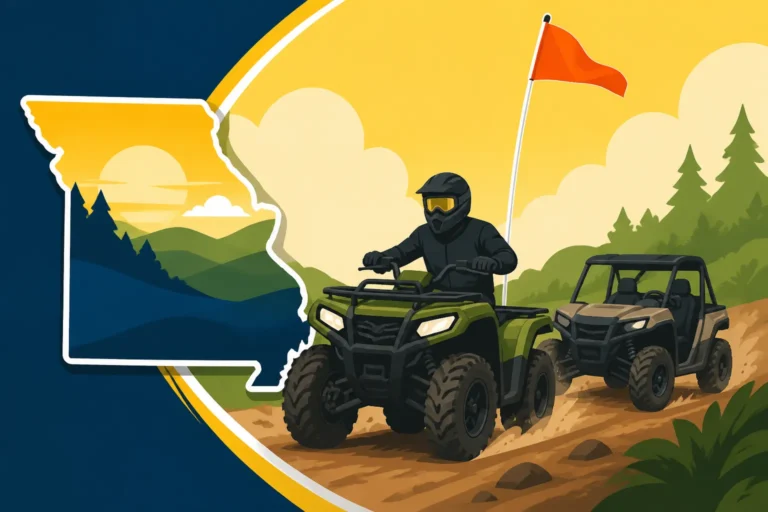
Eldon's ordinance specifies that any ATV or UTV operating on its streets must display a safety flag that extends at least seven feet above the ground. Furthermore, this flag must be brightly colored, typically blaze orange or a similar day-glow hue, and generally needs to be at least 30 square inches in size. This isn't an arbitrary measurement; it's calculated to ensure that your machine, which is often smaller and lower to the ground than an average car, can be seen over parked vehicles, around blind corners, or over crests in the road.
Imagine trying to see a small ATV over the hood of an SUV as you pull out of a driveway. Without that tall, brightly colored flag waving above, you might not notice it until it's too late. The seven-foot height is designed to catch the eye of drivers in larger vehicles, providing an early warning of your presence. This is especially important in urban or suburban environments where visibility can be obstructed by buildings, trees, and other street furniture. Think of it as your personal periscope, making your presence known even when your machine itself might be obscured. You'll need a mast that can extend to that height, often equipped with a bright flag, and many riders look to brands like SuperATV for durable flag mounts and high-visibility flags that meet these kinds of specifications.
Why the Flag Matters on City Streets
The safety flag requirement serves a distinct purpose on city streets compared to its role on off-road trails. On a trail, a flag might help other riders spot you in dusty conditions or over dunes. On a city street, its primary function is to alert conventional vehicle drivers to your presence, reducing the risk of a collision. It's a visual cue that stands out against the backdrop of traffic, street signs, and buildings.
This is where the differences between [Missouri's 7-Foot Safety Flag] rule for certain road uses and general trail flag rules might become apparent. The specific requirements for height and color are optimized for road visibility, not just for other off-road enthusiasts. Failing to display a flag that meets Eldon's specifications could not only result in a citation but, more critically, could lead to a dangerous incident if you're not seen by other drivers. Always double-check your flag's height and condition before heading out onto Eldon's public roads.
Additional Requirements for Street-Legal Operation in Eldon
While ROPS, seat belts, and safety flags are paramount, Eldon's ordinance likely includes several other crucial requirements to ensure safe and legal street use of your ATV or UTV. These often mirror general state rules for allowing side-by-sides on public roads and are designed to integrate these vehicles safely into the existing traffic flow.
Permits, Insurance, and Operator Licensing
To begin with, you'll almost certainly need a local permit issued by the City of Eldon. This permit is usually required annually and often comes with an associated fee, contributing to local infrastructure or enforcement. Think of it as your official permission slip to ride on city streets. You can learn more about [Missouri Special Permit Cost for ATVs] in general, though Eldon's specific fee would need to be checked with the city directly.
Beyond the permit, valid insurance is typically a non-negotiable. Just like with a car, liability insurance protects you and others in case of an accident. [Missouri ATV Insurance Requirement] would guide you on the types of coverage often needed. This isn't just about protecting your investment; it's about financial responsibility to others on the road.
Finally, the operator themselves usually needs to be licensed. For a side-by-side on public roads, this often means holding a valid [An Operator's or Chauffeur's License in Missouri] – your standard driver's license. There may also be age restrictions for operators, similar to those for driving a car. Ensuring you meet all these administrative requirements is just as important as having the right safety gear.
Operating Hours and Road Restrictions
Many city ordinances, including Eldon's, will stipulate specific operating hours. It's common for UTVs and ATVs to be allowed on streets only during daylight hours, perhaps from sunrise to sunset. This is largely due to visibility concerns; while these machines have headlights and taillights, they're not always as robust or as easily seen as those on a passenger car, especially from a distance or in adverse conditions. [Missouri Rules for Riding at Night] generally lean towards limiting road use for off-highway vehicles after dark.
Furthermore, not all roads might be open to OHVs. Cities often restrict access to state highways, federal routes, or streets with higher speed limits or heavy traffic volumes. Typically, you'll find that residential streets, gravel roads, or specific designated routes are where you're allowed to ride. Always check Eldon's specific ordinance for a map or list of permissible streets. Ignoring these restrictions can lead to fines, citations, and put you in a dangerous situation. It's essential to respect these boundaries to ensure the continued privilege of riding in town.
Here’s a quick overview of some key aspects you might encounter:
| Requirement | Description | Why It Matters for Eldon Streets |
|---|---|---|
| Rollover Protective Structure (ROPS) | Factory-installed cage or frame designed to protect occupants in a rollover. | Critical for occupant safety on hard pavement, where machines behave differently than on soft terrain. |
| Seat Belts | Restraints for all occupants, typically three-point harnesses. | Keeps occupants secure within the ROPS during sudden stops, turns, or collisions. |
| Safety Flag | Extends 7 feet above the ground, blaze orange, at least 30 square inches. | Maximizes visibility to other motorists, especially over obstructions and in varied traffic. |
| City Permit | Annual permit issued by Eldon, often with a fee. | Official permission to operate on designated city streets. |
| Insurance | Valid liability insurance, similar to car insurance. | Financial protection in case of an accident on public roads. |
| Operator's License | Valid driver's license required for all operators. | Ensures operators have basic driving competency and adhere to traffic laws. |
| Operating Hours | Often restricted to daylight hours (sunrise to sunset). | Enhances visibility and safety for all road users during peak visibility times. |
| Road Restrictions | Specific streets or types of roads may be off-limits (e.g., state highways, high-speed roads). | Directs OHV traffic to safer, lower-speed routes and avoids high-volume corridors. |
Always remember that local ordinances are subject to change, and interpretation can vary. The best source for the most up-to-date and precise information is always the Eldon City Hall or their official municipal website. Don't rely on hearsay; get the official word to ensure your machine is compliant and you're riding safely and legally.
Disclaimer
This article is for general informational purposes only and does not constitute professional advice. Laws, prices and regulations vary by location and change over time. Consult a qualified professional for guidance on your specific situation.