Why Missouri Permits Are Nonrefundable
Why Missouri Permits Are Nonrefundable
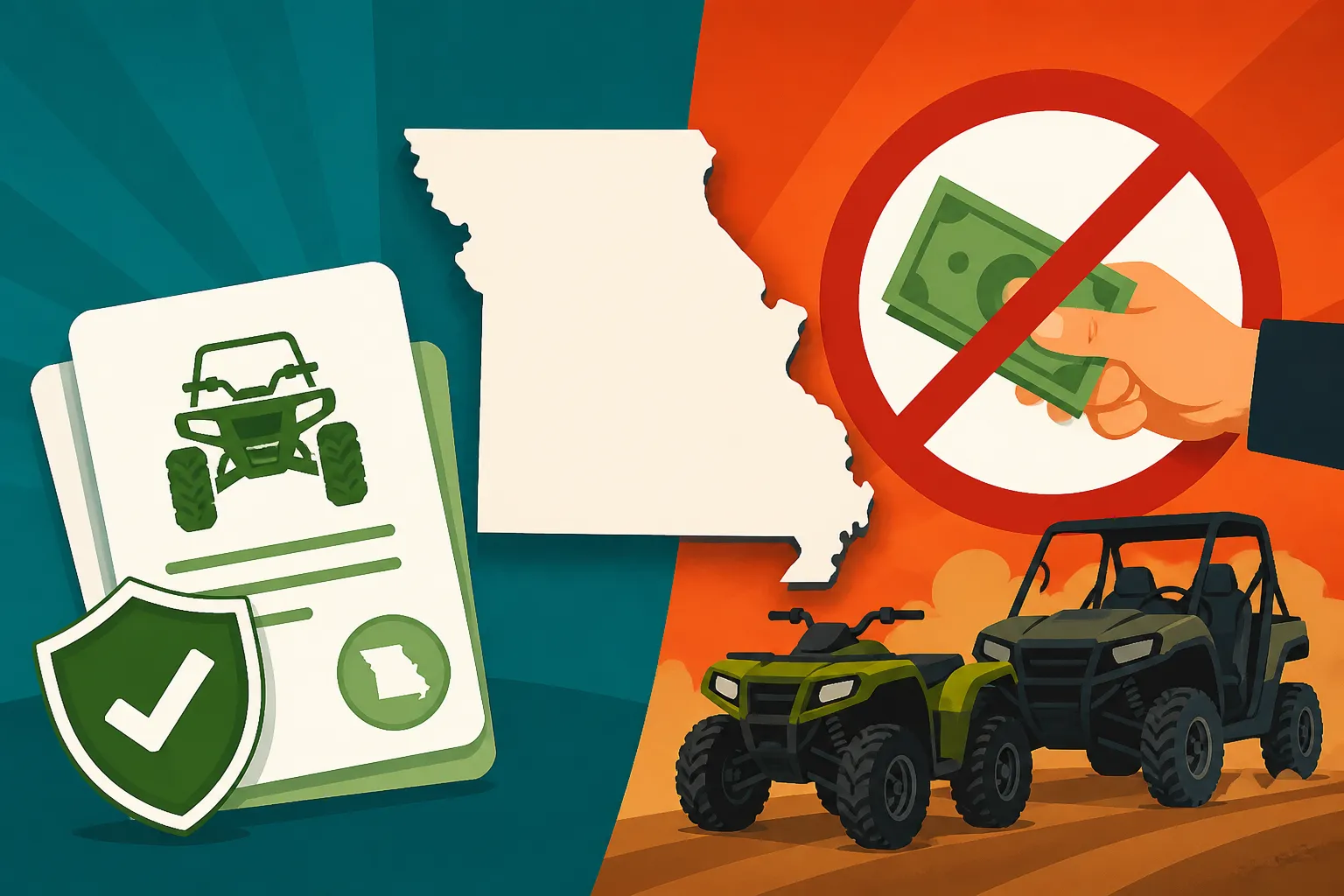
A Missouri off-road permit can be frustrating to lose money on when rain, a mechanical problem, or a trail closure changes your plans. The key is understanding what you’re buying: permission to ride in a particular place under its rules, not a promise that conditions will suit you. Here’s why refunds are limited, how permit systems differ, and what to check before paying.
What a Missouri ORV permit pays for
An off-road vehicle permit generally authorizes riding in a designated area for a stated period and under that site’s rules. It is not the same as reserving a campsite, booking a rental, or guaranteeing that every trail will be open when you arrive. The permit may be required even when you end up riding less than planned—or not riding at all.
Missouri has several permit systems, and the responsible agency depends on where you want to ride. State park trails, areas in the Mark Twain National Forest, and Chadwick-area riding each have their own requirements. A state park permit does not automatically cover every other public riding area. If you need a refresher on the different systems, start with Missouri ORV Permits Explained.
This distinction helps explain why a refund may not be available. The agency has authorized your access for the permit’s terms; it has not sold a guaranteed number of hours on a fully open trail network. Weather, maintenance, safety concerns, and other conditions can change access without changing the nature of the permit you purchased.
That does not mean every site handles every situation identically. Permit terms and the process for requesting help can vary by agency and sales channel. Read the terms shown before checkout and keep the confirmation. If something unusual happens, contact the agency or permit seller rather than assuming a refund, credit, or date change is automatic.
| What changed your plans | Why a refund may not follow | What to check or do |
|---|---|---|
| Rain or unpleasant weather | The permit may authorize access regardless of whether conditions are enjoyable | Check the forecast and trail notices before buying |
| A trail or area closes | A permit may not guarantee that every route stays open | Ask the managing agency whether any remedy applies |
| A machine breaks down | The permit may remain valid even if you cannot use it | Arrange repairs or make a new plan before the permit expires |
| You bought the wrong permit | Permits can differ by site, vehicle type, or duration | Confirm the location and machine rules before checkout |
| You did not use the permit | Not using access does not necessarily cancel the purchase | Check the posted terms and contact the seller promptly |
Why permits usually are not refunded
The clearest reason is that access and trail conditions are different things. A permit gives a rider authorization to use a particular area under its current rules. It generally does not guarantee that all routes will be open, that the surface will be dry, or that a ride will be possible for the entire period.
Public riding areas need to manage changing conditions. Heavy rain can damage trails; maintenance can require temporary closures; safety concerns may lead to limits on where people can ride. In each case, the agency may need to protect the land, riders, workers, or other visitors. Keeping permit sales separate from a promise of specific trail conditions makes it possible to manage access as circumstances change.
A permit also is not necessarily a reservation for an individual rider’s preferred route or riding time. Some areas have trail networks with multiple routes, and the available options can change. Even when a closure affects the ride you hoped to do, other parts of an area may remain accessible. Whether a closure affects an individual permit’s terms is a question for the agency, not something to infer from the closure alone.
There is also a practical difference between a refund policy and a customer-service exception. An agency may have a general no-refund rule while still being willing to explain what happened or consider a specific issue under its procedures. A rider should not count on an exception, but it is reasonable to ask if a closure, purchase error, or transaction problem is unusual. Provide the permit details and explain the circumstances clearly.
Most importantly, do not buy on the assumption that a permit can be returned if the weekend falls through. If the terms say purchases are nonrefundable, a change in personal plans, a late arrival, or a machine problem may leave the permit unused without making it refundable. The practical way to protect yourself is to verify the site, dates, machine eligibility, and current notices before checkout.
Permit rules differ by riding area
Missouri does not have a single permit that covers every public off-road riding area. The agency, location, length of access, vehicle type, and purchase channel can all affect what a permit authorizes and what terms apply. That makes it important to check the specific permit rather than rely on a general statement about Missouri permits.
State park riding areas
State park ORV permits apply to the relevant park riding area and its rules. They are separate from a vehicle’s title, registration, or decal requirements. If you are unsure whether a trail requires a site permit, Do You Need a Permit for Missouri State Park Trails? can help clarify the distinction.
Before paying, confirm that the machine meets the location’s requirements. Width limits, sound rules, helmets, flags, age requirements, and passenger restrictions may affect whether the machine or rider is allowed. A permit purchase does not make an otherwise ineligible vehicle eligible. If you are visiting from another state, also check Missouri Rules for a Visiting Rider instead of assuming an out-of-state registration replaces a site permit.
A site permit may be tied to a defined period or specific use. Check the dates and terms on the purchase screen, and read any refund language before completing the transaction. If the trail area closes after purchase, contact the park or the listed permit seller and ask what policy applies. Do not assume that a closure automatically creates a refund or that a permit can be moved to a different date.
Mark Twain National Forest riding
Forest riding has a separate permit process from state park riding. The permit’s coverage and terms depend on the forest area and the applicable system. What the Mark Twain Forest ATV Permit Covers explains why it is important to match the permit to the intended location. If purchasing through an online service, review the information for the specific permit and keep the confirmation available; Missouri Forest Permits Through Recreation.gov covers that channel.
A forest permit does not mean that every route is open or appropriate for every machine. Trail notices, seasonal conditions, maintenance, and local restrictions still matter. Check the current information for the riding area before traveling, and verify the permit’s validity period before buying. A permit for one area should not be treated as permission to ride a different trail system.
Chadwick-area permits
Chadwick has its own permit arrangements, which are distinct from state park and forest permits. Whether a day-use or longer-term permit fits your trip depends on how often you plan to ride and the terms attached to that permit. Missouri’s $60 Chadwick Annual Permit provides a related comparison; confirm current details with the managing agency before purchasing.
Do not assume that a permit bought for Chadwick also applies at a state park or another public riding area. If you plan to visit multiple systems during one trip, check each one separately. The same is true for refunds: one site’s terms do not automatically apply to another.
What to check before you buy
A few minutes of checking can prevent a costly mismatch. Use the official information for the location you intend to ride, not a generic search result or an old screenshot. Permit terms and operating details can change, so confirm them close to your trip.
- Confirm the exact riding area. Identify the park, forest trail system, or Chadwick-area access point. Make sure the permit is issued for that location.
- Check machine eligibility. Confirm that your ATV or UTV meets applicable size and equipment rules. Look at the machine’s measured width where the site uses a limit, and verify any requirements for safety equipment.
- Read the validity dates. Check when the permit begins and ends, whether it covers the days you will actually ride, and whether the permit is for a stated duration.
- Read the refund terms before checkout. Look for wording about refunds, cancellations, date changes, and closures. Save the confirmation and any terms shown during purchase.
- Check closures and conditions. Look for current trail notices, weather-related information, and site updates. A permit may not prevent a route from closing after you buy.
- Verify the purchase channel. Use the sales route identified by the agency. If the seller or confirmation is unclear, contact the managing office before paying.
- Plan for contingencies. Think about what you will do if rain, a breakdown, or a closure affects the trip. Consider whether another permitted location is a realistic option, but do not assume one permit transfers to another system.
The best timing depends on how a site sells its permits and how far you have to travel. Buying too early may leave more time for plans to change; waiting too long may make it harder to arrange the trip. There is no universal ideal date. Use the stated terms and current trail information to decide how much uncertainty you can accept.
If you are coordinating a group, each rider should know what the permit covers and whether each machine needs its own authorization. Avoid buying on another person’s behalf without confirming the dates, vehicle details, and site. A wrong selection can be especially difficult to correct when the purchase is nonrefundable.
If your plans change or the trail closes
If you no longer need a permit, first check the terms for that exact purchase. They may explain whether a cancellation, date adjustment, or other remedy is available. If the terms say the permit is nonrefundable, contacting the seller can still clarify the rule, but it does not guarantee an exception.
If the area closes, check whether the notice applies to the entire riding area or only particular routes, and note when the closure began. Then contact the agency responsible for the permit. Ask specifically whether the closure affects your permit and whether any option is available under its current policy. Keep the conversation factual: include the location, permit confirmation, date of purchase, and closure notice.
If you bought the wrong permit, contact the seller as soon as you notice. Explain the error and ask whether it can be corrected. Do not purchase a second permit until you know whether the first purchase can be changed; the seller may be able to explain the options, but a refund should not be presumed.
If the problem is a payment or confirmation issue, keep records of the transaction and use the support contact listed by the permit seller. A payment that appears to have gone through without producing a usable confirmation is different from simply choosing not to ride. Report the issue promptly and avoid buying again until you know whether the first transaction is valid.
For a future trip, use a simple pre-purchase checklist:
- Correct riding area and permit type
- Machine and rider meet the site rules
- Dates match the planned trip
- Current closures and notices reviewed
- Refund and cancellation terms understood
- Confirmation saved where it can be found at the trailhead
That approach will not remove every risk. Conditions can change after you buy, and personal plans can still fall apart. It does reduce the avoidable problems: paying for the wrong location, arriving with an ineligible machine, or expecting a refund policy that was never offered.
Frequently Asked Questions
Are all Missouri ORV permits nonrefundable?
Refund rules can vary by managing agency, permit type, and sales channel. Check the terms for the specific permit before you buy. Do not assume that one area’s policy applies to another.
Will I get a refund if rain makes the trails unpleasant?
Not necessarily. A permit generally authorizes access rather than guaranteeing favorable weather or trail conditions. Check the stated terms and contact the managing agency if conditions cause a closure.
Does a permit guarantee that the trails will be open?
No. Trails can be closed or restricted for maintenance, weather, or safety reasons. Check current notices before traveling and again before unloading.
Can I use one permit at a different Missouri riding area?
Do not assume so. State parks, forest riding areas, and Chadwick have separate permit arrangements. Confirm the permit’s coverage before you ride.
Disclaimer
This article is for general informational purposes only and does not constitute professional advice. Laws, prices and regulations vary by location and change over time. Consult a qualified professional for guidance on your specific situation.