Why a 12-Year-Old Rides Only the Youth Area
A 12-year-old may be ready to ride, but Missouri state park rules draw a firm line between the youth riding area and the regular off-road trail network. That can be confusing when a machine has a permit and the child has riding experience. Here’s what the age limit means, how to plan a visit, and what to check before unloading.
What the youth-area rule means for a 12-year-old
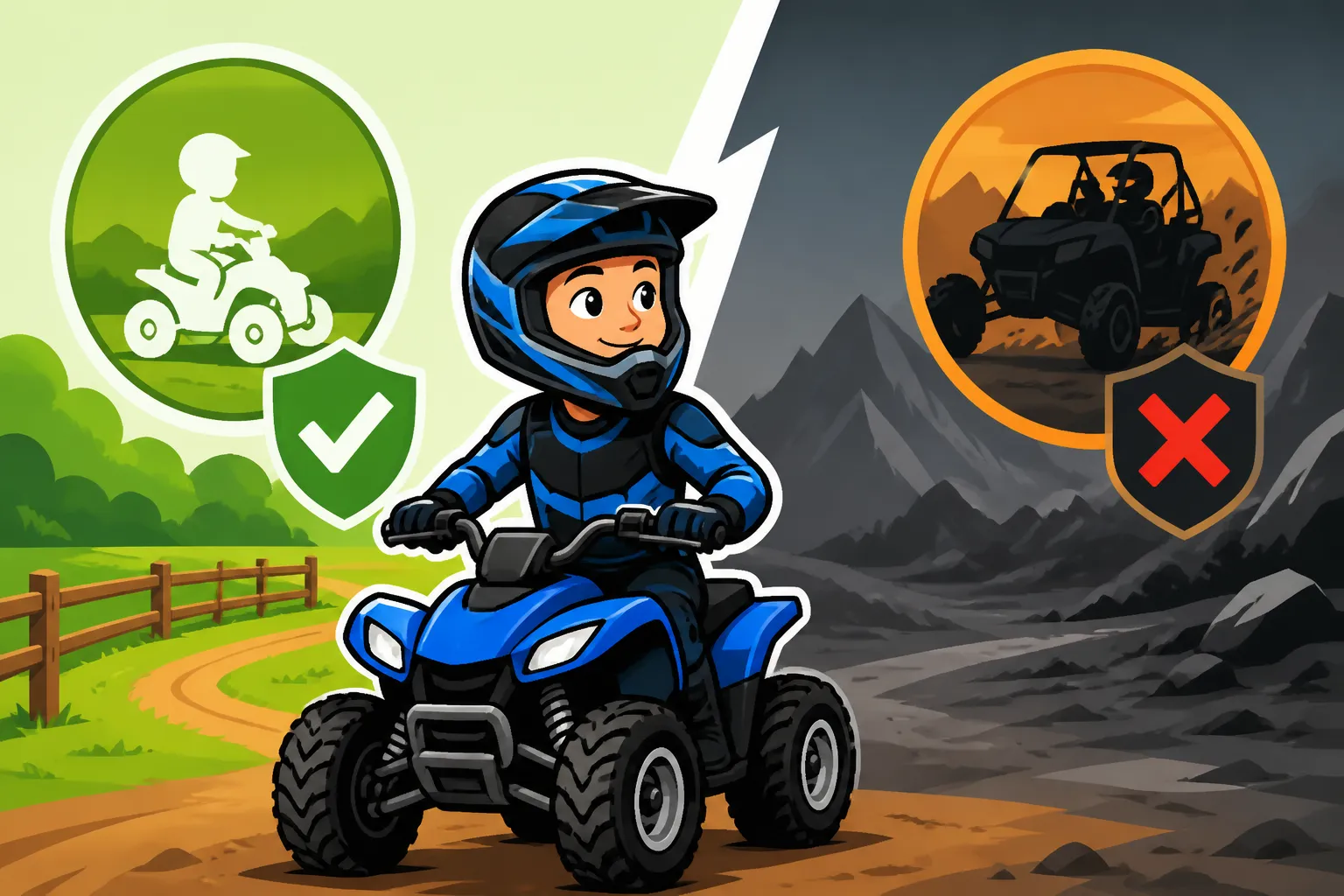
At Missouri state parks with off-road vehicle riding, a 12-year-old is limited to the designated youth riding area. The rule is about where the child may ride, not simply whether the child can operate a machine safely. Riding slowly, staying close to an adult, or having years of experience does not turn a regular trail into an approved youth area.
That distinction matters because a park can have several kinds of riding space: a youth area, staging areas, and trails intended for other riders. A child who is allowed to ride in one part of the property does not automatically have permission to use every marked route. Follow the park’s age rules and posted directions even if a trail looks easy or is close to the youth area.
The rule applies to a rider who is 12, not just to younger children. A birthday does not change the rule until the child is no longer within the age group covered by it. When a rider is close to an age cutoff, confirm the park’s current interpretation before making plans. The park can also explain whether a particular area is open and what supervision it requires.
The youth area is a place for a young rider to practice within the boundaries the park sets. It is not a workaround for taking a child onto trails that are off-limits by age. Nor should a parent assume that a machine’s small size, low speed, or youth-oriented design changes where it may be ridden. Age restrictions and machine rules are separate questions.
Missouri has other public-land riding rules as well. A park’s youth-area rule should not be treated as a universal age rule for every trail in the state. For example, national forest riding follows its own requirements, which riders should check separately through Missouri Rules for Riding a National Forest. If the destination is a state park, use that park’s youth-area guidance rather than assuming that a rule from another riding location applies.
Supervision, permits, and machine requirements
A youth-area rule answers where a 12-year-old may ride. It does not answer every other question about the visit. A parent or other responsible adult should check the park’s requirements for supervision, permitted machines, safety gear, and access before leaving home. The rules may cover both the young rider and the adult accompanying them.
| Question | What to do before riding |
|---|---|
| Where may a 12-year-old ride? | Confirm the designated youth area and keep the child within it. |
| Does an adult need to supervise? | Check the park’s current supervision rule and stay close enough to provide meaningful oversight. |
| Is a permit required? | Check the permit requirement for the specific park and machine. |
| Does a state registration decal replace a park permit? | Do not assume so; confirm which permissions apply at the destination. |
| Is the youth area open? | Check current operating information, notices, and closures before traveling. |
| What safety equipment is needed? | Review park requirements and bring properly fitting protective gear. |
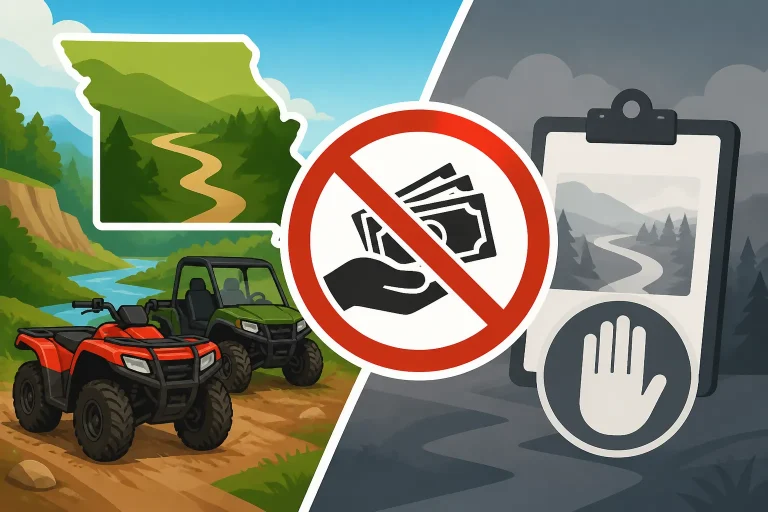
Missouri state park riding permits and state registration decals are not interchangeable by default. A decal associated with a machine’s registration does not necessarily provide access to a particular park’s trails. Review Does Your Decal Cover the Park Trail Permit? before relying on a decal as proof of park access. For a broader explanation of the public-land permit system, see Missouri ORV Permits Explained.
Permit details can differ by riding area and machine type. Check the park’s instructions for the current permit process, what the permit covers, and whether it must be displayed in a particular way. If the family plans to visit more than one place, do not assume that a permit for one area is valid at another. The requirements for state parks and other public riding areas can be different.
Also confirm that the machine is allowed at the destination. Width, equipment, and other access rules may affect whether a machine can use a particular trail system. A youth machine may be suitable for the rider but still need to meet the riding area’s rules. Ask the park about the machine itself if its size or type is unusual, and consult Missouri Park Access for Riders Under 16 for related age and access considerations.
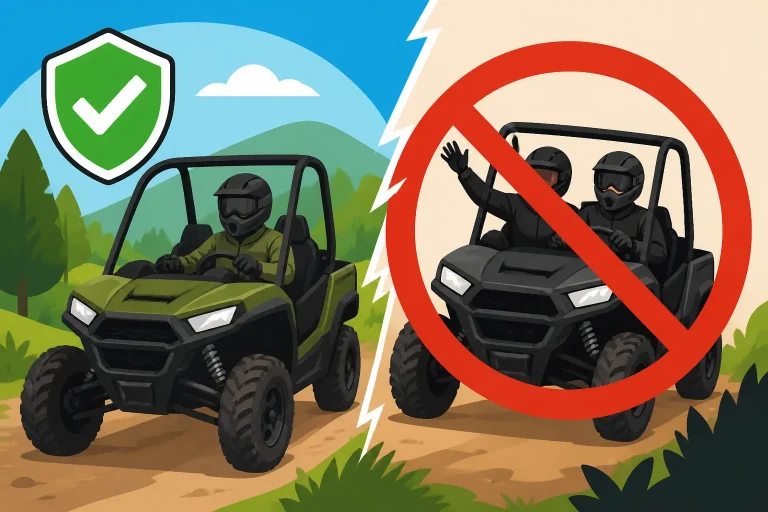
Supervision is not a substitute for permission. An adult riding beside a 12-year-old does not make an age-restricted trail open to that child. Likewise, having the correct permit does not remove an age limit. Treat each requirement as its own check: rider age, supervision, machine eligibility, permit, and where the child may go.
Planning a visit that works for the whole family
A little preparation can prevent an awkward conversation at the trailhead or a disappointed child after the family has unloaded. Call or check the official park information before the trip, particularly if this is the first visit, the child is close to an age cutoff, or the family has questions about the youth area’s location and access.
Use a simple process:
- Choose the riding area. Make sure the destination has a youth area and that it is suitable for the child’s machine and experience.
- Confirm the age rule. Ask where a 12-year-old is allowed to ride and whether any specific supervision conditions apply.
- Check current access. Look for operating information, trail notices, and closures. Conditions or access can change, so a past visit is not a guarantee that an area is open now. See Missouri Trail Closures to Check First.
- Verify permits. Confirm what the park requires for the machine and how to obtain or display the permit. Current permit details should be checked with the provider; do not rely on old paperwork or another location’s rules.
- Check machine and gear requirements. Confirm that the machine is permitted and bring equipment that fits the rider, including a properly fitted helmet where required.
- Set boundaries before riding. Show the child the youth-area limits and agree that they will stop and check with the adult before leaving the designated space.
- Have a backup plan. If the youth area is closed, unsuitable, or unavailable, do not substitute a regular trail. Choose another permitted activity or another riding location.
The most useful family conversation happens before the engine starts. Explain that the youth area is the approved place for a 12-year-old, and that trail access is not a reward for skill or an extension of the practice area. A child who understands the boundary is less likely to follow older riders onto a route that is not allowed.
Adults should also plan to supervise actively. That means paying attention to the rider’s location, pace, and surroundings, rather than assuming that being somewhere on the property is enough. Keep the child within sight or otherwise within the level of oversight required by the park. If the area is crowded or the rider is new, close supervision can help prevent collisions and make it easier to intervene if the child becomes tired or uncertain.
Make sure the machine fits the rider. The child should be able to reach and operate the controls, understand how to stop, and handle the machine at a pace appropriate to their ability. A youth-area designation does not make every machine or riding style safe for every child. If the rider is fatigued, overwhelmed by traffic, or struggling to control the machine, take a break or end the ride.
Park rules may include specific safety requirements beyond age and supervision. Check the location’s current instructions rather than assuming that equipment used at another site meets the requirement. Missouri Supervision Rules Under Sixteen and Missouri Youth Riding Area Rules are useful topics to review when preparing for a young rider.
Common assumptions that lead to trouble
“The child is experienced, so the regular trails should be fine.” Experience does not cancel the age restriction. A confident 12-year-old is still subject to the youth-area limit. Keep the ride within the location designated for that age group.
“The adult is right behind them, so they can go anywhere.” Supervision and trail eligibility are different requirements. An adult can supervise a child in an approved area, but supervision does not grant access to an age-restricted route.
“The machine has a permit, so the rider can use the trails.” A permit may cover access for the machine, but it does not necessarily change the rider’s age-based limits. Confirm both the permit and the child’s allowed riding area.
“A decal means we do not need to check park rules.” Registration and public-land access can involve separate requirements. Confirm what applies to the destination and machine rather than treating one decal as permission for every trail.
“The youth area must be open because the park is open.” A park can be accessible while a particular riding area has a closure or restriction. Check current notices before loading the machine. If the youth area is unavailable, do not use the regular trail system as a substitute for the child.
“A rule at one riding area applies everywhere in Missouri.” Public riding locations can have different rules. Check the requirements for the actual destination, including whether the land is a state park, national forest, or another type of property.
The practical takeaway is straightforward: for a 12-year-old at a Missouri state park with off-road vehicle riding, plan on the youth area and verify the site’s current conditions and requirements. Keep age, supervision, machine eligibility, and permits separate in your planning. That approach avoids relying on assumptions and helps the family arrive knowing where the young rider can go.
Disclaimer
This article is for general informational purposes only and does not constitute professional advice. Laws, prices and regulations vary by location and change over time. Consult a qualified professional for guidance on your specific situation.