Harrisonville’s Police Department Permit
The winding roads and suburban sprawl of places like Harrisonville can be incredibly frustrating for UTV owners who just want to get from point A to point B without trailering their machine. It’s a common misconception that all side-by-sides are totally street legal in Missouri, but the reality is far more nuanced, often leaving riders scratching their heads. This comprehensive guide will walk you through the specific requirements and process for obtaining a Harrisonville Police Department permit, allowing you to legally operate your UTV on designated city streets and cut through some of that confusion.
Navigating Local Ordinances for UTV Road Use
Many Missouri cities and counties have taken matters into their own hands when it comes to regulating the use of UTVs and other off-highway vehicles on local roads. While state law provides some general guidelines, it often delegates specific permitting and usage rules to the local level. This patchwork of regulations can be a real headache for riders, especially if you live near city limits or travel through multiple jurisdictions. It's not uncommon to find yourself perfectly legal in one town, only to be technically breaking the law a few miles down the road. Harrisonville is one such community that has established its own clear process, providing a much-needed pathway for responsible UTV operation within its boundaries.
Why Local Permits Are Necessary in Missouri
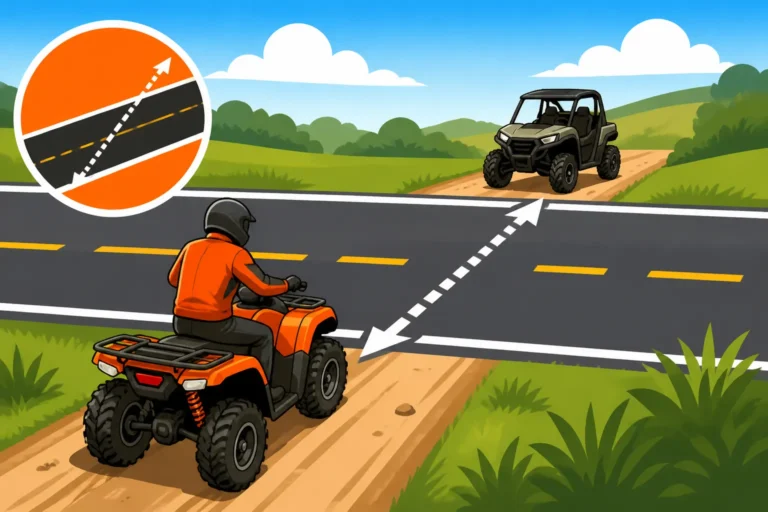
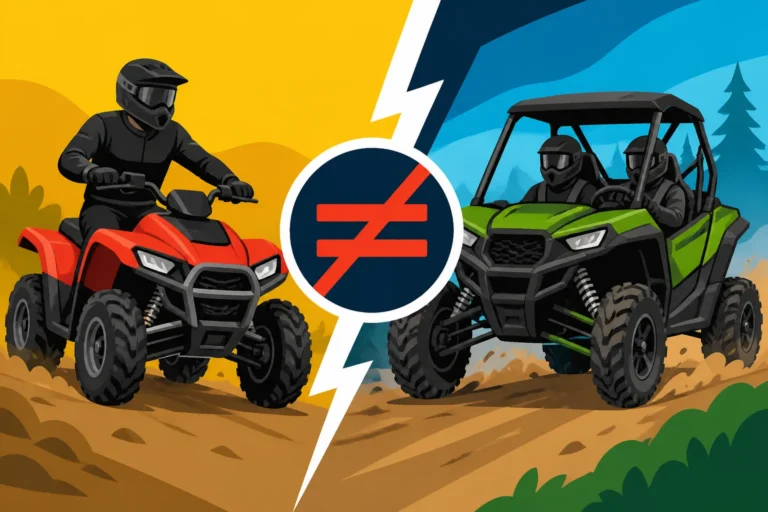
The core issue stems from how Missouri state law defines different types of off-highway vehicles. An "all-terrain vehicle" (ATV) is generally understood as a machine designed for off-road use, typically with a straddle seat and handlebars, under 50 inches wide. Side-by-sides, which the state often refers to as "Recreational Off-Highway Vehicles" (ROVs) or "Utility Vehicles" (UTVs), are distinct. State statutes prohibit the general operation of these vehicles on public roads, with a few specific exceptions like agricultural use or crossing a highway at a specific angle. For those looking to commute or simply enjoy their machine on city streets, these exceptions aren't enough. This is where local ordinances come into play, as they grant cities the authority to create specific permitting processes to allow road use. Without such an ordinance, riding your side-by-side down the street is almost certainly illegal, regardless of how safe you feel you're being.
The State's Stance Versus Local Control
It’s easy to get caught up in the idea that if a machine is titled, it should be able to go on the road, but that’s simply not how it works for many off-road vehicles. Missouri's Department of Revenue handles titling and registration for ATVs, issuing a decal rather than a traditional license plate. However, this process doesn't automatically confer street-legal status. For UTVs, many don't even require state registration unless they meet the definition of a low-speed vehicle or are otherwise specifically modified. This disconnect means that even if you've got all your state paperwork in order, it doesn't automatically grant you permission to drive around town. This distinction is crucial, and it’s why understanding ordinances like Harrisonville's is so vital. It’s about navigating the two layers of rules: state and local. You might want to refer to [Do You Need to Register a UTV in Missouri?] for more context on the state side of things.
Eligibility and Machine Requirements for a Harrisonville Permit
Before you even think about filling out an application, you need to ensure both you and your UTV meet Harrisonville's specific criteria. This isn't a "one-size-fits-all" situation; the city has laid out clear guidelines to ensure safety and compliance within its jurisdiction. It’s a bit like preparing for a big exam – you need to know exactly what’s expected.
Who Can Apply for a Harrisonville Permit
First and foremost, the Harrisonville ordinance is generally geared towards Recreational Off-Highway Vehicles (ROVs), which is the state's legal term for what most of us call side-by-sides or UTVs. True ATVs, with their straddle seats and handlebars, typically do not qualify for these types of city permits. So, if you're riding a quad, this permit likely won't apply to you for road use. Beyond the vehicle type, the applicant themselves must meet certain qualifications. Generally, you need to be a licensed driver – meaning you hold a valid Missouri operator's or chauffeur's license. This isn't a beginner's permit; it assumes you already have a foundational understanding of road rules and safe driving practices. The permit is issued to an individual and for a specific machine, emphasizing individual responsibility.
Vehicle Equipment and Safety Standards
Harrisonville, like many other cities that allow UTVs on public roads, has a strict list of safety equipment that your machine must possess. This isn't just about looking good; it's about ensuring your UTV is visible, controllable, and offers a reasonable level of safety for both its occupants and other road users. Think of it as making your off-road machine as close to a regular car as possible, within reason.
Here’s a typical rundown of what you’ll need:
- Headlights and Taillights: Your UTV must have functional headlamps that emit a white light and taillamps that emit a red light, both visible from a specified distance. This is absolutely critical for visibility, especially during dawn, dusk, or inclement weather.
- Brake Lights: When you hit the brakes, lights on the rear of your machine need to illuminate. This is a fundamental safety feature for any road vehicle.
- Turn Signals: You'll need amber turn signals on both the front and rear, indicating your intentions to other drivers. This is often an aftermarket addition for many UTVs.
- Horn: A functional horn is essential for warning pedestrians or other vehicles of your presence.
- Mirrors: You'll need at least one rear-view mirror, and often two (one on each side) to give you a clear view of traffic behind you.
- Windshield: A safety glass or similarly approved windshield is usually required to protect occupants from road debris.
- Seat Belts: If your UTV has seats, it must have functional seat belts for all occupants, and they must be worn. This aligns with standard vehicle safety practices.
- Roll Bar/Roll Cage: Most UTVs come with a factory-installed roll bar or roll cage, and this is generally a requirement for city road use to protect occupants in case of a rollover.
- Tires: Your tires must be in good condition, without excessive wear or damage, and suitable for road use. Aggressive off-road treads might be okay, but they shouldn't be bald.
- Safety Flag: Many ordinances, including Harrisonville's, require a brightly colored safety flag mounted on a mast that extends at least 7 feet above the ground. This helps make your UTV more visible, especially to larger vehicles or on hilly terrain. You can learn more about this in [Missouri Safety Flag Requirements].
- Insurance: Proof of financial responsibility, typically in the form of an insurance card showing minimum liability coverage, is almost universally required. This protects you and others in case of an accident. You might be interested in [Missouri ATV Insurance Requirement].
It's common for UTV owners to turn to aftermarket suppliers like SuperATV to find compliant lights, horns, mirrors, and even full street-legal kits that meet these municipal requirements. Getting all of these components installed and working correctly is a key step in the permit process.
Distinguishing ROVs from ATVs and Other Vehicles
The key is often the seating and steering. An ATV is designed for a single rider or, in some cases, a passenger, straddling the machine like a motorcycle, and is steered with handlebars. An ROV (side-by-side or UTV) typically has bucket seats or a bench seat, a steering wheel, and foot pedals, much like a small car. This distinction is vital because Harrisonville's ordinance, like most, is written specifically for the ROV category. If you try to apply for a permit with a traditional quad-style ATV, you'll likely be denied. For a deeper dive into the specific definitions, you might want to look at [What the Law Calls a Recreational Off-Highway Vehicle]. Additionally, there's a distinction from golf carts or low-speed vehicles, which have their own separate rules and often stricter speed limitations. Your UTV must truly be an ROV by Missouri's definition.
The Application Process for a Harrisonville Permit
So, you've checked all the boxes, you know your UTV is properly equipped, and you're ready to get rolling. Great! Now comes the paperwork and the actual interaction with the city. This isn't just a formality; it's a careful process designed to ensure that everyone operating a UTV on Harrisonville's streets understands and commits to the rules.
Where to Obtain the Application
The first step is always to go directly to the source. For a Harrisonville Police Department permit, you'll typically need to visit the Harrisonville Police Department directly or check the City of Harrisonville's official website. They will have the most current application forms and instructions. Avoid third-party websites for forms, as requirements can change, and you want to ensure you have the absolute latest version. You might even find a dedicated section on their website detailing the full ordinance and frequently asked questions. Don't be shy about calling their non-emergency number during business hours if you have specific questions about where to find the forms or start the process. This is similar to [Getting a Road Permit From a Police Department] in other jurisdictions.
Required Documentation and Fees
When you show up to apply, you'll need more than just a pen. The police department will require several pieces of documentation to verify your identity, your vehicle's ownership, and its compliance. While the exact list can vary slightly, you can generally expect to need:
- Valid Driver's License: Your Missouri operator's or chauffeur's license, as mentioned before. They'll likely make a copy for their records.
- Proof of Ownership: This usually means your UTV's title. If you've just purchased it, perhaps a bill of sale and the application for title. They need to confirm you are the legal owner of the machine you're seeking to permit.
- Proof of Insurance: An up-to-date insurance card or policy declaration page showing that your UTV is covered by liability insurance.
- Vehicle Identification Number (VIN): The VIN from your UTV. It's often helpful to have it written down or easily accessible on the machine itself for inspection.
- Application Form: The completed application form, which will ask for details about you and your vehicle.
There will also be a fee associated with the permit. This fee covers the administrative costs of processing the application, conducting inspections, and issuing the permit. The exact amount can vary, so always check with the Harrisonville Police Department for current figures. These fees are usually non-refundable, so it's best to ensure you meet all requirements before submitting. The permit will often be valid for a set period, usually one year, requiring annual renewal.
The Vehicle Inspection Process
This is a critical part of getting your Harrisonville permit. The police department won't just take your word for it that your UTV is properly equipped. A law enforcement officer or designated city official will likely perform a physical inspection of your machine to verify that all the required safety equipment is installed and functioning correctly.
During the inspection, they'll check:
- Lights: Headlights (high/low beam), taillights, brake lights, and turn signals will all be tested. Make sure all bulbs are working.
- Horn: They'll test the horn to ensure it's audible.
- Mirrors: Confirm you have the required mirrors and they provide adequate rear visibility.
- Windshield: Check for cracks or obstructions and ensure it's made of appropriate material.
- Seat Belts: Verify that all seat belts are present, functional, and properly secured.
- Tires: A quick visual check for tread depth and overall condition.
- Safety Flag: They'll check the flag's height, color, and secure mounting.
- VIN: The VIN on the application will be compared to the VIN on the actual vehicle to ensure they match.
- General Condition: While not usually a full mechanical inspection, they'll look for any obvious safety hazards or excessively loud modifications.
It's a good idea to arrive for your inspection with your UTV clean and easily accessible for the officer. Having all your paperwork organized and ready will also speed up the process. If your UTV isn't up to par, they'll likely give you a list of deficiencies that need to be corrected before you can pass the inspection and receive your permit. Many UTV owners source these safety-critical parts from trusted brands like SuperATV, ensuring they meet robust standards.
Rules of the Road with a Harrisonville Permit
Once you've successfully navigated the application process, received your permit, and proudly affixed your city decal (if required), you're ready to hit the streets! But don't just put the pedal to the metal. Having the permit means you've agreed to abide by a very specific set of rules. This isn't a free pass to drive your UTV like a race car; it's a privilege that comes with significant responsibilities.
Designated Streets and Speed Limits
The Harrisonville permit typically grants you access to most city streets, but there might be specific exceptions. It’s crucial to understand if there are any designated "no-UTV" zones, such as certain state highways that pass through the city, or areas specifically prohibited by local ordinance. Often, higher-speed arterial roads or major state routes are excluded due to safety concerns. Always check the official city ordinance or permit details for any specific street restrictions.
Beyond street access, speed limits are paramount. You are expected to obey all posted speed limits, just like any other vehicle. However, some ordinances might impose a maximum speed limit for UTVs that is lower than the posted limit for cars, even on streets where the posted limit is higher. For example, some cities cap UTVs at 25 or 35 MPH, regardless of the car speed limit. Pay close attention to these details. Remember, UTVs handle differently than cars, especially at higher speeds, and are generally less visible, making caution essential.
Operator and Passenger Regulations
The permit is for the operator, and typically, that operator must be the person whose name is on the permit and who holds a valid driver's license. Letting an unlicensed driver or a minor operate your permitted UTV on public roads is a serious violation. Additionally, strict rules apply to passengers. Generally, you can only carry as many passengers as your UTV was designed for and has factory-installed seat belts. So, if your UTV is a two-seater with two belts, you can only have one passenger. Children must also be properly restrained, often requiring them to meet the same age, height, and weight requirements as they would in a car for specific car seats or booster seats. This is a common point of confusion, and you can find more information about it in [Missouri Rules for a Passenger in a UTV]. Overloading your UTV or allowing passengers to ride in cargo beds is not only illegal but extremely dangerous.
What to Carry With You While Riding
Just like driving your car, when you're operating your permitted UTV on Harrisonville streets, you need to have certain documents on your person or readily accessible in the vehicle. This includes:
- Your Valid Driver's License: Always.
- Your Harrisonville UTV Permit: This is your proof that you have city permission.
- Proof of Insurance: An insurance card for the UTV, just as you would for your car.
- Vehicle Title/Registration Proof: While your UTV might not have traditional state registration, having proof of ownership (like a copy of the title) can be helpful if questioned.
These documents will be what a police officer asks for during a traffic stop. Being able to produce them quickly and efficiently will make any interaction go much smoother. Imagine being pulled over and unable to prove your legitimacy – it could lead to tickets or even your UTV being impounded. This is why keeping a waterproof bag in your UTV for these essential documents is a great idea.
Common Pitfalls and Staying Compliant
Getting the permit is a big step, but maintaining your compliance and avoiding common mistakes is just as important. The goal is to enjoy the convenience of riding your UTV on city streets without running afoul of the law, which could lead to significant fines or even the loss of your permit.
Permit Renewal and Re-Inspection
Harrisonville permits are not forever. They typically have an expiration date, often one year from issuance. It is your responsibility to keep track of this date and initiate the renewal process before your permit expires. Don't wait until the last minute! Renewals usually involve another application, payment of a renewal fee, and potentially another physical inspection of your UTV to ensure it still meets all safety requirements. This regular re-inspection is crucial because components can wear out, modifications might be made, or new safety standards could be introduced. Treating your permit like an annual vehicle inspection will help you stay on top of it.
Understanding Harrisonville's 3-Mile Rule (if applicable)
While Harrisonville's permit system might allow broader street access, it's worth noting the statewide "3-mile rule" that exists for ROVs in Missouri. This state statute allows an ROV to be operated on state roads within three miles of the owner's primary residence for the purpose of accessing a service. However, this rule comes with its own specific set of requirements, including an operator's license, specific lighting, a roll bar, and a safety flag. It's important to understand that Harrisonville's local ordinance may supersede or expand upon this state rule within city limits, offering more comprehensive access. However, if you venture outside of Harrisonville into an area without a local ordinance, the state's 3-mile rule might be your only legal recourse for short trips. It's a complex interaction of laws, so always know which set of rules applies where you are. The state rule for ROVs is covered in more detail in [Missouri's 3-Mile Rule for Side-by-Sides].
Penalties for Non-Compliance
Operating your UTV on Harrisonville streets without a valid permit, or failing to adhere to the rules after obtaining a permit, can lead to serious consequences. Law enforcement officers are vigilant about ensuring safety and compliance. Penalties can range from traffic citations and fines to having your UTV impounded. Repeat offenses or severe violations could even result in your permit being revoked, meaning you'd lose the privilege of riding on city streets entirely. [Missouri Fines for Illegal ATV Road Use] outlines some of the potential financial impacts. Remember, the goal of these permits is not to punish riders, but to create a safe environment for everyone. By taking the time to understand and follow the rules, you contribute to a positive perception of UTV riders in the community and help ensure these privileges continue. You've gone through the effort to get your SuperATV accessories installed and your permit issued, so don't risk it by being careless!
Harrisonville in the Context of Other Missouri Communities
Harrisonville isn't alone in creating a framework for UTV road use. Across Missouri, many cities and counties are grappling with how to integrate these popular vehicles into their existing transportation networks. Understanding Harrisonville's approach can help shed light on broader trends and challenges in the state.
Local Ordinances Across Missouri
The reality is that Missouri is a mosaic of different regulations when it comes to UTVs on public roads. While Harrisonville has a specific police department permit, other cities might have similar systems, while some rural counties might rely solely on the state's limited exceptions. Communities like Lake Ozark, St. James, Lebanon, and Grain Valley have all, at various times, enacted ordinances to allow UTVs on their streets, each with its own nuances regarding permits, equipment, and designated areas. This variability can be incredibly confusing for riders who travel across county lines or visit different towns. It underscores the importance of always checking the local laws of any municipality you plan to ride in, rather than assuming a permit from one town applies to another. You can't assume that because your Harrisonville permit allows you on their streets, you can drive your UTV into the next town over without checking their specific rules.
Why Cities Choose to Allow UTVs on Roads
The decision for a city like Harrisonville to allow UTVs on its streets typically comes from a blend of community demand, economic benefit, and a desire to provide regulated access. Many residents own UTVs and want the convenience of using them for short trips to the store, to visit neighbors, or simply to get around their property without trailering. For some communities, especially those with a strong outdoor recreation or agricultural base, UTVs are a part of the local culture and economy. By creating a permit system, cities can control how and where UTVs are operated, ensuring safety while still providing residents with a desired amenity. It's a pragmatic approach to a growing trend, recognizing that UTVs are a part of modern life for many Missourians. The fees collected from permits can also help offset administrative costs or even contribute to local infrastructure, making it a win-win for both riders and the city.
The Role of Law Enforcement in Local UTV Rules
The Harrisonville Police Department plays a central role in this entire process, from issuing permits to enforcing the ordinance. This is a common setup across Missouri, as local law enforcement agencies are best equipped to handle inspections, field questions from the public, and respond to incidents. Their involvement ensures that safety standards are met and that all riders understand their responsibilities. It also means that officers on patrol are familiar with the local UTV rules and can differentiate between legal, permitted use and illegal operation. Building a good relationship with your local law enforcement and understanding their role is key to being a responsible UTV owner in any community. They aren't trying to make things difficult; they're trying to keep everyone safe.
Disclaimer
This article is for general informational purposes only and does not constitute professional advice. Laws, prices and regulations vary by location and change over time. Consult a qualified professional for guidance on your specific situation.