Riding a Levee After a Flood
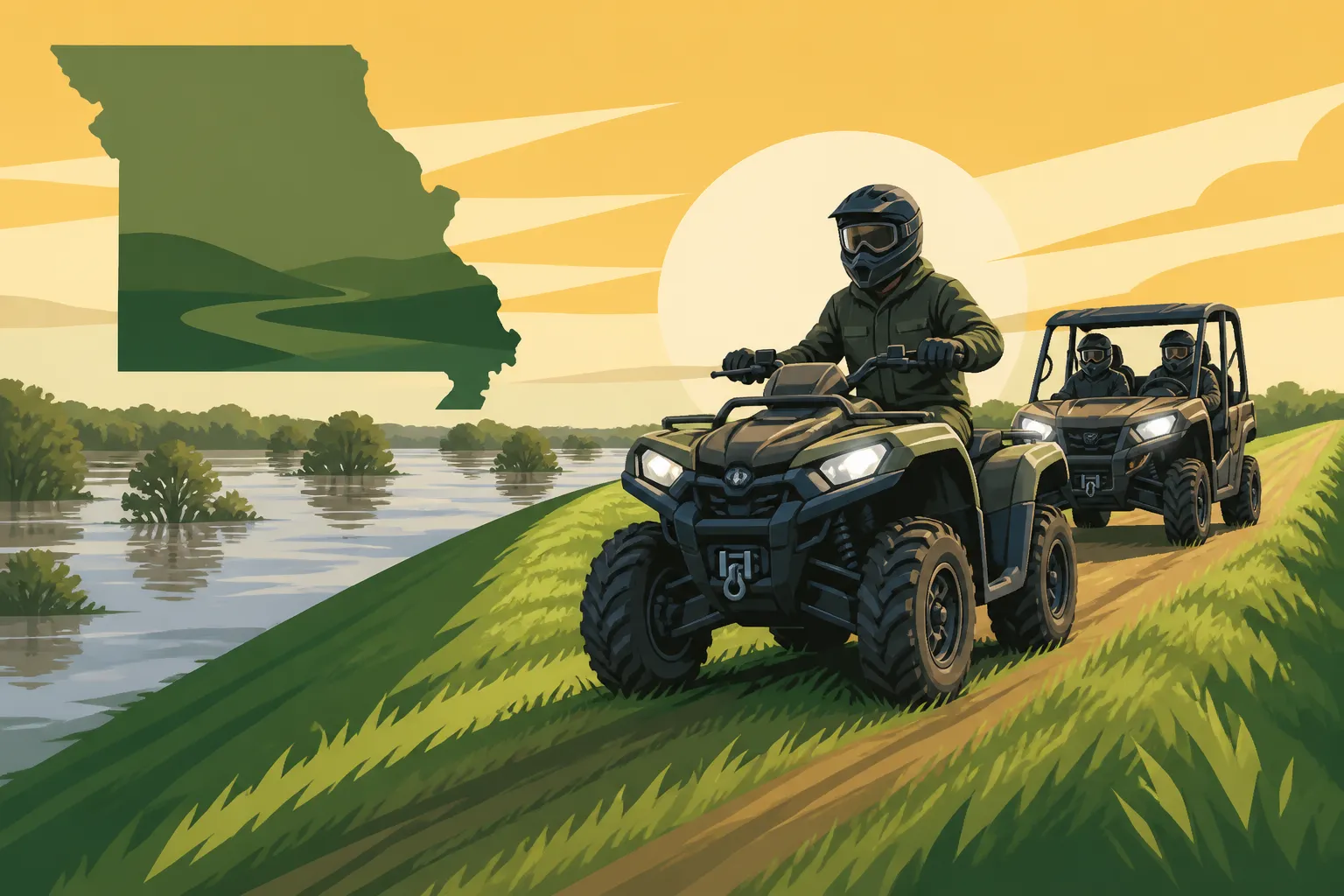
There's something undeniably captivating about a landscape transformed by water, especially after a major flood recedes. Those familiar Missouri levees, usually solid and predictable, suddenly present a whole new challenge, a mix of mud, debris, and shifting terrain. For ATV and UTV enthusiasts, the urge to explore, to see the extent of the impact, or even to assist in recovery efforts, can be incredibly strong. But hitting those flood-affected levees without careful thought can lead to serious trouble, from hidden dangers to legal headaches and significant damage to your beloved machine. This guide will walk you through the realities, the risks, and the responsible ways to approach riding a levee after a flood in Missouri.
Understanding the Allure and Hidden Dangers of Post-Flood Levee Riding
When the floodwaters begin to recede, exposing the levee system, it's natural for many Missouri riders to feel a pull towards these newly revealed landscapes. Whether it's driven by curiosity, a desire to help, or simply the thrill of navigating uncharted territory, the conditions are unlike anything you'd typically encounter. However, what looks like an exciting adventure can quickly turn into a perilous situation if you're not fully aware of the risks involved.
The Unique Appeal: Why Riders Are Drawn to Flood-Affected Areas
For many, the draw is multifaceted. First, there's the sheer novelty of it. A landscape reshaped by powerful water is a temporary canvas, and riders might want to witness the changes firsthand, especially if it's an area they know well. This can be particularly true for landowners checking on their property or neighbors assessing damage. There's also the element of challenge; the deep mud, unpredictable soft spots, and debris fields present a test of skill and machine capability that a well-maintained trail simply can't offer. It can feel like you're truly pushing your boundaries and those of your ATV or UTV.
Furthermore, some riders genuinely want to help. In the aftermath of a flood, ATVs and UTVs can be invaluable tools for accessing areas that are impassable for larger vehicles. This could mean delivering supplies, checking on livestock, or assisting in preliminary damage assessments for local residents. The sense of purpose and community contribution can be a powerful motivator, turning a recreational vehicle into a utility asset during a crisis.
Finally, for some, it’s simply about being the first to experience a unique, albeit temporary, riding environment. The thought of churning through fresh mud and navigating around newly formed obstacles before anyone else can be a strong draw. However, this appeal must always be weighed against the significant dangers and responsibilities that come with such an undertaking.
Unseen Hazards: What Lurks Beneath the Mud and Debris
Beneath that seemingly endless expanse of mud and water-soaked earth, a multitude of dangers lie hidden, just waiting to ambush an unsuspecting rider. One of the biggest risks is washouts. Floodwaters carve away at the ground, creating deep, unseen ravines or undermining the levee's structure itself. What looks like a flat stretch could suddenly drop into a several-foot-deep hole, leading to a catastrophic rollover or impact. The integrity of the levee might be severely compromised, and driving on it could exacerbate structural damage, potentially leading to further collapse.
Then there's the debris. Floodwaters are indiscriminate, carrying everything from tree limbs, fence posts, and chunks of concrete to household appliances and sharp pieces of metal. These items can be partially buried, invisible until your tires or chassis hit them. Hitting something sharp can shred a tire, while striking a solid, immovable object at speed can bend axles, damage suspension components, or even cause the rider to be thrown from the machine. Even seemingly minor obstacles can create dangerous situations in deep mud where control is already compromised.
Beyond physical objects, the consistency of the mud itself is a major hazard. It’s rarely uniform. One moment you might be on relatively firm ground, and the next you could be mired in quicksand-like silt that can swallow your tires, bogging you down completely. This isn't just an inconvenience; being stuck in a remote, unstable area, potentially with rising water or rapidly deteriorating conditions, can be a life-threatening situation. Always remember that the ground you're riding on is saturated and unstable, making every turn and acceleration a gamble. [Missouri Riding After Heavy Rain] is one thing, but floodwaters take it to another level entirely.
The Physical Toll on Your Machine: Beyond Just Getting Dirty
Your ATV or UTV is a robust piece of equipment, but flood conditions push its limits in ways regular trail riding never will. The relentless mud and water will inevitably find their way into every crevice, bearing, and electrical connection. Abrasive silt and grit act like sandpaper on moving parts, rapidly accelerating wear on wheel bearings, U-joints, and suspension bushings. If these contaminants get past seals, they can ruin differentials, transmissions, and even the engine itself.
Water intrusion is another massive concern. While many modern machines are designed to handle splashes and shallow crossings, submersion or prolonged exposure to floodwaters can wreak havoc on electrical systems. Headlights, sensors, ignition components, and even the battery can be damaged by water, leading to intermittent failures or complete shutdowns. The electronics in modern machines are complex and expensive to replace, and flood damage can often void warranties.
Beyond that, the sheer effort required to navigate deep mud and debris places immense strain on the drivetrain. Clutch components can overheat, drive belts can slip and wear out prematurely, and axles and CV joints can be stressed to their breaking point. What might seem like a thrilling challenge can easily result in thousands of dollars in repairs. This type of riding demands robust protection, and some riders might even consider products like heavy-duty skid plates or lift kits from brands like SuperATV to provide extra clearance and underbody defense against unseen hazards.
Navigating the Legalities: Permission, Trespass, and Responsibility
It’s easy to get caught up in the excitement of exploring flood-affected areas, but ignoring the legal aspects of levee riding, particularly after a natural disaster, can lead to serious consequences. In Missouri, just because an area is underwater or appears abandoned doesn't mean property rights cease to exist. Understanding who owns the land and securing permission is paramount, not just for legal reasons, but for personal safety and fostering good relationships within the community.
Who Owns That Levee? Public vs. Private Property Lines
Missouri’s levee systems are a complex patchwork of ownership. While some levees might be managed by federal agencies (like the Army Corps of Engineers) or local levee districts, the land they sit on, or the land adjacent to them, is often privately owned. Farmers, landowners, and even industrial entities might have sections of levee running through their property. Just because it looks like a public utility doesn't mean it's public access.
It’s a common misconception that if land is flooded or damaged, it becomes fair game for exploration. This is absolutely not true. Property lines remain intact, even when they're underwater or obscured by mud. What might appear to be a neglected or impassable road could still be a private drive, and a levee could be part of someone's farm. [Missouri Rules for Riding Private Land] clearly state that you need permission, regardless of the condition of the land.
Before you even consider bringing your machine near a levee, you must do your homework. Consult local county plat maps, or, better yet, talk to local residents and authorities to determine ownership. Assume that any levee, unless explicitly marked as a public trail, is on private property and requires permission for access.
The Critical Importance of Permission: Avoiding Fines and Bad Blood
This cannot be stressed enough: you must obtain explicit permission from the landowner or managing authority before riding on any levee, especially after a flood. Riding without permission is trespassing, plain and simple, and can lead to fines, impoundment of your machine, and even more severe legal repercussions. [Missouri Fines for Riding Off the Trail] are a real consequence for those who disregard property rights.
Beyond the legal penalties, riding without permission after a flood can severely damage community relations. Landowners are often dealing with immense personal and financial stress after a flood. Seeing ATVs or UTVs tearing up their property without consent can be incredibly frustrating and lead to animosity towards all riders. They might be concerned about further damage to their land, the levee's integrity, or even liability if you get injured on their property.
Approaching landowners respectfully, explaining your intentions (whether it's to help, assess, or simply observe from a distance), and asking for permission goes a long way. They might even be grateful for the assistance or happy to grant access if you're considerate. Always get permission in writing if possible, or at least have a clear understanding of the boundaries and conditions of your access. Remember, a simple conversation can prevent a major conflict. [Missouri Landowner Permission Requirements] are straightforward: ask first.
What Happens if You Don't Have Permission: Missouri's Trespass Laws
Riding on private property without permission in Missouri, including private sections of a levee, constitutes trespassing. This is not a minor infraction. While the specifics can vary based on the situation and the landowner's decision to press charges, trespassing can lead to significant penalties. At a minimum, you could be facing a Class B misdemeanor for first-time, simple trespass, which can carry jail time up to six months and/or a fine. If you cause damage or are repeat offender, the charges could be elevated.
Beyond the criminal aspect, landowners can also pursue civil damages if your riding causes further damage to their property, crops, or the levee structure itself. Repairing levee damage can be incredibly expensive, and you could be held liable for those costs. Imagine accidentally undermining a section of levee that then gives way during a subsequent high-water event; the financial and legal ramifications could be devastating.
Moreover, if you get stuck or injured while trespassing, you're putting emergency responders at risk and could face additional charges for creating a dangerous situation. Your ATV or UTV could also be impounded, leading to towing and storage fees on top of any fines. It's simply not worth the risk. Always secure permission, and if you can't, find another place to ride.
Equipping Yourself and Your Machine for the Challenge
Riding on flood-affected levees isn't just another casual weekend outing. The environment demands a higher level of preparation for both the rider and the machine. Without the right gear and modifications, you're not only risking getting stuck or damaging your ATV or UTV, but you're also putting yourself in a potentially life-threatening situation. Think of this as preparing for a recovery mission, not just a joyride.
Essential Gear for Rider Safety and Recovery
Your personal safety should always be the top priority. When venturing into flood zones, standard riding gear isn't enough. A DOT-approved helmet is non-negotiable, and ideally, one with a full face shield or paired with goggles to protect against mud and debris thrown up by your tires or other machines. Long-sleeved shirts, durable pants, and sturdy over-the-ankle boots are also essential. Remember that [Missouri Helmet Law for Riders Under 18] requires it, but adults should wear one too.
Beyond the basics, think about survival and recovery. A waterproof backpack should contain essentials like a first-aid kit, high-energy snacks, plenty of water, a fully charged cell phone (in a waterproof case!), a portable power bank, a bright flashlight, and a whistle. A GPS device or a mapping app on your phone with downloaded offline maps can be a lifesaver, as landmarks might be altered or submerged.
For recovery, you'll absolutely need a winch on your machine – and know how to use it safely. A long, sturdy tow strap (without metal hooks) and a folding shovel are also critical. Consider carrying a small, portable air compressor and a tire repair kit, as punctures from debris are highly probable. Finally, if you're riding with others, a communication system (like helmet-mounted radios) is invaluable for staying in contact in challenging conditions.
Preparing Your ATV or UTV for Extreme Conditions
Before you even think about engaging the ignition, a thorough inspection and specific preparations are crucial for your machine. First, ensure all fluids are topped off and fresh, especially engine oil, transmission fluid, and differential fluids. Check for any leaks that could worsen in harsh conditions. Grease all zerks to protect bearings.
Next, focus on the intake and exhaust. If there's any chance of deep water crossings, a snorkel kit is almost a necessity to prevent hydrostatic lock (where water enters the engine, causing catastrophic failure). While a snorkel kit isn't inexpensive, it's far cheaper than a new engine. Also, ensure your exhaust system is sound; any leaks could allow water into the engine if submerged. Many riders will also add dielectric grease to electrical connections to provide an extra layer of waterproofing against submersion and mud.
Finally, consider your tires. Standard all-terrain tires might struggle in the thick, soupy mud you'll encounter. Aggressive mud tires with deep, self-cleaning lugs will offer significantly better traction. Inspect your tires for any existing damage or low tread, and ensure they are properly inflated for the conditions. A slightly lower pressure might help in soft terrain, but too low and you risk bead separation or rim damage.
Considering Specialized Upgrades for Flood Terrain
While a stock machine might handle light mud, truly tackling flood-affected levees often calls for specialized upgrades. A heavy-duty winch is probably the most crucial addition. Look for a winch with sufficient pulling power for your machine's weight, preferably from a reputable brand like SuperATV, and always carry extra line or a snatch block for more complex recoveries. A winch can pull you out of the deepest mud or help you navigate around obstacles.
Skid plates and A-arm guards are also highly recommended. Floodwaters often hide sharp rocks, broken concrete, and other debris that can severely damage your machine's undercarriage, suspension components, and even the engine case. Robust protection can mean the difference between a damaged machine and a safe return.
Depending on the expected water depth, a lift kit can provide valuable extra ground clearance, reducing the chances of high-centering on obstacles or submerging critical components. Paired with larger, more aggressive tires, a lift kit from a brand like SuperATV can significantly improve your machine's capability in flood conditions. However, remember that raising your center of gravity can affect stability, so always ride with caution. Finally, a robust aftermarket suspension system can better absorb the impacts from unseen hazards and provide more controlled handling over uneven terrain, reducing rider fatigue and increasing safety.
Responsible Riding: Minimizing Impact and Maximizing Safety
Navigating flood-affected levees isn't just about personal adventure; it's about responsibility. The decisions you make while riding can have lasting impacts on the environment, the levee structure itself, and your reputation as a rider within the community. Approaching these conditions with a mindset of preservation and safety is key to a positive outcome for everyone involved.
Techniques for Traversing Soft Ground and Debris Fields
Riding on deeply saturated ground and through debris fields requires a nuanced approach that prioritizes control, momentum, and foresight. Slow and steady wins the race is a golden rule here. Avoid sudden, aggressive throttle inputs that can cause your tires to dig in and bury you deeper. Instead, try to maintain a consistent, moderate speed that allows your tires to find traction without spinning excessively. Picking the right gear is crucial; you want enough torque to keep moving, but not so much that you lose control.
When encountering deep mud, try to identify the shallowest path if possible. Look for areas where vegetation might offer a little more stability or where the water has flowed, potentially clearing some of the thickest mud. If you must cross a debris field, do so extremely slowly, carefully picking your way around obstacles. If an object looks too risky to cross, consider turning around and finding an alternate route. Sometimes, getting stuck while trying to be a hero isn't worth it.
If you do start to bog down, a gentle back-and-forth rocking motion might help regain traction. However, if you feel your machine sinking rapidly, don't force it. It's often better to stop, assess, and use your winch or have a riding buddy pull you out. Trying to power through when completely stuck can cause more damage to your machine and the ground beneath. Always be ready to [Tow With a UTV] or utilize recovery gear.
Post-Ride Maintenance: Cleaning Up the Aftermath
After a ride on flood-affected levees, your ATV or UTV will be absolutely caked in mud, silt, and potentially corrosive contaminants. Immediate and thorough cleaning is not just about aesthetics; it's critical for the longevity of your machine. Start with a gentle rinse to remove the heaviest mud. Use a pressure washer carefully, keeping the nozzle moving and away from sensitive components like bearings, seals, electrical connectors, and radiators, as high-pressure water can force contaminants inward.
Pay special attention to the suspension, drivetrain, and brakes. Mud and grit trapped in these areas will rapidly wear down components. Flush out control arms, inspect boots for tears, and ensure your brakes are free of debris. Remove your wheels and thoroughly clean the hubs, rotors, and calipers.
Once clean, let your machine dry completely. Then, it's time for lubrication and inspection. Grease all zerks, check all fluid levels again (especially engine oil, as water can sometimes bypass seals and contaminate it), and inspect all electrical connections for signs of corrosion or damage. Check your air filter; if it's wet or dirty, replace it immediately. This level of [Missouri ATV Maintenance Costs] can be minimized with diligent post-ride care.
Being a Good Steward: Protecting the Environment and Your Reputation
Riding on flood-affected levees carries a significant responsibility towards the environment and the community. The ground is often highly susceptible to erosion, and tire ruts can quickly turn into deep channels, leading to further damage when the next rains come. Stick to existing paths if possible, and avoid creating new trails through fragile areas. This also helps prevent damage to nascent vegetation trying to recover.
Be mindful of wildlife. Floodwaters displace many animals, and levee systems might be temporary refuges. Ride cautiously, observe your surroundings, and avoid disturbing displaced wildlife. Remember that you are a visitor in a disrupted ecosystem.
Finally, consider your reputation as an ATV/UTV rider. Unsanctioned or reckless riding on flood-damaged property, especially after a disaster, can quickly sour public opinion towards the entire riding community. This can lead to increased restrictions, closures of legal riding areas, and a general negative perception. By being respectful, securing permission, riding responsibly, and actively cleaning up any trash you find, you contribute positively to the image of off-road enthusiasts. This helps ensure that future generations of riders will have places to enjoy their sport.
Pre-Ride Checklist for Flood-Affected Levee Exploration
Before you venture out onto those challenging, post-flood Missouri levees, take a moment to run through this critical checklist. It's designed to help ensure your safety, protect your machine, and keep you on the right side of the law.
| Category | Item | Check | Notes |
|---|---|---|---|
| Legal & Planning | Landowner Permission | [x] Confirmed and Documented | Absolutely essential. Know precisely where you can and cannot ride. |
| Route Planning / Maps | [x] Reviewed and Downloaded Offline | GPS or mapping app with offline maps. Landmarks may be gone. | |
| Weather Forecast | [x] Checked for current and upcoming conditions | Avoid riding if more rain or storms are expected. | |
| Notify Someone | [x] Informed a reliable contact of your route and estimated return | Crucial for safety in case of an emergency. | |
| Rider Safety Gear | DOT-Approved Helmet | [x] Secure and Undamaged | Full-face or goggles recommended for mud protection. |
| Eye Protection | [x] Clean and Scratch-Free | Goggles or face shield for mud and debris. | |
| Durable Clothing | [x] Long sleeves, pants, sturdy boots | Protection from scrapes, bites, and impacts. | |
| First-Aid Kit | [x] Stocked and Accessible | Essential for minor injuries or emergencies. | |
| Hydration & Snacks | [x] Plenty of Water, High-Energy Food | You'll be working harder in these conditions. | |
| Communication Device | [x] Charged Phone (Waterproof Case), Portable Charger, Whistle | Cell signal may be spotty. Backup communication is key. | |
| Machine Preparation | Fluids (Oil, Coolant, Diff) | [x] Checked and Topped Off | Ensure all fluid levels are optimal for strenuous work. |
| Tire Pressure & Condition | [x] Inspected for Damage, Correctly Inflated | Aggressive mud tires are ideal. Carry a repair kit. | |
| Winch & Recovery Gear | [x] Functional Winch, Tow Strap, Snatch Block | Test your winch before you go. | |
| Underbody Protection | [x] Skid Plates, A-Arm Guards (SuperATV options) | Protects against unseen debris and impacts. | |
| Snorkel Kit (if deep water expected) | [x] Installed and Sealed | Prevents hydrostatic lock; absolutely vital for deeper crossings. | |
| Electrical Connections | [x] Checked and Dielectric Greased | Protects against water intrusion and corrosion. | |
| Tools & Spares | [x] Basic Tool Kit, Tire Repair Kit, Small Air Compressor | For roadside (or levee-side) repairs. | |
| Environmental Mindset | Leave No Trace Principle | [x] Committed to packed-in/packed-out ethic | Bring out everything you brought in, and more if you see it. |
| Respect Wildlife | [x] Aware of displaced animals | Ride cautiously and avoid disturbing wildlife. | |
| Minimize Impact | [x] Avoid creating new ruts or trails | Protect the integrity of the levee and prevent further erosion. |
By taking the time to prepare thoroughly, you're not only increasing your chances of a safe and successful ride but also demonstrating respect for the land, the community, and the sport itself.
Disclaimer
This article is for general informational purposes only and does not constitute professional advice. Laws, prices and regulations vary by location and change over time. Consult a qualified professional for guidance on your specific situation.