Missouri Rules for a Disabled Rider on a Road
It can feel incredibly frustrating to be a disabled rider in Missouri, especially when you just want to enjoy the freedom of the open road, or simply need to get your ATV or UTV from one piece of property to another without breaking the law. The general rules about off-road vehicles on public roads can be confusing enough for anyone, let alone when you're navigating additional personal challenges. This guide is here to cut through the confusion and explain Missouri’s specific rules and exceptions that might apply to a disabled rider looking to legally operate their ATV or UTV on public roads.
Understanding the Landscape: ATVs, UTVs, and Missouri Roads
Let's get one thing straight right off the bat: generally speaking, Missouri isn't exactly rolling out the welcome mat for ATVs and UTVs on its public roads. Most of the time, these machines are considered off-road vehicles, designed for trails, fields, and private property, not for asphalt. This can be a real sore spot for many riders, and it's especially challenging for those with disabilities who might rely on their ATV or UTV for mobility or specific tasks, only to find their options severely limited by confusing regulations.
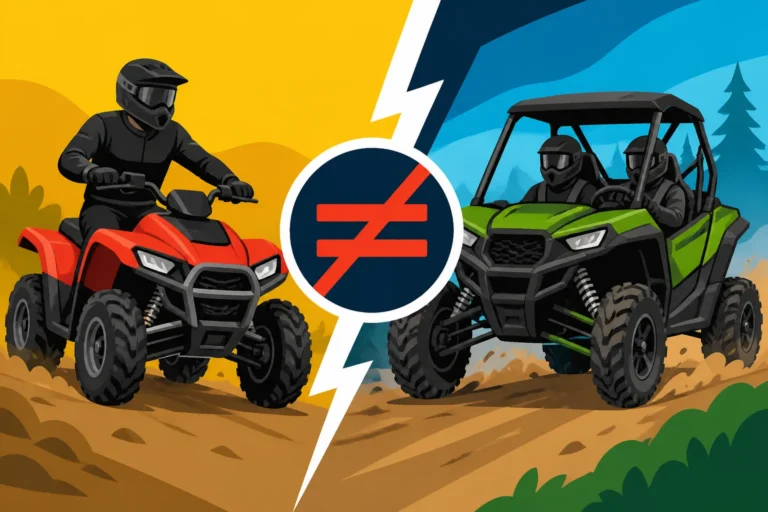
The legal framework in Missouri differentiates between ATVs, Utility Vehicles (UVs), and Recreational Off-Highway Vehicles (ROVs), often lumping UVs and ROVs together as "side-by-sides" in common parlance. [Why Missouri Splits ATVs, UTVs and ROVs] is a good read if you want to dive deeper into those definitions. Essentially, an ATV is typically a straddle-seat, handlebar-steered machine, while UTVs and ROVs are the sit-side-by-side models with steering wheels, seatbelts, and roll cages. This distinction matters a great deal when we talk about road use. For a disabled rider, the typical restrictions on public roads can feel like a major barrier to independence and enjoyment, making it all the more important to understand the specific pathways that do exist.
General Road Rules and the Frustration They Create
The blanket rule often feels like a brick wall: ATVs and UTVs are not licensed for road use in the same way cars or trucks are. You won't be heading down the interstate on your quad, that's for sure. For a disabled rider, this limitation can be particularly vexing. Perhaps you have limited mobility and your side-by-side is the easiest way to get to your hunting blind, or maybe you use it to tend to a large property that’s split by a county road. The thought of trailering your machine just to cross a short distance can be not only inconvenient but physically difficult.
This general prohibition means that without specific exceptions or permits, riding your ATV or UTV on a state highway or even many county roads is simply against the law. This is where understanding the nuances of Missouri's statutes becomes critical, because while the general answer to [Are ATVs Street Legal in Missouri?] is typically "no," there are indeed specific circumstances and local provisions that can open up possibilities, especially for those who need them most. It’s about finding those narrow, legal pathways.
Agricultural and Industrial Exceptions: Limited Relief
While not specifically tailored for disabled riders, Missouri law does provide some limited exceptions for agricultural and industrial use. These exemptions allow ATVs and UTVs to be operated on public roads for short distances when directly related to farming or industrial activities. For example, if you're hauling feed to livestock across a county road, or moving equipment between fields, you might qualify. This is an important distinction, as it’s tied to the purpose of the travel, not the operator's status.
For a disabled rider involved in farming or property management, these exceptions can be a lifeline. You still need to adhere to certain safety standards, like operating during daylight hours and often needing a slow-moving vehicle sign or safety flag. But it’s a far cry from being completely barred. These specific allowances underline the state's recognition that these vehicles are essential tools for certain professions, even if they aren't everyday commuters. Always remember to check [Missouri Rules for Agricultural Road Use] to ensure you meet all criteria, as these are often strictly interpreted.
Missouri's Special Permit for Road Use: A Path for Disabled Riders?
When it comes to disabled riders and road access for ATVs and UTVs in Missouri, it’s not always about a single, statewide "disabled rider permit." Instead, Missouri law provides a specific pathway for some disabled riders to operate their UTVs or ROVs on public roads for "short distances." This often works in conjunction with broader local ordinances that allow recreational off-highway vehicles (ROVs) on certain roads. It's less about a unique permit category and more about meeting specific criteria that include being a disabled driver.
The overarching structure for UTVs/ROVs on roads comes from local governments. Many cities and counties in Missouri have passed ordinances allowing ROVs on their streets under certain conditions, often requiring a special permit. This is where the specific language for disabled riders often surfaces, offering an additional layer of justification for a permit. It's worth noting that this usually applies to UTVs and ROVs, not typically ATVs, due to the inherent safety features like seatbelts and roll cages that side-by-sides offer.
Applying for a City or County Special Permit
If you're a disabled rider with a UTV or ROV, your first step is usually to look at the local level. [A City or County Special Permit in Missouri] is often available from your local police department, sheriff's office, or city hall. These permits are typically issued for specific roads within that jurisdiction. The application process usually involves proving ownership, showing proof of insurance, and demonstrating that your vehicle meets certain safety equipment requirements. For a disabled rider, you might also need to provide documentation of your disability, which can help justify the "short distances" exemption.
The cost for these permits is generally quite modest, often a fixed, low fee. Don't expect to pay an arm and a leg; the idea is usually to cover administrative costs, not to be a revenue generator. However, the catch is that a permit issued by, say, the city of Harrisonville, won't allow you to ride legally in a neighboring town like Peculiar, even if it's just a few miles down the road. Each jurisdiction has its own rules, and you need to comply with them individually. This patchwork of regulations can be a real headache, especially if you live near jurisdictional lines or need to travel through multiple areas.
Machine Requirements and Operator Qualifications
To even consider applying for one of these local permits, your machine needs to meet certain specifications. For UTVs/ROVs, this generally includes:
- Headlights and Taillights: Essential for visibility, especially if you're riding at dawn or dusk, even if the permit technically limits you to daylight.
- Brake Lights: Non-negotiable for safety.
- Horn: To alert pedestrians or other vehicles.
- Rearview Mirrors: Crucial for situational awareness.
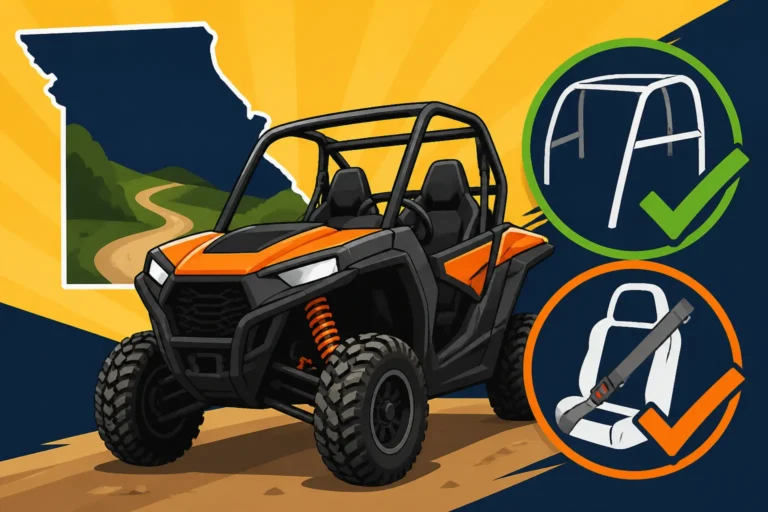
- Seatbelts and Roll Bar: These are often factory standard on UTVs/ROVs and are critical safety features. [Roll Bar and Seat Belt Rules for an ROV] are typically strictly enforced.
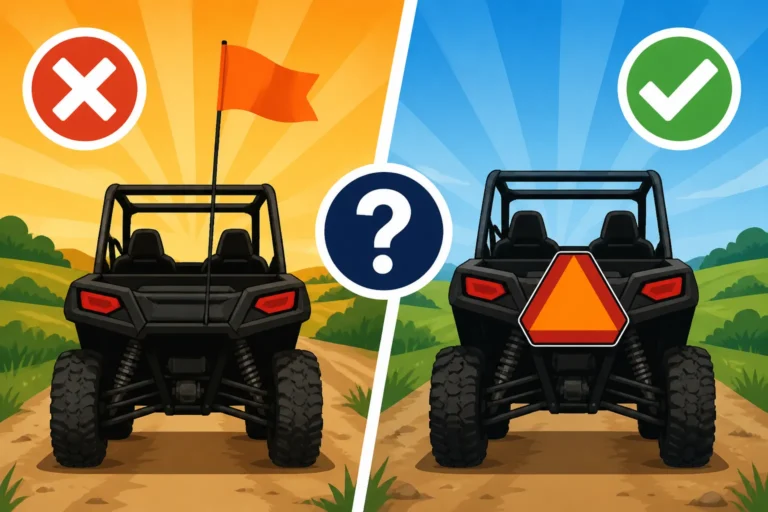
- Safety Flag: Often required, especially when crossing highways or operating on shared roads. [Missouri's 7-Foot Safety Flag] rule is important to understand.
Beyond the machine, the operator also needs to meet qualifications. This almost always includes holding a valid driver's license. [An Operator's or Chauffeur's License in Missouri] is required for driving any motorized vehicle on public roads, and your UTV or ROV, even with a special permit, is no exception. For disabled riders, this means ensuring your existing driver's license status doesn't have restrictions that would prevent you from operating such a vehicle. If you have any questions about this, it's always best to consult with your local Department of Revenue or an attorney specializing in vehicle laws.
Short Distances for a Disabled Missouri Rider: The Specific Exemption
Missouri law contains a very specific, and often overlooked, provision related to disabled individuals operating ATVs or UTVs for "short distances" on public roads. This isn't a free pass to ride anywhere, but it’s a crucial exception that can provide much-needed relief for those with mobility challenges. This particular rule is designed to enable access for essential purposes, recognizing the unique needs of disabled individuals. It’s a nuanced area, and understanding its limits is just as important as knowing its existence.
This exemption is distinct from general recreational riding permits. It focuses on necessity and proximity, rather than broader trail access. For a disabled rider, this can mean the difference between being able to access a hunting blind a quarter-mile down a county road or being stranded. It addresses those frustrating scenarios where a small stretch of public land or road separates a disabled person from their property or a recreational area they can otherwise access.
What "Short Distances" Really Means
The phrase "short distances" isn't precisely defined by a fixed mileage in Missouri statutes, which can sometimes lead to ambiguity. However, common interpretation and enforcement suggest it means the minimal distance necessary to accomplish a specific, justifiable task. This isn't about joyriding; it's about essential travel. For a disabled rider, this might entail:
- Accessing adjacent property: If your land is split by a county road, and using your ATV or UTV is the most practical, or only, way to move between sections.
- Reaching a hunting or fishing spot: When a short stretch of road leads directly to an accessible area on private land or a public access point where a disabled rider needs their machine for mobility.
- Connecting to trails: If a designated trail system is just across a minor road, and your mobility issues make alternative transport impractical.
It's critical to understand that "short distances" does not mean driving several miles to the store or cruising through town. It’s typically interpreted as being within the immediate vicinity of the rider’s property or intended destination, often just enough to bridge a gap. While the exact definition might vary slightly in practice depending on the jurisdiction, the spirit of the law is about functional necessity, not extended travel. You should always be prepared to articulate why your travel fits this definition if questioned by law enforcement.
Documentation and Machine Types Covered
While there isn't a specific "disabled rider license," having proper documentation is key. This would ideally include:
- Proof of Disability: A state-issued handicap placard or parking permit, or a doctor's note detailing your mobility limitations, can serve as crucial evidence. While the law itself doesn't explicitly require carrying a doctor's note for this exemption, it provides undeniable context for why you're utilizing the "disabled rider" exception.
- Driver's License: As with any road use, even under an exemption, you'll need a valid Missouri driver's license.
- Vehicle Ownership/Insurance: Proof that the ATV or UTV belongs to you and is insured.
Regarding machine types, this exemption can apply to both ATVs and UTVs (ROVs). Unlike some other road-use permits that heavily favor UTVs due to their safety features, the "short distances for a disabled rider" rule often encompasses ATVs as well, acknowledging that for some individuals, a quad might be the primary mode of off-road mobility. However, regardless of the machine, all applicable safety equipment for road use (lights, flag, etc.) should still be in place to ensure both your safety and compliance. This exemption is about who is riding and why, but not about waiving fundamental safety standards. For instance, even with this exemption, you would still need to follow [Missouri Rules for Crossing a Highway] if your short distance involves traversing a busier road.
Equipment Requirements for Road Use, Especially for Disabled Riders
When it comes to using your ATV or UTV on Missouri roads, especially as a disabled rider utilizing an exception, compliance with safety equipment is paramount. It’s not just about avoiding a ticket; it’s about your safety and the safety of others sharing the road. For disabled riders, ensuring your machine is properly equipped can sometimes involve adapting standard requirements to suit specific needs, but the core list of necessities remains consistent with what law enforcement will be looking for.
Aftermarket parts can play a significant role here, not just for compliance but for enhancing accessibility. Brands like SuperATV offer a range of accessories that can improve visibility, stability, and control, which are all critical considerations for a disabled operator.
Essential Lighting and Visibility
Visibility is non-negotiable, especially on public roads where you're sharing space with much larger and faster vehicles. Your ATV or UTV must have functional lighting.
- Headlamps and Taillamps: These are foundational. Your machine needs working headlamps for forward visibility and taillamps that illuminate when the vehicle is running. For an ROV, [Missouri Lighting Requirements for ROVs] are often quite specific, requiring them to be on even during daylight hours if operated on public roads.
- Brake Lights: When you apply the brakes, your brake lights need to illuminate brightly to warn drivers behind you. This is a crucial safety feature that often gets overlooked in casual off-road use but is mandatory for road operation.
- Reflectors: Additional reflective material on the front, rear, and sides can significantly increase your machine's visibility, particularly during dawn, dusk, or in less-than-ideal weather conditions. Consider adding reflective tape to critical points on your machine, even if not explicitly mandated.
For disabled riders, ensuring these lights are easily operable, even with limited dexterity, is key. Many modern UTVs come with excellent lighting packages, but older ATVs might need upgrades.
Safety Flag and Other Important Features
The safety flag is one of the most distinctive requirements for off-road vehicles on Missouri roads, and for good reason. It dramatically increases your visibility, particularly in hilly terrain or when emerging from concealed driveways or fields.
- Missouri's 7-Foot Safety Flag: This isn't just a suggestion; it’s often a specific requirement. The flag needs to be mounted so that the top of the flag is at least seven feet from the ground. This ensures it's visible over fences, crops, and even other vehicles. [Missouri's 7-Foot Safety Flag] also specifies a minimum size for the flag itself, often a bright, day-glow orange or red square of specific dimensions. This makes your relatively small machine much easier to spot by approaching traffic.
- Rearview Mirrors: While many ATVs might not come standard with rearview mirrors, they are often required for road use, especially on UTVs. These are vital for safely monitoring traffic behind you and making safe turns or lane adjustments. If your machine doesn't have them, consider adding a sturdy set of aftermarket mirrors.
- Roll Bars and Seatbelts: For UTVs/ROVs, these are typically standard equipment and are absolutely mandatory for road use. [Missouri Seat Belt Rules in a Side-by-Side] and [Missouri Roll Bar Requirements] are in place to protect occupants in the event of a rollover or collision. For a disabled rider, ensuring these are fully functional and easily accessible for buckling up is crucial. Companies like SuperATV offer various roll cage extensions and seatbelt options that can sometimes aid in accessibility or enhance safety further.
Table: Road Use Equipment Essentials for ATVs/UTVs in Missouri
| Feature | ATV (if permitted) | UTV/ROV (if permitted) | Notes for Disabled Riders |
|---|---|---|---|
| Head/Tail Lights | Required | Required | Ensure easily operable switches, consider brighter aftermarket options for enhanced visibility. |
| Brake Lights | Required | Required | Essential for warning others. |
| Safety Flag | Often Required (7ft height) | Often Required (7ft height) | Critical for visibility, especially for smaller vehicles. |
| Rearview Mirrors | Recommended/Often Required | Required | Crucial for monitoring traffic, check for blind spots. |
| Seatbelts | N/A (straddle seat) | Required | Ensure buckles are easy to manipulate if dexterity is an issue. |
| Roll Bar/Cage | N/A | Required | Standard on UTVs, provides crucial rollover protection. |
| Driver's License | Required | Required | Must hold a valid Missouri driver's license. |
| Insurance | Required | Required | Proof of liability insurance. |
| Slow Moving Vehicle Sign | Often Required | Often Required | If traveling under 25 mph, adds another layer of rear visibility. |
Driver's License and Insurance
Beyond the vehicle itself, the operator must be properly licensed and insured. [An Operator's or Chauffeur's License in Missouri] is a non-negotiable requirement for driving any motor vehicle on a public road, and that includes an ATV or UTV operating under an exception. Ensure your license is current and any restrictions on it don't prevent you from operating your specific machine.
Furthermore, [Missouri ATV Insurance Requirement] is a real thing. If you're going to be on a public road, even for a short distance under an exemption, you need to have liability insurance. This protects you financially in case of an accident. While standard auto insurance usually doesn't cover off-road vehicles, many specialized insurers offer policies for ATVs and UTVs that can be extended to cover limited road use. Don't skip this step, as the financial implications of an uninsured accident can be devastating.
Navigating Local Ordinances and Enforcement
Missouri's approach to ATV and UTV road use is, to put it mildly, a bit of a patchwork quilt. There isn't a single, statewide law that opens up all roads; instead, it's largely left up to individual cities and counties to decide whether and how they'll allow these vehicles on their local streets. This creates a challenging landscape for any rider, but especially for a disabled rider who relies on their machine and needs clear, consistent rules. What's perfectly legal in one town might get you a hefty fine just a few miles down the road.
This local control means that the special permit you acquire in your hometown will almost certainly not be valid in the next town over. [Does a City Permit Work in the Next Town?] The answer is almost universally no. Each jurisdiction sets its own rules, its own permit fees, and its own enforcement guidelines. This can be incredibly frustrating if your essential travel path crosses municipal or county lines, forcing you to potentially navigate multiple application processes or simply limiting your range significantly.
Researching Local Rules and Obtaining Permits
The most crucial step for any disabled rider considering road use is thorough local research. Don't assume anything.
- Contact Local Authorities: Your first call should be to your local city hall, police department, or county sheriff's office. Ask specifically about ordinances regarding ROV or ATV use on public roads, and inquire about any special provisions for disabled riders. Be prepared to explain your situation clearly and concisely. They can often provide copies of the relevant ordinances or direct you to where you can find them.
- Check City/County Websites: Many municipalities now publish their ordinances online. Look for sections on "motorized vehicles," "off-road vehicles," or "traffic laws."
- Permit Application Process: If your locality allows it, be prepared for a permit application process. This will likely involve filling out paperwork, providing proof of vehicle ownership, insurance, and your driver's license. For disabled riders, this is also the place to provide documentation of your disability if you are leveraging a specific "short distances" exemption. Ensure you understand all the conditions, such as hours of operation, specific roads allowed, and required safety equipment.
Remember, even if a city allows UTVs on its streets, the specific conditions and requirements can vary widely. Some might mandate a [Missouri Special Permit Cost for ATVs] or UTVs, while others might have stricter equipment rules or limitations on speed.
Enforcement and Potential Penalties
Operating your ATV or UTV on a public road without proper authorization, even if you’re a disabled rider with a legitimate need, can lead to serious consequences. Law enforcement officers, whether city police or county deputies, are responsible for ensuring compliance with traffic laws.
- Citations and Fines: The most common outcome is a citation and a fine. These can range from moderate to substantial, depending on the severity of the offense and local ordinances. Repeated offenses can lead to higher penalties.
- Vehicle Impoundment: In some cases, especially for blatant violations or repeated offenses, your vehicle could be impounded, leading to additional towing and storage fees on top of the fines.
- Safety Checks: A deputy making a roadside stop will likely check your permit (if applicable), your driver's license, proof of insurance, and the machine's compliance with safety equipment like lights, flag, and seatbelts for ROVs. [What a Missouri Deputy Checks on a Road-Legal ROV] can be extensive.
It’s always best to have all your paperwork in order and readily accessible. Keep your permit, insurance card, and driver's license in a waterproof bag on your machine. Being polite and cooperative with law enforcement, and being able to clearly explain why you are operating your vehicle on the road under a specific exemption, can go a long way. The goal isn't to challenge authority, but to demonstrate your understanding of and compliance with the law, especially when utilizing specific provisions for disabled riders.
Practical Tips and Considerations for Disabled Riders
For disabled riders, operating an ATV or UTV on Missouri roads under an exception isn't just about legal compliance; it's also about maximizing safety, comfort, and independence. There are unique considerations and adaptations that can make a world of difference, allowing you to enjoy the benefits of your machine while navigating your specific challenges. Think of it as tailoring your riding experience to your needs, much like you’d adapt any other aspect of your life.
This is where the aftermarket industry truly shines, offering solutions that go beyond basic functionality. Companies like SuperATV provide a wide array of products that can be instrumental in adapting machines for specific accessibility needs, from improved controls to enhanced safety features.
Accessibility Modifications and Enhancements
Many disabled riders find that a stock ATV or UTV might not perfectly meet their physical needs. Thankfully, a robust aftermarket exists to help customize machines for greater accessibility and ease of use.
- Hand Controls: For riders with limited leg mobility, conversion kits can move throttle and brake controls to the handlebars or a hand lever system. This allows for full operation without needing foot pedals.
- Modified Seating: Specialized seats with extra back support, wider bases, or even swivel mechanisms can make getting on and off easier, and provide more comfort during rides. Brands like SuperATV offer comfortable and durable seating options that can be adapted.
- Entry/Exit Aids: Grab handles, wider running boards, or even small ramps can make ingress and egress significantly less challenging, reducing the risk of falls or strains.
- Steering Aids: Power steering kits, often available from manufacturers or aftermarket providers, can greatly reduce the effort required to steer, which is a huge benefit for riders with upper body weakness or fatigue issues.
- Visibility Enhancements: Beyond the legal requirements, adding extra LED light bars (for off-road use), brighter turn signals, or even a lighted whip flag can increase your visibility to others, which is a critical safety aspect for all riders, but especially those who might have slower reaction times.
When considering modifications, always prioritize safety and consult with a reputable dealer or mechanic. Ensure any modifications don't compromise the structural integrity of your machine, especially if it's a UTV with a roll cage, and that they comply with any local ordinances for road use.
Maximizing Visibility and Safety on the Road
Even with all the legal equipment in place, smaller off-road vehicles like ATVs and UTVs can be difficult for other drivers to spot, particularly on rural roads or at higher speeds. As a disabled rider, taking extra precautions to enhance your visibility is a smart move.
- Bright Clothing and Gear: Wear high-visibility clothing, like blaze orange or neon green jackets, especially if you're riding during hunting season or in low-light conditions. A bright helmet can also make a significant difference.
- Additional Lighting: While there are legal limits for road-approved lighting, consider adding extra, highly visible LED lights to the rear or sides of your machine, specifically for off-road segments or during critical maneuvers. Just ensure they are off or dimmed when interacting with oncoming traffic on public roads to avoid dazzling other drivers.
- Mirrors and Awareness: Regularly check your rearview mirrors and be constantly aware of your surroundings. If you have any peripheral vision limitations, consider wider or multiple mirrors. Always assume other drivers might not see you.
- Defensive Driving: Ride defensively. Anticipate potential hazards, leave plenty of space between you and other vehicles, and use clear hand signals (if possible) in addition to turn signals.
Emergency Preparedness and Support
Riding, especially for disabled individuals, always carries an element of risk. Being prepared for emergencies can make a difficult situation much more manageable.
- Communication Device: Always carry a fully charged cell phone. Consider a satellite messenger if you'll be in areas with poor cell service, which is common in many of Missouri's remote riding areas.
- Buddy System: Whenever possible, ride with a companion or ensure someone knows your route and expected return time. A companion can provide immediate assistance if you encounter mechanical trouble or experience a medical emergency.
- First Aid Kit: A well-stocked first aid kit should always be part of your gear. Tailor it to include any personal medications or specific medical supplies you might need.
- Basic Repair Kit: Carry tools for minor repairs, a tire repair kit, and a small air pump. A winch (from a brand like SuperATV) can be invaluable for self-recovery if you get stuck, especially if you're riding alone.
- Emergency Contact Information: Have readily accessible emergency contact and medical information on your person or attached to your machine, in case you're unable to communicate.
By taking these proactive steps, disabled riders can significantly enhance their safety and confidence, making their experiences on Missouri roads and trails more enjoyable and secure. The goal is to empower independence, and smart preparation is a huge part of that.
Disclaimer
This article is for general informational purposes only and does not constitute professional advice. Laws, prices and regulations vary by location and change over time. Consult a qualified professional for guidance on your specific situation.